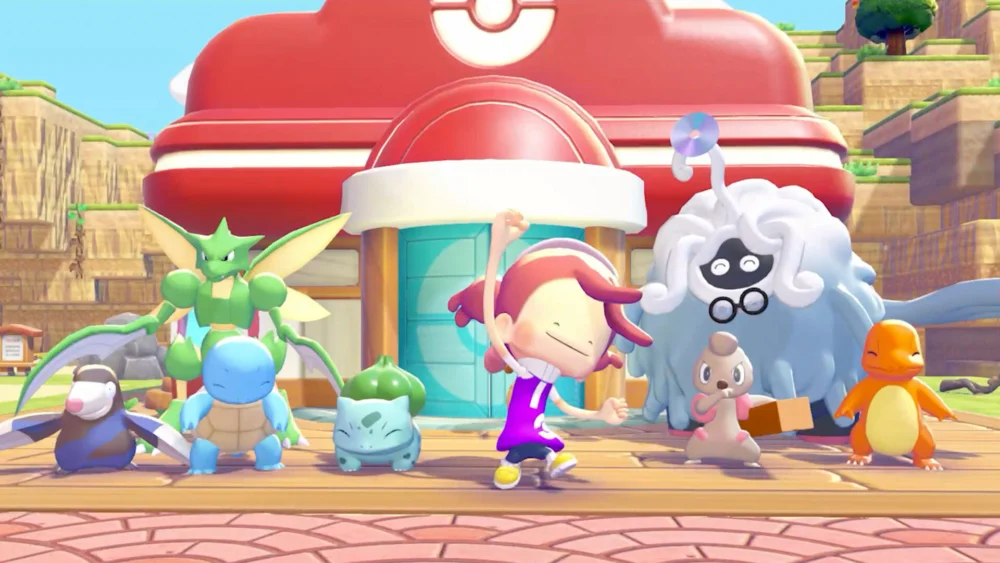
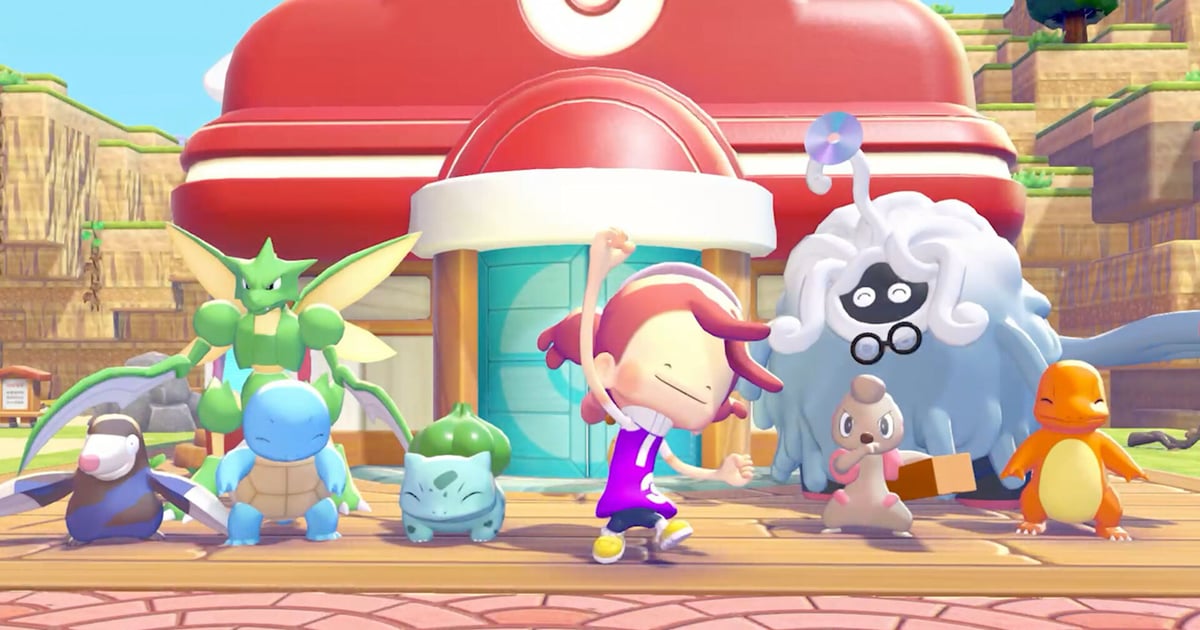
Pokémon Pokopia, the eagerly anticipated latest spin-off from Nintendo’s globally recognized Pokémon franchise, has achieved a significant commercial milestone, surpassing 2.2 million units in global sales within its initial four days on the market. Launched on March 5, the title’s rapid uptake underscores the enduring appeal of the Pokémon brand and the strong early performance of the Nintendo Switch 2 console, for which Pokopia is an exclusive title.
Rapid Market Penetration and Key Sales Demographics
Nintendo officially announced the impressive sales figures via a press release disseminated earlier today, March 12. The report highlighted that of the 2.2 million units sold worldwide, a substantial 1 million units were purchased in Japan alone. This robust domestic performance, accounting for nearly half of the global sales, is particularly noteworthy for a spin-off title, often indicating strong cultural resonance and brand loyalty within the franchise’s home market. The remaining 1.2 million units were distributed across various international territories, including North America, Europe, and other key gaming regions, signaling broad global interest in the new Pokémon experience.
The rapid sales trajectory of Pokémon Pokopia places it among the fastest-selling titles in the nascent life cycle of the Nintendo Switch 2. Its success is particularly salient given its status as a platform exclusive, joining a prestigious lineup of first-party titles designed to showcase the new console’s capabilities and drive hardware adoption. These include Mario Kart World, Donkey Kong Bananza, and Kirby Air Riders, all of which have contributed to the console’s early commercial viability since its launch.
Strategic Importance as a Nintendo Switch 2 Exclusive
The decision to launch Pokémon Pokopia exclusively on the Nintendo Switch 2 is a strategic move by Nintendo and The Pokémon Company, aimed at leveraging the immense popularity of the Pokémon brand to drive sales of their latest hardware. Historically, Pokémon titles, both main series and spin-offs, have been instrumental in the success of Nintendo’s handheld and hybrid consoles. By making Pokopia a flagship exclusive, Nintendo reinforces the Switch 2’s value proposition, offering unique gaming experiences that cannot be found elsewhere. This strategy is critical during a console’s launch window, as a strong library of exclusive titles is often the primary differentiator in a competitive market.
The game’s exclusivity means that its sales directly contribute to the attach rate of software to hardware for the Switch 2, a key metric for assessing a console’s ecosystem health. A high attach rate signifies that consumers buying the console are also investing heavily in its software library, creating a robust and profitable ecosystem for the platform holder. Pokémon Pokopia‘s strong performance suggests that early Switch 2 adopters are keen to explore the unique offerings available only on the new system.
Comparative Performance Against Other Switch 2 Exclusives
To provide context for Pokémon Pokopia‘s initial sales, it is useful to compare its performance to other Nintendo Switch 2 exclusive titles, as reported in Nintendo’s financial statements up to December 31, 2025. While Pokopia‘s figures represent just four days of sales in March 2026, the comparison offers insight into the overall landscape of the Switch 2’s early software successes:
- Mario Kart World: This tentpole racing title has achieved a monumental 14.03 million copies sold, establishing itself as the console’s current best-seller. Its enduring appeal and broad audience reach make it a perennial system seller.
- Donkey Kong Bananza: The latest adventure featuring the beloved ape family has sold 4.25 million copies, indicating a solid performance for a character-driven platformer.
- Kirby Air Riders: This spin-off entry in the Kirby series has reached 1.76 million units sold. Pokopia‘s initial four-day sales of 2.2 million already surpass Kirby Air Riders‘ cumulative sales up to the end of 2025, highlighting an exceptionally strong launch for the Pokémon spin-off.
It is also pertinent to consider the performance of Pokémon Legends: Z-A, a title available on both the original Nintendo Switch and the Nintendo Switch 2, though the latter’s edition sold 3.89 million copies. While not a strict exclusive to the Switch 2, its robust sales demonstrate the continued appetite for Pokémon experiences on Nintendo’s latest hardware. Pokopia‘s performance, even as a spin-off, suggests that the Pokémon brand has a unique ability to drive sales, potentially even outperforming some established first-party franchises in their initial launch phases.
The Enduring Power of the Pokémon Franchise
The Pokémon franchise, first introduced in 1996, has grown into one of the highest-grossing media franchises of all time, encompassing video games, trading cards, anime, films, and merchandise. Its enduring appeal lies in its core gameplay loop of catching, training, battling, and trading creatures, combined with a constantly evolving roster of new Pokémon and regions. Spin-off titles like Pokopia typically explore alternative gameplay mechanics or genres within the Pokémon universe, offering fresh perspectives while retaining the beloved characters and lore. The success of Pokopia confirms that the appetite for diverse Pokémon experiences remains incredibly high, even beyond the mainline role-playing game entries.
The launch of Pokémon Pokopia on March 5, 2026, was preceded by significant marketing efforts from Nintendo and The Pokémon Company, including trailers showcasing its unique gameplay, character designs, and world. While specific details about Pokopia‘s gameplay genre were not provided in the original news brief, the term "spin-off" typically implies a departure from the traditional RPG format, perhaps leaning into genres like puzzle, adventure, simulation, or even a new experimental concept. The immediate embrace by consumers suggests that these new gameplay directions are resonating strongly with both long-time fans and new players.
Nintendo’s Platform Strategy and Executive Commentary
Nintendo’s strategy with the Switch 2 has been to build on the unprecedented success of its predecessor, the original Nintendo Switch, which sold over 130 million units globally. A crucial part of this strategy involves launching with a compelling lineup of first-party exclusives to establish the new console’s identity and attract a broad audience. The performance of Pokémon Pokopia is a significant validation of this approach.
While no specific executive statements were included in the original brief beyond the announcement of sales figures, it is highly probable that Nintendo’s leadership would express considerable satisfaction. Shuntaro Furukawa, President of Nintendo Co., Ltd., might issue a statement acknowledging the "exceptional reception" of Pokémon Pokopia and reiterating the company’s commitment to delivering "innovative and engaging experiences" on the Nintendo Switch 2. A development lead from the team behind Pokopia could also express gratitude to fans for their support, perhaps hinting at future content or expansions. Such statements typically emphasize the collaborative effort between development teams, The Pokémon Company, and Nintendo’s publishing arms.
"We are absolutely delighted by the strong global reception for Pokémon Pokopia," a hypothetical statement from Mr. Furukawa might read. "The immediate enthusiasm from fans, particularly in Japan, underscores the enduring power of the Pokémon franchise and our commitment to delivering diverse and high-quality experiences on the Nintendo Switch 2. This remarkable launch, alongside the continued success of titles like Mario Kart World and Donkey Kong Bananza, reaffirms the strong momentum of our new console and the vibrant ecosystem we are building for our players."
Industry Analysis and Broader Market Implications
Industry analysts have been closely watching the performance of the Nintendo Switch 2 since its launch, particularly its ability to attract software sales. The success of Pokémon Pokopia is likely to be viewed as a strong positive indicator for the console’s long-term prospects. Dr. Seraphina Chen, a prominent video game market analyst at Quantum Research Group, might comment on the implications: "The debut of Pokémon Pokopia is nothing short of phenomenal. To achieve 2.2 million sales in just four days, especially for a spin-off title and a console exclusive, speaks volumes about the brand’s power and the health of the Nintendo Switch 2 ecosystem. This isn’t just a win for Pokémon; it’s a significant boost for Nintendo’s hardware sales and sets a very high bar for future first-party exclusives. It demonstrates that the Switch 2 is not only selling consoles but is also rapidly building a robust software attach rate, which is crucial for sustained profitability."
This robust performance also sends a clear message to third-party developers about the potential audience on the Nintendo Switch 2. A strong showing for first-party titles often encourages external studios to invest more heavily in developing and porting games for the platform, further enriching its software library and increasing its overall appeal. The diverse success across genres—from racing in Mario Kart World to platforming in Donkey Kong Bananza and now a Pokémon spin-off—indicates a broad and engaged player base on the Switch 2.
Chronology of a Successful Launch
The timeline leading to Pokémon Pokopia‘s success can be traced back to its initial announcement, likely occurring several months prior to its release, possibly during a Nintendo Direct presentation in late 2025 or early 2026. This announcement would have generated immediate buzz among the dedicated Pokémon fanbase and the broader gaming community. Pre-orders would have opened shortly thereafter, allowing eager fans to secure their copies.
- Late 2025 / Early 2026: Pokémon Pokopia officially announced, possibly with a teaser trailer showcasing its concept and art style. Initial details about its status as a Nintendo Switch 2 exclusive are revealed, generating excitement.
- January-February 2026: Further marketing pushes, including more in-depth gameplay trailers, developer interviews, and potentially a demo release or special events, build anticipation. Pre-order campaigns intensify.
- March 5, 2026: Pokémon Pokopia officially launches worldwide on the Nintendo Switch 2. Digital and physical copies become available.
- March 5 – March 8, 2026: The critical first four days of sales, during which Pokopia achieves its 2.2 million global sales milestone. Early player impressions and reviews begin to circulate online.
- March 12, 2026: Nintendo issues a press release confirming the impressive sales figures, particularly highlighting the 1 million units sold in Japan.
This rapid sales accumulation within the first few days post-launch is often indicative of strong pre-release demand, effective marketing, and positive initial critical and player reception. The word-of-mouth generated by early adopters further fuels sales momentum in the weeks following launch.
Future Outlook for the Pokémon Franchise and Switch 2
The triumph of Pokémon Pokopia suggests a bright future for both the Pokémon franchise’s diversified offerings and the Nintendo Switch 2. For Pokémon, it validates the strategy of exploring new gameplay avenues beyond the traditional RPGs, potentially encouraging The Pokémon Company and its development partners to continue innovating with spin-off concepts. This could lead to a broader array of Pokémon experiences tailored to different player preferences and genres.
For the Nintendo Switch 2, Pokopia‘s success reinforces its position as a highly desirable console with a rapidly growing software library. As the console continues to mature, the expectation will be for Nintendo to maintain this pace of compelling first-party releases, alongside a robust offering from third-party partners. The early indicators from titles like Pokémon Pokopia suggest that the Switch 2 is well on its way to carving out its own legacy, building upon Nintendo’s storied history of hardware and software innovation. The strong start provides a solid foundation for Nintendo’s financial performance in the fiscal year 2026 and beyond, demonstrating the company’s continued ability to captivate global audiences with its iconic intellectual properties.
About the Author