RayNeo, a specialized subsidiary of the global electronics conglomerate TCL, has officially expanded its augmented reality (AR) portfolio with the release of the RayNeo iO Smart Glasses. Positioned as a lightweight, privacy-centric alternative to camera-equipped wearables like the Ray-Ban Meta glasses, the RayNeo iO focuses on artificial intelligence (AI) integration and textual information delivery. By omitting both integrated cameras and external speakers, the device prioritizes an unobtrusive user experience, weighing just 33 grams and offering a battery life designed to span multiple days of typical usage. This strategic launch signals RayNeo’s intent to capture a segment of the market increasingly concerned with digital privacy and "surveillance" aesthetics while demanding high-utility productivity tools.

Strategic Shift Toward Minimalist Hardware
The introduction of the RayNeo iO represents a pivot for the company, which has previously focused on high-specification displays and immersive media consumption. Earlier models, such as the RayNeo X2 and X3 Pro, featured full-color binocular MicroLED displays and integrated cameras for spatial mapping and photography. In contrast, the RayNeo iO utilizes a dual monochrome display system. This hardware simplification allows the device to resemble standard optical eyewear more closely than previous iterations, addressing a primary barrier to the mainstream adoption of smart glasses: social acceptability.

The decision to exclude cameras is a direct response to the "glasshole" stigma that has plagued the wearable sector since the inception of Google Glass. By removing the ability to record video or take photos, RayNeo positions the iO as a safe device for use in sensitive environments, such as offices, medical facilities, or private social gatherings. Furthermore, the exclusion of speakers—relying instead on a sophisticated microphone array and visual feedback—minimizes the device’s footprint, allowing for a slimmer frame and reduced thermal output.

Technical Specifications and Display Performance
Despite its minimalist frame, the RayNeo iO incorporates advanced waveguide optics and MicroLED technology. The dual monochrome displays offer a field of view (FOV) of approximately 23 degrees, which is optimized for displaying text-based notifications and AI-generated cues.

Key technical specifications include:

- Weight: 33 grams (inclusive of frames and lenses).
- Display: Dual monochrome MicroLED with waveguide optics.
- Brightness: Up to 1,200 nits, ensuring legibility in high-ambient-light environments.
- Interaction: A rotating crown on the temple and a capacitive touch-sensitive bar.
- Connectivity: Bluetooth 5.2 for pairing with the RayNeo AI companion app.
- Battery Life: Up to 48 hours of standby/normal use or 6 hours of continuous live translation.
Industry analysts note that the 1,200-nit peak brightness is a significant achievement for a device of this weight class. This luminosity allows users to read text against bright backgrounds, such as a sunny sky or artificial office lighting, without the need for dark clip-on shades. The display is positioned in the upper periphery of the user’s vision, a design choice intended to prevent the digital interface from occluding the wearer’s natural line of sight.

The Software Ecosystem: RayNeo AI and Productivity Features
The RayNeo iO is primarily an AI-driven companion device, with its functionality rooted in the RayNeo AI smartphone application. The software suite leverages large language models (LLMs) to provide real-time assistance through several core applications:

Live Translation and Captions
The device utilizes its microphone array to listen to ambient speech, providing near-instantaneous text translations on the display. While currently in a refinement phase, the feature supports multiple major languages, including English, Chinese, and Italian. This is intended for international travelers and business professionals operating in multilingual environments.

Teleprompter and Note Integration
Designed for public speakers and content creators, the teleprompter feature allows users to upload scripts or notes via the companion app. The text scrolls within the glasses’ display, allowing the wearer to maintain eye contact with an audience or camera while reading their lines.

Smart Cues and Life Log
Perhaps the most ambitious feature is "Smart Cues," an AI assistant that analyzes environmental audio to provide context-aware suggestions. For example, if the device hears a question directed at the user, it can suggest a brief response or provide relevant data points. The "Life Log" feature attempts to create a chronological record of the user’s day based on audio interactions, though its efficacy is currently being evaluated given the lack of visual data input.

Ergonomics and User Interaction
RayNeo has introduced a physical rotating crown on the right temple of the iO glasses, a tactile interface rarely seen in the smart glasses category. This crown allows for precise scrolling through menus and notifications, providing haptic-like feedback that improves the user experience compared to traditional swipe-only gestures.

To manage power consumption, the device includes a "lift-to-wake" feature. The display enters a standby state after 15 seconds of inactivity and reactivates automatically when the user tilts their head upward or interacts with the crown. This power-management strategy is central to the device’s ability to last up to two days on a single charge.

Charging is handled via a proprietary magnetic adapter that connects to the bridge of the glasses, converting to a standard USB-C port. While this ensures the frames remain thin, it necessitates that users carry the specific adapter for recharging.

Privacy Implications and Market Context
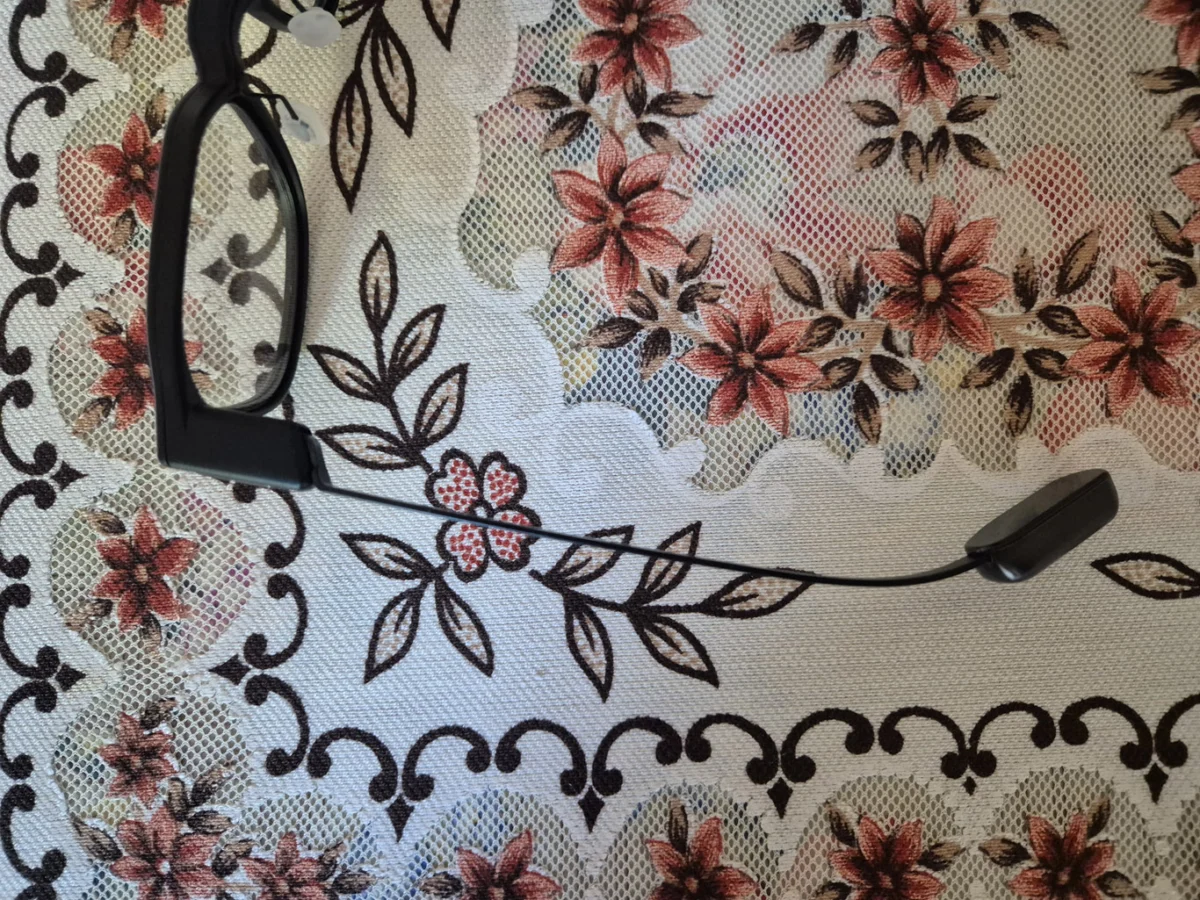
While the lack of a camera addresses one aspect of privacy, the RayNeo iO’s reliance on "always-listening" microphones for its AI features introduces a different set of considerations. To mitigate these concerns, RayNeo has implemented a privacy LED located at the end of the frame’s temple. This light activates whenever the microphones are actively recording or processing audio.

However, some privacy advocates argue that the LED’s placement—near the user’s ear—may be difficult for interlocutors to see, potentially leading to misunderstandings about when a conversation is being processed by AI. RayNeo maintains that the device is fully compliant with international data protection standards, including GDPR, and that audio processing is handled with high levels of encryption.

The RayNeo iO enters a competitive landscape that includes the Even Realities G1, which also utilizes a monochrome display for productivity. By pricing the iO at $499, RayNeo is positioning itself as a premium but accessible entry into the "AI-first" wearable market.

Broader Impact on the Wearables Industry
The launch of the RayNeo iO highlights a growing trend toward "ambient computing," where technology recedes into the background of daily life. By focusing on text and audio rather than immersive video or photography, RayNeo is betting that the most immediate value for smart glasses lies in information efficiency rather than entertainment.

Market experts suggest that the success of the iO will depend on the reliability of its AI features. As LLMs become more integrated into hardware, the "hit-or-miss" nature of early voice recognition and translation must be overcome to provide a seamless professional tool. If RayNeo can prove that a microphone-only, monochrome device can significantly enhance productivity, it may pave the way for a new category of "stealth" smart glasses that avoid the social and technical hurdles of more complex AR headsets.

The RayNeo iO Smart Glasses are available for purchase starting today, with a standard retail price of $499, while a version including a dedicated charging case is priced at $549. Early-bird discounts are expected to drive initial adoption among tech enthusiasts and professional "early adopters."
About the Author