A significant collaborative open-source project, spearheaded by prominent software developer Jeff Atwood, is underway to contemporize the seminal programming anthology, "101 BASIC Computer Games." This ambitious undertaking aims to translate the foundational programs from David H. Ahl’s groundbreaking 1973 publication, widely credited with influencing an entire generation of programmers, into ten modern, memory-safe, general-purpose scripting languages. The initiative not only seeks to preserve these invaluable artifacts of early computing but also to foster contemporary programming practices and support future talent through a charitable donation program.
The Enduring Legacy of "101 BASIC Computer Games"
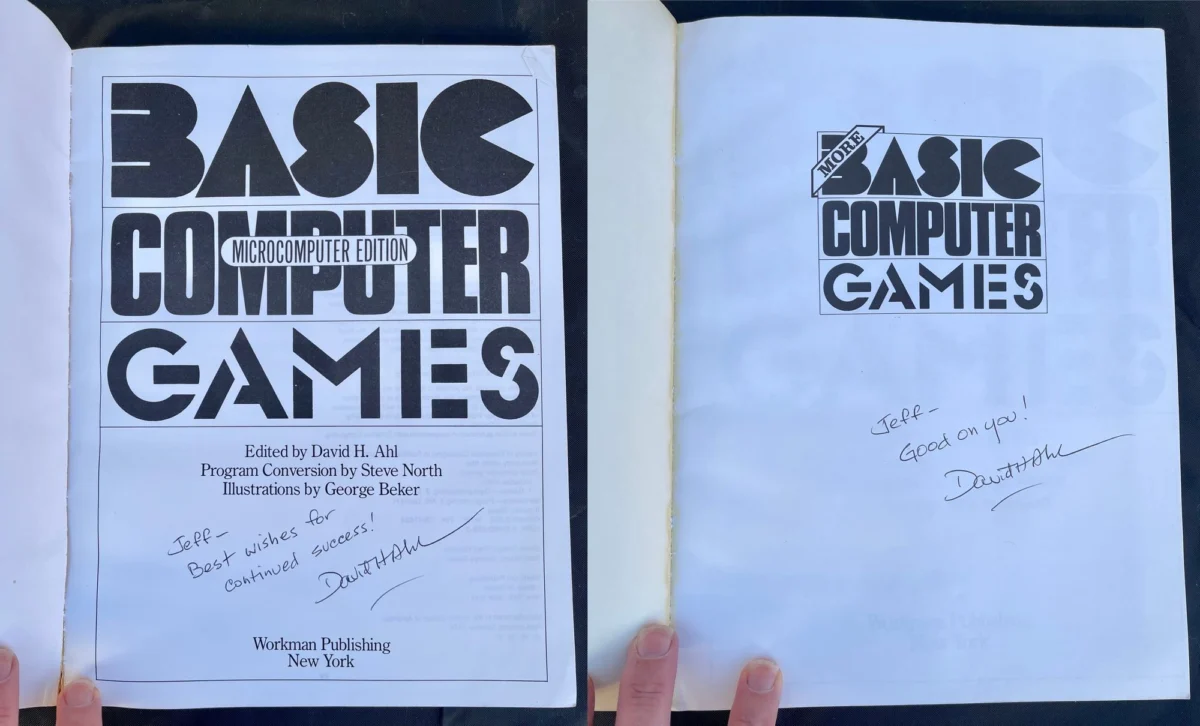
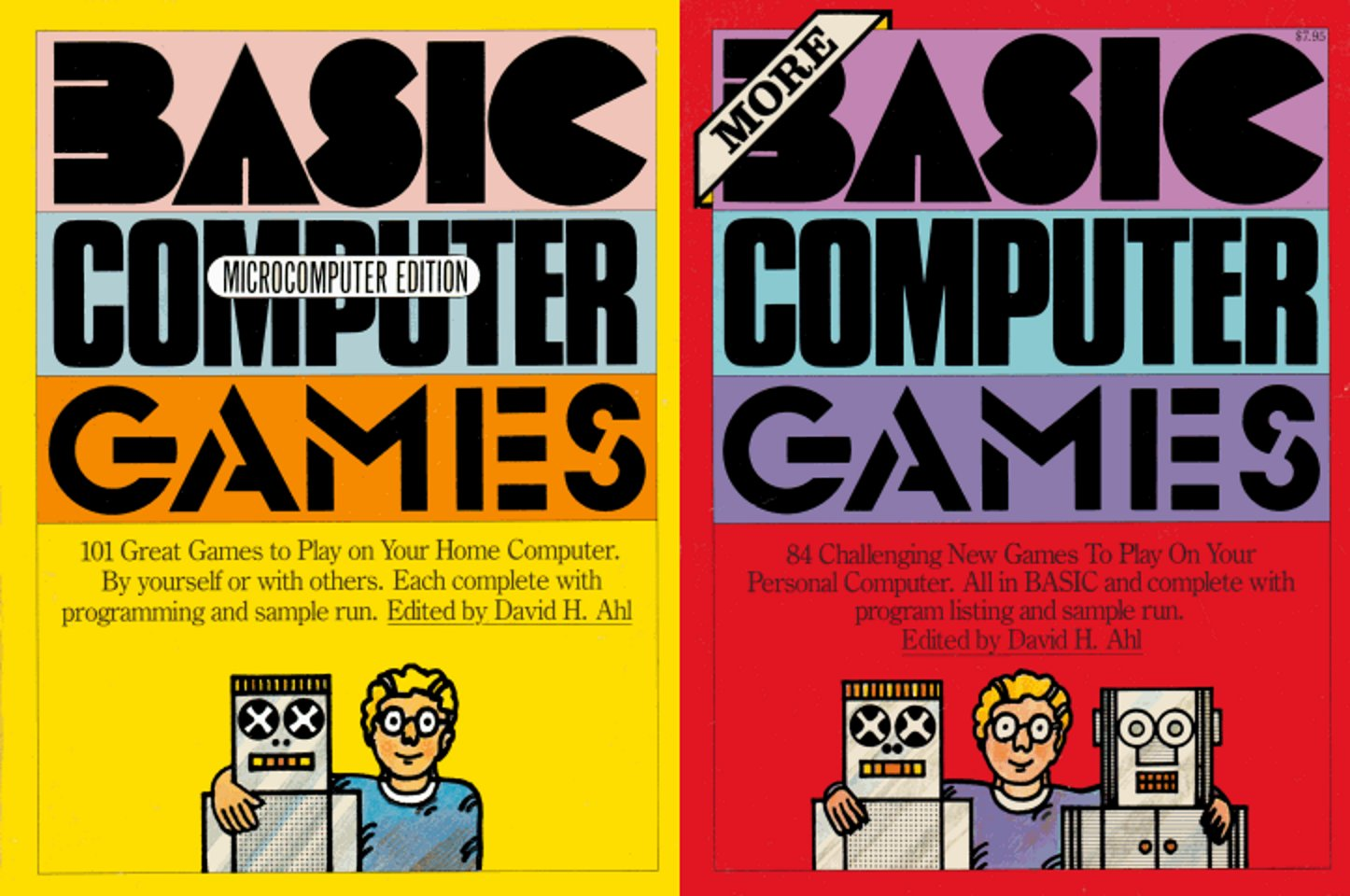
For many pioneers in the field of computing, the journey into programming began not with sophisticated graphical user interfaces or vast online resources, but with a command-line prompt and a physical book. "101 BASIC Computer Games," compiled by David H. Ahl, then of Digital Equipment Corporation (DEC) and later founder of Creative Computing Magazine, served as an indispensable guide for early enthusiasts. Published in 1973, this anthology was a compilation of games originally featured in Ahl’s magazine during the 1970s, offering a treasury of code snippets that users could manually input into their nascent computer systems.
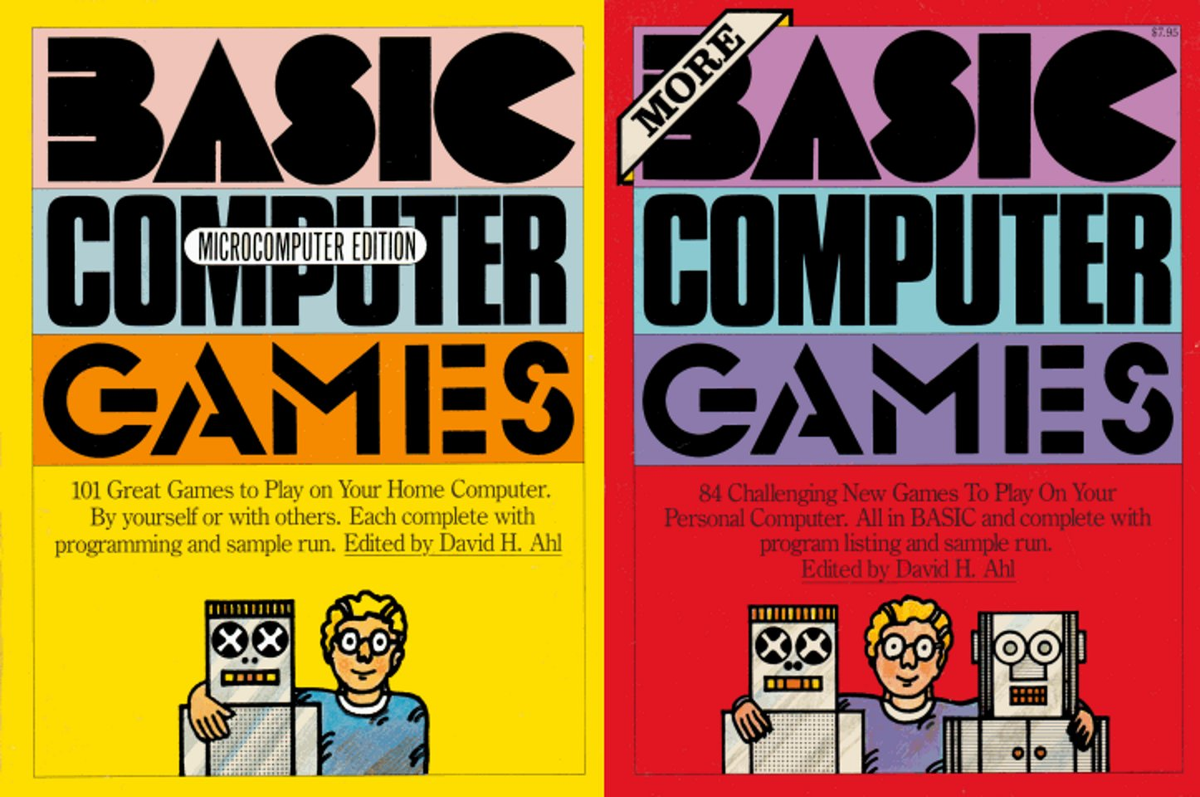
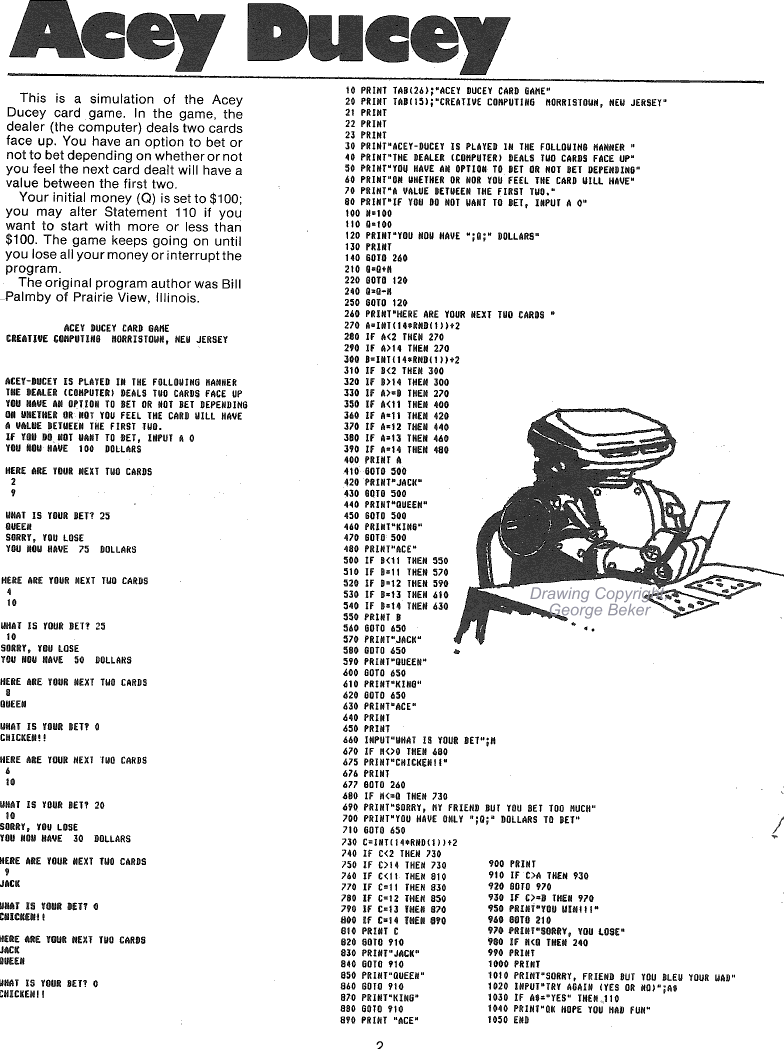
In an era predating affordable storage solutions like floppy disks or hard drives for personal computers, booting up a machine typically presented users with a stark command-line interface. The concept of "apps" or a visually rich desktop environment was decades away. To engage with these rudimentary machines, individuals often had to painstakingly type out entire programs, line by line, from printed pages. This manual entry, as depicted in vintage programming guides, was a common, albeit often frustrating, rite of passage for early computer users. The sheer act of transcribing code, debugging inevitable typos, and finally witnessing a program execute, forged a deep connection between user and machine.
The book’s impact was monumental. It quickly went into a second printing, selling 10,000 copies, a remarkable figure considering the extremely limited number of personal computers available at the time. Ahl recounted, "That was far more books than there were computers around, so people were buying three, four, five of them for each computer." This phenomenon underscores the book’s critical role as a primary gateway to computing, often acquired even before a computer itself, fueling aspirations and curiosity. Ultimately, "101 BASIC Computer Games" achieved the distinction of being the first computer book to sell over a million copies, solidifying its status as one of the most influential texts in computing history. Its widespread adoption cultivated a nascent programming culture, inspiring countless individuals, including Jeff Atwood, to embark on professional careers in software development.
A Glimpse into Early Computing: The Context of the 1970s and 80s
To fully appreciate the significance of Ahl’s work and Atwood’s modernization effort, it is crucial to understand the technological landscape of the 1970s and early 1980s. The concept of a "personal computer" was still in its infancy. Mainframe computers dominated institutional and corporate environments, accessible primarily to specialists. However, the development of microprocessors began to democratize computing, leading to the gradual emergence of microcomputers.

BASIC (Beginner’s All-purpose Symbolic Instruction Code), developed at Dartmouth College in 1964, was designed to be a simple, easy-to-learn programming language. Its accessibility made it the language of choice for these new, smaller machines. Early personal computers, such as the Apple II, Commodore PET, and TRS-80, often shipped with BASIC interpreters built into their ROM, allowing users to start programming immediately upon boot-up. However, the lack of affordable mass storage meant that any program not typed in and saved to a (often optional and expensive) cassette tape drive, or later floppy disk, would be lost upon powering down the machine. This reality made books like "101 BASIC Computer Games" indispensable, providing a tangible library of executable code.
David H. Ahl himself was a pivotal figure in popularizing computing. His Creative Computing Magazine, launched in 1974, was one of the earliest publications dedicated to personal computing, offering articles, reviews, and, crucially, program listings that readers could type in themselves. His "sweat equity" in launching the magazine, from editing articles and taking photos to manually pasting labels on thousands of unsolicited copies sent to schools and libraries, illustrates the grassroots efforts that propelled computing into the public consciousness. This era, characterized by hands-on engagement and a scarcity of resources, laid the groundwork for the digital age we inhabit today.
The Imperative for Modernization: Beyond Simplistic Ports
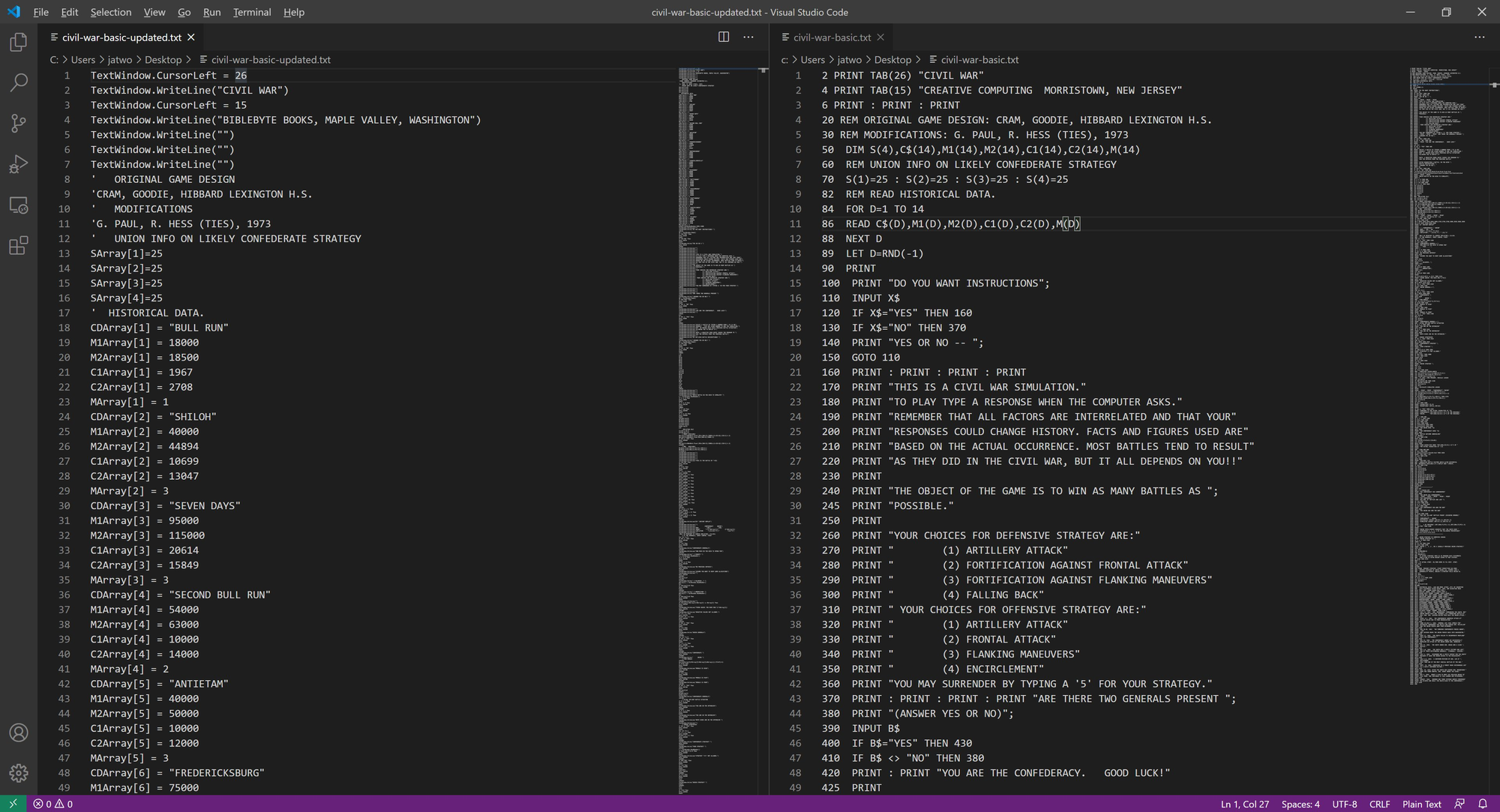
While the historical value of these BASIC programs is undeniable, their direct relevance to modern programming practices is limited. An earlier attempt in 2010 to "modernize" these programs through a SmallBasic Edition, as noted by Jeff Atwood, largely fell short. These ports often involved little more than removing line numbers—a syntax requirement in original BASIC—without integrating fundamental contemporary programming concepts. For instance, the crucial role of subroutines, widely considered one of the greatest inventions in computer science for promoting modularity and reusability, was conspicuously absent in many of these simplistic updates.
Comparing the original 1973 BASIC "Civil War" program with its 2010 SmallBasic port reveals the minimal transformation. The core structure, heavily reliant on GOTO statements and lacking clear functional decomposition, remained largely unchanged. This approach failed to bridge the pedagogical gap between vintage code and the principles taught in modern computer science curricula. Atwood recognized this deficiency, advocating for an initiative that genuinely re-engineers these programs to reflect current best practices while preserving their original intent and gameplay.
A Collaborative Vision: The GitHub Initiative
Driven by this vision, Jeff Atwood sought and received permission from David H. Ahl to embark on a comprehensive modernization project. The initiative, hosted on GitHub, invites programmers globally to contribute to updating the 101 BASIC games. The core objective is to translate each game into a selection of ten modern, memory-safe, general-purpose scripting languages. This curated list of languages is designed to represent contemporary development trends and provide a diverse set of tools for learners and practitioners alike.
As of March 2022, the target languages include:

- Python: Renowned for its readability, extensive libraries, and wide application across various domains.
- JavaScript: The foundational language for web development, increasingly used for server-side applications (Node.js).
- Ruby: Valued for its elegant syntax and developer-friendly ecosystem.
- PHP: A widely used server-side scripting language, particularly for web development.
- Go: Developed by Google, known for its performance, concurrency, and robust standard library.
- C#: A versatile, object-oriented language developed by Microsoft, popular for enterprise applications and game development.
- Swift: Apple’s powerful and intuitive language for building apps across its platforms.
- Kotlin: A modern, statically typed language that runs on the Java Virtual Machine, increasingly popular for Android development and general-purpose programming.
- Rust: A systems programming language focused on safety, performance, and concurrency, explicitly chosen for its strong memory safety guarantees.
- Lua: A lightweight, multi-paradigm scripting language known for its speed and embeddability.
This selection highlights a commitment to modern paradigms, including memory safety—a critical concern in contemporary software engineering to prevent common vulnerabilities. The dynamic nature of language selection is evident in the project’s evolution; initially considering Java and Pascal, the team opted for alternatives like Kotlin and Rust to better align with the "memory safe" and "scripting" criteria.
The project emphasizes a collaborative, open-source approach, a stark contrast to the isolated experience of early programmers. Instead of individuals wrestling with typos alone in their rooms, the GitHub platform allows for collective problem-solving, code review, and shared learning. This collaborative model mirrors modern software development workflows, making the project not just a historical preservation effort but also a practical exercise in contemporary team programming.
Preserving Digital Heritage and Fostering Future Talent
Beyond the technical exercise, the project serves several broader purposes. Firstly, it acts as a digital preservation effort. These "very primitive games from the 1970s," as Atwood describes them, are more than simple diversions; they are "precious artifacts of early computing." Their simple mechanics and direct interaction provide a unique window into the foundational principles of programming logic. The project also ensures the preservation of original elements, such as the whimsical artwork by George Beker, which adorned the pages of Ahl’s original book.
Secondly, the initiative has a significant educational and philanthropic component. To incentivize contributions and support the next generation of programmers, Jeff Atwood pledged to donate $5 to Girls Who Code for every functioning program submitted in each of the ten indicated languages by the end of 2022. Girls Who Code is a non-profit organization dedicated to closing the gender gap in technology, providing computing education to young women. This charitable tie-in underscores the project’s commitment to nurturing future talent and promoting diversity within the tech industry, connecting the legacy of early programming with efforts to build a more inclusive future.
The project implicitly offers a pedagogical bridge, allowing new learners to engage with the simplicity of early game logic while simultaneously applying modern language constructs and best practices. It’s an opportunity to understand how fundamental computational problems were approached before the advent of complex frameworks and sophisticated development environments, providing a valuable historical perspective for contemporary programmers.
A Call to Action for the Global Programming Community
The success of this ambitious undertaking hinges on community participation. Jeff Atwood has issued a fervent call to action, inviting programmers worldwide to contribute their expertise. Prospective contributors are encouraged to visit the project’s GitHub repository, review the detailed guidelines, and engage in discussions on the associated forum. The project is framed not just as a task, but as a fun, engaging challenge—a sentiment echoed by Atwood’s reminder that "this stuff is supposed to be fun."
Recognizing the scale of the endeavor, Atwood also seeks project co-owners to help organize and steer the effort, signaling a desire for shared leadership and sustained engagement. This collaborative spirit transforms the act of modernizing a classic into a collective celebration of programming history and future potential.
As the programming world continually evolves, initiatives like this serve as vital links between generations of developers. By updating one of the most influential books in computing history, the project not only preserves a foundational text but also reintroduces its lessons in a contemporary context, emphasizing modern methodologies like open-source collaboration, memory safety, and modular design. It’s an invitation to partake in a unique historical journey, reimagining the origins of personal computing for the digital age and inspiring the next wave of innovators. This endeavor exemplifies how the spirit of innovation and community can bridge decades, ensuring that the legacy of early programming continues to inform and inspire.
About the Author