The Enduring Legacy of Ludum Dare: A Crucible for Creativity
Ludum Dare, Latin for "to give a game," stands as one of the longest-running and most influential game jams in the global independent game development community. Initiated in 2002 by Geoff Howland, the event has grown exponentially from a niche gathering of passionate hobbyists to a biennial phenomenon that attracts tens of thousands of participants worldwide. Its core philosophy revolves around rapid prototyping, encouraging developers to create a complete game from scratch—concept to playable demo—within a strict time limit. This intense pressure often leads to highly innovative, minimalist, and surprisingly polished experiences that might otherwise never see the light of day in traditional development cycles.
The event typically operates under two main categories: the "Compo" (48 hours), which requires solo development and adherence to stricter rules, and the "Jam" (72 hours), which allows teams and the use of pre-existing assets, offering a slightly more relaxed environment. Both formats, however, emphasize originality and the creative interpretation of a single, secret theme announced at the start of the jam. This thematic constraint is a deliberate design choice, intended to push participants out of their comfort zones and foster unexpected game mechanics and narratives.
Ludum Dare 56: A Chronology of Creation
The 56th installment of Ludum Dare followed its established rhythm. The theme, "Tiny Creatures," was officially revealed on October 4th, 2024, simultaneously kicking off the development period. Participants had until October 6th for the Compo category and October 7th for the Jam category to submit their completed projects. Following the submission deadline, a two-week public voting period commenced, allowing players and fellow developers to rate games across various criteria, including innovation, fun, graphics, audio, humor, and theme adherence. Itch.io, a prominent digital storefront for independent games, plays a crucial role in hosting and cataloging these submissions, providing a vital platform for discovery and community engagement. The platform’s commitment is evident in its proactive efforts, such as the two recommendation posts, to spotlight games that might otherwise get lost in the sheer volume of entries. This curation not only celebrates individual achievements but also guides players through the vast landscape of Ludum Dare creativity.

The "Tiny Creatures" Theme: Interpretations and Ingenuity
The theme "Tiny Creatures" proved to be a fertile ground for diverse interpretations, moving beyond literal insect or microbial life to explore concepts of smallness in scale, power, or societal influence. Developers approached the theme from various angles, creating games that ranged from managing minuscule ecosystems to controlling individual cells, or even experiencing worlds from an entirely new, diminished perspective. This breadth of interpretation highlights the creative flexibility inherent in game jam participants, demonstrating how a simple prompt can lead to vastly different gameplay experiences across multiple genres.
The challenge lay not just in incorporating "tiny creatures" but in making that tininess central to the gameplay mechanics or narrative. Many games leveraged this constraint to explore themes of vulnerability, survival, growth, or the unexpected power found in small entities. The resultant games often showcased clever mechanics that transformed the perceived limitations of the theme into unique and engaging player experiences.

Itch.io’s Curatorial Insight: A Second Wave of Recommendations
Itch.io’s decision to publish a second set of recommendations underscores the overwhelming success of Ludum Dare 56 and the high standard of submissions. With over 800 tagged games, a single post could hardly do justice to the innovation on display. This ongoing curation by itch.io is invaluable, offering visibility to games that might not immediately rise to the top of popular lists but possess distinct merits. It also reflects itch.io’s broader mission to support independent developers by providing exposure and a platform for their work, moving beyond mere hosting to active promotion.
Spotlight on Notable "Tiny Creatures" Entries
This second collection of recommended games from itch.io offers a diverse snapshot of the creative ingenuity fostered by Ludum Dare 56:
-
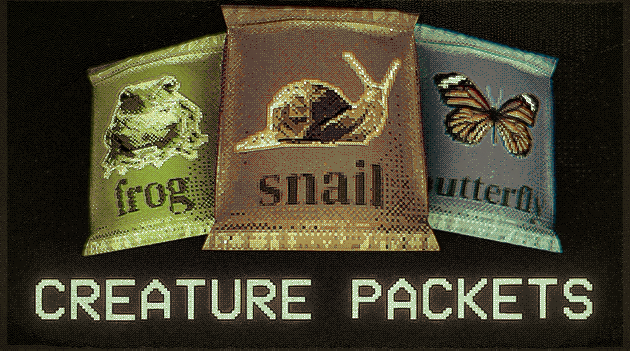
Creature Packets: Developed by Kenforest, "Creature Packets" is a distinct PS1-styled cooking simulator that blends retro aesthetics with a darkly humorous premise. Players are tasked with bringing "tiny creatures" to life from packets using a microwave, then exploring further culinary possibilities with a blender to create new substances and, subsequently, more creatures. The game cleverly subverts typical cooking game tropes, injecting an element of macabre experimentation into the process. Its availability on Windows makes it accessible to a wide audience seeking a nostalgic yet unique experience. The lo-fi graphics and eerie sound design contribute significantly to its peculiar charm, making the player question the ethics of their culinary endeavors with these nascent beings.
-
Build The Sun: From developer punkcake, "Build The Sun" emerges as an ambitious god game, a genre rarely tackled effectively within a jam’s timeframe. Players are cast as a benevolent (or malevolent) deity, tasked with exploring, settling, and expanding a nascent world. The core loop involves finding resources, establishing settlements, and upgrading a primordial fire until it blossoms into a full-fledged celestial body—the Sun. The pixel-art aesthetic is not just a stylistic choice but a functional one, allowing for a broad scope within limited development hours. Available on Windows, macOS, and Linux, "Build The Sun" demonstrates impressive scalability and strategic depth for a jam title, hinting at a much larger potential game. Its focus on growth from an elemental state to cosmic power directly ties into the "tiny creatures" theme by illustrating the journey from small beginnings to immense influence.
-
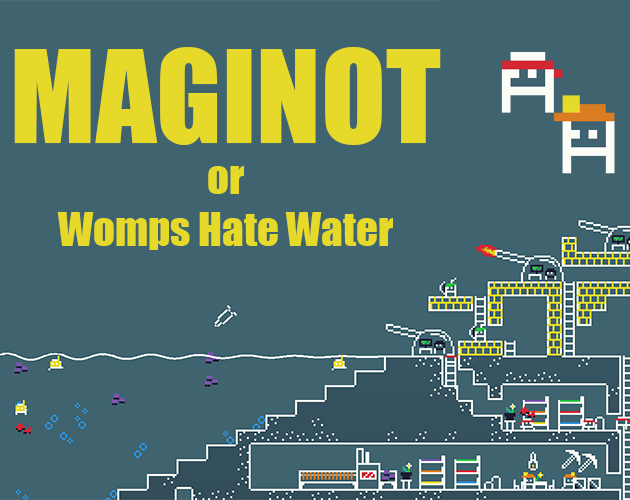
Maginot: Created by vfqd, "Maginot" is an incremental colony builder that presents a unique environmental challenge: battling the encroaching sea. Players must dig deep into the earth for vital minerals, construct and expand their colony, and attract new inhabitants known as "Womps." The ultimate objective is to develop sufficient power and infrastructure to "obliterate the sea," a dramatic goal for such a tiny civilization. As a browser-playable title, "Maginot" offers immediate access, showcasing the power of web-based gaming for rapid prototyping and distribution. The incremental mechanics are designed to provide a sense of continuous progression and strategic resource management, a testament to the genre’s addictive qualities even in a condensed format.
-
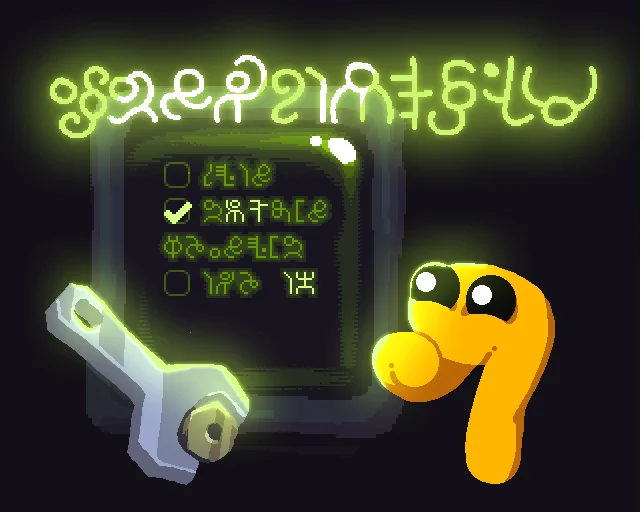
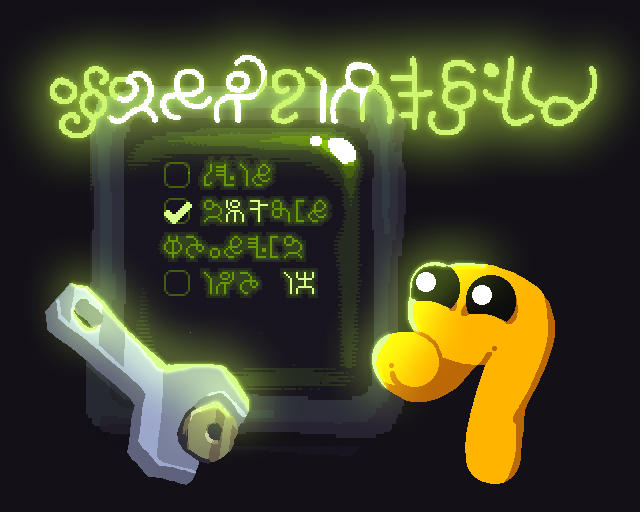
Headquarters: Developed by yogurtthehorse, "Headquarters" is a mysterious point-and-click simulation game focused on deciphering an unknown alphabet. The game’s abstract nature and puzzle-solving core align with the intellectual challenges often found in indie titles. The narrative, though sparse, hints at a larger context of communication and understanding, making the act of deciphering an act of building bridges between disparate entities. Its availability across browser, Windows, Linux, and macOS platforms ensures broad accessibility. The subtle psychological undertones of unraveling a new language, especially when dealing with "tiny creatures" whose communication methods might be alien, add a layer of intrigue.
-
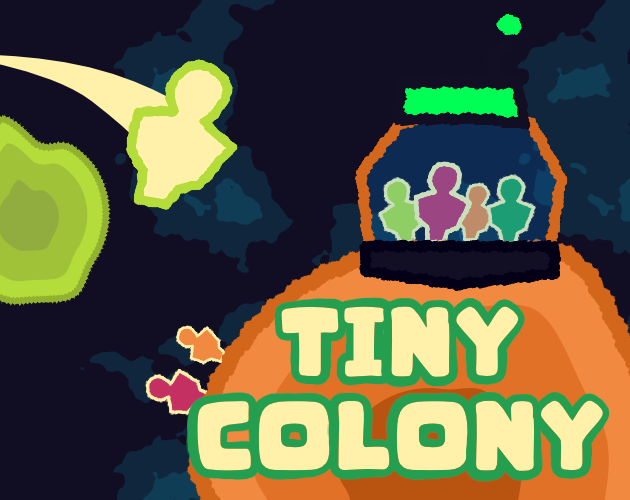
Tiny Colony: From mreliptik, "Tiny Colony" offers a fresh take on space exploration and colonization. Players launch their "tiny creatures" at full speed across interplanetary distances using a clever slingshot system, leveraging the gravity of celestial bodies to their advantage while navigating obstacles and the vast emptiness of space. This physics-based gameplay demands precision and strategic planning. The game’s multi-platform availability (browser, Windows, Linux, Android) is a significant achievement for a jam entry, highlighting its robust development. The concept of guiding minuscule life forms through the cosmos effectively marries the theme with engaging mechanics, emphasizing the grand scale of space against the vulnerability of the tiny colonizers.
-
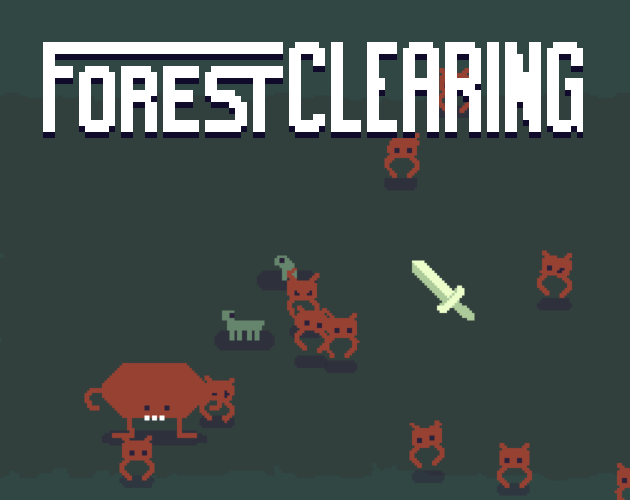
FOREST CLEARING: Jefvel’s "FOREST CLEARING" delves into a dark fantasy action-RPG setting with a moral dilemma at its heart. Players are tasked with protecting their "small friends" in a forest, swinging a sword against threats. However, a grim twist emerges: these friends can also be harvested for meat, which in turn can be used to purchase upgrades after inevitable deaths. This cycle of protection, sacrifice, and growth adds a layer of depth uncommon in such short-form games. Playable in a browser and on Windows, it provides a quick yet impactful experience that forces players to confront the cost of survival. The juxtaposition of cute forest creatures and a brutal survival mechanic makes for a memorable, if unsettling, interpretation of the theme.
-
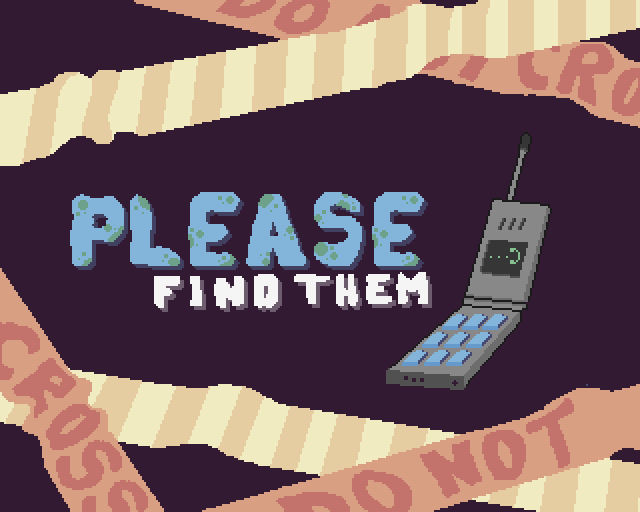
Please Find Them: Adamlenglen’s "Please Find Them" is a charming hidden object game that directly engages with the "Tiny Creatures" theme. Players assume the role of an exterminator whose mission shifts from eradication to discovery, as they must locate small creatures that have inexplicably shrunk within people’s homes. The game leverages classic hidden object mechanics, requiring keen observation and meticulous searching. As a browser-playable title, it offers instant fun and accessibility. The premise is light-hearted and imaginative, providing a unique narrative context for the familiar genre, and portraying the creatures as something to be found and understood rather than simply removed.
-
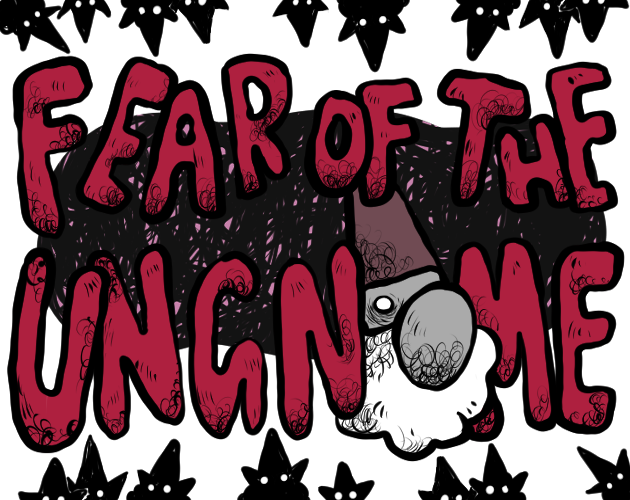
Fear of the Ungnome: Scottts presents "Fear of the Ungnome," a first-person exploration and puzzle game centered on a quest to locate a Great Aunt’s elusive gnome. The inclusion of procedurally generated elements ensures replayability and a fresh experience with each playthrough. The game’s title itself evokes a sense of whimsical mystery, fitting perfectly with the hidden, miniature nature of gnomes. Available in a browser and for Windows, it combines exploration with environmental puzzles, inviting players to delve into a subtly magical world. The procedural generation is particularly impressive for a jam game, hinting at a robust underlying system.
-
Mini Beasts: From cassowary, "Mini Beasts" is a straightforward yet engaging puzzle game. The objective is to rearrange critters to match their colors, a mechanic reminiscent of classic match-3 or tile-swapping puzzles. Its simplicity makes it highly accessible and perfect for a quick, brain-teasing session. As a browser-playable game, it offers instant gratification and demonstrates how even fundamental puzzle mechanics can be re-skinned and made charming with the "Tiny Creatures" theme. The focus on color matching provides a clear visual goal, making it an intuitive and enjoyable experience.
-
Vox Regis: Sheepolution’s "Vox Regis" stands out for its innovative use of voice control in a medieval strategy game. Players embody the king, whose primary task is to maintain power by creating chaos and keeping rebellious groups "small in size." The unique mechanic involves using one’s voice to lay blame on various factions, thereby manipulating the populace and preventing any single group from growing too powerful. This creative input method adds a layer of immersion and challenge. Available in a browser, and for Windows, macOS, and Linux, "Vox Regis" pushes the boundaries of traditional game control and strategic manipulation, illustrating a clever interpretation of the theme’s core concept of controlling or influencing "small" entities to maintain a larger balance.
Broader Implications and the Future of Indie Development
The success of Ludum Dare 56, as evidenced by the sheer volume and quality of submissions, carries significant implications for the independent game development landscape. Firstly, it underscores the power of creative constraints; the "Tiny Creatures" theme, while seemingly restrictive, spurred a remarkable diversity of ideas and genres. This reinforces the notion that limitations can often be a catalyst for innovation.
Secondly, game jams like Ludum Dare serve as invaluable training grounds for aspiring and established developers alike. The intense pressure of a 48- or 72-hour deadline forces rapid decision-making, efficient coding, and effective project management—skills that are directly transferable to larger projects. Many commercial indie titles have roots in game jam prototypes, demonstrating their potential as incubators for new intellectual property.
Thirdly, platforms like itch.io are indispensable in this ecosystem. By hosting, categorizing, and actively promoting jam games, itch.io provides critical visibility that can launch careers or bring deserving projects to a wider audience. Their curatorial efforts, such as these recommendation posts, are a vital service to both developers seeking exposure and players looking for fresh, innovative experiences outside mainstream releases. The community aspect, where developers engage with each other’s work through feedback and voting, further enriches the learning and growth process.
Finally, the Ludum Dare phenomenon highlights a vibrant, democratic aspect of game creation. It democratizes access to game development, allowing anyone with an idea and some coding prowess to participate, regardless of their professional background or access to traditional publishing channels. The "Tiny Creatures" theme, in particular, resonated with developers, leading to games that explored themes of scale, perspective, and the hidden complexities of the miniature world. As the independent game sector continues to flourish, events like Ludum Dare will undoubtedly remain crucial in fostering creativity, skill development, and the discovery of the next generation of innovative game designers. The ongoing engagement from platforms like itch.io ensures that these creative explosions continue to reach and inspire a global audience.
About the Author