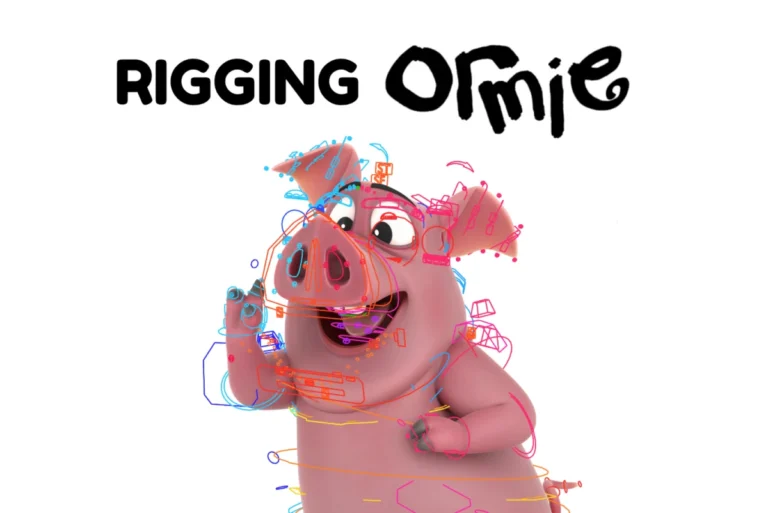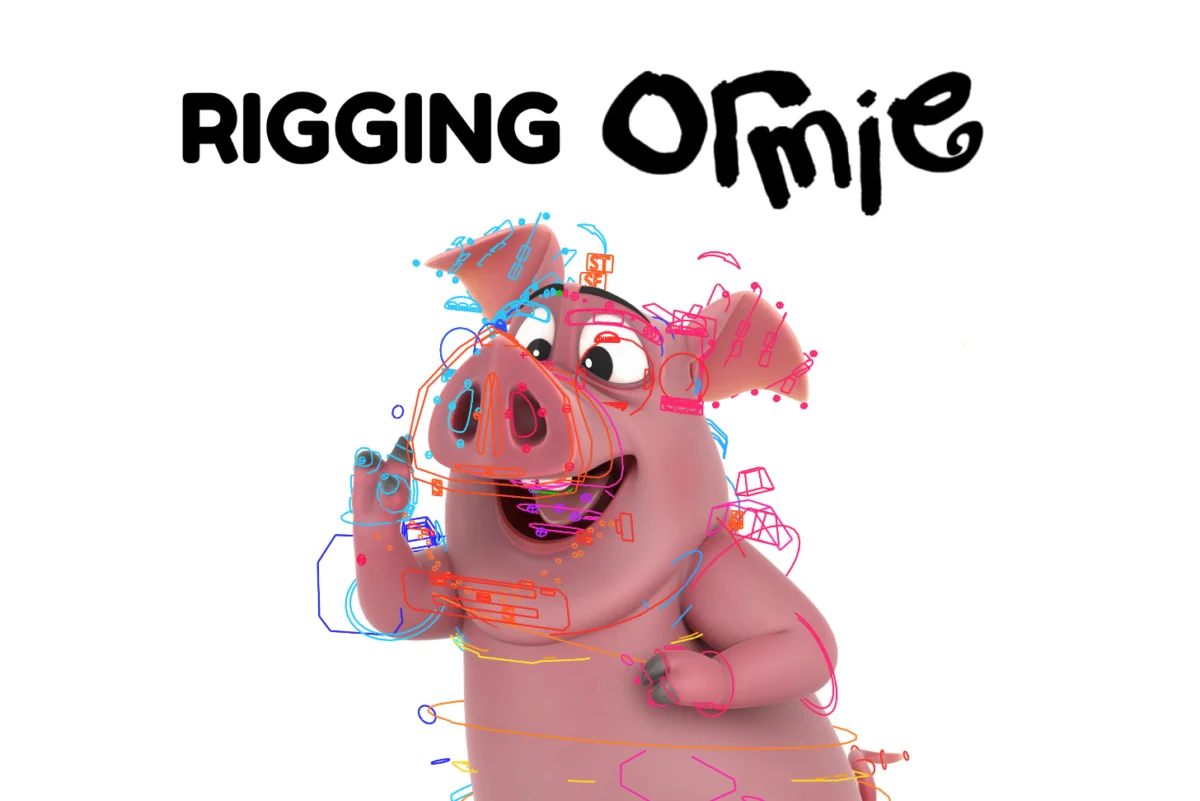
The world of 3D character animation is characterized by intricate technical processes that bring digital characters to life. A recent comprehensive two-part tutorial series, titled "Rigging Ormie," has emerged as a valuable resource for animators, offering an in-depth exploration of how a character named Ormie was meticulously rigged within the Blender software environment. This educational content, released by Level Pixel Level, addresses the challenges and nuances of transferring complex character rigs from established pipelines, specifically Maya, into the increasingly popular open-source 3D creation suite, Blender. The series provides a granular look at the methodologies employed, catering to both aspiring and experienced animators seeking to expand their technical proficiencies.
The tutorial series is structured to demystify the often-complex process of character rigging, a fundamental stage in the animation pipeline. Rigging involves creating a skeletal structure and control system for a 3D model, allowing animators to pose and animate it effectively. The "Rigging Ormie" series breaks this down into digestible components, with Part 1 focusing exclusively on the body rig and Part 2 dedicated to the intricacies of the facial rig. This segmented approach ensures that learners can concentrate on specific aspects of the rigging process, fostering a deeper understanding of each component’s function and implementation.
Part 1: Mastering the Body Rig
The initial installment of "Rigging Ormie" delves into the foundational elements of character rigging, specifically the body. This section is crucial as the body rig dictates the character’s overall movement capabilities, from subtle gestures to dynamic actions. Level Pixel Level outlines the techniques and workflows utilized to recreate Ormie’s body rig in Blender, a process that inherently involves adapting and translating principles from a different software environment.
The tutorial highlights several key aspects of body rigging that are essential for creating believable character motion. These often include:
- Skeletal Structure: The creation and placement of bones within the character mesh. This involves ensuring proper joint placement for natural deformation and a hierarchical structure that facilitates intuitive control.
- Weight Painting (Skinning): The process of assigning influence of each bone to the surrounding vertices of the 3D model. Accurate weight painting is paramount for achieving smooth and realistic deformations when bones are moved. This can be a time-consuming and iterative process, requiring careful attention to detail to avoid undesirable stretching or pinching of the mesh.
- Inverse Kinematics (IK) and Forward Kinematics (FK): The tutorial likely explores the implementation of both IK and FK systems. IK systems allow animators to control limbs by manipulating the end effector (e.g., the hand or foot), with the rest of the limb following automatically. FK systems offer direct control over each bone in a chain, providing more precise, albeit potentially more labor-intensive, control. A well-designed rig often offers the flexibility to switch between IK and FK for different animation scenarios.
- Constraints and Drivers: The use of constraints to link the behavior of different rig elements and drivers to automate certain aspects of animation, such as making a character’s eyes follow a target.
- Custom Controls: The creation of user-friendly custom shapes and controllers that simplify the animation process, allowing animators to interact with the rig in a more intuitive and efficient manner.
The decision to focus on Blender for this recreation is significant. Blender, an open-source 3D creation suite, has seen a dramatic surge in adoption across various industries, including animation, visual effects, and game development. Its continuous development, driven by a vibrant community and a dedicated development team, has led to robust rigging tools that rival those found in proprietary software. By demonstrating how a complex rig can be successfully implemented in Blender, Level Pixel Level contributes to the growing body of knowledge and resources available for this powerful platform.
The challenges of migrating from Maya, a long-standing industry standard with a deeply entrenched ecosystem of tools and workflows, to Blender are considerable. This often involves understanding subtle differences in how rigging systems are implemented, potential performance considerations, and adapting established techniques to Blender’s unique interface and toolset. The "Rigging Ormie" series serves as a practical case study, illustrating how these challenges can be overcome through thoughtful application of Blender’s capabilities.
Part 2: Crafting the Expressive Face Rig
Following the comprehensive coverage of the body rig, Part 2 of "Rigging Ormie" shifts its focus to the equally critical, if not more nuanced, aspect of character animation: the facial rig. A convincing facial rig is essential for conveying emotion, personality, and narrative depth in a character. This section of the tutorial explores the specialized techniques required to create a facial rig that allows for a wide range of expressions and subtle nuances in performance.
The development of an effective facial rig typically involves several key considerations:

- Blend Shapes (Shape Keys): These are fundamental to facial animation, allowing animators to sculpt different expressions (e.g., smile, frown, surprise) and then blend between them. The tutorial likely demonstrates the creation and management of numerous blend shapes to cover a comprehensive emotional spectrum.
- Bone-Based Facial Rigs: In addition to blend shapes, bone-based systems are often incorporated for more dynamic control over elements like jaw movement, eyelids, and even subtle muscle bulges. The interaction between bone controls and blend shapes is a crucial aspect of advanced facial rigging.
- Eye Rigging: The eyes are often considered the "windows to the soul" of a character. A well-designed eye rig allows for realistic blinking, pupil dilation, and nuanced gaze direction, all of which contribute significantly to believability.
- Lip Syncing: The tutorial may touch upon the principles of rigging for lip synchronization, a critical element for dialogue-heavy animations. This often involves a series of phoneme shapes that can be manipulated to match spoken words.
- Control Systems: Similar to the body rig, the facial rig will employ custom controllers to provide animators with an intuitive interface for manipulating expressions. This might include sliders, custom shapes, or even drivers linked to the character’s overall emotional state.
The complexity of facial rigging cannot be overstated. It requires a deep understanding of human anatomy, particularly the musculature of the face, and how these muscles interact to create expressions. The process of translating this understanding into a functional digital rig demands both technical skill and artistic sensibility. By sharing their workflow for Ormie’s face, Level Pixel Level provides invaluable insights into achieving expressive and engaging character performances.
The inclusion of a short film showcasing Ormie’s rig in action serves as a powerful testament to the effectiveness of the techniques presented. This demonstration provides tangible proof of the rig’s capabilities and its potential for creating compelling animated content. The short film acts as a practical application of the tutorials, allowing viewers to see the results of the rigging process firsthand and inspiring them to apply these techniques to their own projects.
Background and Context: The Evolving Landscape of 3D Animation
The release of "Rigging Ormie" arrives at a time of significant evolution within the 3D animation industry. While established studios have long relied on proprietary software and extensive in-house toolsets, there has been a discernible shift towards more accessible and cost-effective solutions. Blender, in particular, has played a pivotal role in this democratization of 3D content creation. Its open-source nature means it is freely available to anyone, lowering the barrier to entry for aspiring artists and independent creators.
The growth of online educational platforms and communities has further amplified the impact of tools like Blender. Tutorials, forums, and asset marketplaces have created a rich ecosystem where knowledge is shared freely and collaborative opportunities abound. "Rigging Ormie" fits perfectly within this paradigm, contributing valuable educational content to the Blender community and beyond.
The specific mention of Ormie being "originally built in a Maya-base pipeline" is a common scenario in the industry. Many studios maintain Maya-centric pipelines due to historical precedent and specialized tools. However, as budgets become tighter or as studios explore new workflows, the need to integrate or transition to other software becomes paramount. This series directly addresses such a scenario, offering a practical solution for artists and studios looking to leverage Blender’s capabilities for character rigging.
The timeline of this release, September 23, 2026, places it within a contemporary context, indicating that these are current and relevant techniques being shared. The rapid pace of development in 3D software means that staying abreast of the latest workflows and best practices is crucial for professionals. Educational content like this ensures that the community can continue to learn and adapt.
Analysis of Implications: Empowering Creators and Fostering Innovation
The "Rigging Ormie" series carries several important implications for the broader 3D animation landscape.
- Increased Accessibility to Advanced Rigging Techniques: By demystifying the process of rigging a complex character, especially one that originated in a different pipeline, the tutorials empower a wider range of creators. This includes independent animators, small studios, and students who may not have access to the extensive training or expensive licenses associated with high-end proprietary software.
- Strengthening the Blender Ecosystem: The detailed breakdown of rigging workflows in Blender contributes to the platform’s growing reputation as a professional-grade tool. Each successful project and comprehensive tutorial adds to the collective knowledge base, encouraging more users to adopt and invest their time in learning Blender.
- Bridging the Gap Between Pipelines: The series addresses the practical challenge of asset migration and interoperability between different 3D software. This is a critical issue for studios that utilize multiple software packages or need to integrate assets from various sources. Demonstrating a successful transition from Maya to Blender for rigging provides a valuable blueprint.
- Potential for New Creative Endeavors: With more accessible and powerful rigging tools, animators are likely to explore more ambitious character animation projects. This could lead to an increase in independent animated shorts, web series, and even feature-length films created using Blender. The ability to create expressive and dynamic characters is a cornerstone of compelling storytelling, and tools like these directly enable that.
- Industry Skill Development: The demand for skilled 3D animators, particularly those proficient in character rigging, remains high. Educational resources like "Rigging Ormie" provide a vital pathway for individuals to develop these sought-after skills, thereby contributing to the overall talent pool within the industry.
While the tutorial itself focuses on the technical "how-to," the underlying impact is one of empowerment and innovation. By making advanced rigging techniques understandable and achievable within Blender, Level Pixel Level is contributing to a more inclusive and dynamic future for 3D animation. The series serves not only as a technical guide but also as an inspiration, demonstrating what is possible when creative passion meets powerful, accessible tools. The success of Ormie’s rig in both the tutorial and the subsequent short film underscores the growing capabilities of Blender and the dedication of the community in pushing its boundaries.
About the Author