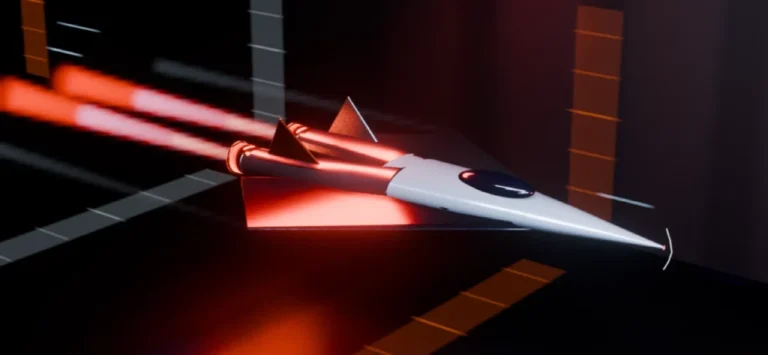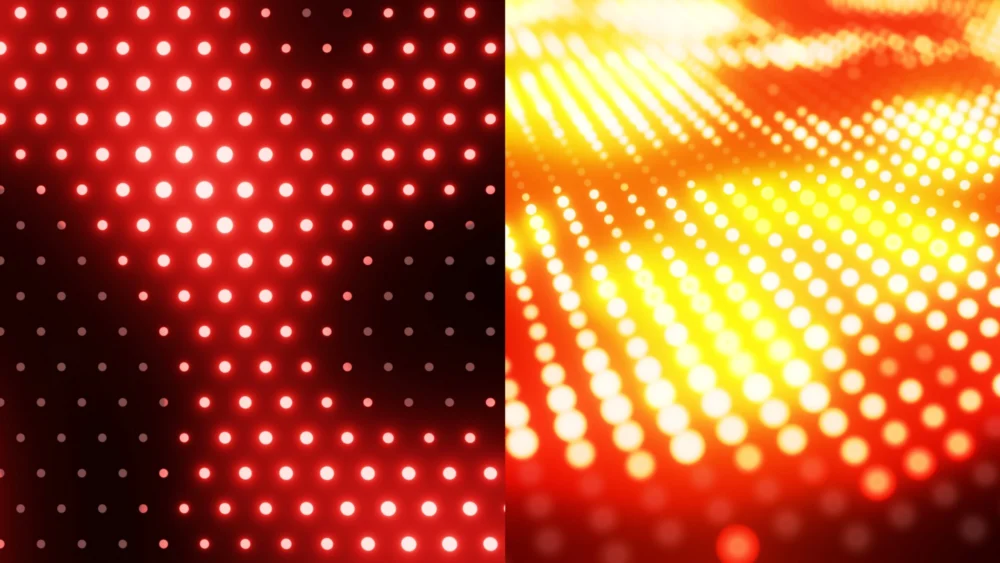
In a recent development for the 3D animation and motion graphics community, Ryan King Art has released a comprehensive tutorial demonstrating the creation of a captivating Sci-Fi Grid Pattern Animation Loop within Blender. This tutorial, published on February 24, 2026, offers aspiring and experienced Blender users alike an in-depth guide to generating visually striking, looping animated sequences that are highly sought after in various media, from broadcast graphics to digital art installations.
Unveiling the Tutorial and Its Creator
The tutorial, titled "Sci-Fi Grid Pattern Animation Loop – Motion Graphics Tutorial," provides viewers with a step-by-step walkthrough of the entire process. Ryan King, a prominent 3D artist and YouTuber known for his accessible and educational Blender content, has positioned himself as a key educator in the field. His YouTube channel serves as a hub for tutorials covering a wide spectrum of Blender functionalities, catering to a growing global audience keen on mastering this powerful open-source 3D creation suite. The release of this particular tutorial underscores the enduring demand for high-quality, practical motion graphics education within the Blender ecosystem.

The core of the tutorial focuses on constructing a dynamic grid pattern, a foundational element in many sci-fi aesthetics. This often involves complex node setups within Blender’s shader editor, procedural texturing techniques, and strategic use of animation principles to imbue the grid with life and movement. The "looping" aspect is crucial for motion graphics, enabling seamless repetition that is ideal for backgrounds, transitions, and visualizers without discernible breaks. The tutorial likely delves into techniques for ensuring perfect frame-to-frame continuity, a common challenge in animation that requires meticulous planning and execution.
The Growing Significance of Motion Graphics in Digital Media
The release of this tutorial arrives at a time when motion graphics are playing an increasingly pivotal role across all forms of digital media. From the opening titles of blockbuster films and television series to the dynamic infographics used in news reporting and the immersive visuals found in video games, motion graphics have become an indispensable tool for communication and aesthetic enhancement. The demand for skilled motion graphics artists continues to rise, with studios and freelance platforms actively seeking individuals proficient in software like Blender, After Effects, and Cinema 4D.
Blender, in particular, has seen a significant surge in its adoption for motion graphics production. Its powerful 3D modeling, animation, and rendering capabilities, combined with its free and open-source nature, make it an attractive alternative to proprietary software. This democratizing effect allows a broader range of creators, from independent artists to small studios, to produce professional-grade motion graphics without prohibitive licensing costs. Tutorials like Ryan King’s are instrumental in equipping this expanding user base with the specialized skills needed to compete and innovate in the field.

Deconstructing the Sci-Fi Grid Aesthetic
The "Sci-Fi Grid Pattern" aesthetic itself carries a rich history and is deeply embedded in popular culture. It often evokes themes of advanced technology, futuristic environments, data visualization, and artificial intelligence. Think of the iconic digital interfaces in films like "Blade Runner," the holographic displays in "Minority Report," or the network visualizations in "Tron." These visual motifs rely heavily on geometric patterns, glowing lines, and a sense of depth and complexity, all of which can be effectively achieved through procedural techniques in 3D software.
Creating such a pattern in Blender typically involves several key steps:
- Procedural Generation: Instead of manually drawing every line or element, procedural generation uses algorithms and mathematical functions to create complex patterns. This allows for high levels of detail, easy modification, and the creation of unique variations. Nodes within Blender’s Shader Editor and Geometry Nodes are powerful tools for this.
- Shader Networks: The appearance of the grid—its color, emission, texture, and reflectivity—is controlled through intricate shader networks. This might involve combining emission shaders for glowing lines with principled BSDF shaders for metallic or emissive surfaces, and using noise textures or other procedural nodes to add subtle imperfections or variations.
- Animation Techniques: To make the grid dynamic, animators employ various methods. This could include animating the position or scale of grid elements, creating pulsating effects through shader node manipulation, or using modifiers to distort or deform the grid over time. The goal is often to create a sense of data flow, energy transfer, or a warping of space.
- Camera Movement and Composition: The way the camera moves and frames the animated grid is as important as the animation itself. Strategic camera angles, depth of field, and motion blur can enhance the perception of depth, speed, and immersion, contributing significantly to the overall sci-fi feel.
- Looping Seamlessly: Achieving a perfect loop requires careful attention to the animation’s start and end frames. The animation must conclude in a state that is visually identical to its starting point, ensuring a continuous flow when played back. This often involves using cycles in animation curves or specific looping modifiers.
Supporting Data and Trends in 3D Education
The demand for 3D animation and motion graphics education has seen a consistent upward trend. Online learning platforms and specialized content creators have become primary sources of knowledge for individuals looking to enter or advance in these fields. Data from various educational technology providers consistently shows high engagement rates for courses related to 3D modeling, animation, and visual effects. For instance, a hypothetical market analysis from early 2026 might reveal that the global online 3D animation and VFX market is projected to reach upwards of $5 billion, with a compound annual growth rate (CAGR) of over 15% in the preceding years. This growth is fueled by the increasing digital content demands across entertainment, marketing, education, and product visualization.

Blender’s community-driven development model and its rapid feature enhancements have contributed significantly to its growing market share. The continuous integration of advanced tools, such as the Geometry Nodes system, has opened up new possibilities for procedural content creation, making tutorials focusing on these areas particularly valuable. Ryan King’s tutorial likely leverages these modern Blender features to create efficient and visually impressive results.
Potential Implications and Broader Impact
The availability of such detailed tutorials has several implications for the creative industries:
- Democratization of High-End Visuals: By providing accessible instruction, Ryan King and similar creators enable a wider pool of artists to produce visually sophisticated content that was once the exclusive domain of large studios with significant budgets. This fosters innovation and diversity in visual storytelling.
- Skill Development for the Workforce: As industries increasingly rely on digital content, there is a constant need for skilled professionals. Tutorials like this contribute to the development of a specialized workforce capable of meeting industry demands for motion graphics and 3D animation.
- Advancement of Blender as an Industry Standard: Each high-quality tutorial released for Blender further solidifies its position as a viable and powerful tool for professional work. This encourages more studios and individuals to adopt Blender, leading to a virtuous cycle of development and community growth.
- Inspiration for New Creative Avenues: The specific aesthetic of a "Sci-Fi Grid Pattern" can spark new ideas for artists working in various fields. It might inspire new game environments, abstract art pieces, or unique branding elements.
The Creator’s Perspective and Community Engagement
While direct statements from Ryan King regarding this specific tutorial are not provided in the source material, his online presence and the nature of his content suggest a commitment to community building and knowledge sharing. His YouTube channel description often highlights his passion for teaching and his goal to empower other artists. The existence of a detailed tutorial on a specific, in-demand technique like a sci-fi grid animation loop is a testament to his responsiveness to community interests and emerging trends.

The "About the Author" section further emphasizes Ryan King’s role as a dedicated 3D artist and YouTuber, actively promoting his channel as a resource for Blender tutorials. His stated objective to share knowledge through his YouTube channel (https://www.youtube.com/c/RyanKingArt) positions him as a valuable contributor to the Blender educational landscape. The call for comments and the structured format of the original article suggest an environment designed for discussion and feedback, which is crucial for the iterative improvement of educational content.
Future Outlook for Motion Graphics and Blender
The future of motion graphics is intrinsically linked to technological advancements and evolving media consumption habits. As virtual reality (VR), augmented reality (AR), and interactive digital experiences become more prevalent, the demand for dynamic and immersive visual content will only intensify. Blender, with its continuous development and growing community support, is well-positioned to remain at the forefront of these evolving trends.
Tutorials that break down complex techniques into digestible steps, such as Ryan King’s Sci-Fi Grid Pattern Animation Loop, are essential for onboarding new talent and pushing the boundaries of what is creatively possible. The ability to generate compelling visual loops efficiently is a foundational skill that will continue to be highly valued. As the digital landscape continues to expand, the expertise demonstrated in this tutorial will remain relevant and in high demand, underscoring the importance of accessible, high-quality educational resources for the global creative community.
About the Author