One year after launching a public pledge to "Share the American Dream," tech entrepreneur and Stack Overflow co-founder Jeff Atwood and his wife, Betsy Atwood, have announced a significant expansion of their philanthropic efforts, committing a total of $71 million towards immediate aid and long-term systemic change. The initiative, anchored by a $50 million dedication, focuses on implementing Guaranteed Minimum Income (GMI) programs in overlooked rural communities across the United States, spearheaded by their newly established Rural Guaranteed Minimum Income Initiative (RGMII). This substantial commitment marks a pivotal moment in their journey to address economic inequality and redefine their legacy through targeted, data-driven philanthropy.
The Genesis of a Pledge: A Year of Philanthropic Action
In January 2025, Jeff Atwood publicly invited Americans to join him and his family in a two-pronged pledge. The first aspect called for immediate support of organizations effectively assisting those most in need across America. The second, more ambitious goal, focused on contributing public dedications of time or funds over the subsequent five years towards longer-term efforts aimed at preserving the American Dream’s fairness and attainability for future generations. This pledge, encapsulated by the phrase "Stay gold, America," reflected a growing conviction within the Atwood family regarding their societal responsibilities.
Initially, their immediate response to urgent needs saw them donate $1 million to eight nonprofit charities. However, witnessing the escalating crises across the nation, they swiftly augmented this commitment, adding an additional $13 million in donations within a few months, bringing the total for immediate aid to $21 million. These initial contributions underscore a responsive approach to pressing humanitarian concerns, channeling funds to established organizations capable of providing direct relief.
From Personal Wealth to Public Good: The "Enough" Question
The philosophical underpinnings of the Atwood’s expansive philanthropy are rooted in a deeply personal reflection on wealth and responsibility. Jeff Atwood frequently cites the quote, "From those to whom much is given, much is expected," attributed to Mary Gates, mother of Bill Gates. This adage, delivered in a specific historical context of growing prosperity, profoundly influenced their perspective.
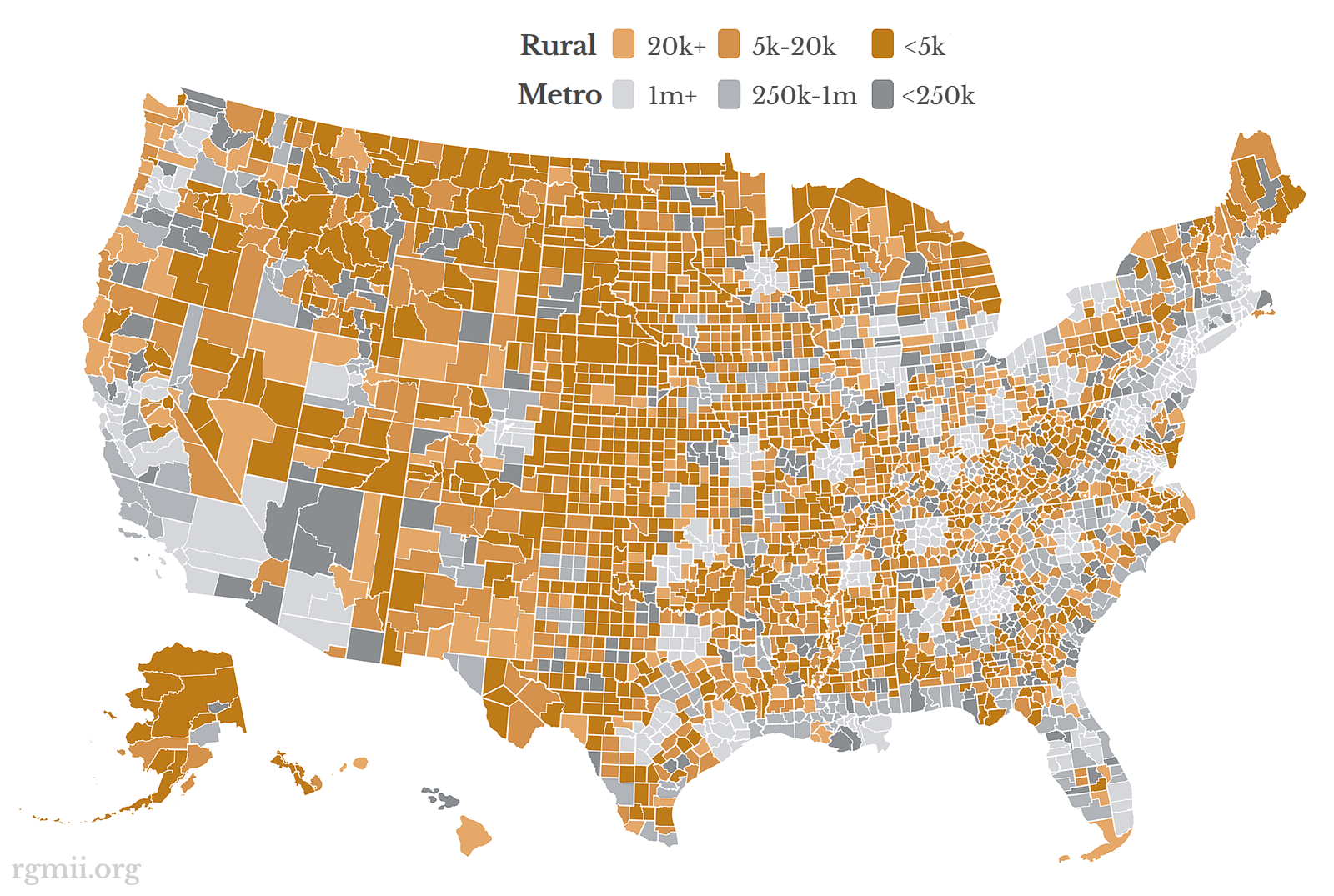
For Betsy Atwood, this philosophy translates into a fundamental question: "We have everything we need; how do we make sure everybody has what they need?" As she articulated in a recent podcast, the basic necessities of life – a comfortable home, sufficient food, and healthcare – should be accessible to all. This sentiment gained particular urgency for Jeff Atwood following the 2021 acquisition of Stack Overflow by Prosus for a reported $1.8 billion, prompting introspection on the concept of "enough." The couple’s belief is that true comfort and stability are not merely personal achievements but a shared societal aspiration. This internal dialogue solidified their resolve to allocate a significant portion of their wealth to address systemic inequities rather than accumulating further personal assets.

Targeting Systemic Issues: The $50 Million Commitment for Long-Term Change
While immediate aid is critical, the Atwoods recognized that a purely reactive approach to societal challenges, akin to "firefighting," is unsustainable. True progress, they contend, requires "fire abatement" – addressing the root causes of poverty and inequality to prevent crises from emerging. This led to the second, longer-term component of their pledge: a $50 million commitment, representing half of their remaining wealth, dedicated to tackling underlying, systemic issues that erode the American Dream.
This substantial pledge necessitated careful consideration of the most effective long-term strategies. Jeff Atwood had initially proposed various speculative ideas, including the establishment of a new organization akin to a modernized RAND Corporation or Lever for Change, designed to empower bright minds to identify realistic pathways to preserve the American Dream for all. By March 2025, a consensus emerged: the optimal vehicle for this long-term impact would be Guaranteed Minimum Income (GMI).
Guaranteed Minimum Income: A Refined Approach to Direct Cash Transfers
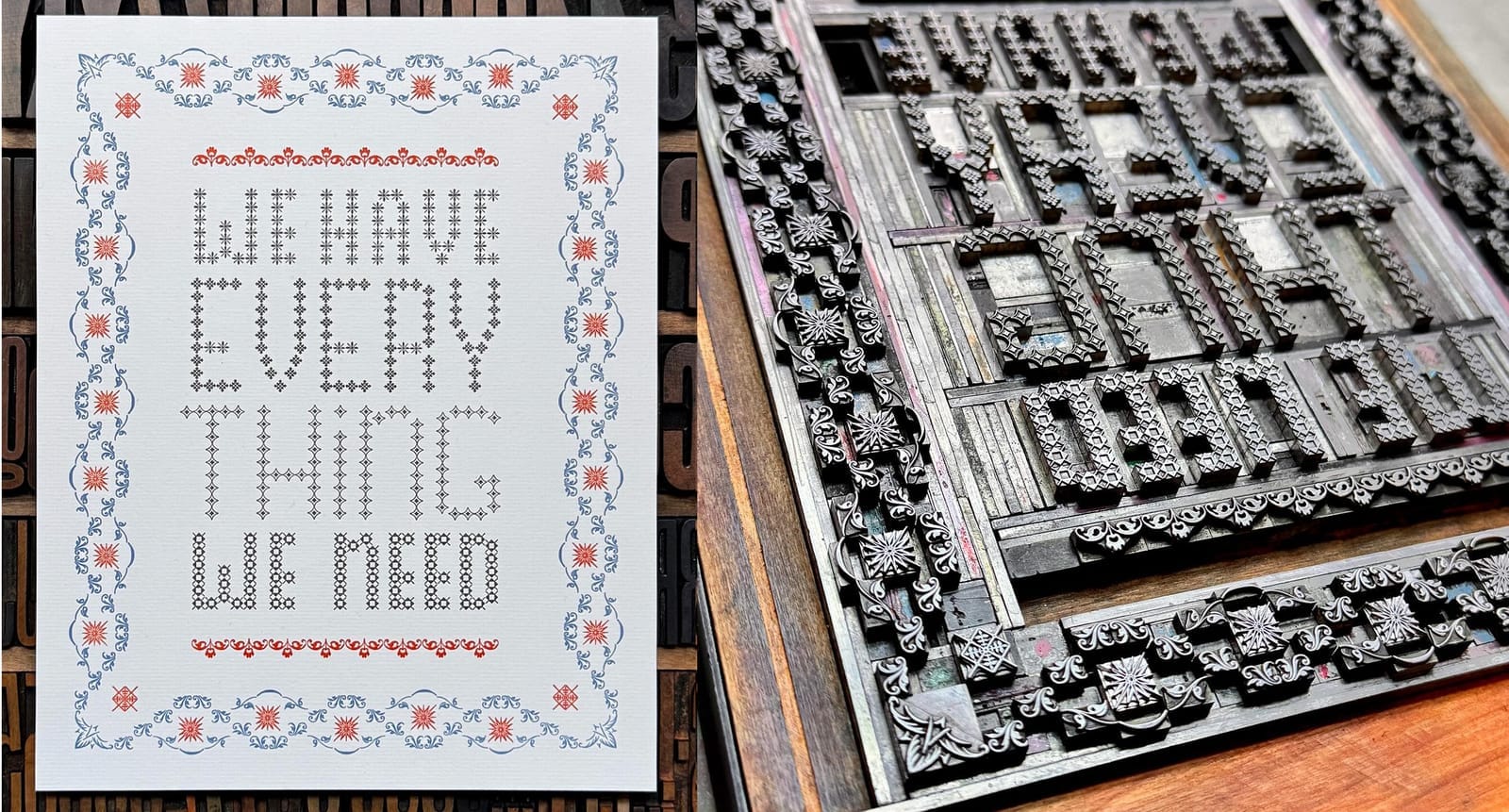
The decision to champion Guaranteed Minimum Income (GMI) reflects a strategic choice to leverage a proven, yet often misunderstood, mechanism for poverty reduction. GMI is a refined version of Universal Basic Income (UBI). While UBI typically involves providing a regular, unconditional income to all citizens, GMI is specifically designed to direct financial assistance towards those who most need it, particularly families experiencing generational poverty. This targeted approach aims to maximize impact by focusing resources where they can alleviate the most acute financial distress and instability.
Proponents of GMI highlight its potential to provide a stable financial floor, enabling recipients to cover basic needs such as housing, food, utilities, and healthcare. Unlike traditional welfare programs that often come with stringent conditions and bureaucratic hurdles, GMI offers recipients the autonomy to spend funds according to their most pressing needs, fostering dignity and self-determination. Data from numerous pilot programs globally and within the U.S. have consistently shown that direct cash transfers lead to improved health outcomes, reduced stress, increased educational attainment, and a boost in local economic activity, often without a significant decrease in work effort. Recipients frequently use the funds for necessities, debt repayment, education, or starting small businesses, thereby fostering long-term stability rather than dependency.
The human impact of such programs is profound. Stacy D., a RISE Recipient in West Virginia, shared her experience: "I have no family up here other than who I brought with me. So, how most people can be like, ‘Hey, I’m having a hard time. Got $20 or a pack of diapers.’ I have nobody up here to do that. So, if me and my husband don’t figure it out, it don’t get figured out." Stacy, a mother of five who had to stop working due to a high-risk pregnancy and subsequently faced a vehicle breakdown, illustrates the precariousness of life for many. For her, the GMI support was not just money; it was the means to get her vehicle back on the road, enabling her to access essentials like groceries and medical appointments for her baby. Her testimony underscores how direct, unconditional cash can provide a critical safety net, allowing individuals to navigate unexpected crises and regain self-sufficiency.
The Rural Focus: Addressing Overlooked Communities

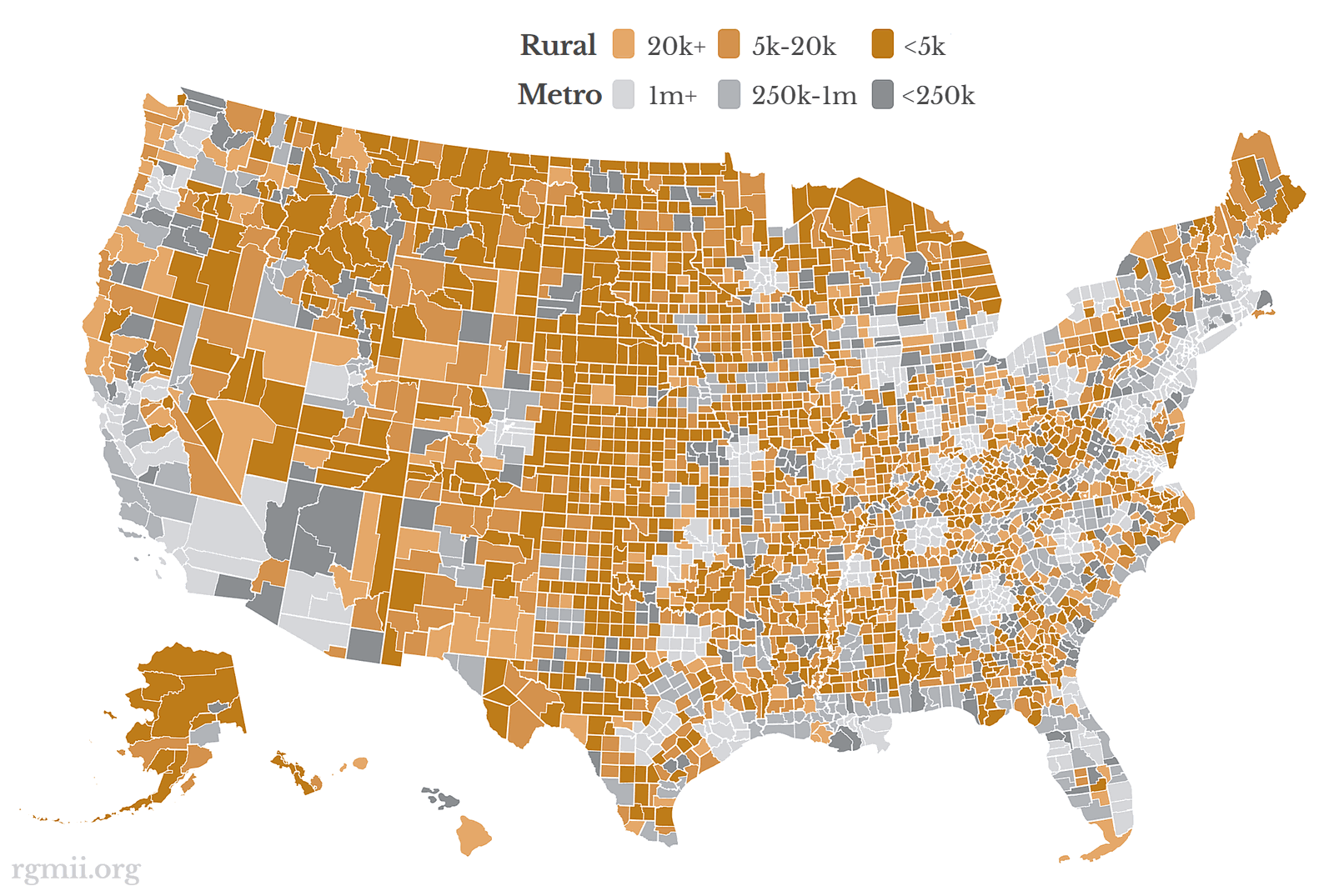
A distinctive feature of the Atwood’s initiative is its specific focus on rural counties. This strategic choice is driven by several factors. Firstly, dollars often stretch further in rural areas due to lower costs of living, potentially allowing the initiative to impact more lives per dollar invested. Secondly, poverty is often more prevalent and deeply entrenched in rural America, where economic opportunities can be scarce, and essential services are limited. According to the U.S. Department of Agriculture, poverty rates in non-metropolitan areas have historically been higher than in metropolitan areas, with particular challenges in areas like the rural South and Appalachia.
Thirdly, the smaller, more tightly knit populations of rural counties lend themselves to more effective and measurable pilot studies, allowing for rigorous data collection and analysis. Finally, Jeff Atwood’s personal connection to rural America – his parents and he are from such areas – fuels his belief in the immense, often untapped talent residing within these communities. Despite their potential, rural counties are frequently overlooked by large-scale philanthropic and governmental initiatives, making them prime candidates for targeted intervention. This focus aims not only to alleviate poverty but also to empower these communities to unlock their inherent potential and foster sustainable development.
The Rural Guaranteed Minimum Income Initiative (RGMII) in Action
Under the umbrella of the Rural Guaranteed Minimum Income Initiative (RGMII), the Atwoods are rapidly advancing their vision. The RGMII is actively funding and implementing county-level programs designed to test and demonstrate the efficacy of GMI in rural settings. As of the latest update, three initial county programs are already underway: Mercer County, West Virginia; Beaufort County, North Carolina; and Warren County, Mississippi.

These pilot programs are meticulously structured to provide financial support to thousands of individuals and families for a period of 16 months. The primary objective is to lift participants out of poverty, stabilize their financial situations, and generate robust, open-access data on the impact of GMI. This data will be crucial for informing policy discussions, educating the public, and encouraging broader adoption of direct cash transfer programs. The RGMII’s ambition extends far beyond these initial sites, with a long-term goal to expand its GMI studies to all 50 states, building a comprehensive body of evidence for a nationwide approach.
Historical and Economic Context of Direct Cash Transfers
The concept of a guaranteed income is not new; its roots can be traced back centuries, with thinkers like Thomas More in "Utopia" (1516) envisioning a society where basic needs are met. In more recent history, figures like Martin Luther King Jr. advocated for a guaranteed income as a means to combat poverty and racial inequality in the 1960s. Even conservative economists like Milton Friedman proposed a negative income tax, a form of guaranteed income, as a more efficient welfare system. In the early 1970s, President Richard Nixon nearly implemented a Family Assistance Plan that included a guaranteed income, underscoring its bipartisan appeal in different eras.
Contemporary interest in GMI and UBI has surged, driven by concerns over automation, widening wealth gaps, and the inadequacy of traditional social safety nets. Pilot programs in cities like Stockton, California; Jackson, Mississippi; and countries like Finland and Kenya have yielded promising results. Common findings include improvements in mental and physical health, increased financial stability, reductions in crime, and no significant evidence of recipients stopping work. In fact, many studies show recipients using the funds to pursue education, start small businesses, or secure better-paying jobs, thereby improving their long-term economic prospects.
While GMI enjoys strong support from a growing body of evidence, it also faces challenges and criticisms. Concerns often revolve around the potential for reduced work incentives, inflationary pressures, and the sheer cost of implementation at scale. However, GMI’s targeted approach, as adopted by the RGMII, aims to mitigate some of these concerns by focusing resources on those most in need, potentially yielding greater returns on investment in terms of poverty reduction and social mobility. The RGMII’s commitment to generating open data is designed to directly address these questions with empirical evidence from diverse rural contexts.
Implications and Future Outlook
The Atwood family’s $71 million commitment represents one of the largest private philanthropic investments in direct cash transfer programs in recent history. This initiative has significant implications for the future of poverty alleviation in the U.S. By focusing on rural areas, the RGMII is not only addressing an often-neglected demographic but also generating unique data that can inform policy decisions tailored to these distinct environments. The open sharing of results and analysis from the county-level studies could provide invaluable insights for policymakers, economists, and other philanthropic organizations considering similar interventions.
This endeavor is positioned by Jeff Atwood as his "third and final startup," signaling a long-term dedication to advancing the concept of direct cash transfer as a fundamental tool for social good. Unlike traditional foundations that might diversify across many causes, the Atwoods’ singular focus on GMI underscores their belief in its transformative power. They frame direct cash transfer not merely as an economic policy but as "perhaps the most radical act of love we can take on," echoing Atwood’s earlier sentiment that "the path of love is the only survivable path." This blend of entrepreneurial rigor, data-driven methodology, and profound personal conviction positions the RGMII to be a significant catalyst in the national conversation around economic justice and the future of the American Dream.
Call to Engagement: Supporting the Initiative
The success and expansion of the Rural Guaranteed Minimum Income Initiative depend on broader engagement and support. The Atwoods are inviting everyone to participate in various capacities. Individuals can contribute by sharing the compelling results and analyses emerging from the RGMII’s studies, learning about the rich history of GMI and its evolution, and engaging with their local and national representatives to raise awareness and advocate for evidence-based policies. Addressing common misconceptions about GMI and UBI is a crucial step in fostering public understanding and acceptance.
For those "to whom much is given" and who are in a position to make a substantial impact, the RGMII offers an opportunity to sponsor county-scale GMI studies in new rural counties. This direct investment would accelerate the initiative’s goal of reaching all 50 states, expanding the scientific understanding of GMI’s effectiveness, and directly lifting thousands more people out of poverty. The RGMII emphasizes that dreams, like happiness, are only truly real when shared, and invites a collective effort to realize a more equitable future. All future GMI-related content and updates will be housed on a dedicated site, rgmii.org, while staygold.us serves as a broader portal for the initiative’s philosophy.
About the Author