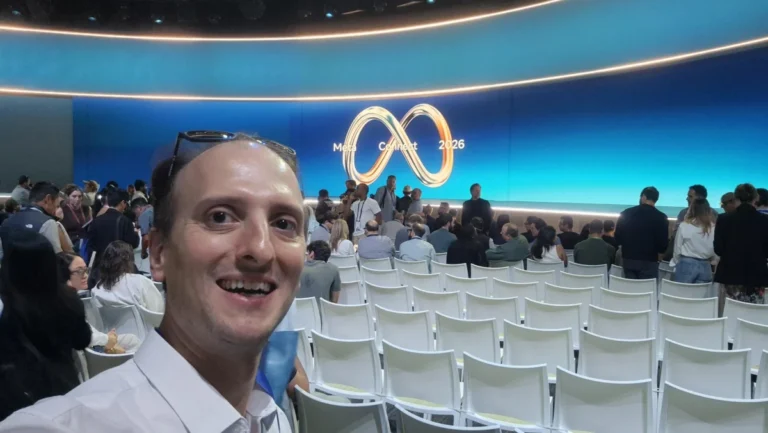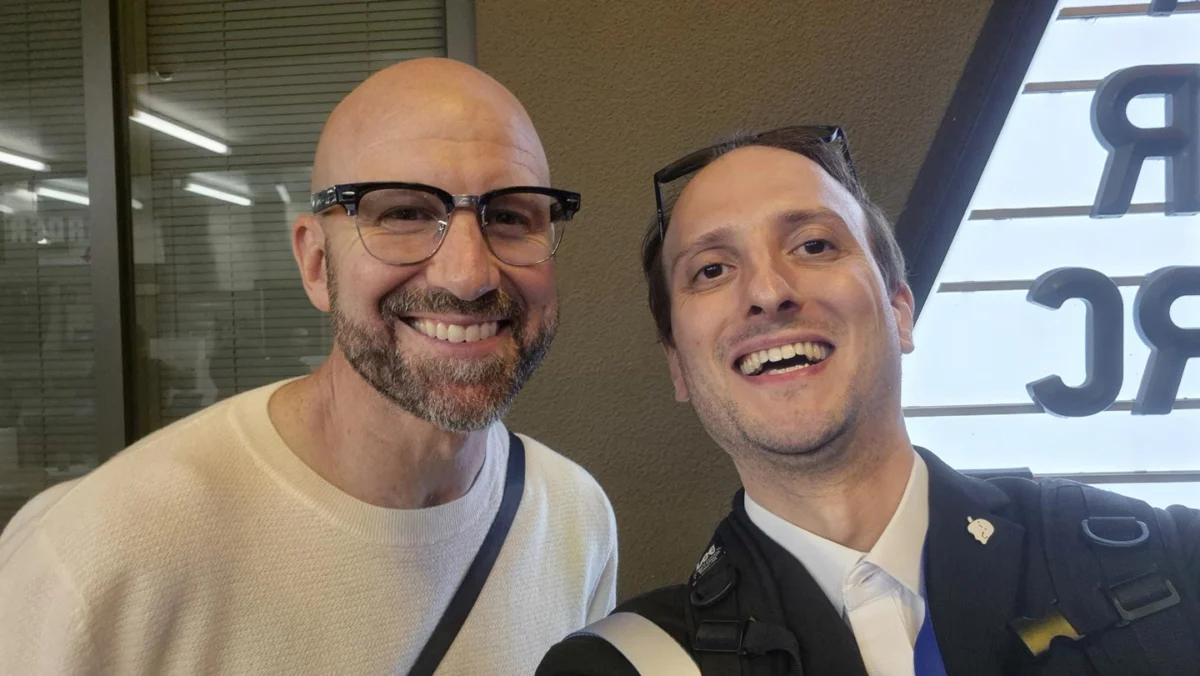
The annual Meta Connect conference serves as the primary stage for Meta Platforms Inc. to signal its long-term trajectory in augmented reality (AR), virtual reality (VR), and artificial intelligence (AI). During the most recent iteration of the event, an impromptu interaction with Meta’s Chief Technology Officer, Andrew "Boz" Bosworth, provided rare, unscripted insights into the company’s internal hardware evaluations and the leadership principles guiding Reality Labs. While the event was characterized by high-production keynotes and controlled product demonstrations, this spontaneous exchange highlighted a significant shift in how Meta perceives consumer demand regarding the balance between price and performance in the XR (Extended Reality) market.
Context and Chronology of Meta Connect Developments
The Meta Connect event was heavily focused on the evolution of wearable technology, specifically the anticipated "Phoenix" hardware project and the latest iterations of the Meta Quest line. For developers and industry analysts, the conference represents the culmination of a year of Research and Development (R&D) and a substantial financial commitment. According to Meta’s financial reports, the Reality Labs division has consistently seen quarterly operating losses in the billions, reflecting the high cost of pioneering the "Metaverse" and AR hardware.
The timeline of the event began with a keynote address by CEO Mark Zuckerberg and CTO Andrew Bosworth, where they emphasized the integration of AI within wearable form factors. Following the keynote, attendees were directed to demo areas. A point of contention among some participants was the restricted access to the "Phoenix" headset, which was showcased via marketing media rather than hands-on live demonstrations for all attendees. It was in the aftermath of these sessions, during an informal networking period, that the interview with Bosworth occurred.

Consumer Preferences: Quest 3 vs. Quest 3S Performance
One of the most significant revelations from the interview concerned the sales performance of the Meta Quest 3 relative to its budget-friendly counterpart, the Quest 3S. Historically, the VR market has been highly price-sensitive, with the Quest 2’s success largely attributed to its accessible $299 price point. However, Bosworth noted a surprising trend in recent consumer behavior that has direct implications for Meta’s future hardware roadmap.
According to Bosworth, internal data indicated that the Quest 3—despite its higher price point—sold nearly as well as the Quest 3S. This parity suggests that the mainstream consumer base is beginning to prioritize "comfort and quality of experience" over raw cost savings. The Quest 3 features pancake lenses and a slimmer profile, which significantly improves the ergonomics and visual clarity compared to the Fresnel lenses used in older or more budget-oriented models.
This data point has empowered Meta to lean further into the development of lightweight AR glasses. Bosworth indicated that the company now has the "confidence" to pursue more ambitious, miniaturized form factors, even if those devices command a premium. The long-term goal remains to drive down the price of this lightweight technology, but the immediate priority has shifted toward perfecting the form factor.
Technical Barriers in Smart Contact Lens Development
The discussion also touched upon the theoretical future of XR: smart contact lenses. While several startups and research institutions have prototyped contact lenses with integrated displays, Bosworth offered a pragmatic assessment of why Meta is currently avoiding this path.

The primary hurdle cited was the requirement for "bulky scleral lenses." To house a battery, a display engine, and wireless communication hardware, a lens must be significantly larger and thicker than a standard corrective contact lens. Scleral lenses cover the entire white of the eye (the sclera) and are generally less comfortable for long-term wear. Furthermore, the power requirements for a display that can compete with ambient light while sitting directly on the cornea present a thermal management challenge that has not yet been solved to Meta’s standards. Consequently, Meta remains focused on "glasses" as the primary near-to-mid-term vehicle for AR.
Leadership and the Role of the CTO
Beyond technical specifications, Bosworth shared insights into his philosophy as the leader of one of the world’s largest engineering organizations. Since taking over as CTO from Mike Schroepfer in 2022, Bosworth has overseen Meta’s transition through the "Year of Efficiency" and the pivot toward generative AI.
Bosworth defined leadership not as a pursuit of popularity, but as the establishment of a consistent vision that employees can trust. He emphasized three core pillars for a successful CTO:
- Visionary Consistency: Ensuring that when a leader is not in the room, the employees still understand the principles and the direction of the project.
- Talent Acquisition: The ability to "sell" a vision to top-tier talent to bring them into the organization.
- Trust in Unpopular Decisions: Acknowledging that a leader must often make difficult choices that may not be well-received by the workforce initially. Bosworth argued that if a leader has built sufficient trust, the team will remain committed even when they disagree with a specific tactical move.
Analysis of Market Implications
The parity in sales between the Quest 3 and 3S marks a potential turning point for the XR industry. For years, the narrative has been that VR is "too expensive" for the average person. If consumers are now opting for the $499–$649 Quest 3 over the $299 Quest 3S, it indicates that the technology has reached a level of utility where users are willing to pay for "premium" features like high-resolution pass-through and better ergonomics.

This shift likely influences Meta’s competitive stance against the Apple Vision Pro. While Apple’s $3,499 device remains in a separate luxury tier, Meta’s move toward high-quality, lightweight hardware suggests they are moving "up-market" in quality while attempting to keep prices within the consumer range.
The success of the Meta Connect demos, which Bosworth noted went "smoothly," is also a critical metric for investor confidence. Following the 2022 "leg-gate" controversy where Zuckerberg’s avatar was mocked for its lack of realism, Meta has been under intense pressure to prove that its multi-billion dollar investment in Reality Labs is yielding tangible, high-quality results.
Conclusion
The impromptu interaction with Andrew Bosworth at Meta Connect provided a candid look at the strategic thinking behind the world’s leading XR company. By prioritizing user comfort and lightweight form factors based on surprising Quest 3 sales data, Meta is signaling a move away from "budget-first" VR toward a "quality-first" AR future. While technical hurdles like those found in smart contact lenses remain, the company’s focus on glasses and premium VR headsets appears to be validated by current market trends. As Meta continues to navigate the complexities of hardware R&D and corporate leadership, the insights shared by its CTO suggest a firm commitment to a vision of wearable, AI-integrated technology that prioritizes the user experience over the lowest possible price point.
About the Author