In a significant philanthropic announcement, renowned tech entrepreneur and co-founder of Stack Overflow and Discourse, Jeff Atwood, has unveiled a sweeping commitment to address what he describes as an "unprecedented point in American history" and a potential erosion of the American Dream. Atwood, through his family, has immediately distributed eight $1 million donations to nonprofit organizations aiding those in urgent need, and has pledged half of his remaining personal wealth over the next five years to long-term initiatives aimed at ensuring all Americans have access to the foundational ideals of the nation. This substantial commitment, catalyzed by concerns over economic inequality, political polarization, and the rising cost of essential services, marks a notable moment in high-impact philanthropy.
The Catalyst: A Nation at a Crossroads
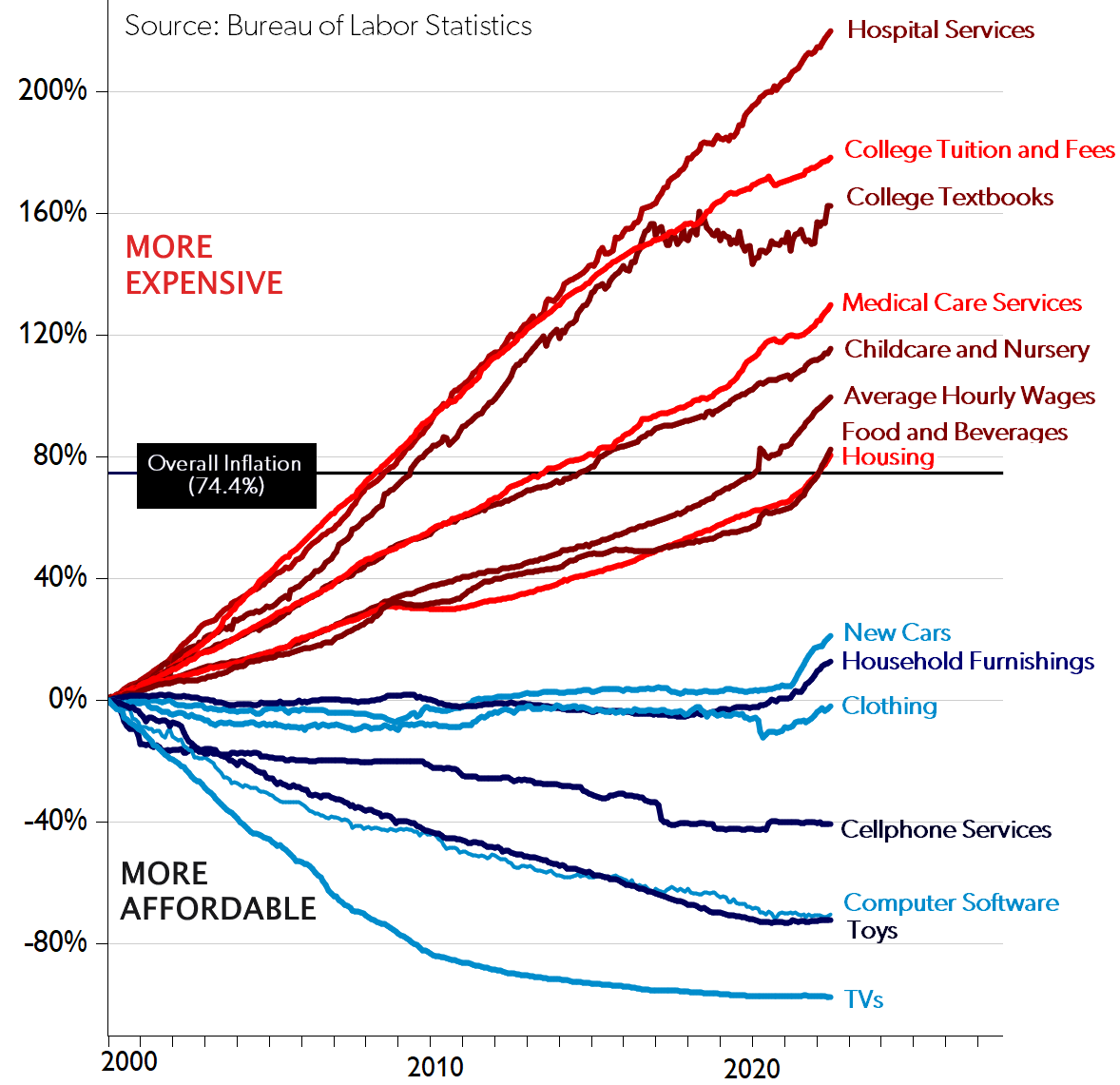
Atwood’s declaration stems from a profound concern that the "American Dream," traditionally defined by the opportunity for upward mobility through hard work, is increasingly out of reach for many. He points to several critical indicators of societal strain, including the soaring costs of healthcare, education, and housing, which have dramatically outpaced wage growth over recent decades. For instance, he highlights that annual college tuition at a state school, which was approximately $3,000 in 1992 when he graduated from the University of Virginia, has ballooned to an average of $23,000 per year today, an eightfold increase that significantly burdens aspiring students.
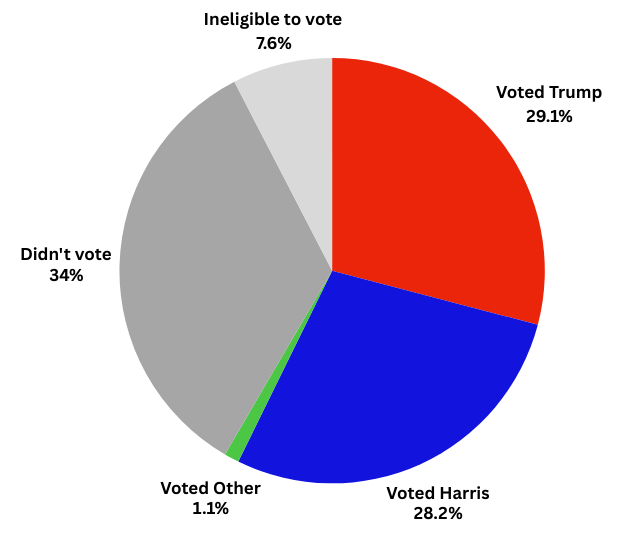
Beyond economic disparities, Atwood expresses deep apprehension regarding the state of American democracy. He cites the November 2024 election as a pivotal moment that underscored widespread disillusionment, noting that 34% of eligible adults did not vote, and an additional 7.6% were ineligible. This translates to nearly 42% of American adults having no say in the electoral outcome, raising questions about voter suppression, gerrymandering, and a general feeling that individual votes lack impact. The entrepreneur believes that many who did vote are signaling a lack of faith in the government’s ability to maintain fairness for all citizens, jeopardizing the nation’s standing as a leading global democracy.
Immediate Impact: $8 Million for Urgent Needs
As an immediate response to current crises, Atwood’s family has already completed eight separate $1 million donations, totaling $8 million, to various nonprofit organizations. These groups are explicitly chosen for their work in supporting Americans facing the most immediate and acute needs. While specific recipient organizations were not detailed in his initial announcement, the focus is clearly on alleviating immediate hardship, reflecting a philosophy that systemic change must be complemented by direct aid. This initial wave of giving underscores a dual approach: addressing present challenges while simultaneously laying groundwork for future solutions.
Long-Term Vision: A Multi-Million Dollar Commitment to Systemic Change
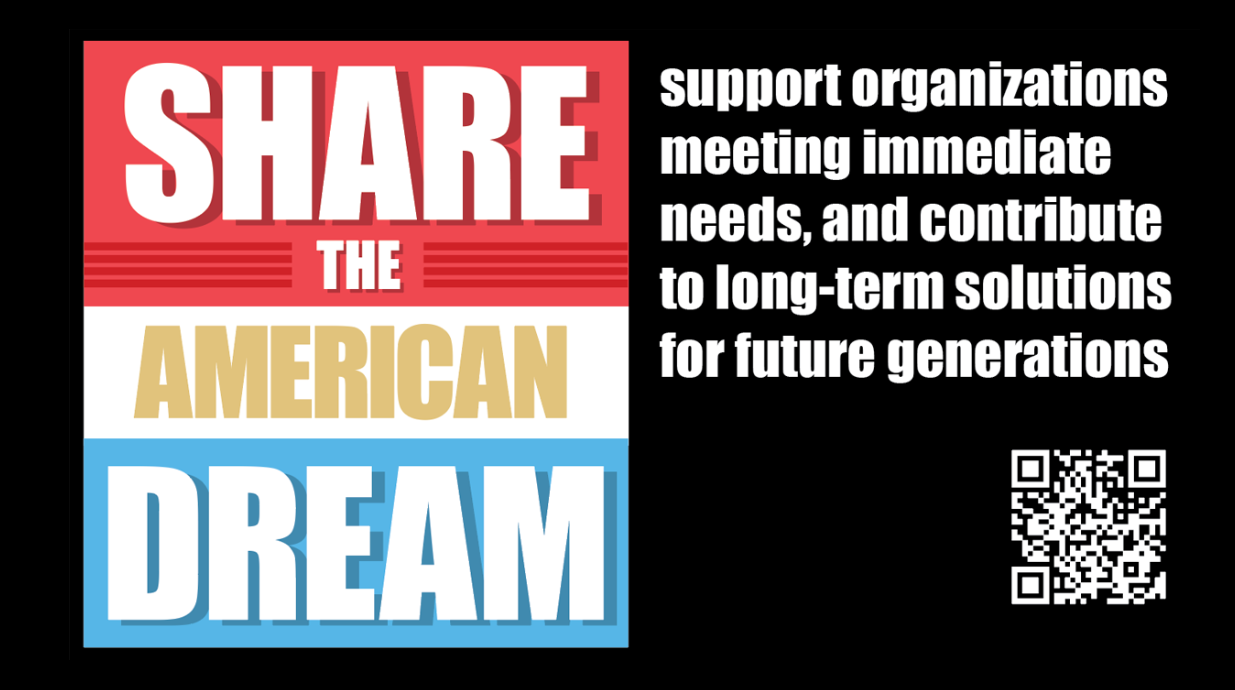
The more extensive and transformative part of Atwood’s pledge involves allocating half of his family’s remaining wealth over the next five years towards long-term efforts. These initiatives are designed to fundamentally address the structural issues that hinder access to the American Dream. Atwood explicitly states that this future giving will be directed towards an "American Dream founded on love," emphasizing empathy, unity, and shared opportunity. This long-term commitment signifies a move beyond traditional charitable donations towards strategic investments aimed at fostering lasting societal improvements, particularly in areas like economic equity, educational access, and democratic reform. He has also committed to advising and empowering others who share this vision, indicating a desire to build a collaborative movement rather than simply writing checks.

Atwood’s Journey: From Humble Beginnings to Tech Success
Atwood’s philanthropic drive is deeply rooted in his personal narrative. He describes a childhood of "hardscrabble rural West Virginia and rural North Carolina origins," where his parents struggled to reach the "bottom of the middle class" amidst personal battles with alcoholism. This challenging upbringing, marked by a parental divorce when he was 16, instilled in him a profound appreciation for resilience and the transformative power of love and support. He credits his parents with teaching him "how to fully, deeply receive love, and the profound joy of reflecting that love upon everyone around you."
His path to success began in public schools in Chesterfield County, Virginia, and culminated in his graduation from the University of Virginia in 1992. During his college years, Atwood worked as a part-time cashier at Safeway, earning the federal minimum wage, and relied on Pell grants, scholarships, and other part-time jobs to cover his "rocky" tuition payments. This experience navigating financial precarity while pursuing higher education provides him with firsthand insight into the struggles many Americans face today, particularly with the drastically increased cost of college.
His professional life saw him co-found Stack Overflow in 2008, a question-and-answer website that became a cornerstone for programmers worldwide, built on a "digital democracy" model of community moderation and content curation. This venture, based on Creative Commons principles, demonstrated the power of collective knowledge. Later, with co-founder Joel Spolsky, he developed Discourse, an open-source tool designed for constructive, empathetic community discussions, further embedding the principles of digital democracy with a crucial element of human connection and managed disagreement. These experiences shaped his belief in community-driven solutions and the importance of empathy in digital interactions, a philosophy he now extends to broader societal challenges.
The Widening Gap: Economic Inequality and Rising Costs
Atwood’s analysis of the current landscape is underscored by stark economic data. Beyond college tuition, he highlights the "huge cost increases for healthcare, education, and housing" as incompatible with the American Dream. This observation aligns with broader economic trends showing that while overall economic productivity has risen, real wages for many have stagnated, and the cost of living has surged.
He is particularly critical of extreme wealth concentration, labeling it "unamerican." Data supports this concern: in 2012, the wealthiest 1% of Americans held 24% of the nation’s wealth, a figure that climbed to 30% by 2021. Globally, the top 1% now possess nearly twice as much wealth as the rest of the world combined. Atwood, despite his own considerable success, expresses discomfort with the detachment that extreme wealth can foster, noting that he no longer has to consider the cost of items, a privilege unavailable to most. This personal realization fueled his conviction that such disparities are unsustainable and undermine the very fabric of American society. He echoes the sentiments of W.E.B. Du Bois, who argued that national prosperity should be measured by "the absence of poverty, the prevalence of health, the efficiency of the public schools," rather than the number of millionaires.
Redefining Democracy: Proposals for a More Inclusive System
Central to Atwood’s vision for revitalizing the American Dream is the reform of the nation’s democratic processes. He advocates for several key changes aimed at increasing voter participation and ensuring greater representation. These proposals include:
- Making Election Day a National Holiday: This would remove a significant barrier to voting for many working Americans, allowing them dedicated time to cast their ballots without fear of job loss or lost wages.
- Universal Mail-in Voting: Expanding access to mail-in ballots could increase convenience and participation, particularly for individuals with mobility challenges, busy schedules, or those living in remote areas.
- Adopting Ranked-Choice Voting (RCV): As implemented in his own Stack Overflow "digital democracy," RCV allows voters to rank candidates by preference rather than choosing just one, potentially leading to outcomes that better reflect the electorate’s collective will and reducing the impact of "spoiler" candidates.
- Strengthening Election Institutions: He calls for reinforcing state and local election boards and the Federal Election Commission to ensure fairness and integrity in electoral processes.
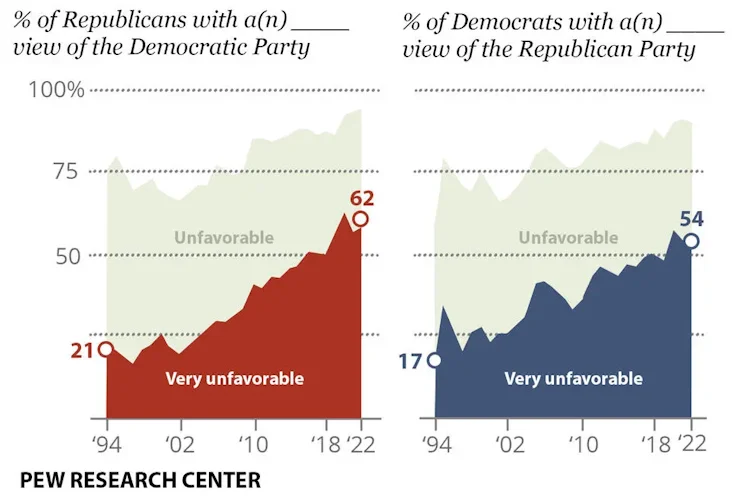
Atwood’s experience in building digital democracies like Stack Overflow and Discourse informs his belief that a more inclusive and empathetic system of governance is not only possible but necessary. He argues that political polarization, currently at historically high levels, is "counterproductive and even dangerous" in a two-party system, preventing meaningful progress and fostering division.
A New Philosophy of Philanthropy
Atwood’s philanthropic approach distinguishes itself from traditional models, particularly his critique of the "incomplete" nature of pledges that defer wealth transfer until death. He references Warren Buffett’s philanthropic pledge, which promises over 99% of his wealth to philanthropy during his lifetime or at death, but notes Buffett’s recent amendment directing his wealth at death to a trust run by his adult children. Atwood emphasizes the urgency of action, stating that the 2024 election "raised the stakes" and compelled him to allocate half his wealth within the next five years, rather than waiting. This philosophy prioritizes timely, impactful giving that can address present challenges and build foundational change while the donor is actively engaged. He intends to retain enough wealth only for his children’s education and housing, reflecting a balance between family provision and broader societal contribution.
The "Stay Gold" Ethos: Sharing the Dream
A profound inspiration for Atwood’s commitment came from attending a high school theater performance of S.E. Hinton’s "The Outsiders." The famous line, "stay gold," resonated with him, evolving from a simple phrase into a deeper understanding: "sharing the American Dream." He interprets this as not merely striving for personal success, but actively lifting others and ensuring the dream remains accessible to all. The play’s director further reinforced this message, highlighting themes of "resilience, empathy, and unity," which Atwood now champions as core to the American Dream.
He connects this ethos directly to the Declaration of Independence’s assertion of "unalienable Rights, that among these are Life, Liberty and the pursuit of Happiness," emphasizing that these ideals must be universally available. However, he acknowledges that the dream’s meaning can be distorted, referencing Jimi Hendrix’s iconic rendition of "The Star-Spangled Banner" at Woodstock as a powerful artistic expression of this struggle. For Atwood, the path forward must embrace "the path of love" over "the path of hate," a choice he believes Americans must actively make to restore the nation’s promise.
Reactions and Broader Implications
Atwood’s significant pledge and outspoken critique of wealth inequality and democratic shortcomings are likely to spark considerable discussion within philanthropic circles, political commentary, and the tech industry. While no official statements from related parties have been issued immediately following the announcement, his actions contribute to a growing trend of tech leaders leveraging their considerable wealth for social impact, often with an emphasis on systemic change rather than traditional charity.
Philanthropic experts may praise his emphasis on timely giving and active engagement, contrasting it with generational wealth transfers that may dilute impact. Political analysts will undoubtedly debate the feasibility and political viability of his proposed electoral reforms, which often face significant partisan opposition. His call for a "digital democracy and empathy" also resonates within conversations about responsible technology and the role of online platforms in shaping public discourse. The Cooper Union talk co-presented with Alexander Vindman, scheduled for March 20th, signals a continued intention to engage with public intellectuals and thought leaders on these critical issues.
Atwood’s commitment represents a substantial personal investment in the future of the American Dream. It serves as a potent call for collective action, urging both individuals and institutions to critically examine the current state of the nation and work collaboratively to build a more equitable, empathetic, and truly democratic society. His journey from humble origins to significant wealth, and his subsequent decision to redirect that wealth towards systemic change, embodies a modern reinterpretation of what it means to achieve and, crucially, to share the American Dream.
About the Author