Jeff Atwood, a prominent figure in the technology sector known for co-founding Stack Overflow and Discourse, has announced a substantial philanthropic commitment, pledging half of his family’s remaining wealth over the next five years to initiatives aimed at preserving and revitalizing the American Dream. This long-term commitment follows an immediate allocation of eight $1 million donations to various nonprofit organizations addressing urgent societal needs. Atwood articulated his decision as a direct response to what he perceives as an unprecedented and concerning juncture in American history, marked by escalating wealth inequality, rising costs of essential services, and deep political polarization.
A Philanthropic Response to a Shifting Landscape
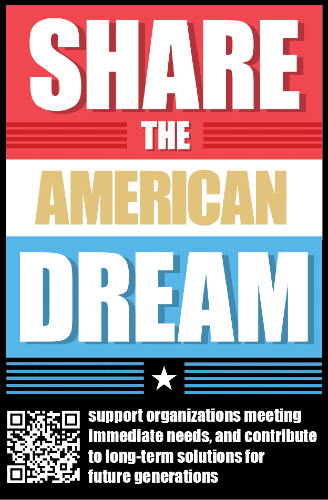
Atwood’s declaration outlines a two-pronged approach to his philanthropic efforts. The initial phase involved the distribution of eight $1 million donations to unspecified nonprofit groups actively working to support individuals facing immediate hardship across America. These contributions are intended as rapid-response aid to pressing issues. The more significant, long-term commitment involves dedicating half of his family’s remaining wealth within the next five years to systemic efforts. While specific beneficiaries for this larger pledge are yet to be fully detailed, Atwood emphasizes a vision of the American Dream "founded on love" and a commitment to empowering others working towards this shared goal. He is scheduled to co-present a talk titled "Rebuilding the American Dream: A Path Forward" with Alexander Vindman at Cooper Union on Thursday, March 20th, at 7 PM eastern time, where further details on these long-term efforts are expected to be discussed.
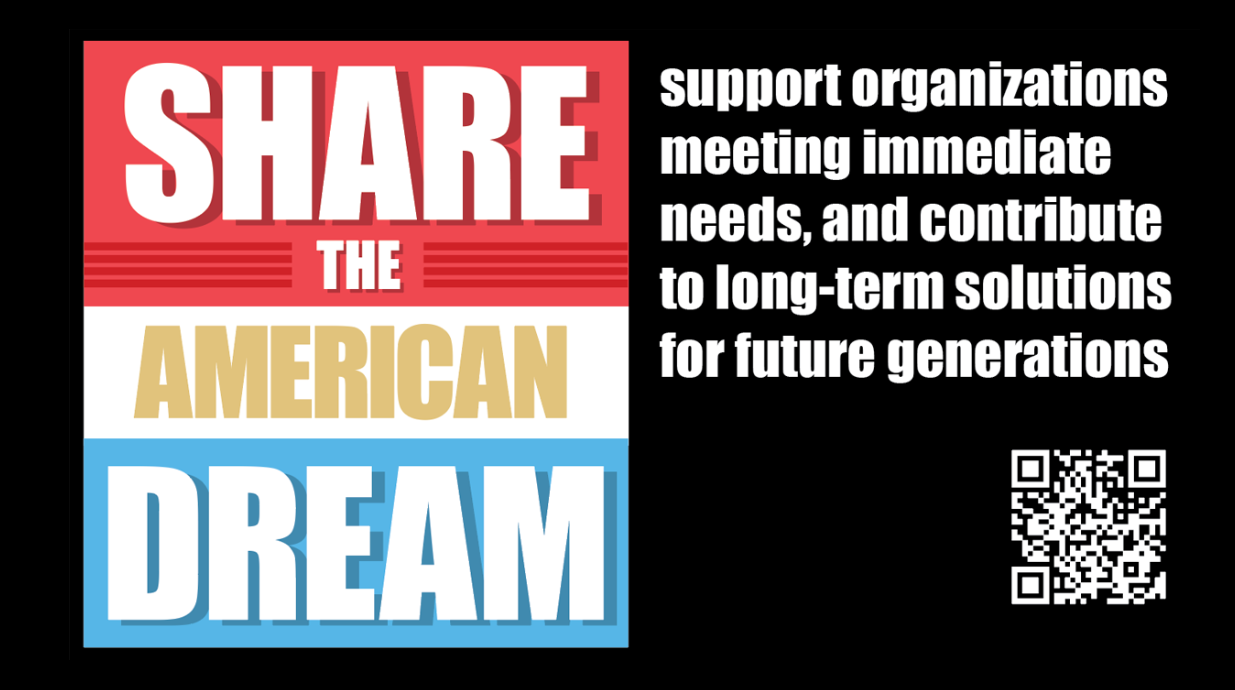
This substantial pledge positions Atwood among a growing number of wealthy individuals who are choosing to disburse a significant portion of their fortunes during their lifetime rather than solely through posthumous trusts. He explicitly references the "Warren Buffett Philanthropic Pledge," which commits over 99% of wealth to philanthropy, but notes his own conviction to accelerate the transfer of wealth, particularly in light of current national challenges. Atwood stated that the results of the November 2024 United States presidential election "raised the stakes," compelling him to act more decisively and expeditiously.
The Erosion of the American Dream: A Personal and Societal Concern
Atwood’s motivation stems from a deeply personal narrative intertwined with broader societal observations. He recounts his upbringing from "hardscrabble rural West Virginia and rural North Carolina origins," where his parents struggled to attain a foothold in the lower middle class. His childhood was marked by parental alcoholism and subsequent divorce, a period he describes as destructive but ultimately leading to healing and sobriety for his family. He credits his parents with teaching him "how to fully, deeply receive love, and the profound joy of reflecting that love upon everyone around you."
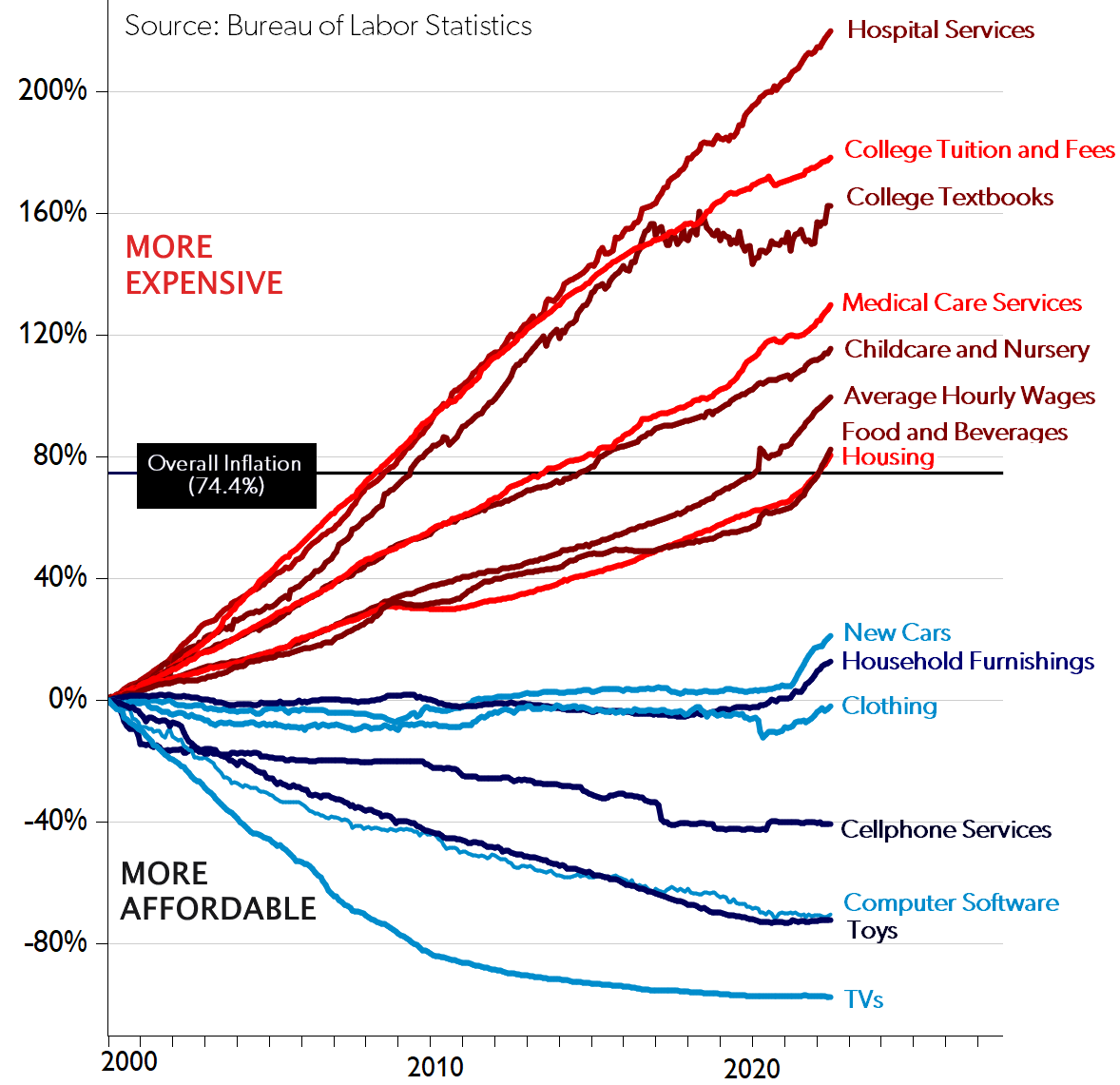
His journey through the American public education system, graduating from the University of Virginia in 1992, further shaped his perspective. He financed his college education through a combination of minimum wage jobs (working as a part-time cashier at Safeway), government Pell grants, and scholarships. He highlights the stark contrast in educational affordability, noting that tuition at a state school like UVA, which was approximately $3,000 per year in 1992, has surged to an estimated $23,000 per year today—an increase of over 700% in three decades. This dramatic escalation in the cost of higher education, alongside rising expenses in healthcare and housing, is cited by Atwood as fundamentally incompatible with the traditional promise of the American Dream, which posits that hard work and determination can lead to upward mobility.

Indeed, data from organizations like the College Board and the National Center for Education Statistics confirm a consistent upward trend in college tuition costs, far outpacing inflation and wage growth. The average annual tuition and fees for in-state public four-year institutions rose from $2,800 in 1992-93 to $11,260 in 2022-23, making higher education increasingly inaccessible for many without significant debt. Similarly, healthcare costs have seen a persistent increase, with national health expenditures projected to grow at an average annual rate of 5.4% from 2022-2031, according to the Centers for Medicare & Medicaid Services (CMS). Housing prices have also surged across the nation, making homeownership, a cornerstone of the American Dream, increasingly out of reach for a significant portion of the population.
Wealth Inequality and the "Unamerican" Nature of Extreme Riches
Atwood’s success as a tech entrepreneur, particularly with Stack Overflow and Discourse, enabled him to achieve significant wealth. He reflects on this achievement, noting that while he was "rewarded handsomely for a combination of hard work and good luck," the experience of accumulating substantial wealth also brought a sobering realization: "the more wealth you attain, the more unmistakably clear it becomes how unequal life is for so many of us." He confesses that his family no longer needs to consider the cost of everyday items, creating an unintentional distance from the realities faced by most Americans.
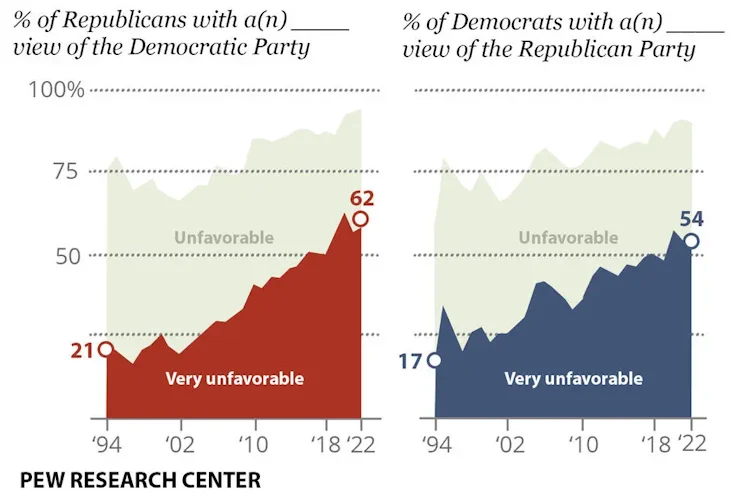
He strongly critiques the extreme accumulation of wealth, stating that "it is, for lack of a better word, unamerican" to be a billionaire. This sentiment resonates with growing public concern over wealth disparities. According to Pew Research Center data, the share of wealth held by the richest 1% of Americans increased from 24% in 2012 to 30% by 2021. Internationally, Oxfam reported that the global top 1% have accumulated nearly twice as much wealth as the rest of the world combined over the past two years. Atwood’s perspective aligns with thinkers like W.E.B. Du Bois, whom he quotes: "We should measure the prosperity of a nation not by the number of millionaires, but by the absence of poverty, the prevalence of health, the efficiency of the public schools, and the number of people who can and do read worthwhile books."
Advocacy for a Stronger Democracy
Beyond philanthropy, Atwood advocates for systemic changes to strengthen American democracy. He expresses concern over declining voter participation and what he perceives as a distorted interpretation of the American Dream following the 2024 election. He highlights that 34% of eligible adults did not vote, and another 7.6% were ineligible (due to non-citizenship or felony convictions), meaning 42% of adults had no say in the election. He raises questions about the causes, including potential voter suppression, gerrymandering, or a pervasive feeling that individual votes do not matter.
To counter these trends and ensure a more representative democracy, Atwood proposes several electoral reforms:
- Making Election Day a national holiday: This would remove work-related barriers to voting, potentially increasing turnout.
- Universal mail-in voting: Expanding access to ballots through mail has been shown in some studies to increase participation.
- Adopting ranked-choice voting (RCV): As implemented in the "digital democracy" of Stack Overflow, RCV allows voters to rank candidates in order of preference, potentially leading to outcomes that better reflect the will of the electorate and reduce "wasted votes."
He also calls for strengthening institutions critical to fair elections, such as state and local election boards and the Federal Election Commission, which play vital roles in overseeing and regulating the electoral process.
Digital Democracy and Empathy: A Blueprint for Connection
Atwood’s professional endeavors with Stack Overflow and Discourse serve as practical examples of his belief in "digital democracy and empathy." Stack Overflow, co-founded in 2008 with Joel Spolsky, was envisioned as a democratic, Creative Commons knowledge base for programmers, where community members voted on the quality of questions and answers and elected moderators using ranked-choice voting. This "digital democracy" proved highly successful, leading to its acquisition for $1.8 billion.
Building on this experience, Atwood co-founded Discourse, an open-source platform designed for constructive, empathetic community discussions. Discourse emphasizes setting community-agreed boundaries and providing tools for democratic governance and strong moderation. He argues that in an increasingly digital world, it is crucial to extend "kindness through that screen," fostering empathy and allowing people to "see each other through our screens" to prevent the dehumanization that often occurs in online interactions. These projects, he states, are "projects for the public good that happen to be corporations," embodying his ideal of building things that "mattered."
Philosophical Underpinnings: "Stay Gold" and the Path of Love
The philosophical foundation of Atwood’s pledge is deeply influenced by various cultural and historical touchstones. He cites the novel The Outsiders, particularly the iconic phrase "stay gold," which he interprets as "sharing the American Dream" after attending a high school play adaptation. The director’s note in the program, emphasizing "resilience, empathy, and unity," resonated with his vision.
He further anchors his belief in the Declaration of Independence, penned by the founder of his alma mater, Thomas Jefferson, with its core tenet of "Life, Liberty and the pursuit of Happiness" for all. However, he acknowledges the historical struggle to live up to these ideals, citing Jimi Hendrix’s 1969 Woodstock rendition of "The Star-Spangled Banner" as a powerful illustration of the "distortion" of the American Dream.
Atwood concludes by framing the current national discourse as a choice between "the path of hate, and the path of love," echoing the sentiments of Dr. Martin Luther King Jr. and other advocates for non-violence and social justice. His family’s pledge of half their remaining wealth is explicitly directed "toward an American Dream founded on love," a clear statement of his chosen path.
Broader Implications and a Call for Unity
Jeff Atwood’s significant philanthropic commitment and public advocacy underscore a growing concern among some successful individuals regarding the long-term viability of the American Dream and the stability of democratic institutions. His call for collective action, both through direct contributions to immediate needs and through sustained efforts for systemic change, represents a challenge to both private citizens and governmental bodies.
The announcement adds to the ongoing national conversation about the role of philanthropy in addressing systemic issues, the responsibility of wealth, and the imperative to bridge widening socioeconomic and political divides. As Atwood prepares to detail the specific long-term efforts his family will support, his actions serve as a prominent example of an individual leveraging personal success to advocate for a more equitable and empathetic future for all Americans. His concluding words, "Stay gold, America," encapsulate a hopeful yet urgent appeal for unity and a renewed commitment to the nation’s founding ideals.
About the Author