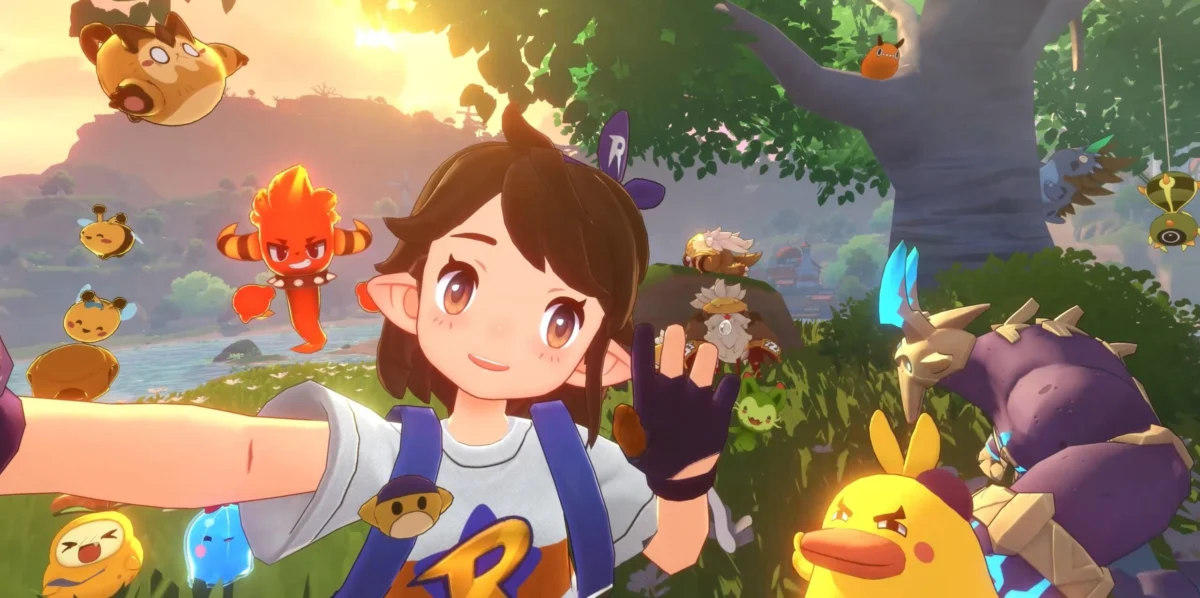
Morefun, a premier development subsidiary of the global technology conglomerate Tencent Games, has officially initiated a strategic expansion for its flagship creature-collecting franchise, Roco Kingdom, targeting a worldwide audience across PC, home consoles, and mobile devices. Originally established in 2010 as a browser-based webgame, Roco Kingdom has evolved into a massive cultural phenomenon in mainland China, boasting a registered user base exceeding 300 million players. This move marks a significant pivot for the studio as it seeks to translate domestic success into a global live-service powerhouse, challenging established leaders in the monster-taming genre.
The announcement follows a highly successful domestic relaunch of the title in China earlier this year, which saw an unprecedented influx of 30 million players within its first week of availability. To facilitate this global transition, Morefun has launched a closed beta testing phase, which commenced on October 27. This testing period serves as the first major opportunity for international players to experience the reimagined world of Roco Kingdom, which blends traditional turn-based combat with contemporary open-world exploration and a "consumer-friendly" monetization philosophy.
A Legacy Reimagined: From Web Browsers to Global Consoles
The Roco Kingdom intellectual property (IP) is a cornerstone of Tencent’s early gaming portfolio. Since its debut 14 years ago, the franchise has expanded far beyond its digital origins, spawning multiple feature-length animated films, television series, and extensive merchandising lines. However, the new version of Roco Kingdom is not a direct sequel to these previous iterations. Instead, the developers describe it as a "reimagination" designed to lower the barrier of entry for both new international players and domestic fans who may have missed the original webgame’s decade-long run.
Narrative director and localization lead Xiaoye emphasized that while the game pays homage to its roots, it is structured as a fresh start. This design choice is intended to ensure that players unfamiliar with the 2010 webgame or the subsequent films can engage with the story and world-building without feeling alienated by years of dense lore. The studio’s goal is to create a universal entry point that honors character inspirations and thematic elements while utilizing modern development tools to provide a high-fidelity experience.
Gameplay Mechanics: Bridging Traditional Combat with Open-World Freedom
At its core, Roco Kingdom utilizes a turn-based combat system, a hallmark of the creature-collecting genre. However, this classic approach is integrated into a vast, seamless open world that encourages exploration and environmental interaction. The game features creatures known as "Jinies," with Morefun confirming that over 400 unique species will be available at the time of the full release.
The decision to retain turn-based combat was a strategic one, according to the development team. While real-time action has become prevalent in modern RPGs, Morefun believes that the slower-paced, tactical nature of turn-based battles is exceptionally well-suited for touchscreen interfaces on mobile devices. Despite this mobile-centric optimization, the game will offer full controller support for PC and console users, ensuring a consistent experience regardless of the chosen hardware.
The open-world component is designed to facilitate both solo play and social interaction. Players can traverse diverse biomes to discover rare Jinies, solve environmental puzzles, and engage in "live service" events that are expected to keep the world dynamic. This blend of traditional mechanics and modern world design is a calculated attempt to appeal to the demographic that enjoys the strategic depth of classic monster-tamers while demanding the visual and exploratory scale of current-generation titles.
The Strategic Shift in Monetization: Prioritizing Fairness Over Gacha
One of the most significant departures from current industry trends is Roco Kingdom’s approach to monetization. In an era where many free-to-play RPGs rely heavily on "gacha" mechanics—randomized loot boxes for characters or items—Morefun is positioning Roco Kingdom as a more equitable alternative. The studio has pledged that there will be no "pay-to-win" gacha systems, particularly in the competitive Player-vs-Player (PvP) segments of the game.
According to Xiaoye, the monetization strategy is focused exclusively on cosmetic items and a seasonal battle pass. Crucially, access to Jinies will not be paywalled. In a unique social mechanic, Morefun revealed that if a specific Jiny is featured within a premium battle pass, players who have not purchased the pass can still obtain the creature by visiting the world of a friend who has. This "social catching" feature is intended to foster community engagement and mitigate the pressure on players to spend money to maintain competitive parity.
"We don’t want players to feel a huge pressure into spending to keep up," Xiaoye stated, reinforcing the studio’s commitment to a level playing field. This philosophy is likely a response to growing player fatigue regarding aggressive monetization in the mobile and live-service sectors, potentially giving Roco Kingdom a competitive edge in Western markets where regulatory scrutiny of loot boxes is increasing.
Technical Integration and Global Synchronization
To support its multi-platform ambitions, Roco Kingdom will launch with full cross-play and cross-save functionality. This allows players to switch seamlessly between mobile devices for on-the-go play and PC or consoles for a more immersive home experience. Morefun has stated that the game is "100% optimized" for mobile, ensuring that the visual fidelity of the open world does not compromise performance on handheld hardware.
A major challenge for Chinese developers expanding globally is content synchronization. Often, the domestic version of a game receives updates months or even years before the international version. Morefun intends to minimize this gap, with plans to synchronize content updates between the Chinese and global versions within three months of the full launch.
The current closed beta is specifically focused on refining the user interface (UI) and localization. The studio is closely monitoring feedback to see how UI elements that were successful in the Chinese market translate to global sensibilities. This includes the "culturalization" of Jiny names and lore to ensure they resonate with diverse linguistic and cultural backgrounds.
A Measured Roadmap: Testing Phases and the 2027 Full Release
While the initial domestic relaunch saw massive numbers, Morefun is taking a cautious and methodical approach to the global rollout. The first closed beta test is scheduled to run for approximately 30 days, providing the developers with critical data on server stability, gameplay balance, and localization quality.
The studio has confirmed that at least one additional major testing phase will occur before the game reaches its final state. The target window for the full global release is set for the middle of 2027. This extended development timeline suggests that Tencent is prioritizing quality and market readiness over a rushed launch, likely aiming to ensure the game can compete with high-budget titles from established Western and Japanese developers.
Chronology of Development and Major Milestones
- 2010: Roco Kingdom launches as a web-based Flash game in China, quickly becoming a leading title for younger demographics.
- 2011–2023: The IP expands into a multi-media franchise, including five animated feature films and several television seasons.
- Early 2024: Morefun announces a modern, open-world reimagining of the game for PC, console, and mobile.
- Summer 2024: Roco Kingdom makes its international debut at the Gamescom Opening Night Live event, signaling Tencent’s global ambitions.
- October 2024: The first global closed beta test begins, focusing on localization and UI.
- 2025–2026: Expected subsequent beta phases and regional stress tests.
- Mid-2027: Projected full global launch across all confirmed platforms.
Market Context and Industry Implications
Tencent’s push with Roco Kingdom comes at a time of significant transition in the gaming industry. Chinese developers are increasingly moving away from mobile-exclusive titles toward high-budget, multi-platform releases—a trend exemplified by the recent success of Black Myth: Wukong and the ongoing dominance of Genshin Impact.
By leveraging the established Morefun studio—which has a proven track record with titles like Arena Breakout: Infinite and Naruto Mobile—Tencent is signaling its intent to dominate the "creature-collection" space, a genre historically controlled by Nintendo’s Pokémon franchise. The emphasis on "fair play" and "no pay-to-win" is a strategic maneuver to capture a more mature, core gaming audience that may be skeptical of traditional mobile gaming tropes.
As the closed beta progresses, the industry will be watching closely to see if Roco Kingdom can maintain the momentum of its 30-million-player Chinese debut on a global stage. If successful, it could redefine the monetization standards for large-scale live-service RPGs and solidify Tencent’s position as a leader in high-fidelity, cross-platform gaming.
About the Author