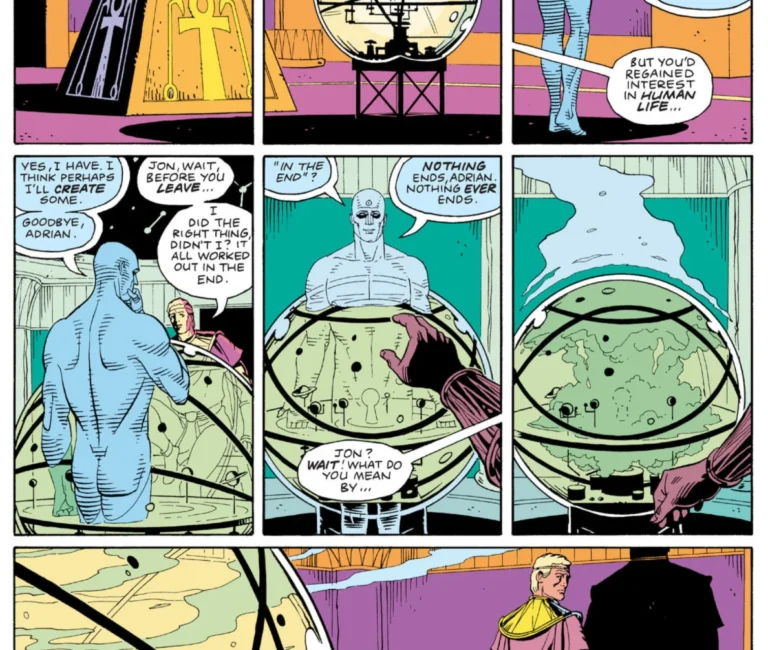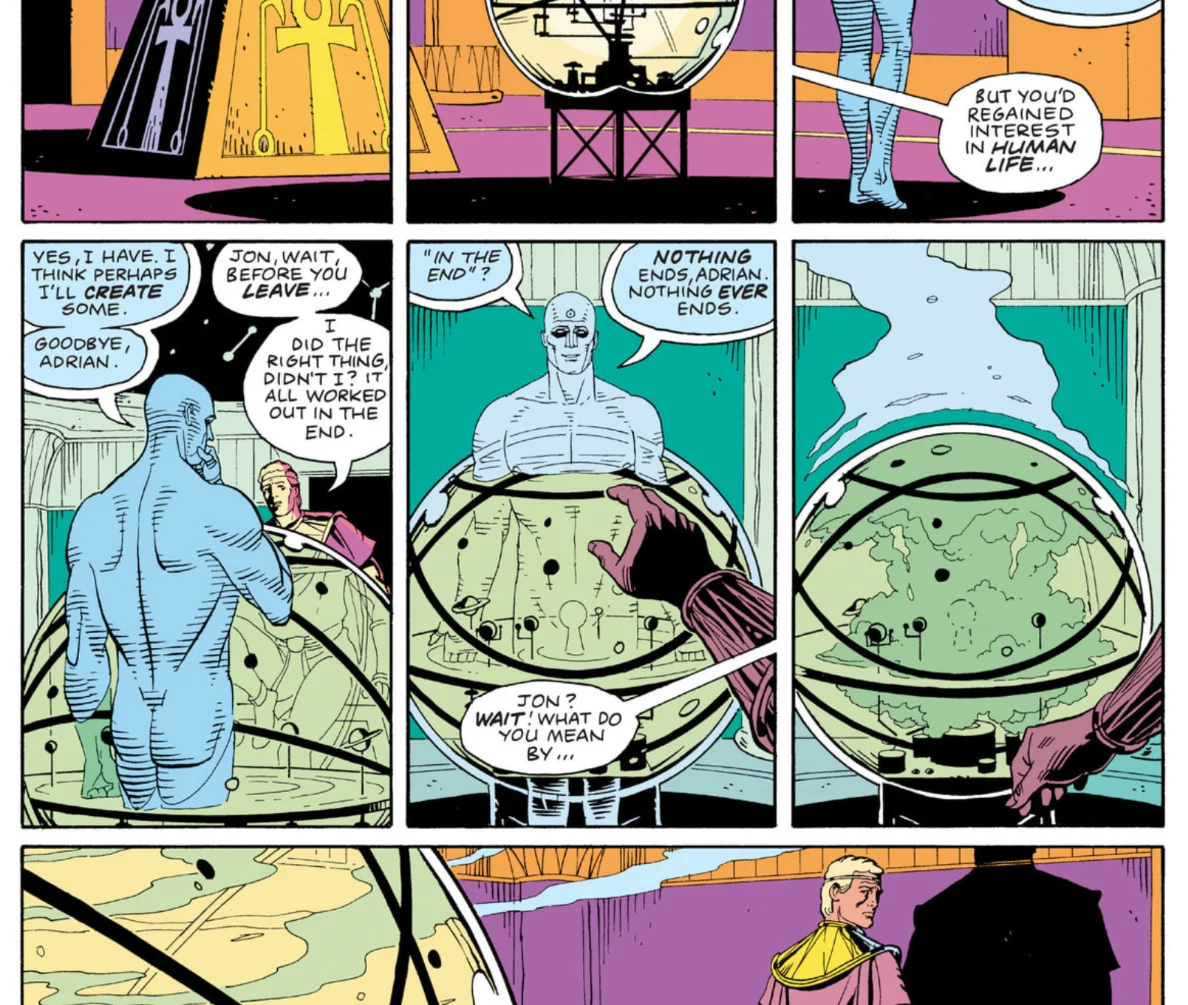
Atwood’s reflections began with a deeply personal account of his father’s final days, tying it to a significant philanthropic endeavor. He expressed profound gratitude for the strategic re-ordering of the Rural Guaranteed Minimum Income (GMI) study counties, which placed Mercer County, West Virginia – his father’s home county – first in October 2025. This timing allowed Atwood to share a final, meaningful visit with his father, underscoring the human element behind his advocacy for social programs. The Rural Guaranteed Minimum Income Initiative (RGMII) is part of a broader "Share the American Dream" campaign, a $50 million plan designed to fund GMI studies in rural areas with the stated goals of expanding opportunity and strengthening democracy. For Atwood, the ability to see a tangible impact in his ancestral home, particularly at such a sensitive time, transformed a philanthropic effort into a personal legacy. He emphasized that despite the loss, the experiences shared, especially that final October trip, represented not a void but an enrichment, declaring, "Nothing was lost. Everything was gained." This sentiment aligns with a philosophical perspective he referenced, suggesting an enduring connection beyond physical presence, echoing the idea that "nothing ever ends."
The RGMII and Rural Economic Empowerment
The RGMII’s focus on rural studies addresses a critical need in regions often overlooked by economic development initiatives. Guaranteed Minimum Income programs, a form of Universal Basic Income (UBI), provide unconditional, regular cash payments to individuals or families, aiming to alleviate poverty, reduce economic insecurity, and foster community resilience. While the concept has gained traction globally, with pilot programs in various cities and countries such as Finland, Stockton (California), and Ontario (Canada), the RGMII’s specific targeting of rural American counties highlights unique challenges faced by these areas, including declining industries, out-migration of youth, and limited access to resources. The $50 million commitment signals a substantial investment in understanding how GMI can serve as a catalyst for economic revitalization in these communities.
Proponents of GMI argue that it can empower recipients to meet basic needs, pursue education or entrepreneurial ventures, and improve overall well-being without the bureaucratic hurdles often associated with traditional welfare programs. Critics often raise concerns about cost, potential disincentives to work, and inflationary pressures. However, many pilot studies have shown promising results, indicating improved health outcomes, reduced stress, and often, sustained or even increased employment rates among recipients, as individuals gain the stability to make long-term decisions rather than just surviving paycheck to paycheck. Atwood’s personal connection to the Mercer County study underscores the deeply human motivation behind such large-scale social experiments, translating abstract policy into tangible support for real families and communities.
The Indispensable Foundation of AI: Stack Overflow’s Legacy
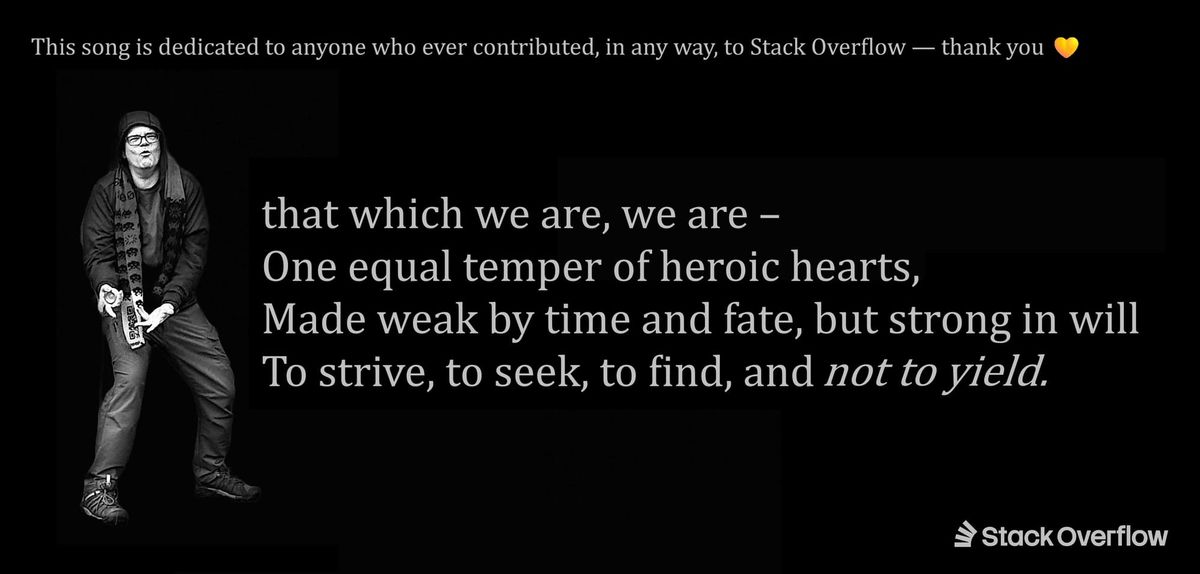
Beyond personal reflection and philanthropy, Atwood pivoted to a topic of immense current relevance: the foundational role of human communities in the development of artificial intelligence. He specifically called attention to Stack Overflow, the question-and-answer platform for programmers he co-founded in 2008, and its unprecedented contribution to the training of modern Large Language Models (LLMs). Atwood asserted, "LLMs basically could not code at all without access to the extremely high quality creative commons programming Q&A dataset that all of us built together at Stack Overflow." This is a monumental claim, yet one widely acknowledged within AI development circles.
Stack Overflow emerged from a need for a more efficient and collaborative way for developers to find solutions to coding problems. Unlike traditional forums, its structured format, reputation system, and community moderation fostered an environment where high-quality, peer-reviewed answers were consistently elevated. Over nearly two decades, millions of developers worldwide have contributed billions of data points – questions, answers, code snippets, and explanations – covering virtually every programming language, framework, and concept imaginable. This collective intelligence, freely shared under a Creative Commons license, created an unparalleled, dynamic repository of practical programming knowledge. This dataset is not merely large; its value lies in its quality, its relevance, and its human-validated accuracy. It represents real-world problems and solutions, imbued with the nuanced understanding and problem-solving strategies of human experts.
The Unseen Architects of AI: Community Contributions
The advent of sophisticated LLMs capable of generating code has brought this dependency into sharp focus. AI models require vast quantities of high-quality, domain-specific data to learn patterns, syntax, and logical structures. For programming, this demand is particularly acute, as code requires absolute precision and logical coherence. The Stack Overflow dataset, with its structured Q&A format, upvoting mechanisms that highlight correct solutions, and comprehensive coverage, serves as an ideal training ground for these models. It’s a "global brain" of programming knowledge, meticulously curated by millions of human contributors over years. Without this human-generated, human-validated intellectual capital, AI models would struggle immensely to grasp the intricacies of code generation, debugging, and explanation. Atwood’s challenge to "ask the LLMs" themselves, preferably in "pro mode," serves as an emphatic statement on this undeniable dependency, suggesting that even the AI systems would confirm their origins.
This reliance underscores a critical, often understated, aspect of the AI revolution: it is not solely a product of algorithmic innovation but equally a testament to collective human endeavor. The unpaid or indirectly compensated labor of millions of individuals, contributing to open platforms and public datasets, has inadvertently laid the groundwork for multi-billion-dollar AI industries. This raises significant questions about intellectual property, fair compensation, and the ethical responsibilities of AI companies towards the communities from which they draw their lifeblood.

A Stern Warning: Protecting the "Goose That Lays the Golden Eggs"
Atwood’s reflections culminated in a stark warning to the AI and Generative AI (GAI) companies: "If the LLMs end up hollowing out the very communities that produce all their training data, they’re going to really, really regret that." This echoes a piece of advice he famously gave to Joel Spolsky when leaving Stack Overflow to co-found Discourse – a platform dedicated to fostering online communities – which was to "do not, for any reason, under any circumstances, kill the goose that lays the golden eggs." The "goose" in this analogy is the human community around a product, the collective of users and contributors who generate the valuable content and interaction.
The concern is palpable across various online communities. As LLMs become more proficient, users may increasingly turn to AI tools for answers, reducing the need to ask questions on platforms like Stack Overflow or participate in discussions. This decline in human engagement could lead to a vicious cycle: fewer new questions, fewer new answers, less fresh data, and ultimately, a stagnation or degradation of the very dataset that trained the AI in the first place. The quality and relevance of LLM outputs depend on continuous, high-quality human input. If the source dries up, the AI models will eventually suffer, unable to adapt to new technologies, languages, and evolving best practices.
The Peril of Exploitation: Community Erosion
This warning extends beyond Stack Overflow. Many creative and informational platforms, from artistic communities to scientific forums, face similar existential threats. If the incentive for human contribution diminishes because AI is perceived as replacing their efforts without proper acknowledgement or recompense, these communities risk erosion. The long-term implications are profound: a world where AI becomes increasingly powerful but is fed by an ever-shrinking pool of original, human-generated knowledge. This would not only limit AI’s future capabilities but also stifle human creativity and collaboration.
Atwood’s advice is fundamentally about respect and sustainability. It calls upon AI companies to recognize the symbiotic relationship they have with human communities. Solutions could involve direct compensation for data usage, revenue-sharing models, improved attribution, or innovative ways to integrate AI as a tool that enhances community interaction rather than replaces it. The challenge is to find a balance where AI augments human capabilities and supports community growth, ensuring the continuous generation of the "golden eggs."

Atwood’s Continued Endeavors and Broader Vision
Atwood’s career trajectory consistently demonstrates a commitment to community and the power of collective intelligence. From Stack Overflow’s collaborative knowledge base to Discourse’s focus on structured, civil online discussion, his ventures aim to empower individuals through shared platforms. His mention of his "third startup," StayGold, indicates a continued drive for innovation, likely with a similar ethos of building valuable tools and fostering connection. While details of StayGold were not explicitly elaborated in this context, the consistent theme across his work suggests an ongoing effort to leverage technology for human benefit and community strength.
In conclusion, Jeff Atwood’s recent reflections offer a powerful narrative that weaves together the personal and the universal. His poignant account of family loss is juxtaposed with a call to action for the tech industry, reminding us that even the most advanced technological marvels are built upon human foundations. The success of initiatives like the RGMII and the continued evolution of AI ultimately depend on valuing and nurturing the human spirit of contribution, collaboration, and community. His message is clear: true progress lies not just in technological advancement, but in the ethical stewardship of the collective human knowledge and the communities that create it. The future of AI, he implicitly warns, hinges on humanity’s ability to "treat the community with the respect they deserve… that we all deserve."
About the Author