The landscape of social media has undergone a profound transformation following Elon Musk’s acquisition of Twitter, a seismic shift that has led many long-time users and observers to declare the platform fundamentally altered, if not entirely dismantled, from its previous iteration. What was once widely regarded as a vital global town square for real-time information exchange and discourse has, under new ownership, navigated a tumultuous period marked by drastic operational changes, content moderation controversies, and a significant rebranding, prompting a broader re-evaluation of centralized digital platforms and a renewed interest in decentralized alternatives.
A Chronology of Transformation: From Twitter to X
The journey of Twitter under Elon Musk began in earnest in April 2022, when the billionaire entrepreneur, CEO of Tesla and SpaceX, announced his intention to acquire the company for approximately $44 billion. This initial announcement sent shockwaves through the tech world and public sphere, immediately raising questions about the future direction of the platform, particularly concerning its content moderation policies and business model. Musk positioned himself as a "free speech absolutist," critical of what he perceived as excessive censorship and bias on the platform.
The acquisition process was fraught with drama. Musk initially wavered, citing concerns about the prevalence of bot accounts, leading to a legal battle. However, by October 2022, he ultimately completed the purchase. His immediate actions were indicative of the radical overhaul to come. Within days of taking control, Musk dissolved the board of directors, appointed himself CEO, and initiated widespread layoffs, dramatically reducing the company’s workforce by an estimated 50% or more across various departments, including critical engineering, content moderation, and policy teams. This rapid restructuring immediately sparked concerns about the platform’s stability, security, and ability to combat misinformation and hate speech.
Key policy changes followed swiftly. The rollout of "Twitter Blue," a subscription service offering verification checkmarks, was particularly contentious. Previously a symbol of authenticity for public figures and organizations, the blue checkmark became purchasable, leading to a surge in impersonation and misinformation, particularly during critical news events. Advertisers, a crucial revenue source for the platform, began to express unease, with many pulling their campaigns amidst concerns about brand safety and the proliferation of harmful content. Reports indicated a significant drop in advertising revenue, further exacerbating the platform’s financial challenges.
Late 2022 and early 2023 saw continued turbulence. Musk reinstated numerous controversial accounts that had previously been banned for violating Twitter’s terms of service, including those associated with far-right extremism and conspiracy theories. This move was justified under the banner of free speech but drew widespread condemnation from civil rights groups and international organizations, who warned of a potential rise in hate speech and incitement to violence. Simultaneously, the platform’s API access, vital for third-party developers and researchers, was severely restricted or made prohibitively expensive, crippling many independent applications and academic studies that relied on Twitter data.

The most significant symbolic change arrived in July 2023 with the abrupt rebranding of Twitter to "X." The iconic blue bird logo was replaced with a minimalist ‘X,’ signifying Musk’s ambition to transform the platform into an "everything app" encompassing payments, messaging, and various other services, akin to China’s WeChat. This rebranding was met with mixed reactions, with many users lamenting the loss of Twitter’s established identity and questioning the strategic rationale behind such a drastic change.
The Erosion of a Digital Public Square
Before Musk’s takeover, Twitter occupied a unique and influential position in the global digital landscape. Launched in 2006, it evolved into a powerful microblogging platform that facilitated real-time news dissemination, political discourse, social movements, and cultural conversations. Its brevity (initially 140 characters, later expanded to 280) fostered concise communication, making it an indispensable tool for journalists, activists, politicians, and everyday users to connect, share information, and organize. Despite its perennial challenges with moderation, misinformation, and online harassment, it had cultivated a vast and diverse user base, becoming a de facto digital public square for many.
Musk’s stated rationale for acquiring Twitter was multifaceted. He frequently voiced concerns about what he termed the "woke mind virus," suggesting that the platform’s content moderation policies were biased against conservative viewpoints and stifled free expression. His vision was to create a platform where all legal speech was permitted, echoing a belief in absolute free speech that often overlooks the complexities of platform governance, the spread of misinformation, and the potential for harassment and abuse. This ideological stance directly informed many of his subsequent policy decisions.
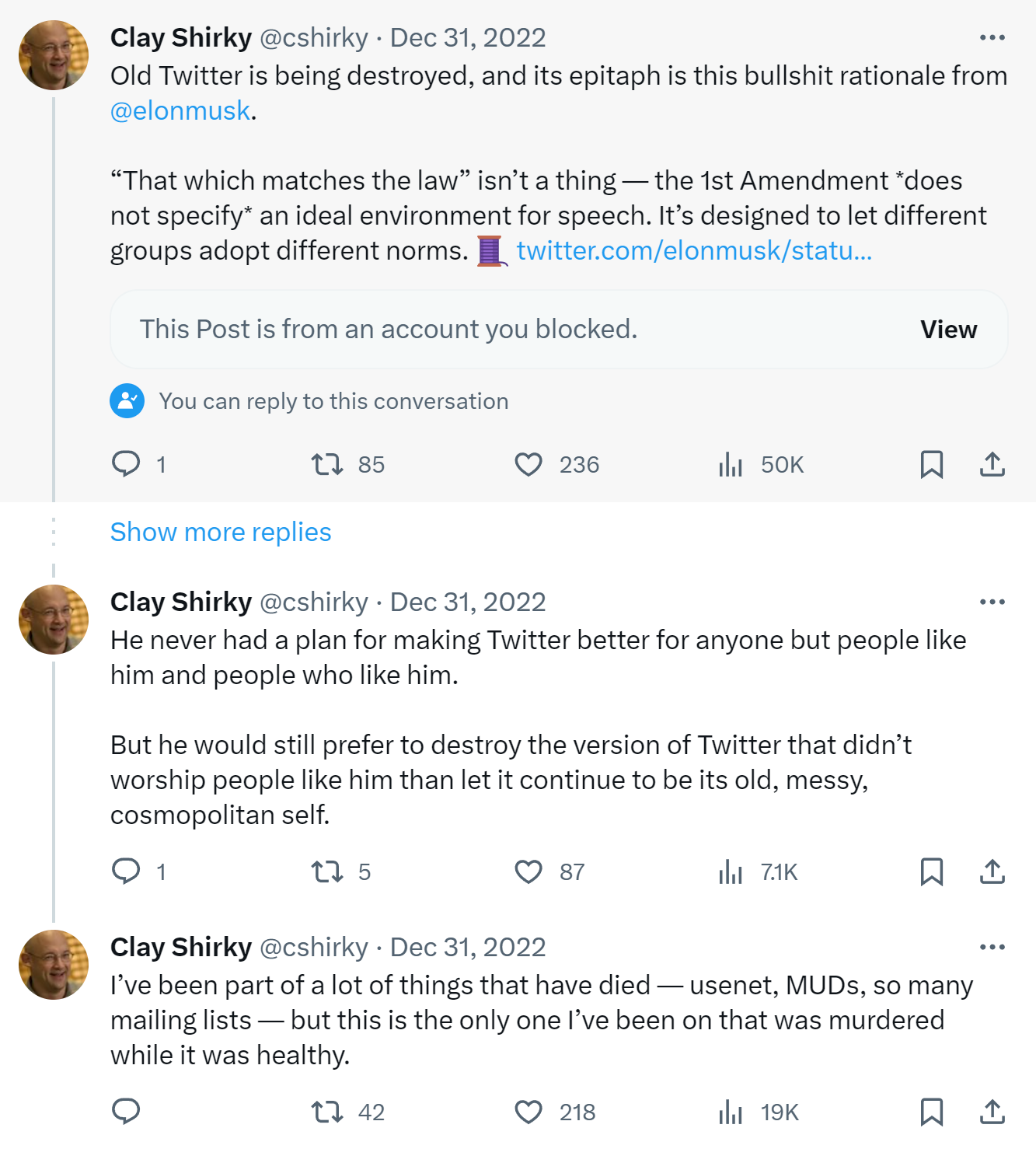
However, the implementation of this vision has been widely criticized for destabilizing the platform. The drastic reduction in staff, particularly in content moderation and trust & safety teams, led to an observable increase in hate speech, harassment, and misinformation. Academic researchers and civil society organizations monitoring online trends reported a measurable surge in derogatory terms and extremist content following the layoffs and policy shifts. This perceived decline in content quality and safety prompted a significant exodus of advertisers, who became wary of associating their brands with a platform increasingly perceived as chaotic and unregulated. Reports from major media outlets indicated that X’s advertising revenue had plummeted by more than 50% year-over-year in the period following the acquisition.
The rapid succession of policy changes, often announced via Musk’s personal account and implemented with little public consultation, further eroded user trust. Features like rate limits on viewing posts, the sudden removal of legacy verification badges, and changes to the visibility of external links were met with widespread frustration. This environment fostered a sense of instability, leading many long-time users, including prominent public figures, journalists, and academics, to either significantly reduce their activity or abandon the platform entirely.
The Rise of Decentralized Alternatives and the Fediverse
The turmoil at X has inadvertently catalyzed a broader discussion about the inherent vulnerabilities of centralized social media platforms and the potential benefits of decentralized alternatives. The core argument against centralized platforms, often articulated by technology ethicists and privacy advocates, is the concentration of immense power in the hands of a single entity or individual. This power extends to content moderation, data privacy, and the very rules of engagement, making users susceptible to the whims and biases of the platform’s owners. The swift and dramatic changes at X served as a stark, real-world demonstration of this vulnerability.
In response, interest in decentralized social networks, particularly those built on federated protocols, has surged. Mastodon, an open-source, federated microblogging platform, saw a significant influx of new users. Unlike X, Mastodon operates not as a single entity but as a network of independent, interconnected servers (instances), each with its own moderation policies and community guidelines. Users can choose an instance that aligns with their values and still interact with users on other instances across the "fediverse." This model offers greater user control, resilience against single points of failure, and diverse moderation approaches.
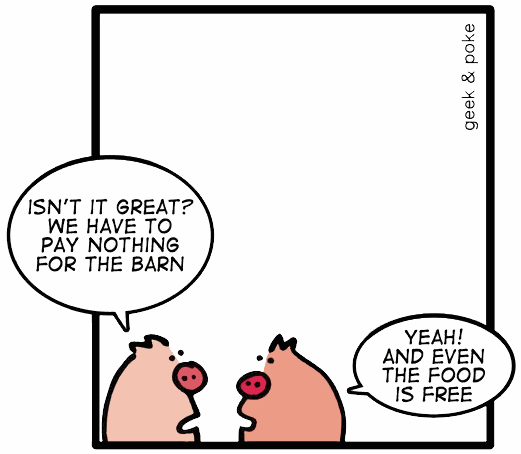
Other platforms have also emerged or gained traction. Bluesky, founded by former Twitter CEO Jack Dorsey, and Meta’s Threads, launched as a direct competitor to X, both experienced rapid growth, drawing in users seeking alternatives. While Threads is still largely centralized, its rapid deployment highlighted the demand for a stable, large-scale alternative. The underlying philosophy gaining momentum is that users should not be digital "sharecroppers," beholden to the landowners of digital space, but rather active participants with greater agency over their online communities and content.
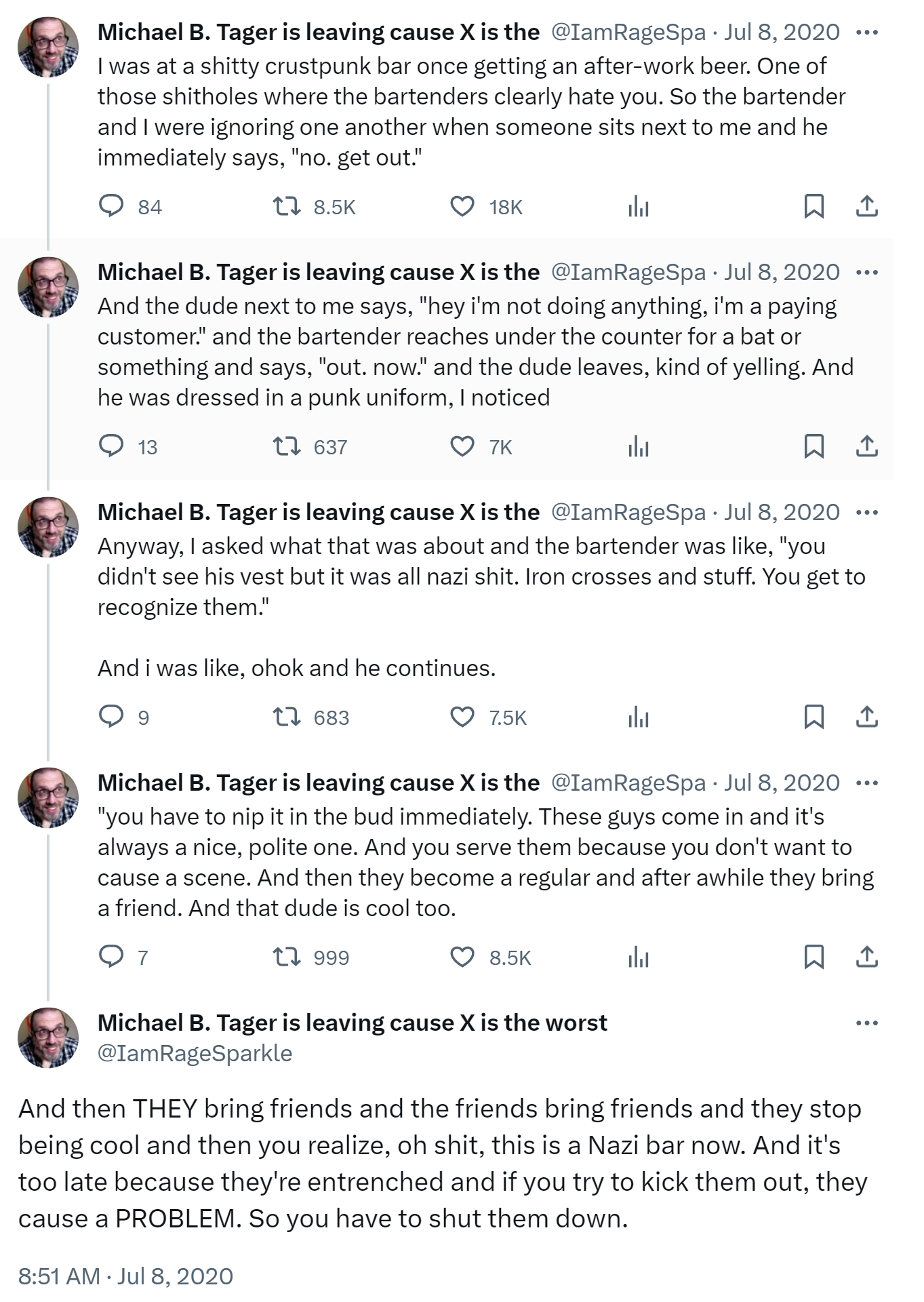
Advocates for decentralization argue that this model is not without its complexities. The fragmented nature of the fediverse can present challenges for discovery, cross-platform moderation, and user experience, making it "messy" compared to the streamlined experience of a centralized giant. However, proponents assert that this messiness is a small price to pay for the benefits of resilience, user empowerment, and protection against autocratic control. They emphasize that the democratic nature of decentralized systems, much like real-world democracies, requires more effort but ultimately provides a more robust and equitable foundation.
Broader Implications and a Call to Action
The transformation of Twitter into X under Elon Musk carries significant implications beyond the immediate tech industry. It has ignited a critical conversation about the future of digital public discourse, the role of billionaires in shaping global communication, and the very architecture of our online interactions.
Implications for Free Speech and Content Moderation: The shift towards a more permissive content moderation policy, coupled with reduced oversight, raises serious questions about the proliferation of hate speech, misinformation, and foreign influence campaigns. Critics argue that unchecked "free speech absolutism" often leads to a degradation of discourse, silencing marginalized voices through harassment and creating an unwelcoming environment that ultimately undermines genuine free expression.
Impact on Journalism and Information Flow: Journalists, who heavily relied on Twitter for breaking news and source interaction, have had to adapt. The platform’s instability and the perceived decline in content quality have forced news organizations to diversify their social media strategies and seek alternative channels for real-time information. This dispersal could make it harder for the public to access verified information quickly during crises.
Economic Consequences for the Creator Economy: Many content creators, businesses, and influencers built their brands and communities on Twitter. The platform’s changes have forced them to reconsider their digital strategies, potentially disrupting income streams and necessitating a migration to new platforms, which can be costly and time-consuming.
The Role of Platform Governance: The X saga underscores the critical importance of robust, transparent, and accountable platform governance. It highlights the dangers of entrusting essential communication infrastructure to the unilateral control of a single individual or a small, opaque leadership team, emphasizing the need for mechanisms that protect user interests and ensure the platform’s long-term health and public utility.
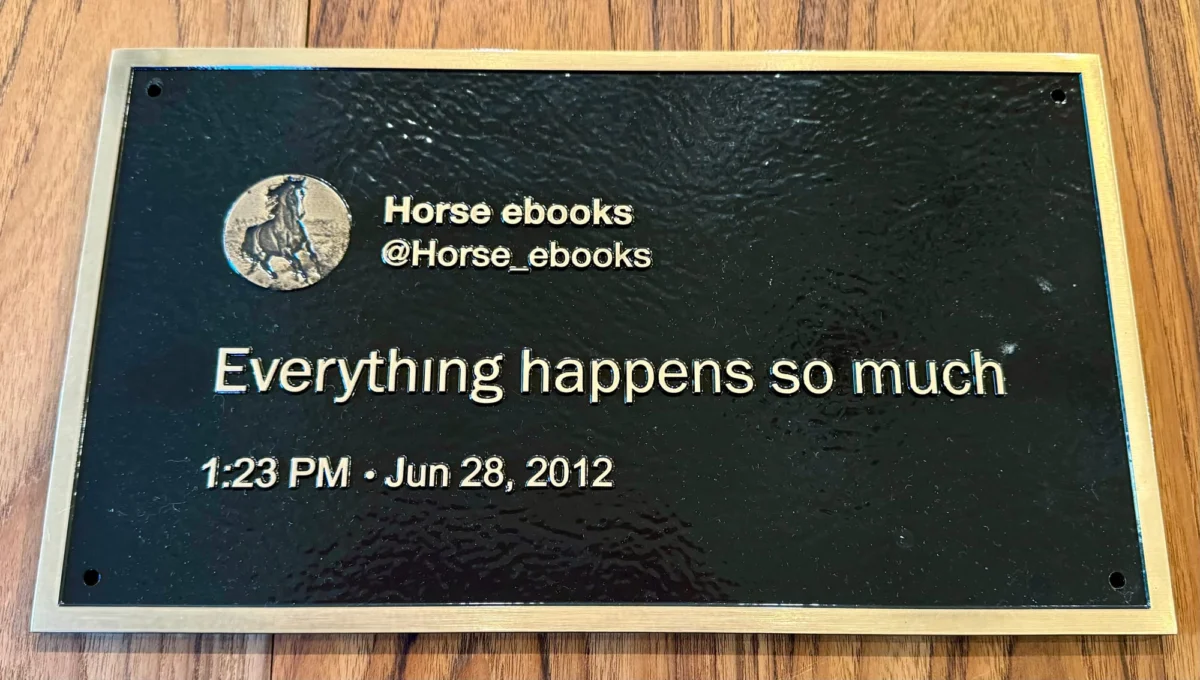
The sentiment among many who once cherished Twitter is one of profound loss, often described as a "murdered" platform that was healthy before its demise. This feeling is not merely nostalgic but reflects a deeper concern about the loss of a valuable public good. As a symbolic gesture reflecting this sentiment and advocating for alternatives, some individuals, such as prominent tech blogger Jeff Atwood, have taken unique steps. Atwood, for instance, initiated an auction of museum-quality brass plaques commemorating what he deemed "the best tweet of all time," with all proceeds benefiting The Trevor Project, an organization assisting LGBTQ youth. This initiative serves as both a protest against X’s current direction and a tangible endorsement of supporting community-driven efforts, implicitly criticizing Musk’s leadership and the alleged motivations behind some of his policy changes, such as his cited concern over a "trans woke virus." Such actions highlight the diverse ways users are expressing their disaffection and redirecting their energy towards causes and platforms they believe in.
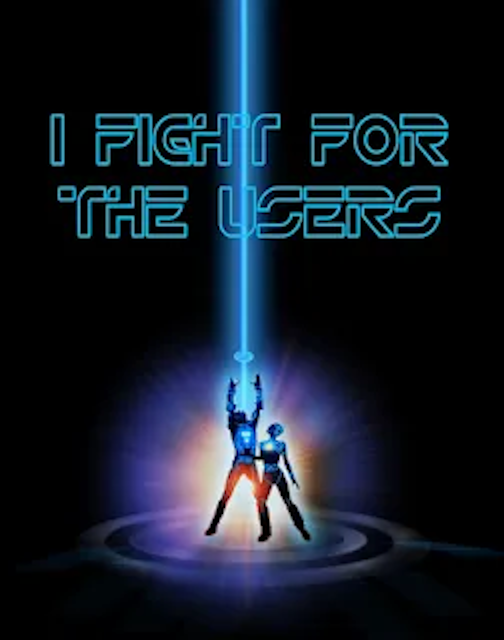
Ultimately, the transformation of Twitter into X under Elon Musk serves as a pivotal case study in the volatile nature of centralized digital power. It has propelled the conversation surrounding decentralized social media from a niche technical discussion to a mainstream imperative, urging users, developers, and policymakers to actively explore and invest in alternatives that empower communities and ensure the resilience and integrity of our digital public spaces. The work involved in building and maintaining such decentralized ecosystems is undeniably complex, but as advocates contend, the long-term benefits of collective ownership and democratic governance far outweigh the perceived convenience of "free" services that ultimately extract a heavy toll in control and autonomy. The future of digital communication may very well depend on this collective leap of faith towards a more distributed and user-centric online world.
About the Author