The significant decline in the cost of electric vehicle (EV) batteries is fundamentally transforming the landscape of personal transportation, most notably evidenced by the dramatic affordability of electric scooters. This trend indicates a pivotal shift, moving electric mobility from a luxury or niche product to an accessible option for the broader public, with implications for urban planning, environmental sustainability, and consumer behavior.
The Foundational Role of Battery Technology
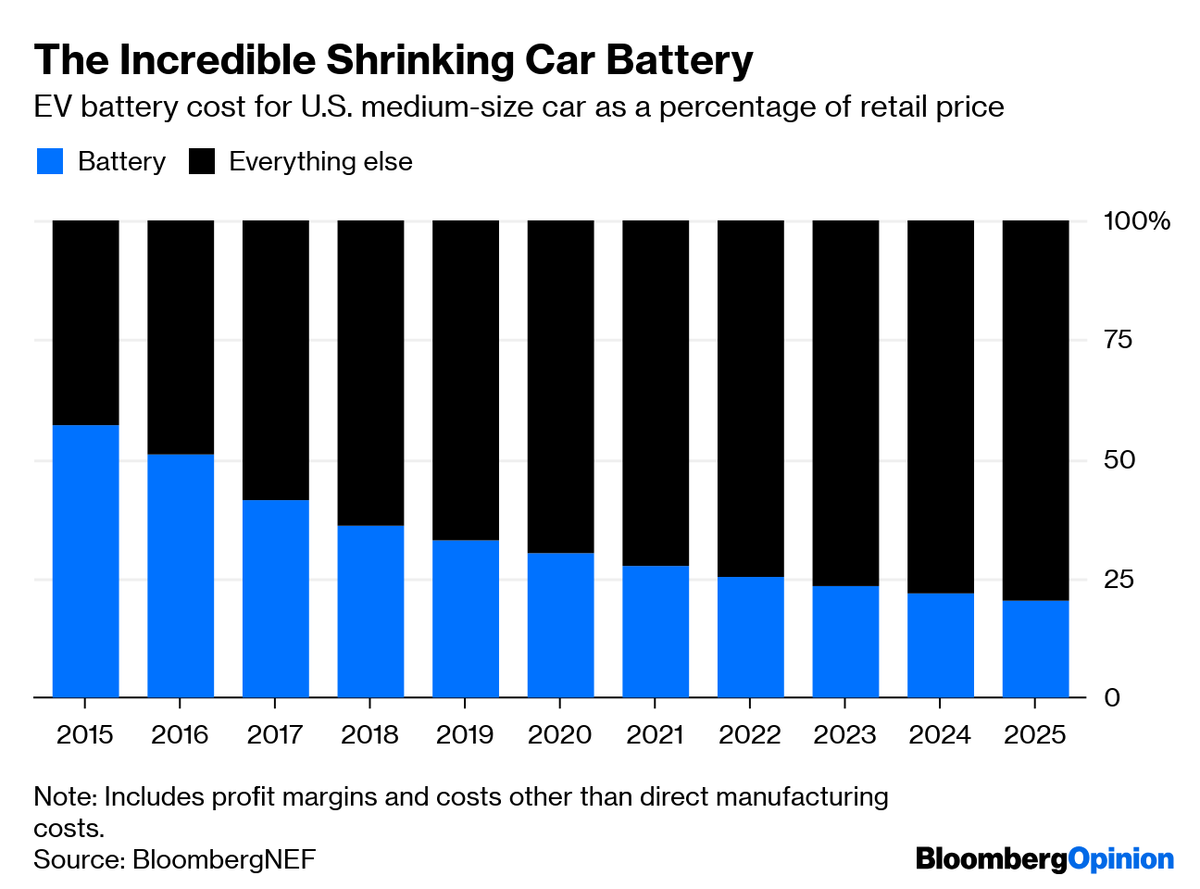
At the heart of any electric vehicle, from enormous cars to compact scooters, lies its battery. This component represents a substantial portion of the overall manufacturing cost. Consequently, the observed reduction in electric car prices over recent years is inextricably linked to the decreasing expense of energy storage. Unlike the relatively stable costs of raw materials like rubber, aluminum, glass, and steel, which are fabricated into vehicle bodies, battery technology has undergone a revolutionary period of cost reduction. This phenomenon is even more pronounced in lightweight, compact machines like electric scooters, where the battery and electric motor constitute the vast majority of the device’s complexity and value.
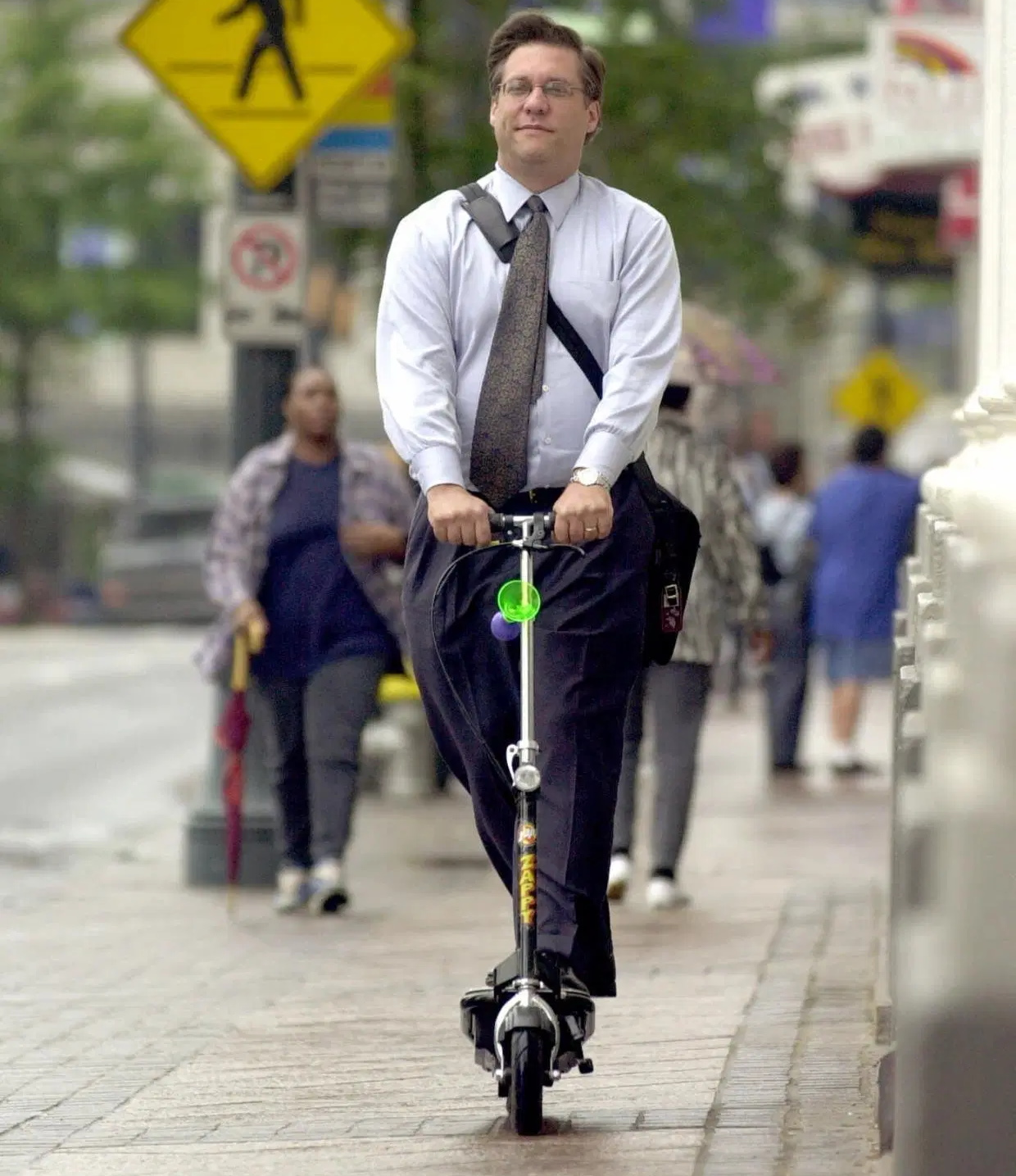
To understand this transformation, it is crucial to recall the nascent attempts at electric micro-mobility. Two decades ago, products like the Zappy electric scooter emerged, offering an early glimpse into personal electric transport. However, these pioneers, much like the early electric cars of the year 2000, were severely hampered by the limitations of lead-acid battery technology. These batteries were notoriously heavy, offered insufficient power output, provided limited range, and required excessively long charging times. In essence, the underlying battery technology was inadequate to deliver a compelling user experience, stifling widespread adoption. The viability of both electric cars and electric scooters, along with a vast array of other electric devices, only truly materialized with the maturation and widespread availability of Lithium-Ion (Li-Ion) batteries.
The Lithium-Ion Revolution and its Economic Impact

The advent of Li-Ion battery technology marked a turning point. Offering significantly higher energy density, lighter weight, faster charging capabilities, and improved cycle life, Li-Ion cells quickly became the gold standard. The ensuing mass production, driven by demand from consumer electronics and then electric vehicles, led to remarkable economies of scale. Data from BloombergNEF, for instance, has consistently highlighted the steep decline in Li-Ion battery pack prices, with reductions of over 85% witnessed between 2010 and 2018, and continued downward pressure thereafter. This cost curve is a primary enabler for the current electric vehicle boom, extending its benefits far beyond traditional automobiles to the burgeoning micro-mobility sector.
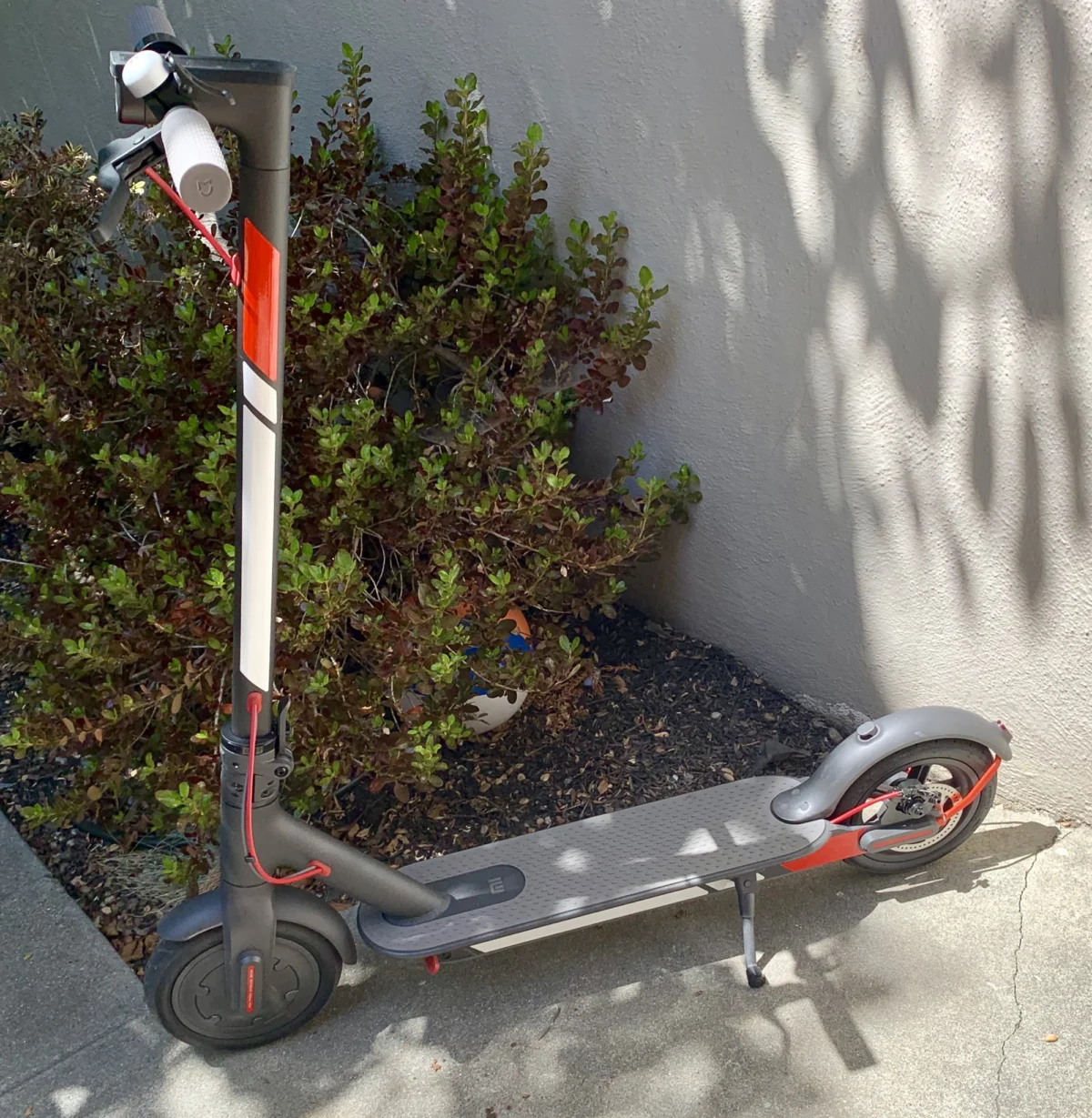
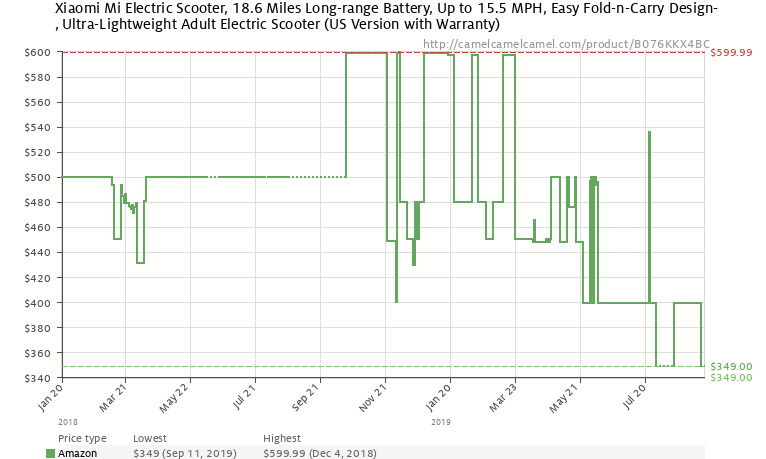
A tangible illustration of this economic shift can be seen in the pricing of popular electric scooters. The Xiaomi Mi M365, for example, became a benchmark for affordable and functional electric micro-mobility. Upon its initial entry into the U.S. market in early 2017, the M365 retailed for approximately $800. Over a mere three-year span, by late 2019, its price had effectively halved, often available for $300-$400. This dramatic price depreciation, affecting a widely adopted model, serves as a clear indicator of generally falling Li-Ion battery costs, independent of broader manufacturing concerns for other vehicle components. This trend bodes exceptionally well for the continued growth and accessibility of all types of electric vehicles.
The Emergence of the Micro-mobility Rental Industry
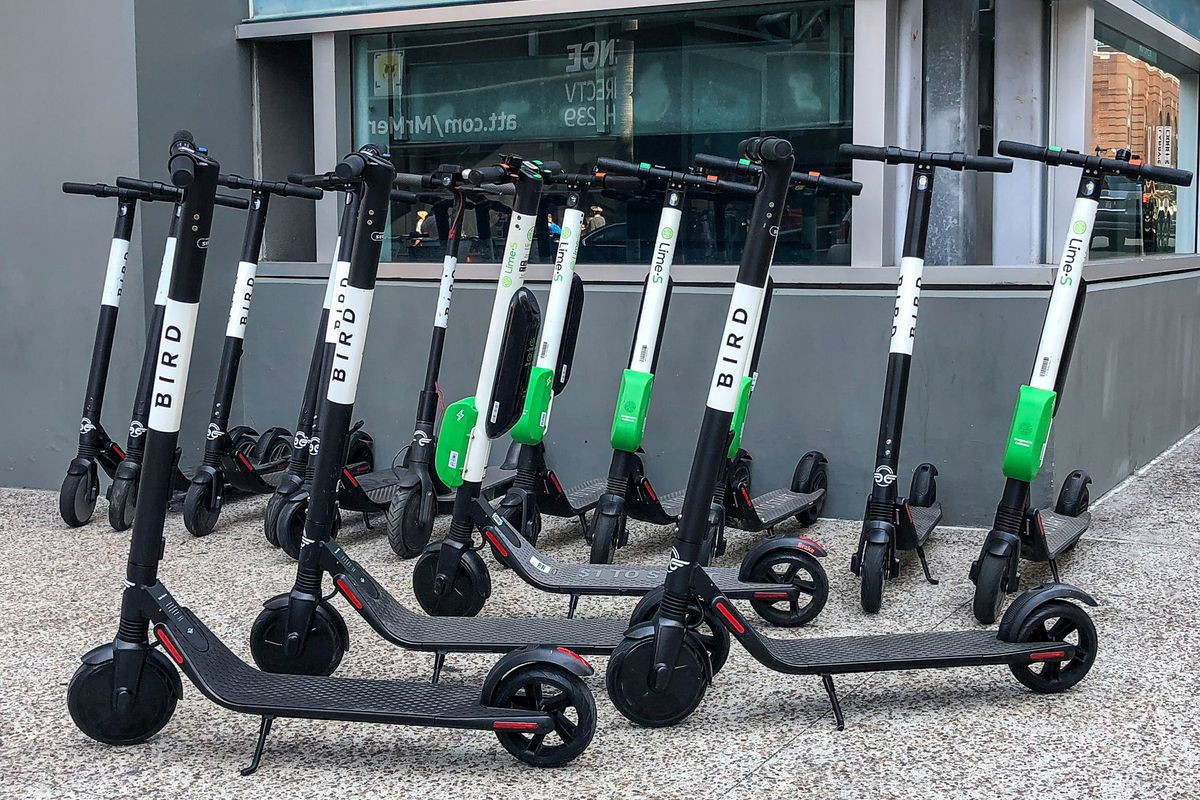
The plummeting cost of electric scooters coincided with and fueled the rapid ascent of the quasi-legal electric scooter smartphone app rental industry. Companies such as Bird, Lime, Skip, Spin, and Scoot rapidly deployed fleets of scooters across urban centers worldwide, transforming short-distance travel. Early iterations of these rental fleets often utilized slightly modified consumer models, with Bird scooters, for example, initially being adapted Xiaomi M365s. This reliance on readily available, cost-effective hardware allowed these startups to scale quickly and test market demand.
However, the rental industry soon evolved. By late 2018, many operators began migrating to custom-built, ruggedized scooters specifically designed for the demanding rental market, featuring enhanced durability, integrated GPS, and improved security features. The business model itself has also faced significant challenges, prompting pivots from per-minute rentals to alternative structures. For instance, some companies have experimented with monthly rental programs, offering users the ability to lease a scooter like the Xiaomi M365 for a flat fee (e.g., $25 per month in San Francisco and Barcelona) rather than paying per ride. This adaptation reflects the industry’s efforts to address issues such as theft, vandalism, maintenance costs, and the volatile economics of the gig economy workers who manage charging and repositioning.
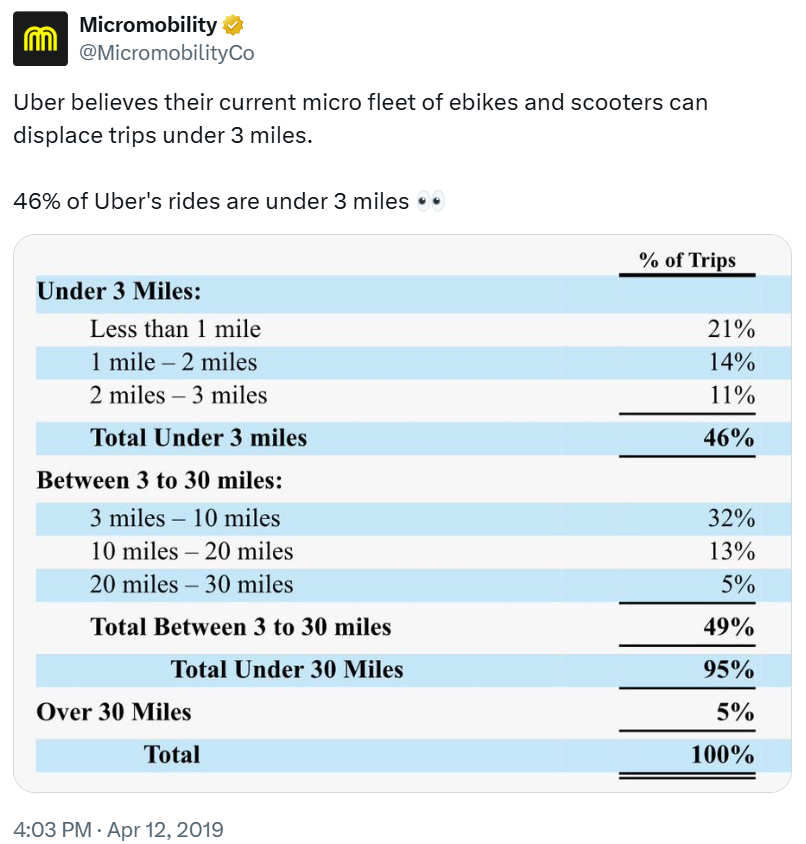
Even established transportation giants like Uber have recognized the strategic importance of micro-mobility. Uber’s internal analysis revealed that a substantial portion of its ride-hailing trips—approximately 46%—were for distances under three miles. This insight led the company to strategically invest in its own micro-fleet of electric bikes and scooters, viewing them as efficient and sustainable alternatives for these shorter journeys, thereby reducing congestion and providing more diverse transportation options within urban environments.
Navigating the Regulatory Labyrinth
Despite their growing popularity and potential benefits, electric scooters present a significant challenge for local governments globally: how to regulate them effectively and safely. The absence of a consistent, overarching regulatory framework has resulted in a patchwork of laws that vary wildly from city to city and country to country, often lacking apparent logic.
In some jurisdictions, electric scooters are treated similarly to bicycles, while in others, they face more stringent rules akin to motor vehicles. For example, some California electric scooter laws initially required riders to possess a valid driver’s license—a restriction not typically imposed on electric bicycle users—and prohibited their operation on sidewalks. Such regulations highlight the difficulties authorities face in categorizing and integrating these novel transportation modes into existing legal frameworks, which were largely designed for cars, bicycles, or pedestrians.
One aspect of regulation that often finds broad consensus, however, is speed restriction. A common limit of 15 miles per hour (approximately 24 km/h) is frequently enforced for electric scooters. This speed is generally considered a brisk but manageable pace for an adult standing on a compact vehicle without specialized safety equipment. Exceeding this speed significantly escalates the risk of serious injury in the event of an accident. The market, however, offers a diverse range of scooters, including high-performance models that can reach speeds of 40 miles per hour or more, often featuring dual motors and advanced suspension systems. While these machines offer exhilarating performance, they underscore the critical importance of speed regulation for public safety, particularly in shared urban spaces.
The Expanding Spectrum of Electric Scooter Innovation
The affordability brought by decreasing battery costs has not only made basic electric scooters accessible but has also spurred innovation across the entire spectrum of the micro-mobility market. Beyond the utilitarian Xiaomi M365, which can be considered the "Honda Civic" of electric scooters, consumers now have a plethora of choices. There are luxury electric scooters, boasting premium materials and sophisticated design; ultralight models prioritizing portability; rugged off-road scooters designed for varied terrains; and the aforementioned high-performance machines for enthusiasts seeking speed and power. This burgeoning diversity caters to a wide range of consumer needs and preferences, illustrating the maturation of the market.
Technological integration is another hallmark of modern electric scooters. Many models, including the Xiaomi M365, feature Bluetooth connectivity, allowing users to connect to companion smartphone applications. These apps often provide valuable data such as battery status, speed, and mileage, and in some cases, even enable firmware updates or customization, highlighting the inherently digital nature of these electric vehicles.
The continuous evolution of models is also a factor in market dynamics. The release of successors, such as the Xiaomi M365 Pro, further drives down the price of previous generations while introducing incremental improvements. The M365 Pro, for instance, offers a larger battery, an improved disc brake, more powerful motor, a better display, and a refined latch mechanism. While these enhancements are welcome, their value proposition needs to be weighed against the significant price difference. Often, the value offered by the standard M365, especially at its reduced price point, remains exceptionally compelling for the average consumer.
Operational Realities and User Experience
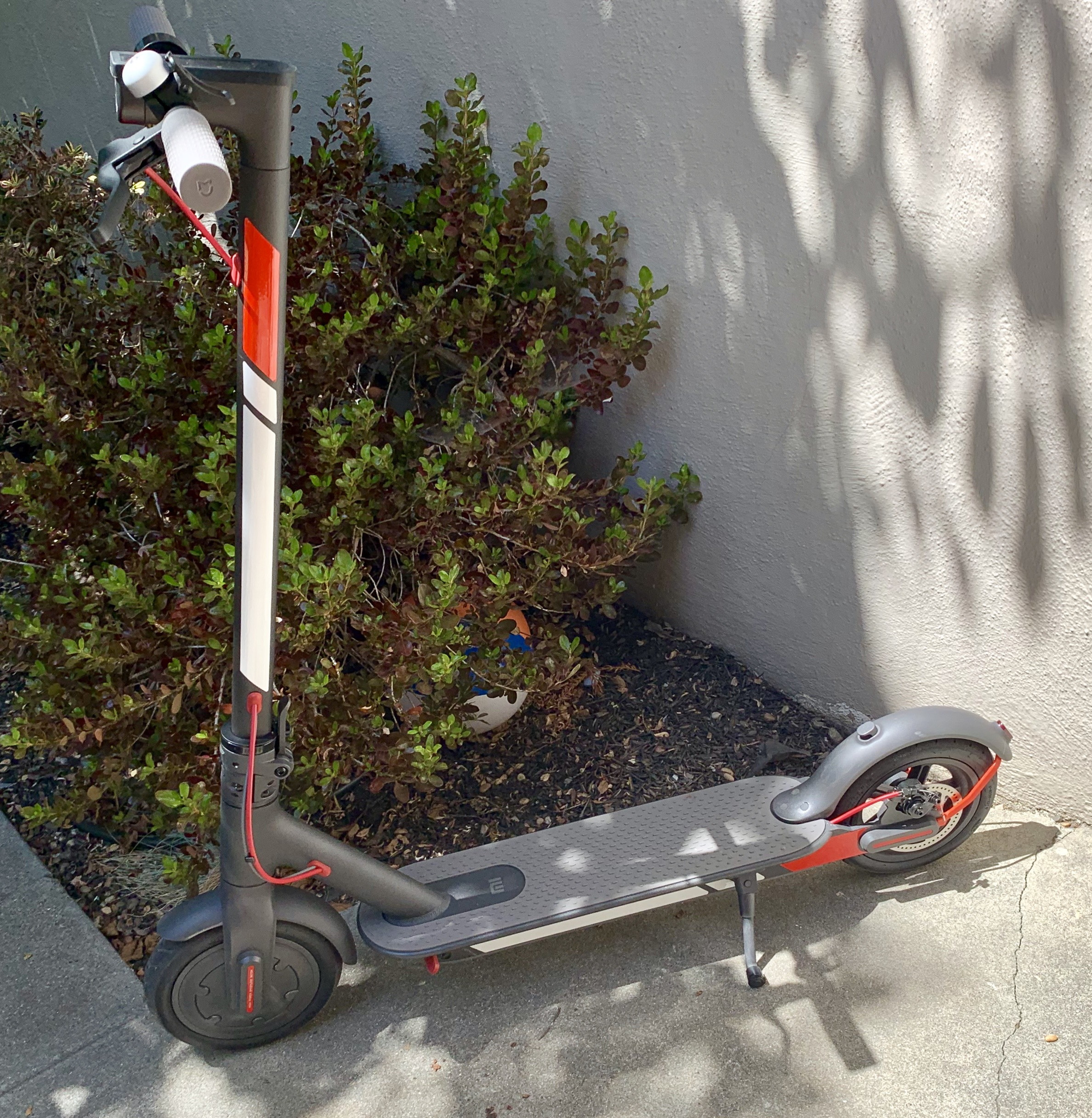
From a practical standpoint, owning an electric scooter like the M365 generally offers a highly enjoyable and convenient experience. Their compact size and electric propulsion make them ideal for navigating congested urban environments or covering "last-mile" distances from public transport hubs. However, like any vehicle, they come with operational considerations. A common issue reported by users, particularly with smaller tires, is the susceptibility to flat tires. Given the intricate nature of repairing small pneumatic tires, many users opt for preventative measures such as injecting tire sealant (like Slime) or, for those prioritizing durability over ride comfort, switching to solid tubeless tires.
The broader implications of this micro-mobility boom extend to urban planning and sustainability. Electric scooters have the potential to significantly reduce reliance on personal automobiles for short trips, thereby alleviating traffic congestion, lowering carbon emissions, and improving air quality in cities. They can also serve as a vital link in multi-modal transportation networks, seamlessly connecting commuters from public transit stations to their final destinations.
Comparing the current electric scooter phenomenon to past innovations, such as the Segway, offers valuable perspective. The Segway, launched in 2001 with immense hype and a hefty price tag of $5,000 (equivalent to over $7,200 in 2019 dollars), was touted as a world-changing invention. However, its high cost, awkward form factor, and regulatory ambiguities largely confined it to niche applications. In contrast, today’s affordable electric scooters, priced between $200 and $300, represent a far more practical, portable, and accessible solution to urban transportation challenges. They embody the transformational technology that the Segway was envisioned to be, succeeding where its predecessor faltered primarily due to their economic accessibility and user-friendly design.
Conclusion: A Future Reshaped by Accessibility
The journey from bulky, inefficient lead-acid batteries to the powerful, compact, and increasingly affordable Lithium-Ion cells has been instrumental in democratizing electric micro-mobility. Electric scooters, exemplified by models like the Xiaomi M365, are no longer futuristic concepts but present-day realities reshaping how individuals move within cities. While challenges remain, particularly in harmonizing diverse regulatory frameworks and ensuring rider safety, the core economic drivers—chief among them, the plummeting cost of batteries—point towards a future where electric scooters play an increasingly integral role in urban transportation ecosystems. This trajectory, twenty years in the making, underscores the profound impact of technological advancement on everyday life and the persistent human quest for efficient, sustainable personal mobility.
About the Author