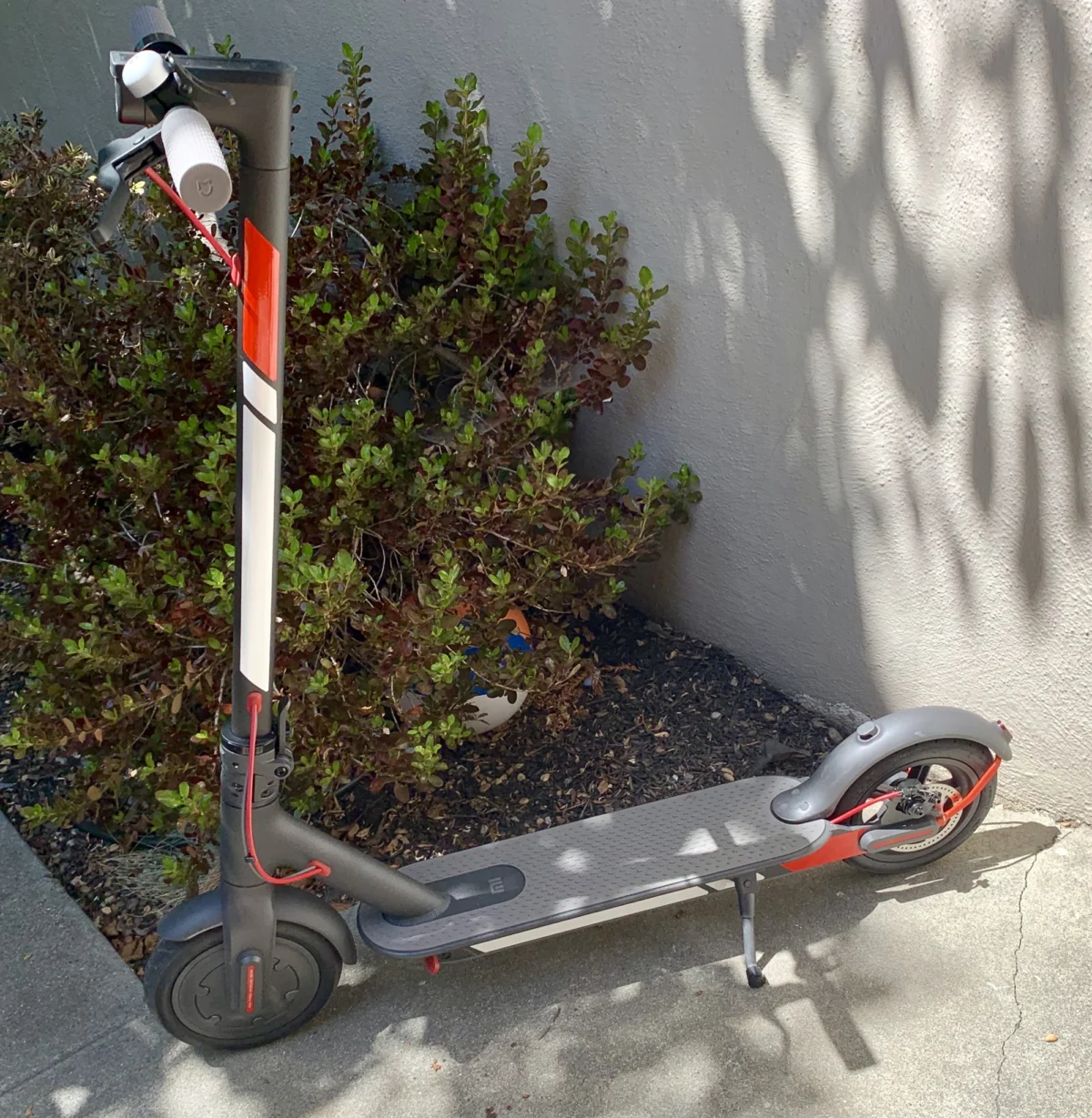
The dramatic decrease in the price of electric scooters, epitomized by popular models such as the Xiaomi Mi M365, signals a pivotal shift in the broader electric vehicle market. This affordability surge is not merely a consequence of manufacturing efficiencies for individual components like rubber, aluminum, glass, and steel, but rather a direct reflection of significant reductions in the cost of lithium-ion battery technology – the single most expensive component in any electric vehicle, from cars to compact scooters. This trend is accelerating the viability of micromobility solutions, positioning electric scooters as a potential cornerstone of future urban transportation.
The Battery Breakthrough: A Historical Perspective
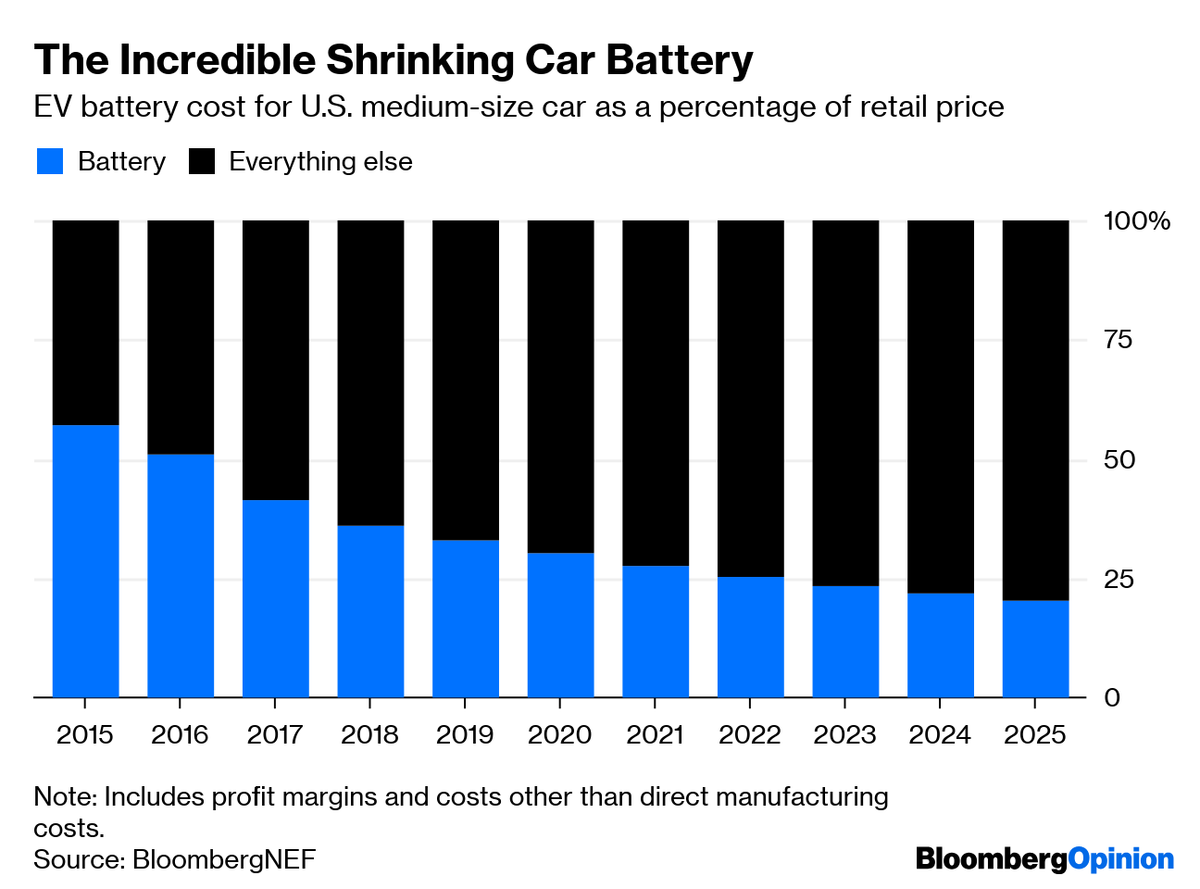
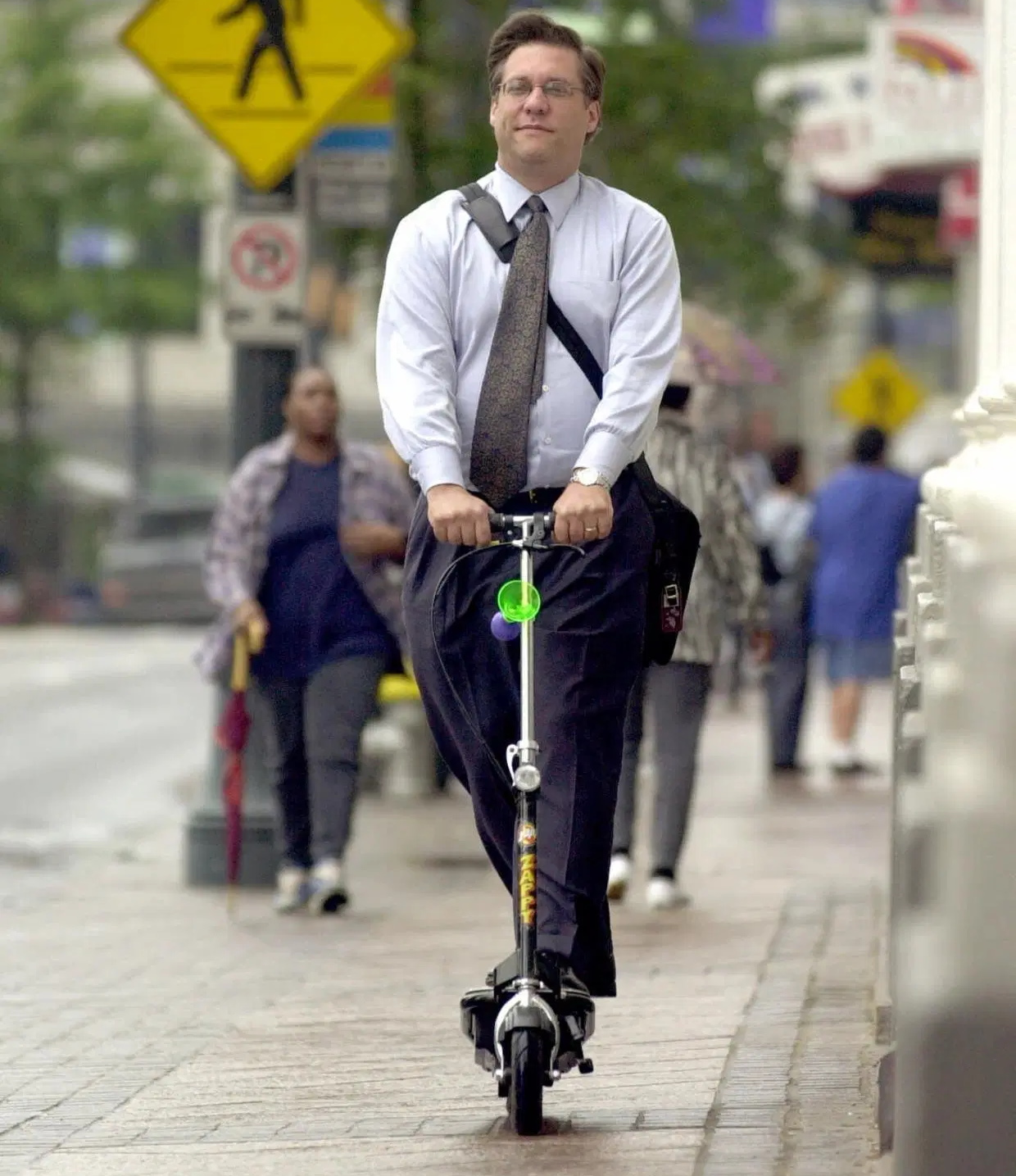
For decades, the promise of electric vehicles (EVs) remained largely unfulfilled, primarily due to the prohibitive cost, weight, and performance limitations of early battery technologies. In the early 2000s, electric cars and even nascent electric scooters, like the Zappy, struggled to gain traction. These vehicles relied predominantly on lead-acid batteries, which were notoriously heavy, offered limited power output, suffered from short ranges, and required lengthy charging times. As industry experts often remarked, the fundamental issue was that "the battery sucked." This technological bottleneck stifled innovation and consumer adoption across the entire electric transport spectrum.
The landscape began to change profoundly with the maturation and widespread adoption of lithium-ion (Li-ion) batteries. Originally commercialized in the early 1990s, Li-ion technology offered a superior energy density, lighter weight, faster charging capabilities, and longer cycle life compared to its lead-acid predecessors. This advancement was not instantaneous but a gradual process driven by continuous research, development, and scaling of manufacturing processes. The impact was transformative, not only making electric cars and scooters viable but also revolutionizing portable electronics like laptops and smartphones.
Data from organizations like BloombergNEF underscores this revolutionary shift. Global average lithium-ion battery pack prices, which stood at over $1,100 per kilowatt-hour (kWh) in 2010, plummeted to approximately $132/kWh by 2021 – an astonishing reduction of over 89%. This consistent downward trajectory in battery costs has been the primary catalyst for the increasing affordability and performance of all electric vehicles, with compact devices like electric scooters feeling the impact even more dramatically due to the battery’s larger proportional contribution to their overall cost.

The Xiaomi Mi M365: A Case Study in Affordability
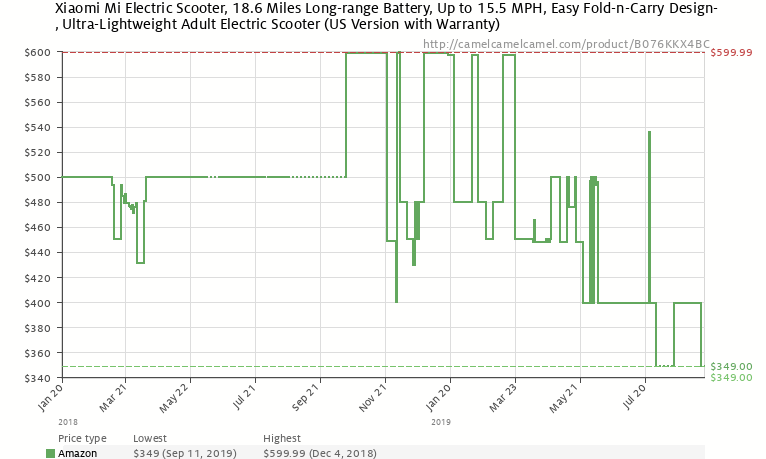
To gauge the real-world impact of these declining battery costs, examining the pricing evolution of a popular electric scooter model offers clear insights. The Xiaomi Mi M365, introduced to the U.S. market in early 2017, quickly became a benchmark for consumer-grade electric scooters due to its balance of features, performance, and accessibility. Initially priced around $800, its cost experienced a rapid decline. Over just three years, from its launch to late 2019, the price of the Xiaomi M365 effectively halved. This significant reduction provided undeniable evidence of a broader trend: lithium-ion battery prices were indeed dropping, making personal electric transportation increasingly affordable for the masses. This affordability has been a critical factor in the widespread adoption and consideration of electric scooters as a legitimate mode of transport.
The Rise of Shared Micromobility and Market Dynamics
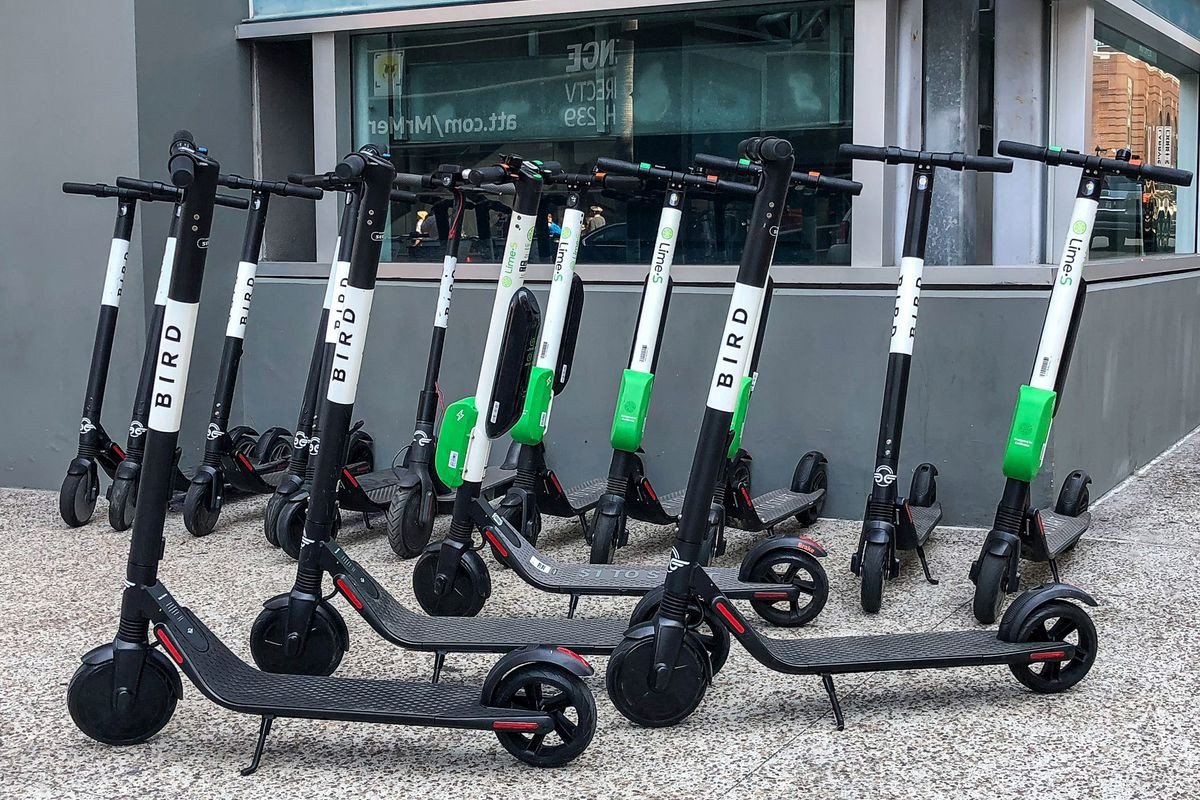
The dramatic drop in electric scooter prices coincided with, and in many ways fueled, the meteoric rise of the quasi-legal electric scooter smartphone app rental industry. Companies such as Bird, Lime, Skip, and Spin burst onto urban scenes globally, deploying fleets of scooters for on-demand rental. Early versions of these rental scooters were, in fact, often lightly modified Xiaomi M365s, demonstrating the model’s robustness and cost-effectiveness. This initial reliance on commercially available models quickly evolved, and by late 2018, many rental companies began migrating to custom-built, ruggedized scooters specifically optimized for the demanding conditions of the shared rental market, featuring enhanced durability, longer battery life, and improved tracking capabilities.
Despite their rapid expansion and initial hype, the electric scooter rental industries have faced their own set of operational and financial challenges. Issues such as vandalism, theft, high maintenance costs, and intense competition led many operators to experiment with their business models. For instance, some companies shifted from a purely per-minute rental structure to offering monthly subscription services, allowing users to rent a scooter like the M365 for a flat fee. This pivot reflects an ongoing search for sustainable profitability within the micromobility sector, moving beyond the initial "land grab" phase to a more mature and diversified service offering. The proliferation of these rental services, however, undeniably played a crucial role in normalizing the presence and use of electric scooters in urban environments, introducing millions to this new form of transportation.
Electric Scooters: More Than Just a Niche?
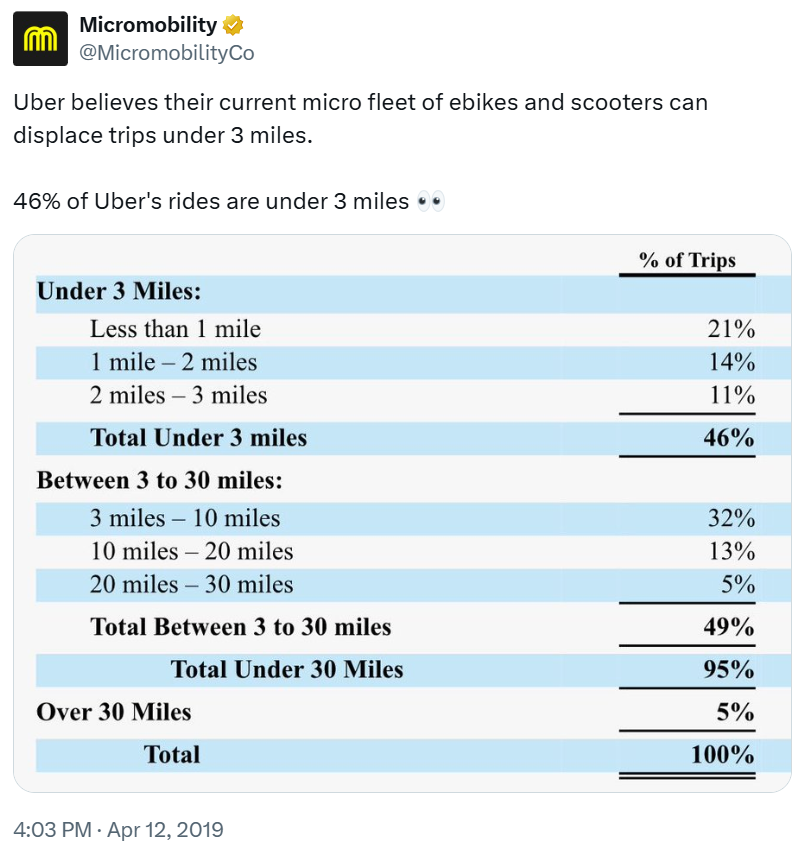
The increasing affordability and accessibility of electric scooters prompt a more fundamental question: are they truly the future of urban transportation? Leading transportation companies, including Uber, which despite its own corporate complexities, has openly acknowledged the "overkill" of cars for many basic transportation needs. Uber’s internal analysis revealed that a significant portion of its ride-sharing trips – nearly 46% – were under three miles. This realization led the company to invest in and promote its own micro-fleet of e-bikes and scooters, recognizing their potential to displace these short-distance car journeys.
Electric scooters offer a compelling solution for the "last-mile" problem, bridging the gap between public transit hubs and final destinations. They are lightweight, compact, easily maneuverable in congested urban spaces, and environmentally friendly, producing zero tailpipe emissions. For many city dwellers, they represent a faster, more convenient, and often more enjoyable alternative to walking, driving, or even cycling for short to medium distances. The integration of scooters with public transport networks could create a seamless, multimodal urban mobility ecosystem, reducing reliance on private vehicles and alleviating traffic congestion.
Navigating the Regulatory Labyrinth
One of the most significant impediments to the widespread and seamless integration of electric scooters into urban life is the fragmented and often ill-defined regulatory landscape. Local governments globally have grappled with how to classify and regulate these novel devices, leading to a patchwork of inconsistent and sometimes illogical rules. In some jurisdictions, for example, electric scooter riders may be required to possess a valid driver’s license, unlike electric bicycle riders, and may be explicitly prohibited from using sidewalks, forcing them onto potentially dangerous roads. These restrictions, while often well-intentioned for safety, can be seen as onerous and counterproductive to promoting sustainable urban mobility.
However, certain regulatory measures are widely supported and seen as essential for public safety. The 15-mile-per-hour (24 km/h) speed restriction commonly imposed on electric scooters is one such example. For a standing adult without specialized safety equipment, 15 mph is considered a sufficiently brisk and safe top speed. Anything faster dramatically increases the risk of serious injury in the event of an accident. The existence of high-performance models capable of reaching speeds up to 40 mph or more, while showcasing technological diversity, highlights the critical need for sensible speed limits, especially in shared urban spaces. Harmonizing these regulations across cities and regions will be crucial for fostering greater predictability, encouraging investment in infrastructure, and ensuring public acceptance and safety.
Diversity in the Micromobility Landscape
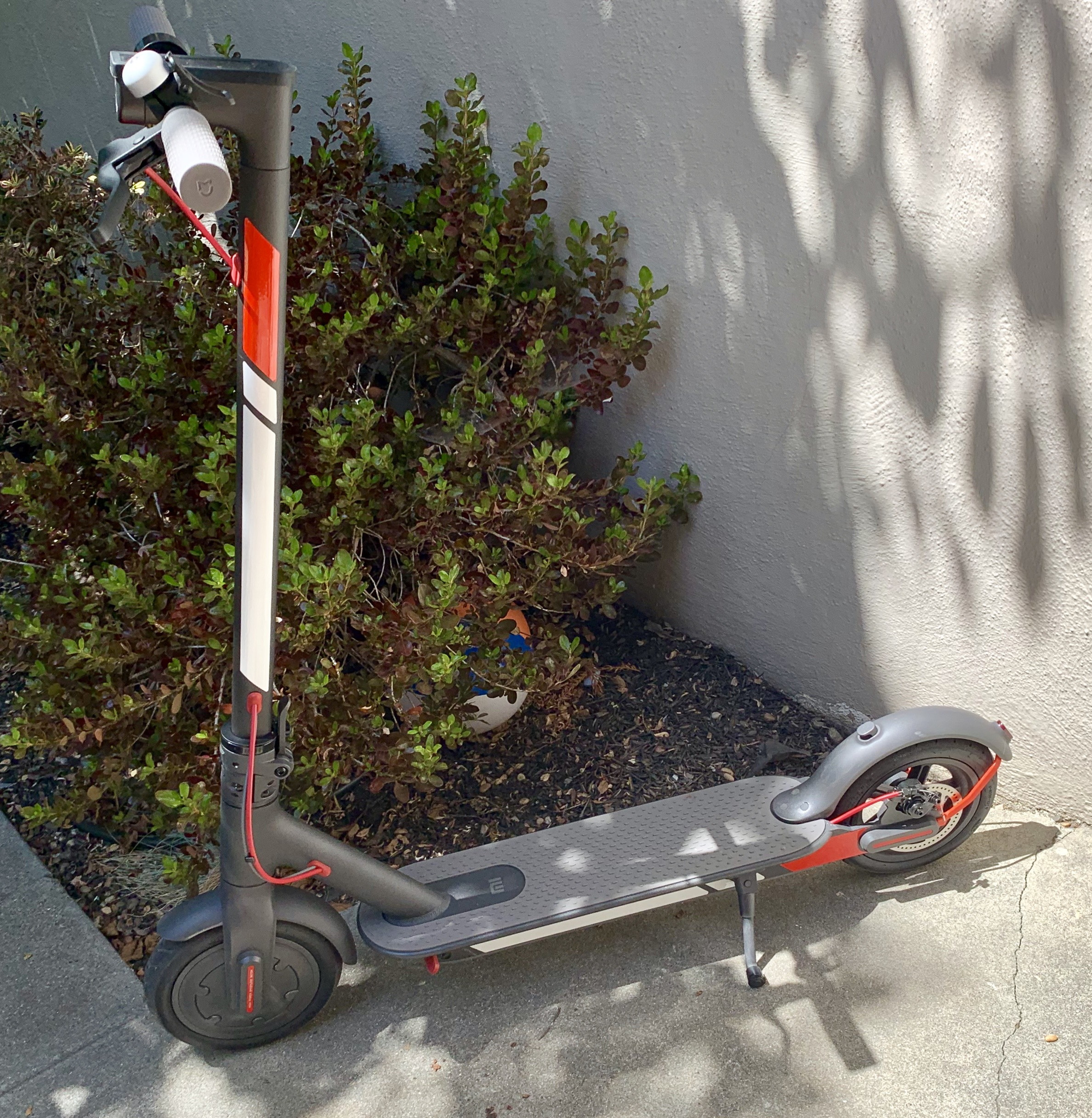
While the Xiaomi M365 serves as an excellent entry-level model, the electric scooter market has rapidly diversified, offering a wide array of options to suit various needs and preferences. Beyond the "Honda Civic" of electric scooters, consumers can now find luxury models featuring premium materials and advanced connectivity, ultralight scooters designed for maximum portability, or rugged off-road variants equipped with dual motors and enhanced suspension for challenging terrains. This emerging diversity reflects both technological advancements and growing consumer demand, indicating a maturing market.
The evolution of the M365 itself, with the release of the Xiaomi M365 Pro, demonstrates continuous incremental improvements within the segment. The Pro model offers a bigger battery, an improved disc brake, more power, a better display, and an enhanced latch mechanism. While these upgrades are welcome, their value proposition needs to be weighed against the original M365’s exceptional affordability, which remains a key driver of its popularity. The inherent digital nature of electric vehicles, offering Bluetooth connectivity, companion apps, and even the potential for firmware modification, further underscores their modern appeal and adaptability, distinguishing them from purely mechanical modes of transport.
Lessons from the Past: Segway’s Shadow
The current electric scooter phenomenon invites a compelling comparison with the Segway Personal Transporter, which debuted in 2001 amidst immense hype, touted as a revolutionary technology that would fundamentally alter urban mobility. Priced at $5,000 at launch, which equates to approximately $7,248 in inflation-adjusted 2019 dollars, the Segway ultimately failed to live up to its lofty expectations, becoming more of a niche recreational device or a tool for security personnel than a mass-market transportation solution. Its high cost, unique learning curve, and often awkward public perception ("Paul Blart Mall Cop") contributed to its commercial struggles.
Today, affordable electric scooters, available for a fraction of the Segway’s original price, are delivering the kind of transformative personal transportation that the Segway once promised. They are genuinely changing how people navigate short distances in cities, offering a practical, accessible, and enjoyable alternative. The contrast highlights the critical role of battery technology and cost efficiency in determining the success and broad adoption of personal electric vehicles.
Broader Implications and the Road Ahead
The rise of the electric scooter has far-reaching implications across environmental, urban planning, and economic sectors. Environmentally, the widespread adoption of scooters for short trips can significantly reduce urban air pollution and carbon emissions by displacing internal combustion engine vehicles. From an urban planning perspective, cities are increasingly compelled to consider dedicated micromobility infrastructure, such as protected lanes and charging stations, to ensure safe and efficient use. This requires a fundamental rethink of urban design, moving away from car-centric planning. Economically, the micromobility sector creates jobs in manufacturing, maintenance, logistics, and technology development, while also offering accessible transportation options that can improve economic opportunities for individuals.
However, challenges remain. Beyond regulatory hurdles, issues of rider safety, pedestrian conflict, parking etiquette (or lack thereof), and the sheer volume of discarded scooters in public spaces need comprehensive solutions. Public perception and social acceptance will continue to evolve as cities and users adapt to this new mode of transport. The future of electric scooters likely involves further technological innovation, greater integration with public transit systems, and the development of more robust, standardized infrastructure and regulatory frameworks. While it may have taken two decades, the vision of personal electric transportation transforming urban life is finally materializing, propelled by the relentless march of battery technology and innovative design.
About the Author