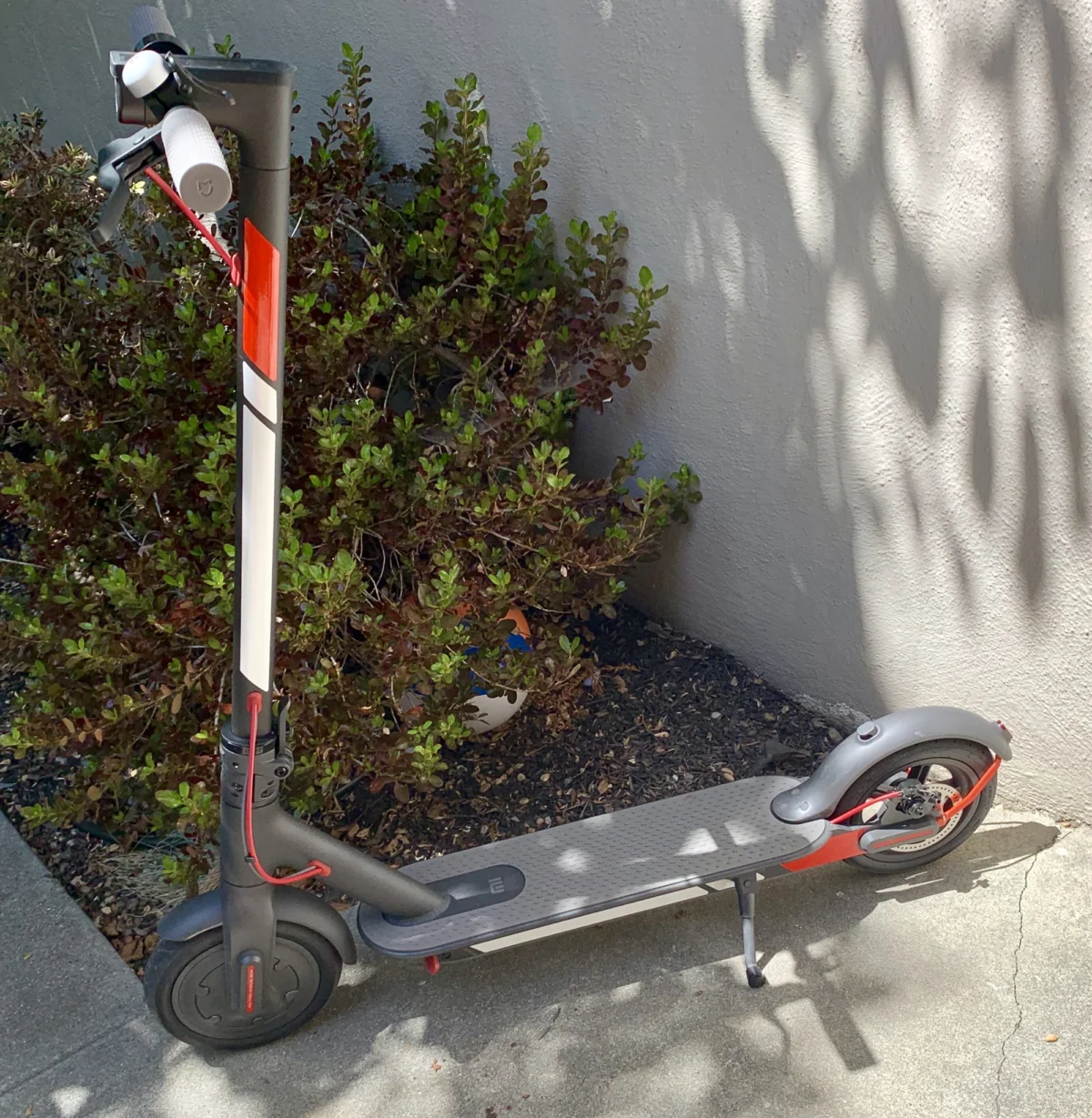
The significant reduction in the cost of electric scooters, exemplified by models like the Xiaomi Mi M365, underscores a broader and more impactful trend: the precipitous decline in lithium-ion battery prices. This economic shift is not merely making personal electric vehicles more accessible but is fundamentally reshaping urban transportation landscapes, accelerating the micro-mobility revolution, and challenging traditional reliance on larger, fuel-intensive vehicles.
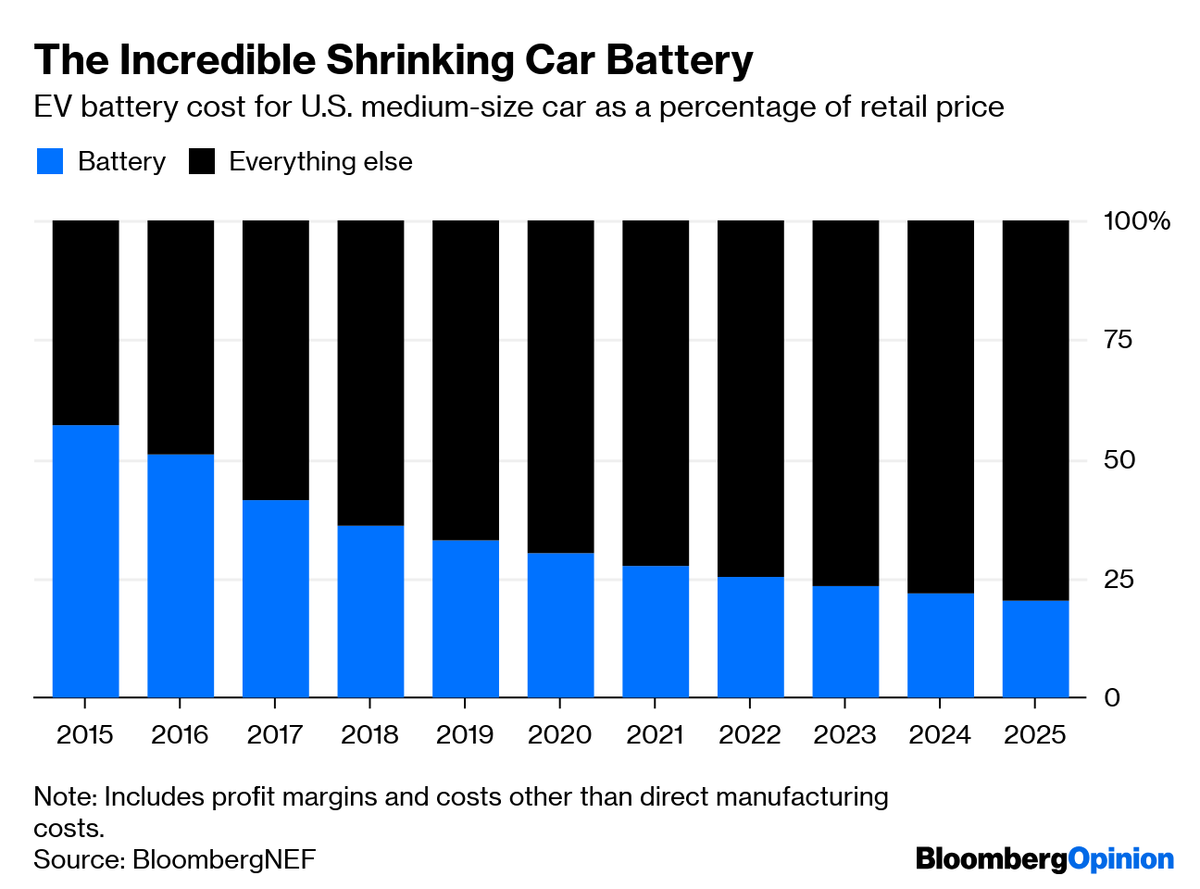
The Battery Breakthrough: Fueling the EV Renaissance
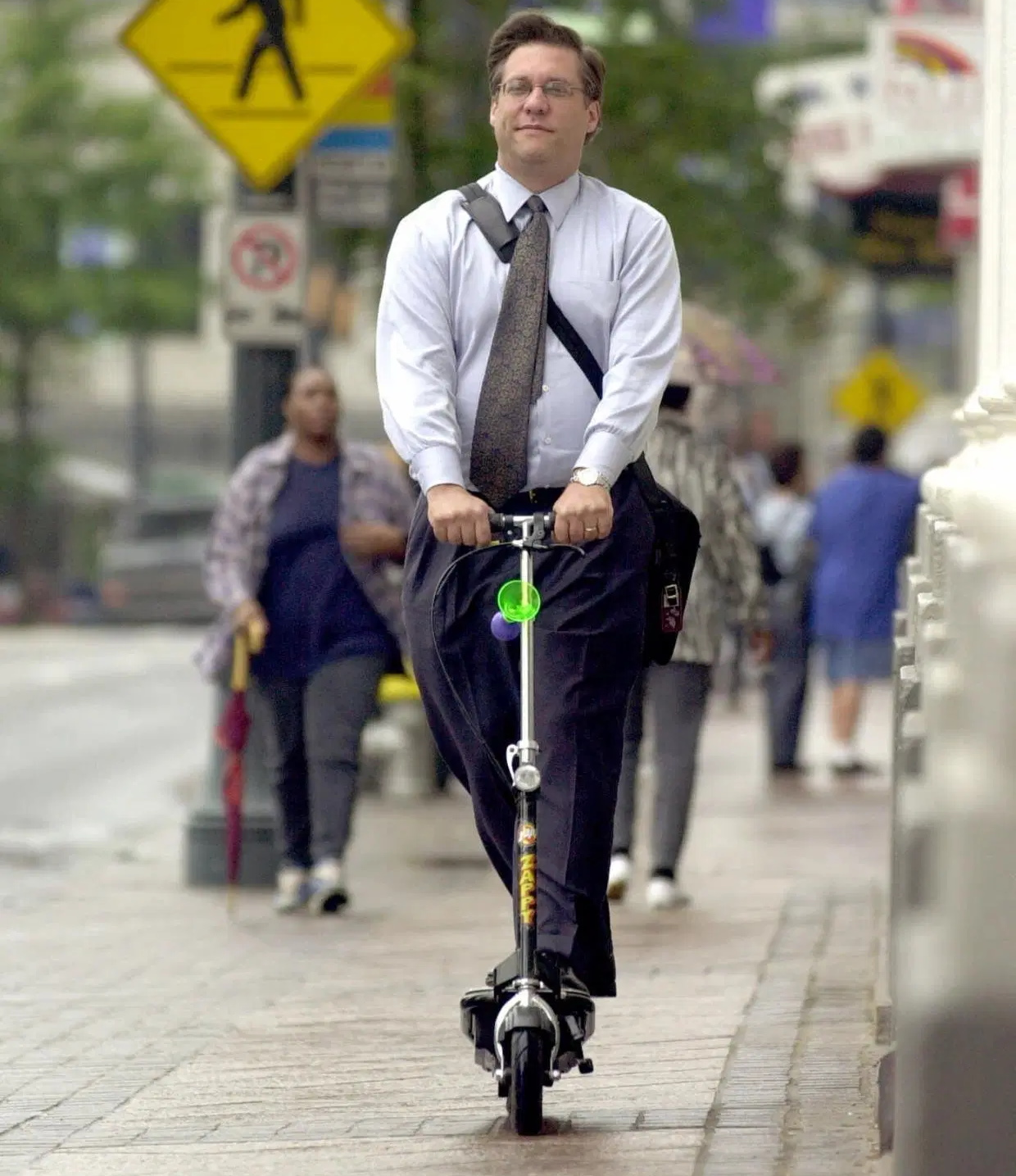
The history of electric vehicles (EVs) is punctuated by periods of promise and disappointment, often directly linked to the limitations of battery technology. Decades ago, both electric cars and early electric scooters, such as the Zappy from the late 1990s and early 2000s, were largely held back by cumbersome lead-acid batteries. These power sources were notoriously heavy, offered limited power output, provided insufficient range, and required excessively long charging times. In essence, the underlying battery technology rendered these early electric vehicles impractical for widespread adoption, consigning them to niche markets or fleeting trends.
The true turning point arrived with the maturation of lithium-ion (Li-ion) battery technology. Li-ion batteries boast a superior energy density, meaning they can store significantly more power in a smaller, lighter package compared to their lead-acid predecessors. This advancement directly translated into lighter vehicles, extended ranges, faster charging capabilities, and overall improved performance. Consequently, Li-ion batteries became the linchpin for the commercial viability of modern electric cars, electric bicycles, and a vast array of portable electronic devices.

A critical factor in the widespread proliferation of Li-ion technology has been its dramatic cost reduction. According to data from BloombergNEF, the average price of a lithium-ion battery pack has fallen by over 89% in the last decade, from more than $1,100 per kilowatt-hour (kWh) in 2010 to approximately $132/kWh by 2021. This sustained decline is attributed to economies of scale in manufacturing, advancements in cell chemistry, and increased competition among producers. For electric cars, where the battery can constitute 30-50% of the total vehicle cost, this reduction has been instrumental in making EVs increasingly competitive with internal combustion engine (ICE) vehicles.
Electric Scooters: A Microcosm of Macro Trends
Electric scooters serve as a particularly sensitive barometer for the broader trends in battery economics. Their minimalist design and compact structure mean that the battery often represents an even more substantial proportion of their total manufacturing cost compared to electric cars. Therefore, any significant fluctuation in battery prices directly and immediately impacts the affordability of electric scooters.
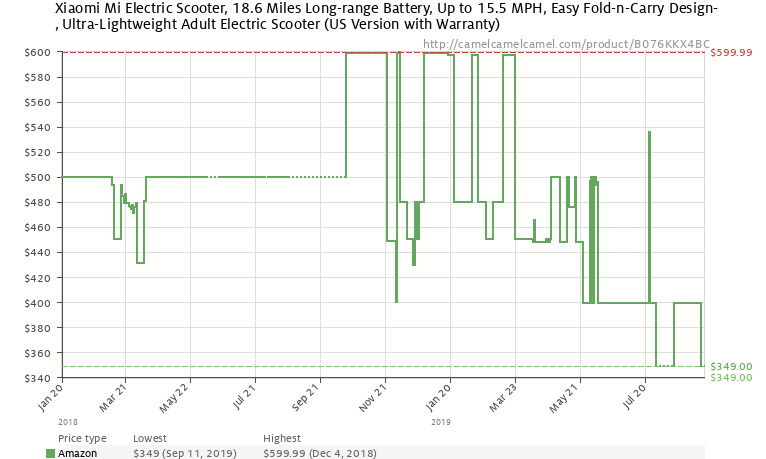
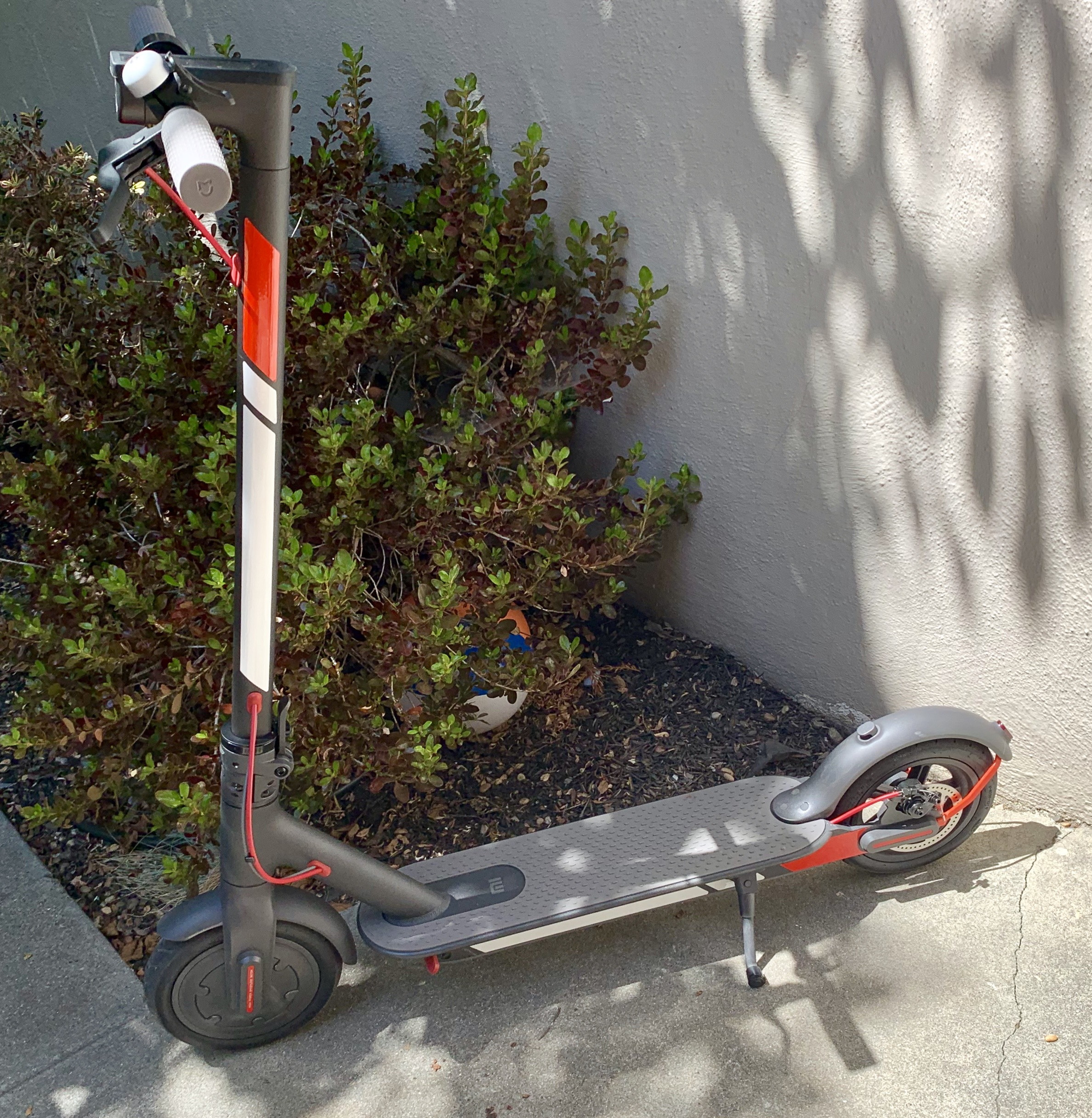
The Xiaomi Mi M365 stands out as a prime example of this phenomenon. Upon its introduction to the U.S. market in early 2017, this popular electric scooter retailed for approximately $800. Within a span of just three years, by late 2019, its price had effectively halved, often available for $300-$400. This dramatic 50% price drop in such a short period is a compelling real-world demonstration of the rapid decline in Li-ion battery costs, independent of other manufacturing variables like rubber, aluminum, or steel, whose production costs tend to be more stable.
The M365’s success not only highlighted battery cost reduction but also catalyzed the broader electric scooter market. Its affordability and robust performance paved the way for a diverse ecosystem of models. The subsequent release of the Xiaomi M365 Pro, featuring improvements such as a larger battery, enhanced disc brake, more powerful motor, and an improved latch mechanism, signals a maturing market with incremental yet welcome advancements. Beyond Xiaomi, the market has diversified to include luxury electric scooters (e.g., Unagi), ultralight models (e.g., FluidFreeRide Mosquito), and even rugged off-road variants, showcasing a growing consumer demand for specialized micro-mobility solutions tailored to various needs and budgets.
The Rise of Shared Micro-mobility and its Challenges
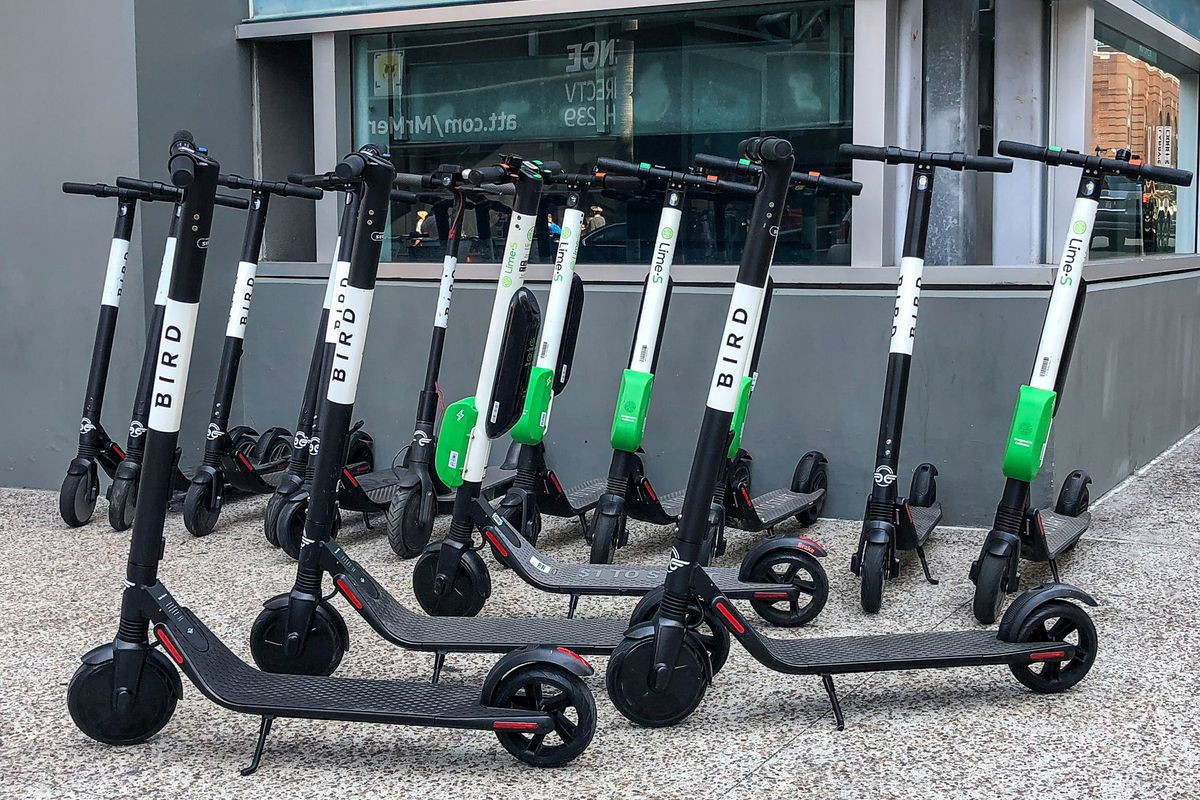
The affordability of electric scooters, driven by battery cost reductions, directly fueled the explosive growth of the shared micro-mobility industry. Beginning around 2017, companies like Bird, Lime, Skip, Spin, and Scoot rapidly deployed fleets of electric scooters in urban centers worldwide. Early versions of these rental scooters were often consumer models like the Xiaomi M365, slightly modified for the rigors of public use.
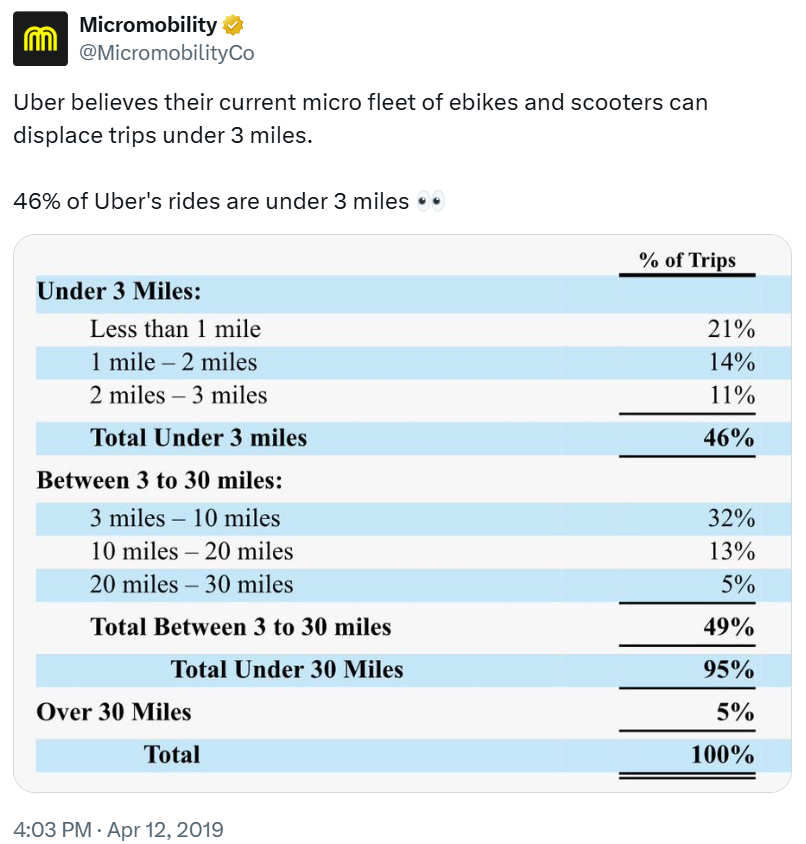
Initially, the business model revolved around per-minute rentals, offering a convenient "last-mile" transportation solution for urban dwellers. This model allowed users to locate, unlock, and ride scooters via smartphone applications, typically for a small unlock fee plus a per-minute charge. This convenience resonated with commuters seeking alternatives to car travel for short distances, as well as tourists exploring cities. Data from ride-sharing giant Uber, which also invested heavily in micro-mobility, indicated that a substantial portion—up to 46%—of their traditional car rides were for distances under three miles, a segment perfectly suited for electric scooters and e-bikes.
However, the rapid deployment and novel nature of these services also presented significant operational and logistical challenges. Companies faced issues with vandalism, theft, maintenance, and the complex logistics of collecting, charging, and redistributing scooters daily. These pressures led to a swift evolution in the industry. By late 2018, many shared mobility providers began migrating from modified consumer models to custom-built, ruggedized scooters designed specifically for the demanding rental market, featuring enhanced durability, longer battery life, and integrated GPS tracking. Furthermore, some companies started experimenting with alternative business models, such as monthly subscription services, moving beyond the purely transactional per-minute rental to offer more stable, long-term options to users, like Bird’s $25/month rental program for an M365.
Regulatory Roadblocks and Public Perception
The rapid influx of electric scooters onto urban streets created a regulatory vacuum and, at times, public backlash. Cities and local governments were often caught unprepared, lacking clear legal frameworks to govern the operation, parking, and safety of these new modes of transport. This led to a "Wild West" phase where regulations varied wildly from one jurisdiction to another, creating inconsistency and confusion for both operators and riders.
For instance, in California, early electric scooter laws stipulated that riders must possess a valid driver’s license—a requirement not typically imposed on electric bicycles—and prohibited their use on sidewalks. While some regulations, such as a 15-mile-per-hour speed restriction, were generally welcomed for safety reasons, others were seen as overly restrictive or ill-suited to the nature of micro-mobility. The consensus among urban planners and transport authorities is that a uniform and pragmatic regulatory approach is essential for the sustainable integration of electric scooters into urban ecosystems. This includes considerations for designated parking zones, mandatory helmet laws (where appropriate), and clear rules for road sharing.
Safety remains a paramount concern. While typical consumer models like the M365 have a practical top speed of around 15-18 mph, the market has also seen the emergence of high-performance models capable of speeds exceeding 40 mph. These powerful scooters, while offering exhilarating performance, introduce significant safety risks, particularly in urban environments shared with pedestrians and traditional vehicles. Accidents involving electric scooters have become a documented issue, prompting calls for stricter safety standards and rider education. Public perception has also been shaped by issues like haphazard parking, which can obstruct pedestrian pathways, and the occasional reckless riding, leading to tension between scooter users, pedestrians, and cyclists.
Electric Scooters: The Future of Urban Transportation?
The question of whether electric scooters represent the future of (most) urban transportation is multifaceted. Their advantages are compelling: they offer a cost-effective, environmentally friendly, and convenient solution for short-distance travel. As zero-emission vehicles at the point of use, they contribute to cleaner air in cities and can help reduce traffic congestion, especially when displacing single-occupancy car trips. Their compact size and portability make them ideal for navigating dense urban environments and for addressing the "last-mile" challenge, bridging the gap between public transit stops and final destinations.
However, limitations persist. Electric scooters are inherently weather-dependent, with cold, rain, or snow significantly impacting usability. Infrastructure remains a challenge; many cities lack dedicated micro-mobility lanes, forcing scooters to share space with either faster-moving vehicles or pedestrians, increasing safety risks. The perceived safety of scooters, particularly compared to more enclosed vehicles, is another barrier to universal adoption.
The trajectory of electric scooters stands in stark contrast to earlier attempts at personal urban mobility, such as the Segway. Launched in 2001 with immense hype and a promise to revolutionize personal transportation, the Segway carried a hefty price tag of $5,000 (approximately $7,200 in inflation-adjusted 2019 dollars). Its design, while innovative, was often perceived as awkward and impractical for everyday use, ultimately leading to its relegation to niche roles like mall security or tourist tours. In comparison, the modern electric scooter, with its sub-$400 price point and intuitive design, delivers on the promise of accessible, practical, and fun personal mobility that the Segway largely failed to achieve.
Looking Ahead: Innovations and Integration
The journey of the electric scooter from a niche gadget to a prominent urban mobility option highlights a transformative period in transportation. Continued technological advancements, particularly in battery chemistry and motor efficiency, are expected to further enhance performance, range, and charging speed while potentially driving costs down even further. Innovations in smart features, such as advanced GPS tracking, IoT integration for fleet management, and anti-theft mechanisms, will continue to refine the user experience and operational efficiency for both personal owners and shared service providers.
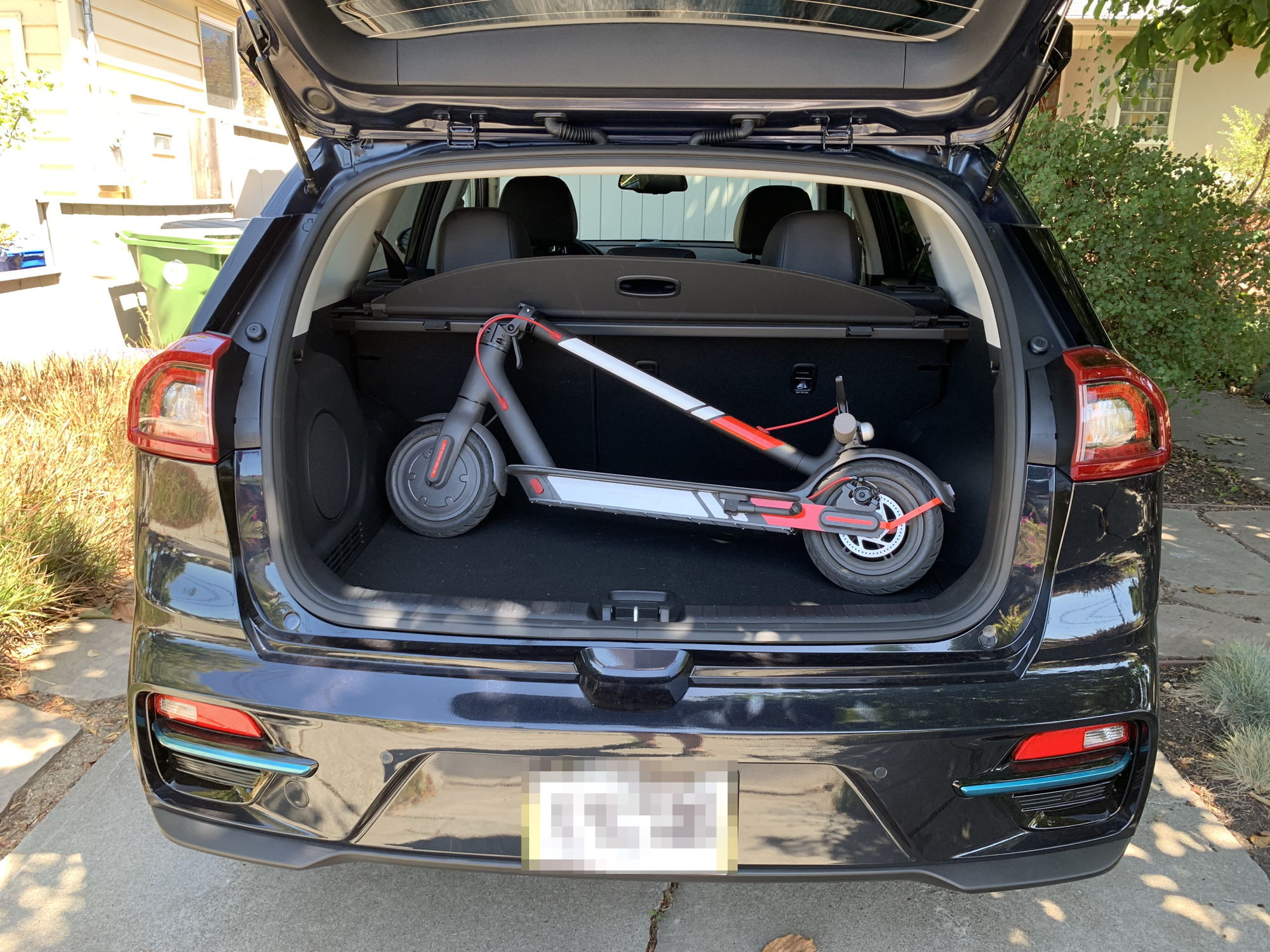
The future integration of electric scooters into urban life will also depend heavily on evolving infrastructure and policy. Cities are increasingly exploring dedicated micro-mobility lanes, integrated charging stations, and seamless connections with public transport hubs to create cohesive multi-modal transportation networks. Policy evolution will likely see the development of more harmonized and pragmatic regulations that prioritize safety and accessibility while fostering innovation. This collective effort, encompassing technological progress, urban planning, and policy adjustments, aims to facilitate a broader shift away from car-centric urban design, promising cleaner air, reduced congestion, and more livable cities for generations to come. The electric scooter, once a symbol of a futuristic fantasy, is now a tangible, affordable, and increasingly vital component of our present and future urban mobility landscape.
About the Author