The dramatic reduction in the cost of lithium-ion batteries has ignited an electric scooter revolution, transforming short-distance urban travel and positioning these compact vehicles as a formidable contender for the future of everyday transportation. This fundamental shift, driven primarily by advancements in energy storage technology, is making electric mobility increasingly accessible and affordable, with profound implications for urban planning, environmental sustainability, and personal commuting habits. While electric cars have seen their prices decrease, largely due to the enormous battery being a significant component of their overall cost, the impact on smaller, lighter electric vehicles like scooters is even more pronounced, as their design is intrinsically tied to the battery and electric motor.

The Power of the Battery: A Decisive Factor
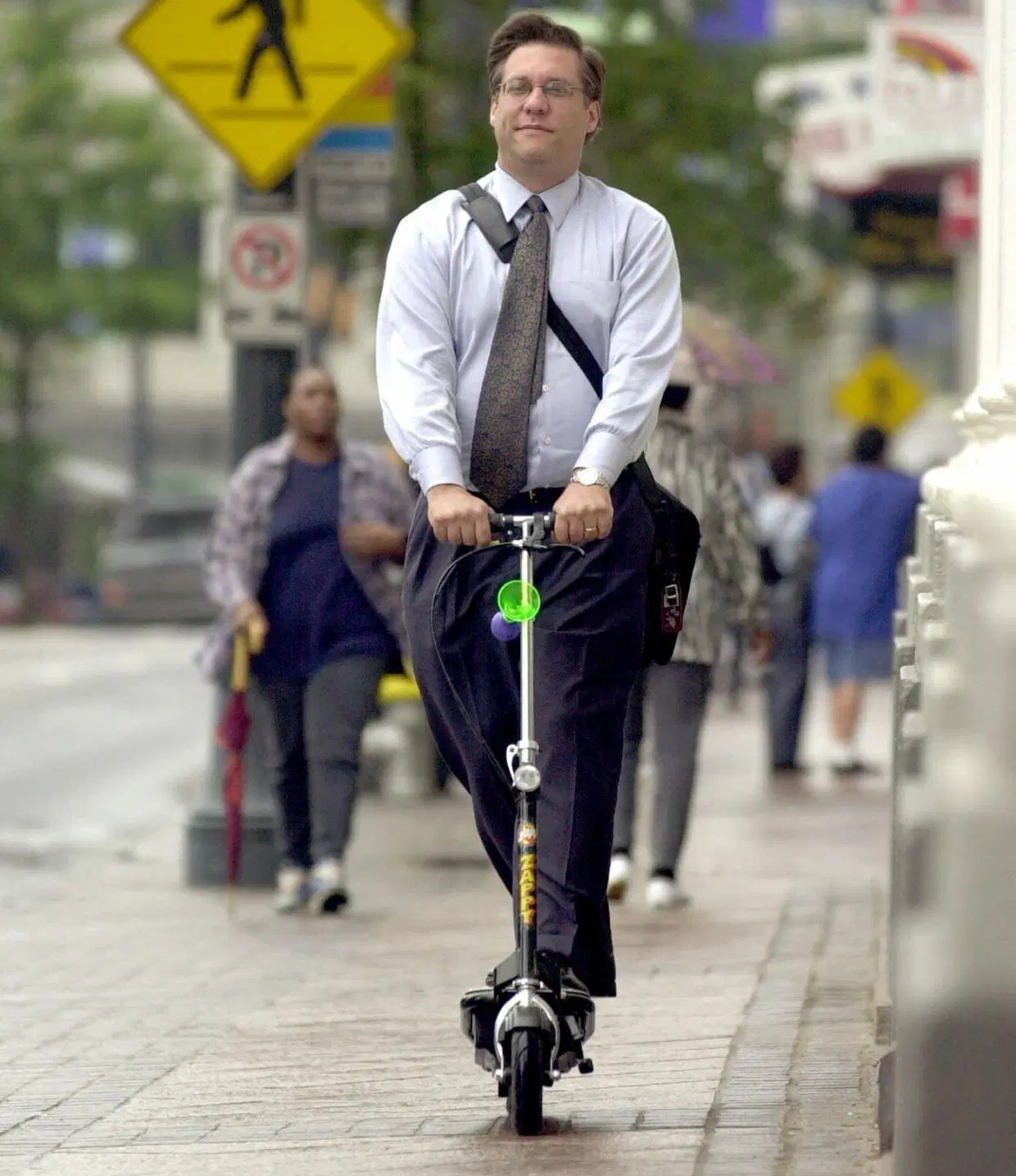
For decades, the promise of electric vehicles, both cars and scooters, was hampered by the limitations of antiquated battery technology. Early iterations, such as the Zappy electric scooter from two decades ago or the electric cars of the early 2000s, relied predominantly on heavy, low-power, and slow-charging lead-acid batteries. These batteries offered insufficient range and power density, rendering the vehicles impractical and commercially unviable for widespread adoption. The prevailing sentiment was that "the battery sucks," effectively stalling the electric vehicle movement.
The landscape began to change dramatically with the maturation of lithium-ion (Li-ion) battery technology. Initially developed for portable electronics, Li-ion batteries offered superior energy density, lighter weight, faster charging times, and a significantly longer lifespan compared to their lead-acid predecessors. This technological leap was the critical enabler, making not just electric cars but also electric scooters, bicycles, and virtually all portable electric devices truly viable.

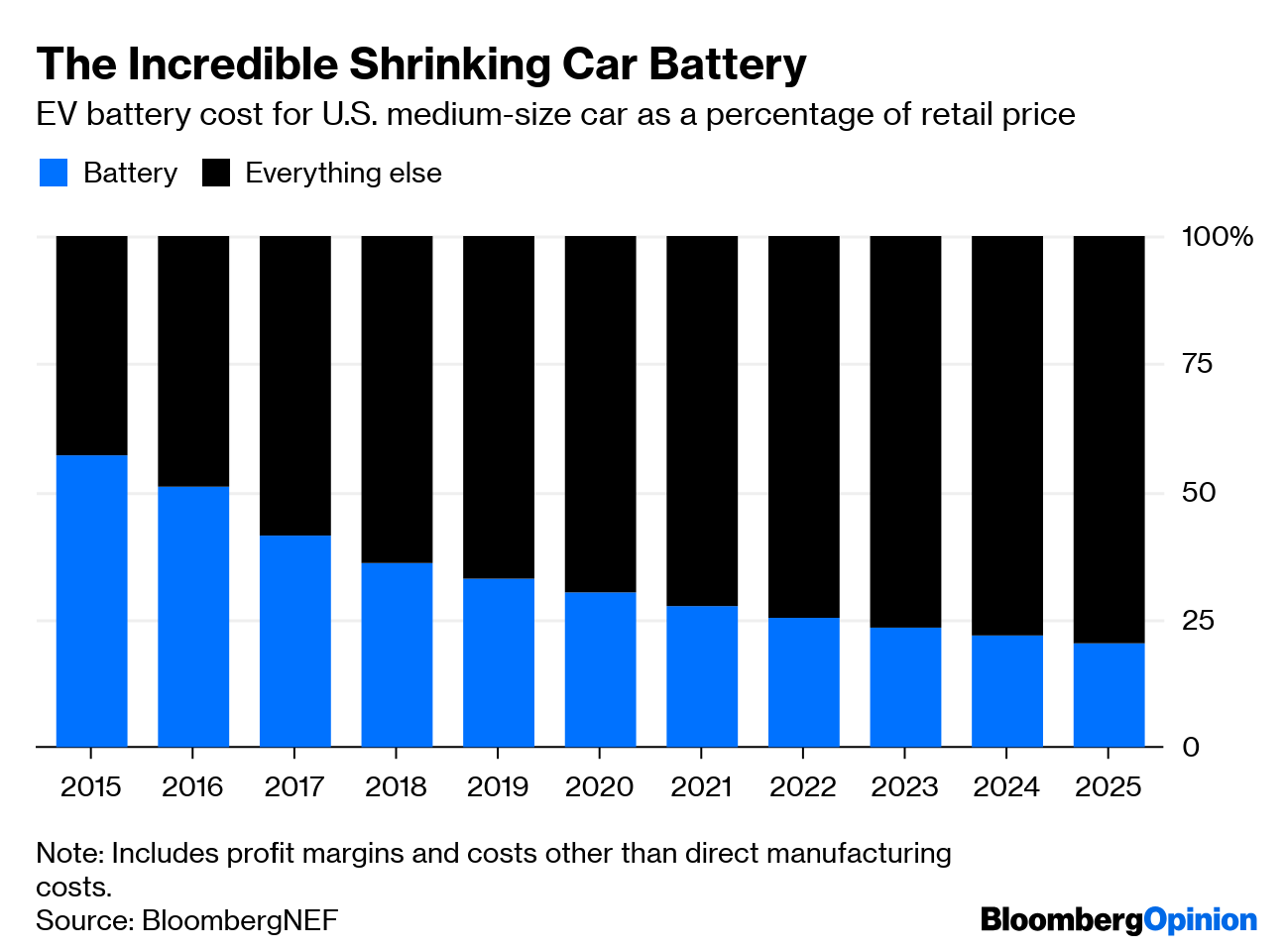
The economic implications of this technological evolution are staggering. According to BloombergNEF, the average price of a lithium-ion battery pack plummeted by approximately 89% between 2010 and 2023, from over $1,100 per kilowatt-hour (kWh) to an estimated $139/kWh in 2023. Projections suggest this downward trend will continue, with prices potentially dropping below $100/kWh in the coming years. This precipitous decline is attributed to economies of scale in manufacturing, improved battery chemistry, enhanced production processes, and fierce competition among global battery suppliers.
The Xiaomi Mi M365: A Case Study in Affordability
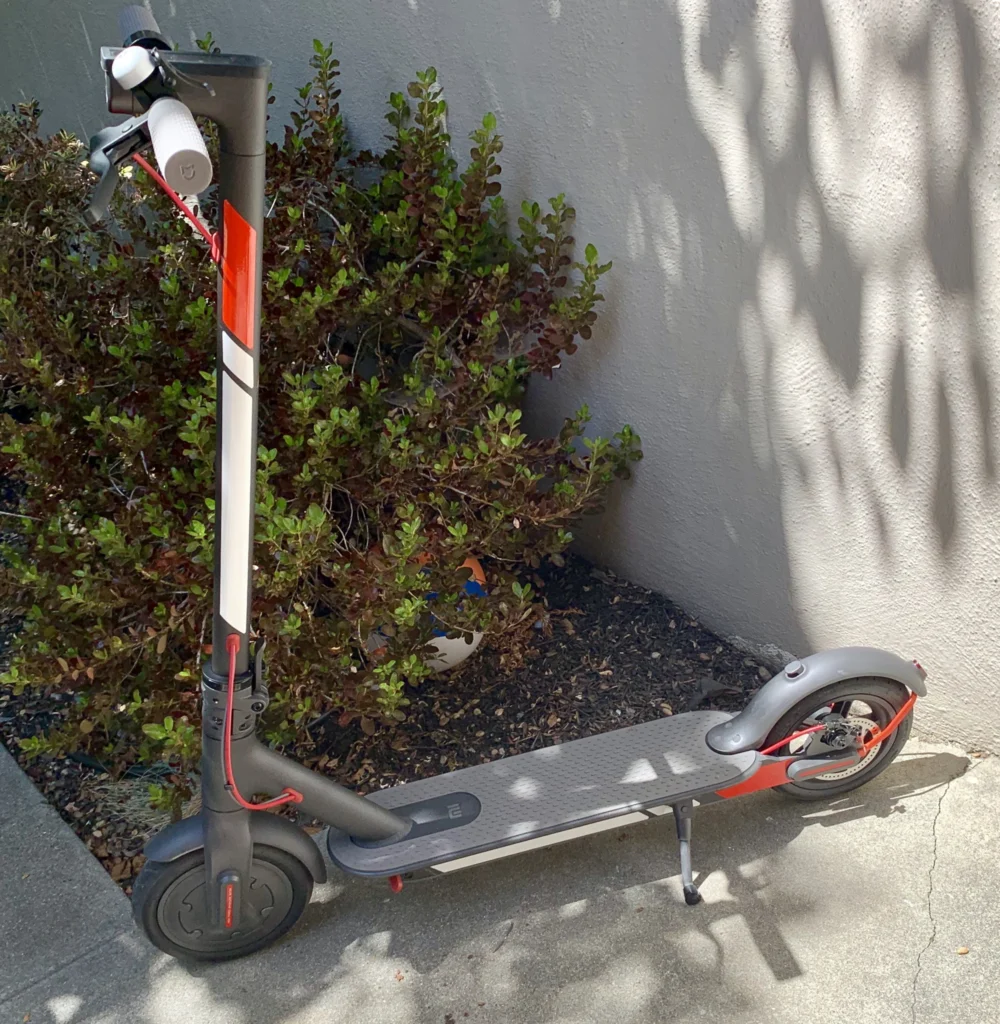
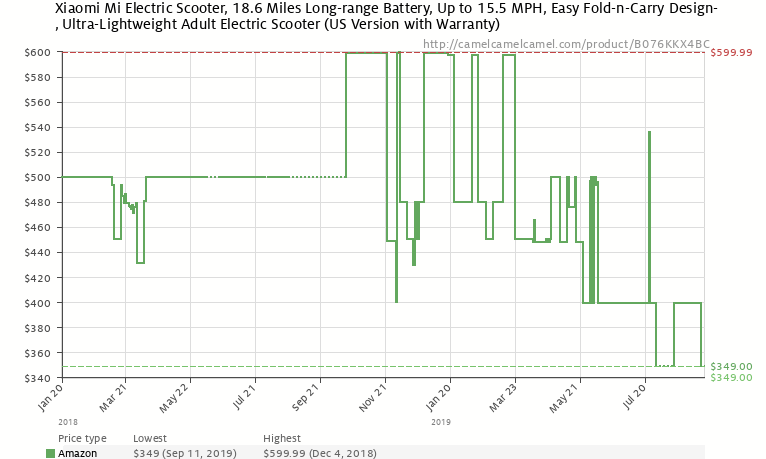
To truly grasp the impact of these declining battery costs, one need only look at the consumer market for electric scooters. The Xiaomi Mi M365 stands out as a prime example. Introduced to the U.S. market in early 2017 with an initial price point of around $800, this popular and well-reviewed model saw its price halve to approximately $300-$400 within just three years. This dramatic reduction underscores the direct correlation between falling battery prices and the affordability of the end product, especially for vehicles where the battery constitutes a substantial proportion of the manufacturing cost.
The Mi M365 quickly became a benchmark for entry-level electric scooters, celebrated for its balance of performance, portability, and value. Its success demonstrated that a high-quality, practical electric scooter could be made available to the masses at an accessible price point, catalyzing broader consumer interest and adoption. The market’s response was overwhelmingly positive, confirming that the economic barrier to entry for personal electric micro-mobility was rapidly diminishing.
The Rise of Shared Micro-mobility and Its Challenges
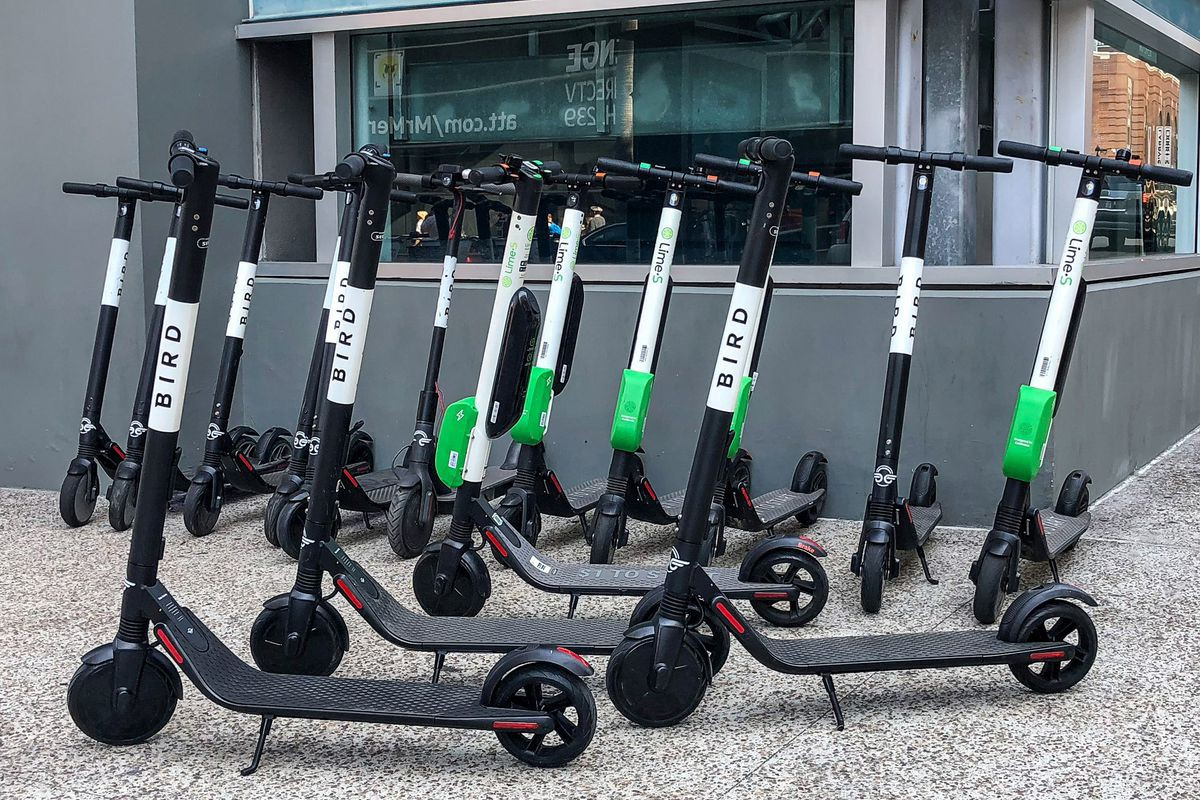
The period between 2016 and 2019, which saw the price of the Xiaomi M365 plummet, also coincided with the explosive growth of the quasi-legal electric scooter smartphone app rental industry. Companies like Bird, Lime, Skip, Spin, and Scoot rapidly deployed fleets of electric scooters in major urban centers worldwide. Early versions of Bird scooters, for instance, were initially modified Xiaomi M365s, testifying to the model’s robustness and suitability for mass deployment. By late 2018, these rental companies began migrating to custom-built, ruggedized scooters designed specifically to withstand the rigors of the shared mobility market.
The shared micro-mobility industry, while instrumental in introducing millions to electric scooters, faced its own set of significant challenges. Operational costs, including charging, maintenance, and addressing theft and vandalism, proved substantial. Business models evolved rapidly, with some companies experimenting with monthly rental subscriptions as an alternative to the per-minute charging structure. For example, Bird introduced a program in San Francisco and Barcelona allowing users to rent a Xiaomi M365 for $25 per month, signaling a pivot towards longer-term, more stable revenue streams. Despite these hurdles, the sheer visibility and availability of rental scooters played a crucial role in normalizing electric scooters as a legitimate mode of urban transport.
Regulatory Labyrinth and Safety Concerns
One of the most significant challenges confronting the widespread adoption of electric scooters is the patchwork of regulations – or often, the complete lack thereof – governing their use. Local governments globally have struggled to categorize and regulate these novel vehicles, leading to a confusing and inconsistent legal landscape. The rules vary wildly from city to city, and even within different jurisdictions of the same region, creating uncertainty for riders and operators alike.
In some areas, electric scooters are treated similarly to bicycles, while in others, they are subject to motor vehicle laws, requiring valid driver’s licenses, registration, and insurance. For example, California’s electric scooter laws, as of 2019, required riders to possess a valid driver’s license and explicitly prohibited riding on sidewalks – restrictions that many advocates argue are overly onerous for a vehicle designed for short-distance, often "last-mile" travel.
A critical aspect of regulation often revolves around speed limits. A widely accepted and generally agreed-upon restriction is a maximum speed of 15 miles per hour. This limit is considered a safe and brisk pace for an adult standing on a scooter without specialized safety equipment. The emergence of high-performance electric scooters, some capable of reaching speeds exceeding 40 miles per hour, highlights the need for clear guidelines. While these powerful models cater to a niche market, their existence underscores the potential for severe accidents if not operated responsibly and within appropriate legal frameworks. Safety equipment, particularly helmets, is another contentious point, with some jurisdictions mandating their use while others do not. The lack of uniform regulations poses a barrier to seamless integration into urban transit systems and necessitates ongoing dialogue between policymakers, manufacturers, and user groups.
Accident statistics, while still evolving, point to common causes such as collisions with pedestrians, motor vehicles, and falls due to uneven surfaces or operator inexperience. These incidents fuel public debate and push for clearer infrastructure adaptations, such as dedicated scooter lanes, and comprehensive safety education campaigns.
The Future of Urban Mobility: Micro-mobility’s Promise
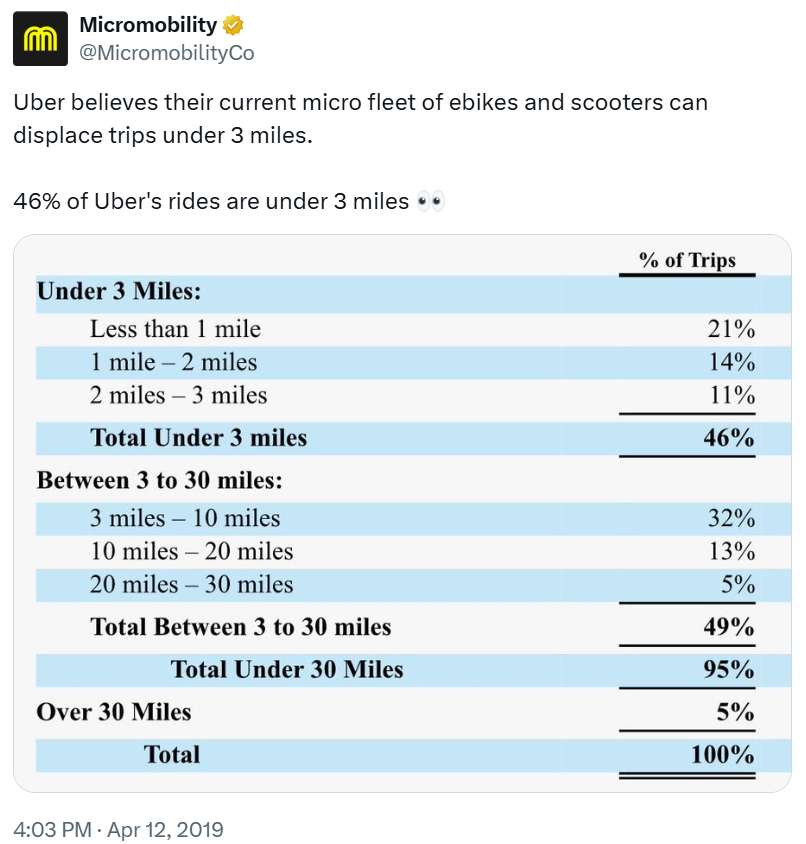
The central question remains: are electric scooters the future of transportation? Major transportation players like Uber have recognized the significant role micro-mobility can play in addressing urban commuting needs. Uber’s internal analysis revealed that a substantial portion of its rides – approximately 46% – were under three miles. The company believes that its micro-fleet of e-bikes and scooters can effectively displace these short trips, offering a more efficient, environmentally friendly, and often faster alternative to traditional car rides, especially in congested urban environments.
The transformative potential of electric scooters extends beyond individual convenience. They represent a vital component of a multimodal transportation ecosystem, capable of bridging the "last mile" gap between public transit hubs and final destinations. By offering a flexible and agile option for short distances, e-scooters can enhance the utility of buses, trains, and subways, making public transport more attractive and accessible.
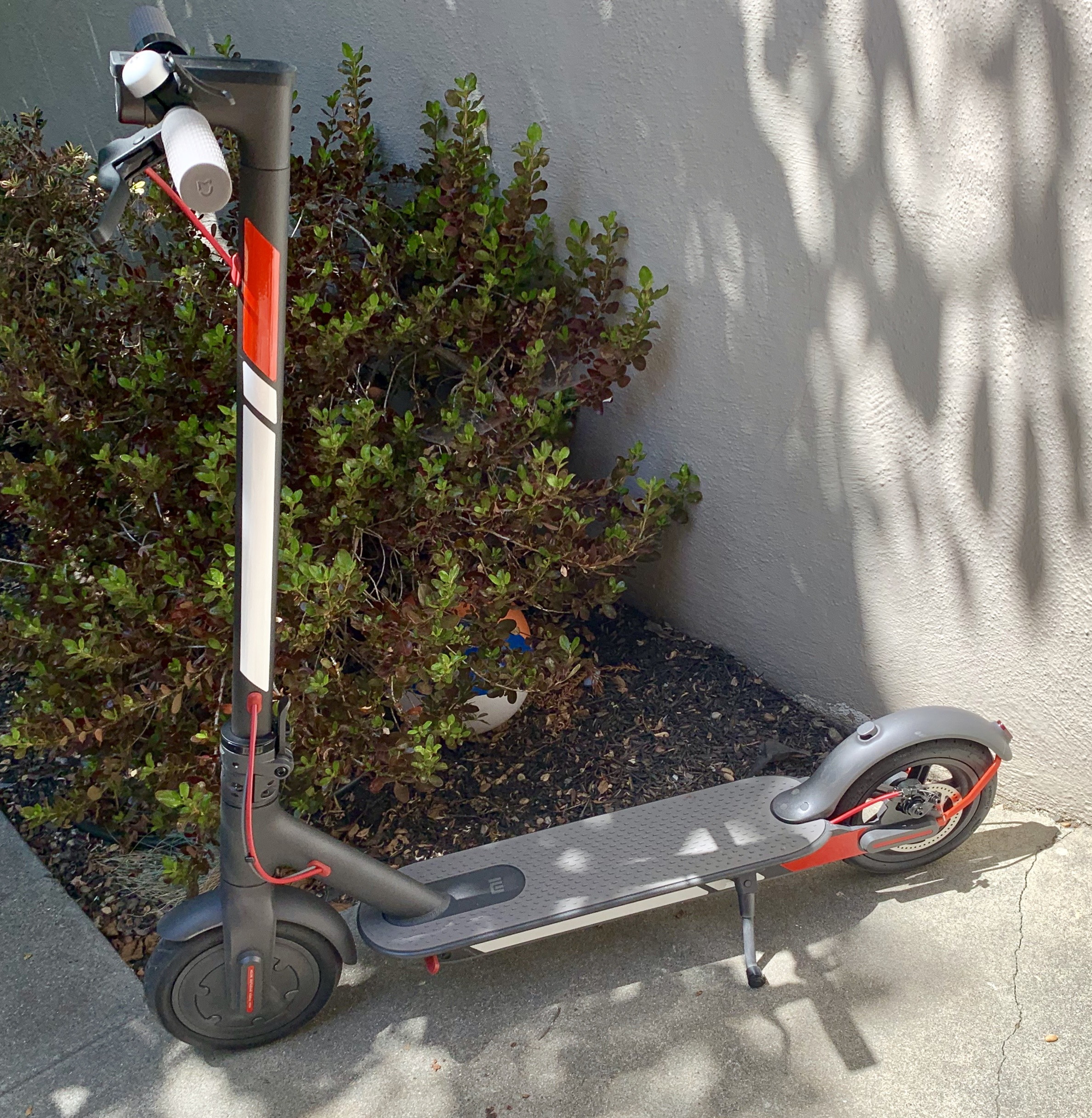
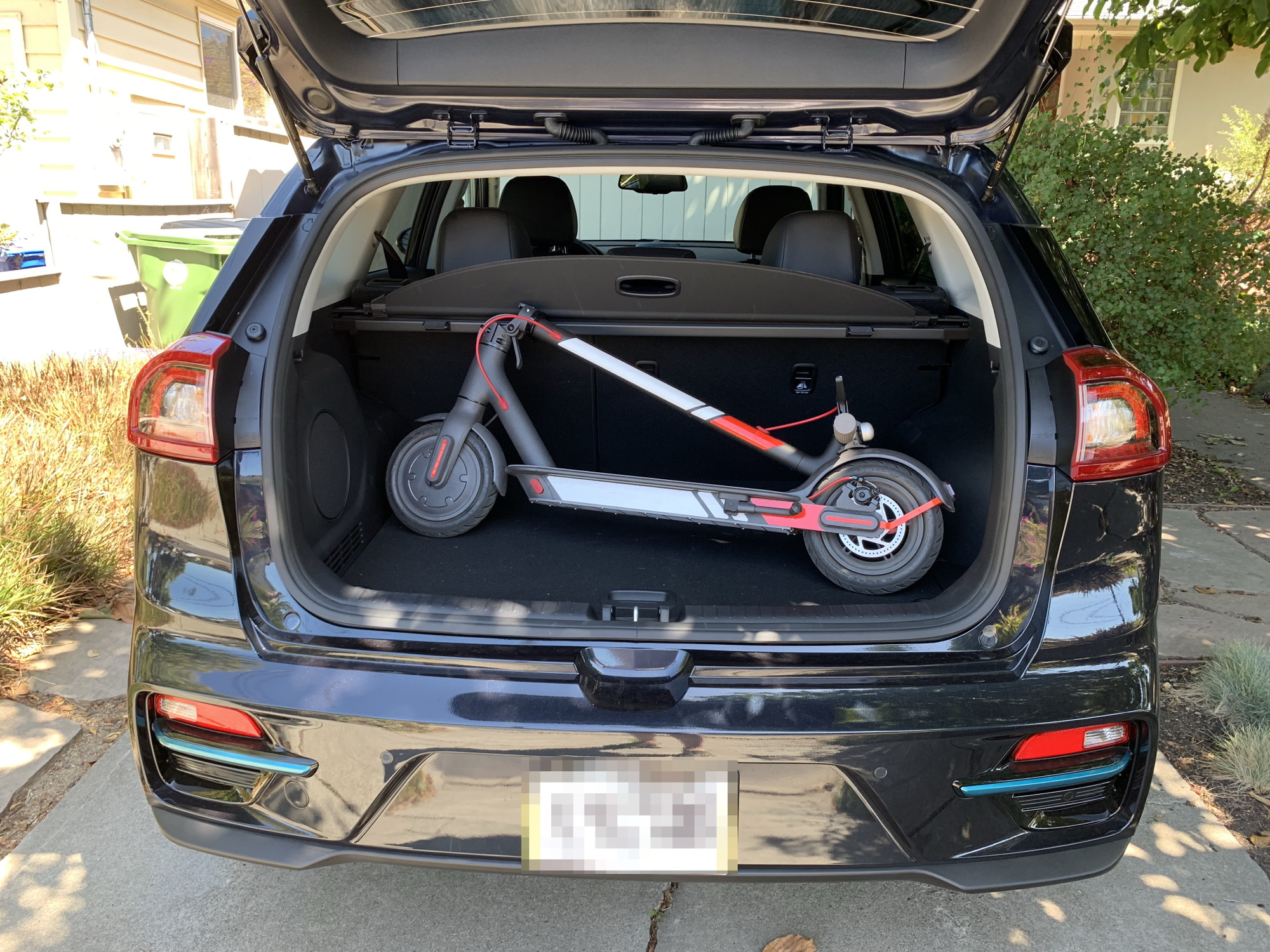
The personal ownership experience, as exemplified by the Xiaomi M365, further reinforces this potential. Users consistently praise their fun factor, ease of use, and practical utility for errands, commutes, or leisure rides. Features like Bluetooth connectivity and app integration, along with the potential for firmware customization, highlight the inherently digital nature of these modern electric vehicles, allowing for smart features and continuous improvement. While practical considerations like tire maintenance (e.g., vulnerability to flats on small tires, leading some users to opt for solid tubeless alternatives) exist, the overall value proposition remains compelling.
The lessons from the past, particularly the ill-fated Segway, provide valuable context. Launched in 2001 with immense hype and a price tag of $5,000 (equivalent to over $7,200 today), the Segway was envisioned as a world-changing personal transporter. However, its prohibitive cost, awkward design, and unclear regulatory status ultimately relegated it to a niche product, often associated with mall security rather than revolutionary urban transport. In contrast, the current generation of electric scooters, available for a fraction of the Segway’s cost, offers the mass-market accessibility and practicality that the Segway failed to deliver.
The diversity within the electric scooter market is also expanding rapidly, catering to a wide range of consumer preferences and needs. Beyond the "everyman" models like the M365, there are now luxury electric scooters, ultra-lightweight designs for extreme portability, and rugged off-road models for varied terrains. This specialization indicates a maturing market driven by innovation and consumer demand.
In conclusion, the confluence of rapidly declining lithium-ion battery costs, aggressive market entry by shared micro-mobility platforms, and increasing consumer acceptance has propelled electric scooters into the forefront of urban transportation discussions. While challenges remain, particularly in the realm of regulatory consistency and infrastructure adaptation, the economic viability and practical utility of these compact electric vehicles are undeniable. They offer a tangible solution to urban congestion, pollution, and the inefficiencies of short-distance travel. The journey from niche gadget to mainstream commuter tool has been swift and impactful, suggesting that electric scooters, alongside other forms of micro-mobility, are indeed charting a significant course towards a more sustainable and efficient future for urban transportation.
About the Author