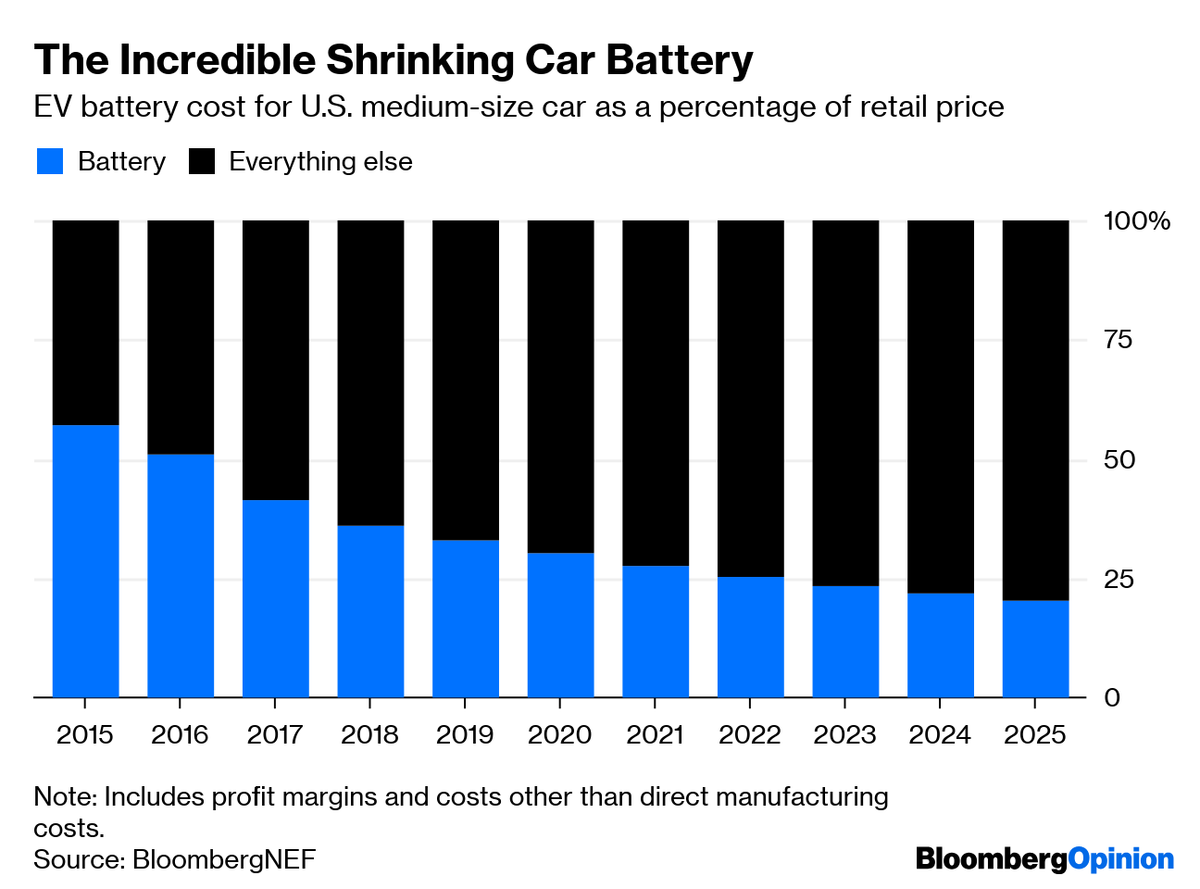
The electric car’s substantial battery represents a significant portion of its overall price. Therefore, the observed decrease in electric vehicle (EV) prices is intrinsically linked to declining battery costs, as the fundamental manufacturing expenses for components like rubber, aluminum, glass, and steel remain relatively stable. This principle is even more pronounced in the realm of electric scooters, where the battery and motor constitute the vast majority of the machine’s inherent value due to their lightweight, compact, and simplified design. The journey from nascent, cumbersome electric personal transport to today’s ubiquitous and affordable e-scooters provides a compelling case study in the transformative power of advancing battery technology and its profound impact on urban mobility.
The Genesis of Electric Personal Transportation: Early Hurdles and Technological Stagnation
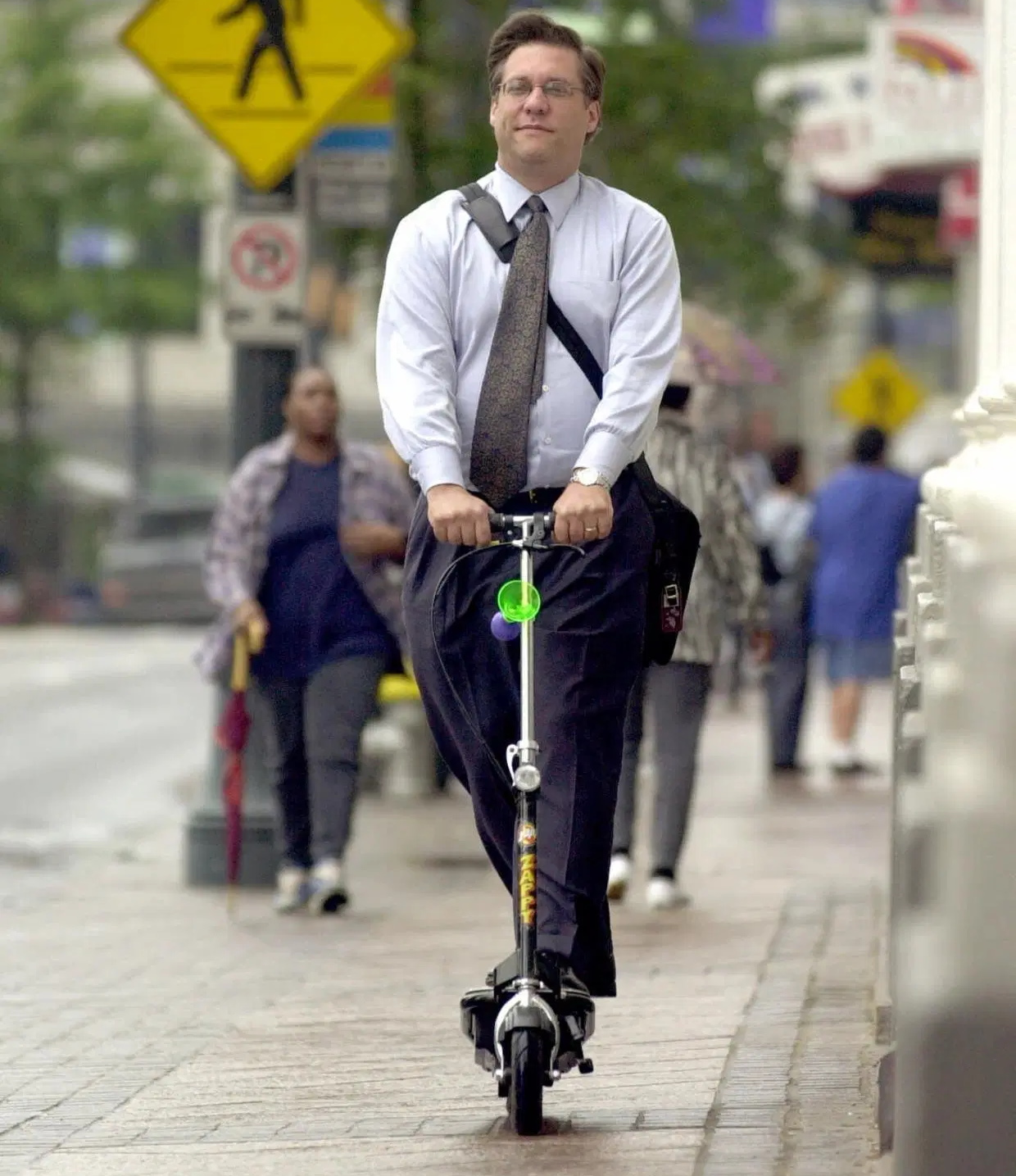
The concept of electric personal transportation is not new. Decades ago, rudimentary electric scooters like the Zappy, which emerged around the turn of the millennium, attempted to carve out a niche in the market. However, these early iterations were severely hampered by the limitations of the prevalent lead-acid battery technology. These batteries were excessively heavy, offered insufficient power output, provided meager range, and required prolonged charging times. Essentially, the battery technology of the era was a critical bottleneck, rendering electric cars and scooters largely impractical for widespread adoption. The dream of viable electric mobility remained largely unrealized until the advent and maturation of Lithium-ion (Li-ion) batteries.
The transition to Li-ion technology marked a pivotal turning point, enabling not only the commercial viability of electric cars but also a wide array of other electric devices, from smartphones to laptops and, critically, personal mobility solutions like scooters. Li-ion batteries boast superior energy density, allowing for lighter vehicles with longer ranges. They also offer higher power output for improved acceleration and quicker charging cycles, directly addressing the core deficiencies of their lead-acid predecessors.
The Economic Engine: Dramatic Decline in Lithium-ion Battery Costs

The primary driver behind the current electric vehicle renaissance, including scooters, is the precipitous decline in Li-ion battery costs. Data from BloombergNEF reveals a staggering reduction: the average price of Li-ion battery packs, which stood at over $1,100 per kilowatt-hour (kWh) in 2010, plummeted to approximately $132/kWh by 2021, and forecasts suggest further drops below $100/kWh in the coming years. This monumental cost reduction, driven by economies of scale, technological advancements in cell chemistry, improved manufacturing processes, and increased competition, has fundamentally altered the economic landscape for electric vehicles.
For electric cars, where battery packs can range from 40 kWh to over 100 kWh, this cost reduction translates into thousands of dollars saved per vehicle, making EVs increasingly competitive with internal combustion engine counterparts. For electric scooters, which typically feature much smaller batteries (e.g., 0.2 kWh to 0.5 kWh), even modest percentage drops in battery cost per kWh have a disproportionately significant impact on the final retail price, making them accessible to a much broader consumer base.
The Xiaomi Mi M365: A Benchmark of Affordability and Accessibility
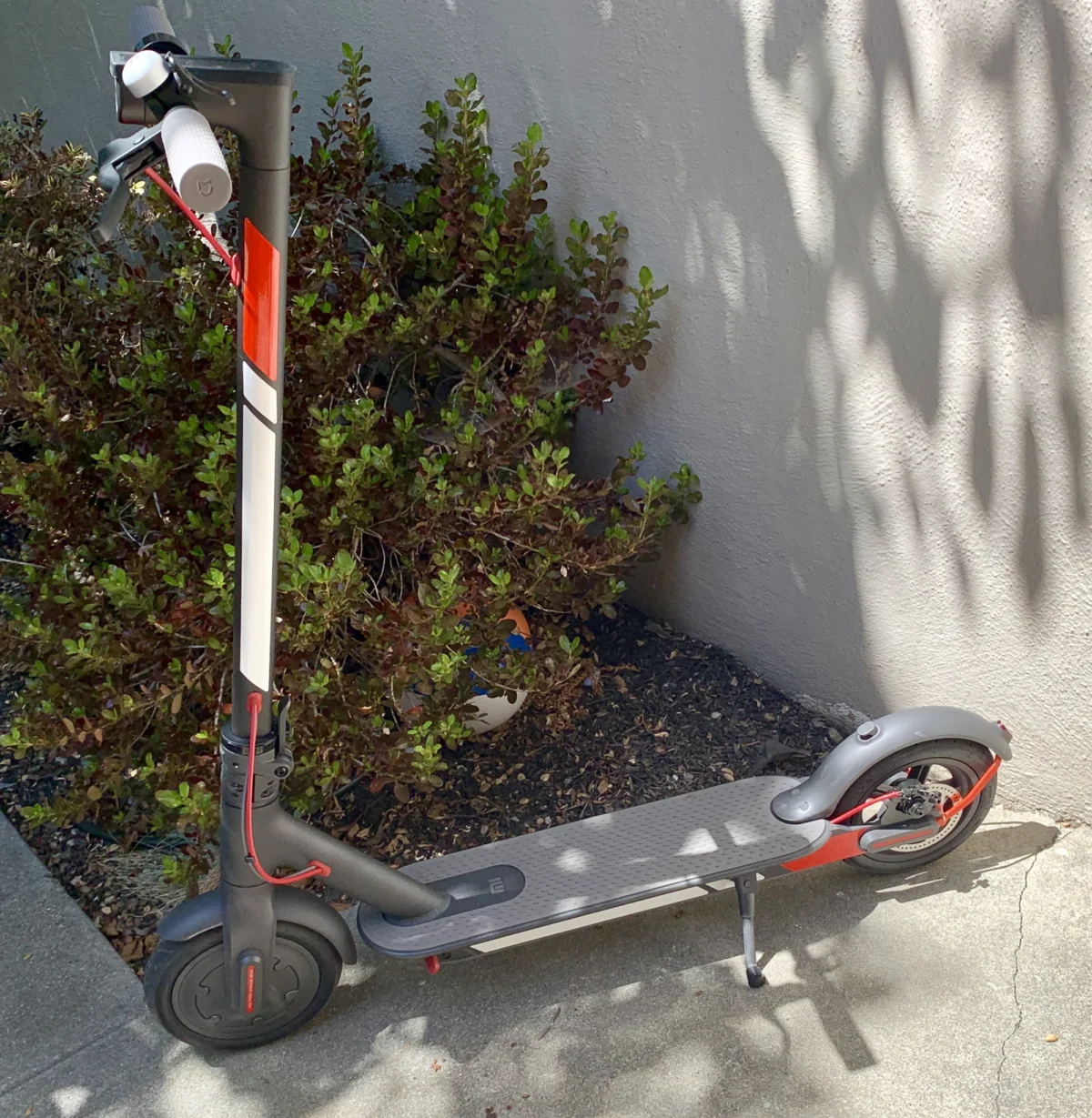
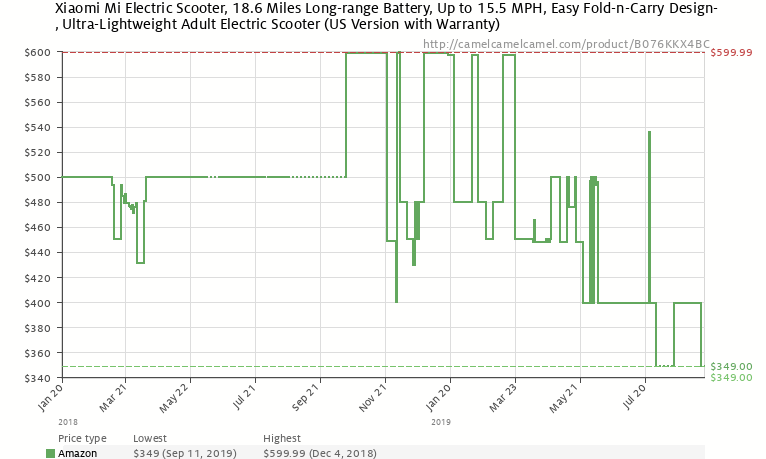
To illustrate the tangible effect of these declining battery costs, one need only examine the price trajectory of popular electric scooter models. The Xiaomi Mi M365, a ubiquitous and widely acclaimed electric scooter, serves as an excellent case study. When it first entered the US market in early 2017, its price hovered around $800. Within approximately three years, by late 2019, the price for this popular and common electric scooter had effectively halved, often available for $300-$400. This dramatic price drop underscores the direct correlation between battery cost reductions and the affordability of personal electric vehicles.
The M365’s success was not merely a function of its low price; it offered a compelling package of features, including a decent range, respectable top speed (typically around 15-18 mph), a foldable design for portability, and robust construction. Its value proposition was exceptionally high, democratizing access to electric scooter ownership and establishing it as a benchmark in the emerging personal electric mobility market.
The Rise of the Rental Ecosystem and Market Diversification
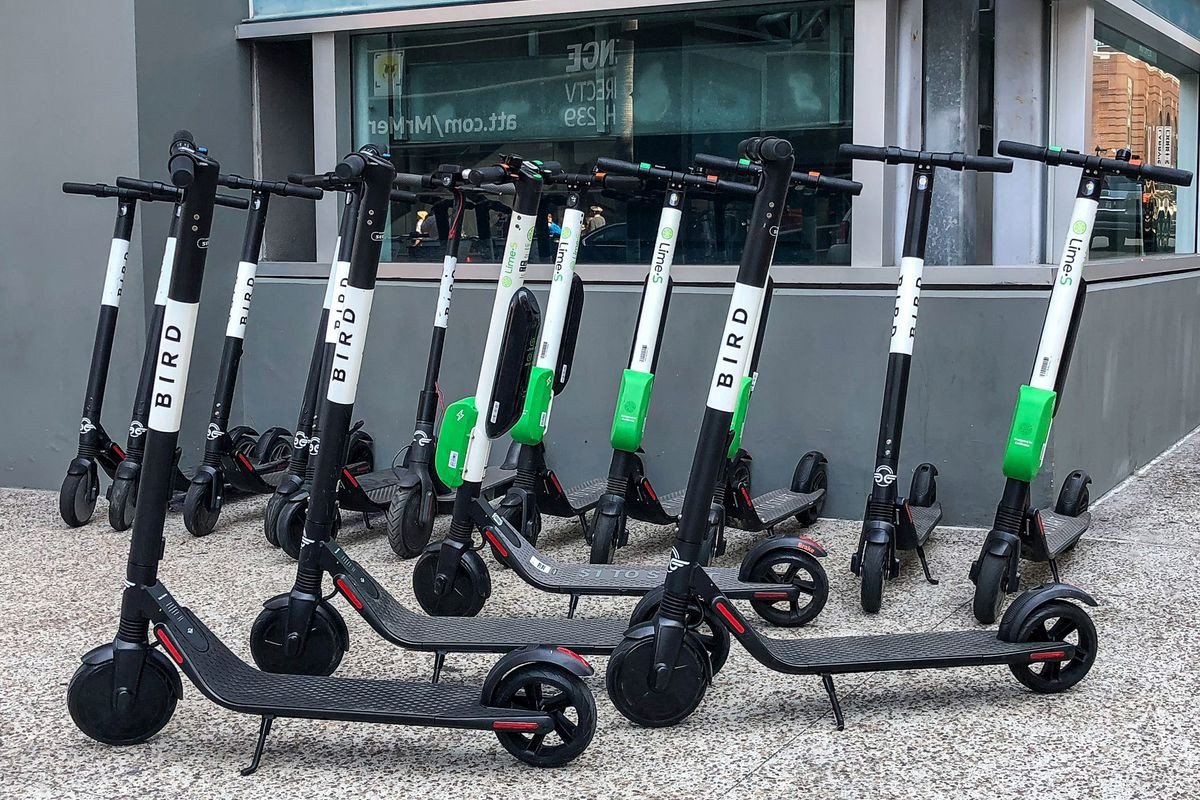
The rapid decrease in electric scooter prices between 2016 and 2019 coincided with, and indeed facilitated, the explosive growth of the smartphone app-based electric scooter rental industry. Companies like Bird, Lime, Skip, Spin, and Scoot flooded urban landscapes with shared electric scooters, initially often using slightly modified versions of consumer models like the Xiaomi M365. This phenomenon introduced electric scooters to millions, making them a visible and accessible option for short-distance travel.
The rental industry, while facing its own set of operational and logistical challenges—including maintenance, battery charging, theft, and vandalism—played a crucial role in normalizing electric scooters as a legitimate mode of transport. Over time, these companies evolved, migrating from off-the-shelf models to custom-built, ruggedized scooters specifically designed for the rigors of the rental market. Furthermore, their business models have adapted, with some providers experimenting with monthly rental subscriptions as an alternative to the per-minute payment structure, aiming for greater sustainability and user commitment.
Beyond the shared mobility sector, the personal electric scooter market itself has diversified considerably. Consumers now have a wide array of options catering to various needs and preferences:
- Luxury Models: Such as those offered by Unagi, emphasizing premium design, high-quality materials, and enhanced features.
- Ultralight Scooters: Designed for maximum portability, ideal for commuters who need to carry their scooter onto public transport.
- Rugged Off-road Scooters: Featuring dual motors, enhanced suspension, and robust tires, capable of tackling varied terrains.
- High-Performance Scooters: With powerful motors and large batteries, capable of speeds exceeding 40 mph, albeit raising significant safety and regulatory concerns. These powerful machines, like the Turbowheel Lightning, highlight the extreme ends of the performance spectrum, demonstrating what is technically possible, even if not always practical or safe for public roads.
Navigating the Regulatory Labyrinth: A Patchwork of Laws
Despite the technological advancements and market growth, one of the most significant challenges facing the widespread adoption of electric scooters is the inconsistent and often ambiguous regulatory landscape. Local governments worldwide have struggled to keep pace with the rapid emergence of this new mode of transport, resulting in a confusing patchwork of laws and ordinances.
Regulations vary wildly from city to city and country to country, affecting where scooters can be ridden (sidewalks, bike lanes, roads), speed limits, helmet requirements, minimum age for riders, and whether a driver’s license is mandatory. For instance, some jurisdictions, like California, require electric scooter riders to possess a valid driver’s license, unlike electric bicycle riders, and prohibit scooters from sidewalks. These restrictions, while often well-intentioned to ensure public safety, can be seen by advocates as overly onerous and counterproductive to promoting micro-mobility.
City officials and urban planners often cite safety concerns—both for riders and pedestrians—as the primary reason for regulation. Accidents involving electric scooters have become a documented issue, prompting calls for clearer rules regarding speed, pedestrian right-of-way, and designated riding areas. Solutions being explored include:
- Dedicated Infrastructure: Investing in more bike lanes and shared paths that can safely accommodate scooters.
- Standardized Speed Limits: Many jurisdictions agree on a 15 mph (24 km/h) speed cap for consumer-grade scooters on public thoroughfares, balancing utility with safety.
- Geofencing Technology: Rental companies often employ geofencing to enforce slow zones or no-ride zones in pedestrian-heavy areas.
- Public Awareness Campaigns: Educating riders on safety protocols and local laws.
The challenge lies in finding a regulatory framework that fosters innovation and sustainable transport options while effectively addressing safety and urban clutter issues. Dialogue between industry stakeholders, urban planners, and local authorities is crucial to develop consistent, logical, and effective regulations that support the integration of electric scooters into the urban fabric.
Electric Scooters: The Future of Urban Transportation?
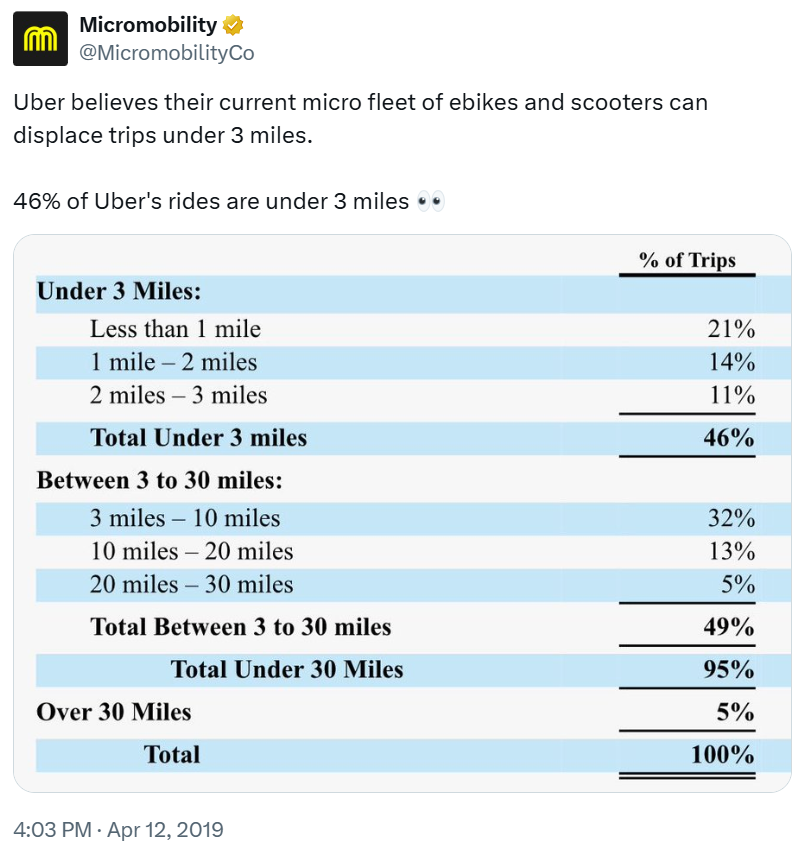
The question of whether electric scooters represent the future of transportation, or at least a significant part of it, is increasingly being answered in the affirmative for short-distance urban travel. Even major transportation giants like Uber recognize the inefficiency of using cars for a large percentage of trips. Uber’s own data suggests that nearly half of its rides are under three miles, a distance perfectly suited for micro-mobility solutions like electric bikes and scooters.
The benefits of electric scooters in urban environments are manifold:
- Last-Mile Connectivity: They provide an efficient solution for bridging the gap between public transit hubs and final destinations.
- Reduced Congestion: By offering an alternative to single-occupancy vehicle trips, they can alleviate traffic jams.
- Environmental Benefits: Zero tailpipe emissions contribute to cleaner urban air quality.
- Affordability: Low purchase and operating costs make them an economical choice for many.
- Convenience: Their compact, foldable design allows for easy storage and integration into multi-modal commutes.
However, widespread adoption also faces hurdles beyond regulation. Infrastructure gaps, such as a lack of dedicated lanes, can force scooters into conflict with pedestrians or cars. Safety remains a concern, particularly with uneven road surfaces, potholes, and interactions with other vehicles. Weather conditions can also limit usability, making them less appealing in rain, snow, or extreme cold.
User Experience and Practical Considerations: The Xiaomi M365 Revisited
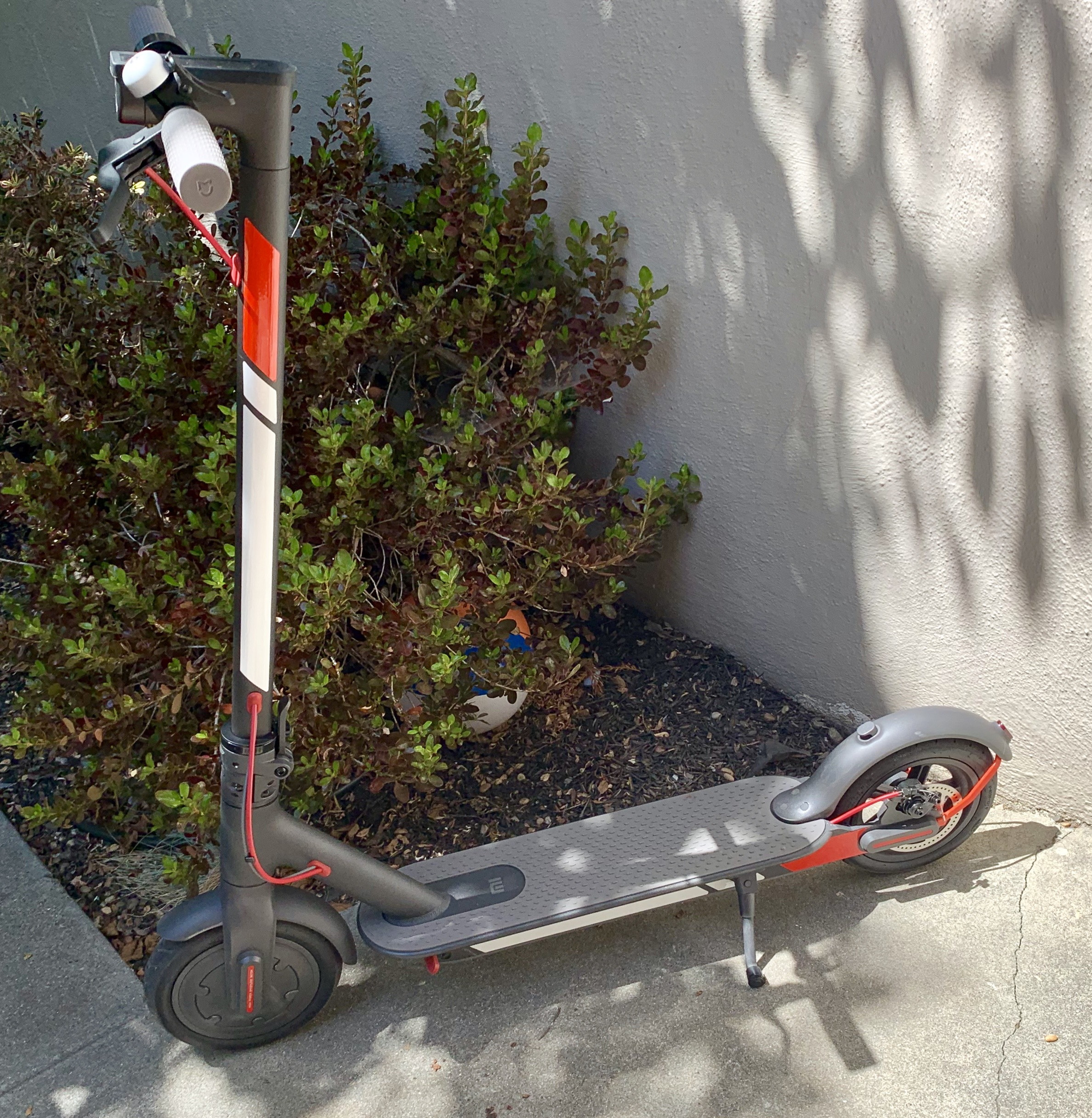
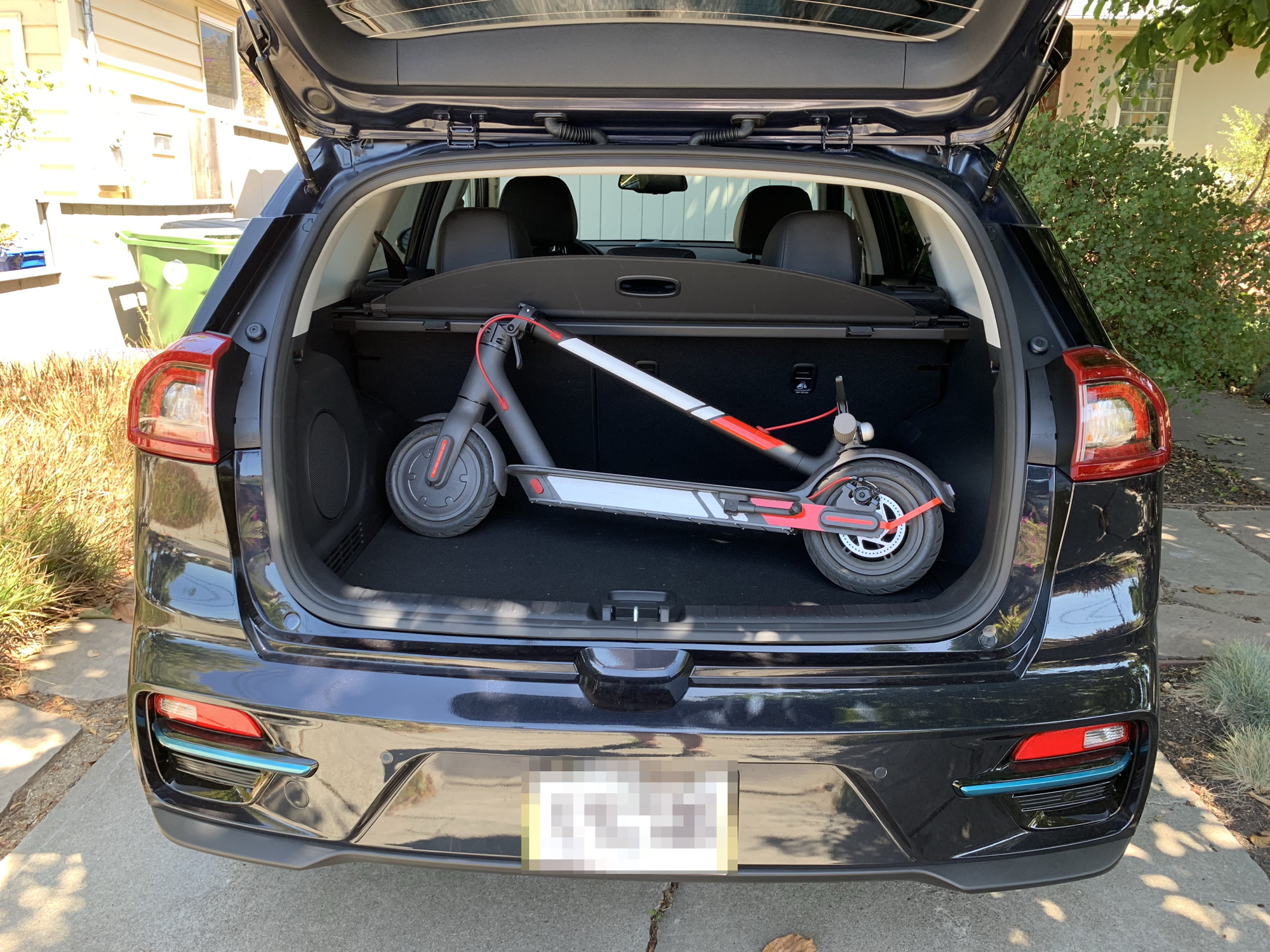
For those considering personal ownership, the current generation of electric scooters offers a highly enjoyable and practical experience. The Xiaomi Mi M365, for example, delivers on its promise of fun and functionality. Its straightforward operation, decent range (typically 18-25 miles on a single charge depending on conditions), and reliable performance make it an excellent entry-point.
Practical ownership considerations include:
- Tire Maintenance: Small pneumatic tires are susceptible to flats, which can be challenging to repair. Many users opt for preventative measures like tire sealant (e.g., Slime) or, in some cases, replace them with solid tubeless tires, sacrificing some ride comfort for puncture resistance.
- Firmware and Customization: The digital nature of modern electric vehicles, including scooters, means they often come with companion apps and even firmware that can be customized, offering insights into battery health, speed settings, and sometimes even performance tweaks.
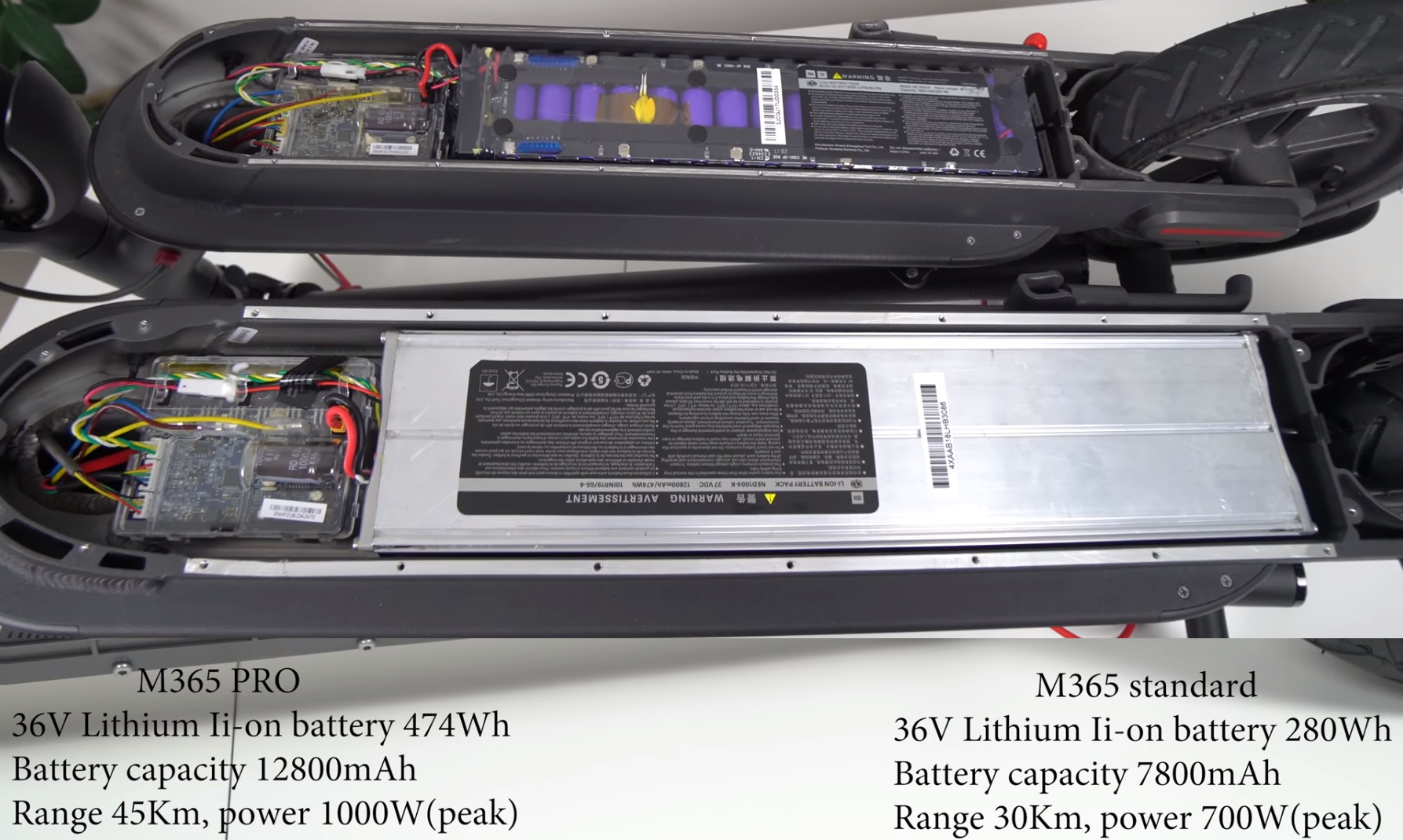
- Evolution to Pro Models: The successor, the Xiaomi M365 Pro, introduced incremental but welcome improvements: a larger battery for extended range, a more powerful motor for better hill climbing, an improved disc brake, and a better display. While these enhancements improve the overall experience, the significant price difference at launch often meant the original M365 retained its superior value proposition for many consumers.
From Segway’s Promise to Scooter’s Reality: A Twenty-Year Journey
The current electric scooter revolution offers a stark contrast to the trajectory of the Segway, a device that, at its 2001 launch, was heralded as a world-changing invention. Priced at an exorbitant $5,000 (equivalent to over $7,200 in 2019 inflation-adjusted dollars), the Segway was a technological marvel but failed to achieve widespread adoption beyond niche markets like tourism and security. Its high cost, unique learning curve, and often awkward public perception ("Paul Blart Mall Cop" syndrome) relegated it to a curiosity rather than a transformative transport solution.
Today, the humble electric scooter, available for a fraction of the Segway’s original cost, has achieved what its hyped predecessor could not: genuine mass-market appeal and practical integration into daily urban life. This transformation, largely driven by the relentless progress in Li-ion battery technology and economies of scale in manufacturing, demonstrates how sustained innovation can eventually deliver on promises that once seemed futuristic or prohibitively expensive.
While the exact shape of future transportation remains dynamic, the trajectory is clear: smaller, more efficient, and increasingly affordable electric personal vehicles will play a pivotal role. The electric scooter, once a novelty, is now a legitimate contender in the ecosystem of urban mobility, illustrating a profound shift in how we move within our cities—a shift that took two decades to fully materialize, powered by the unseen revolution in battery chemistry.
About the Author