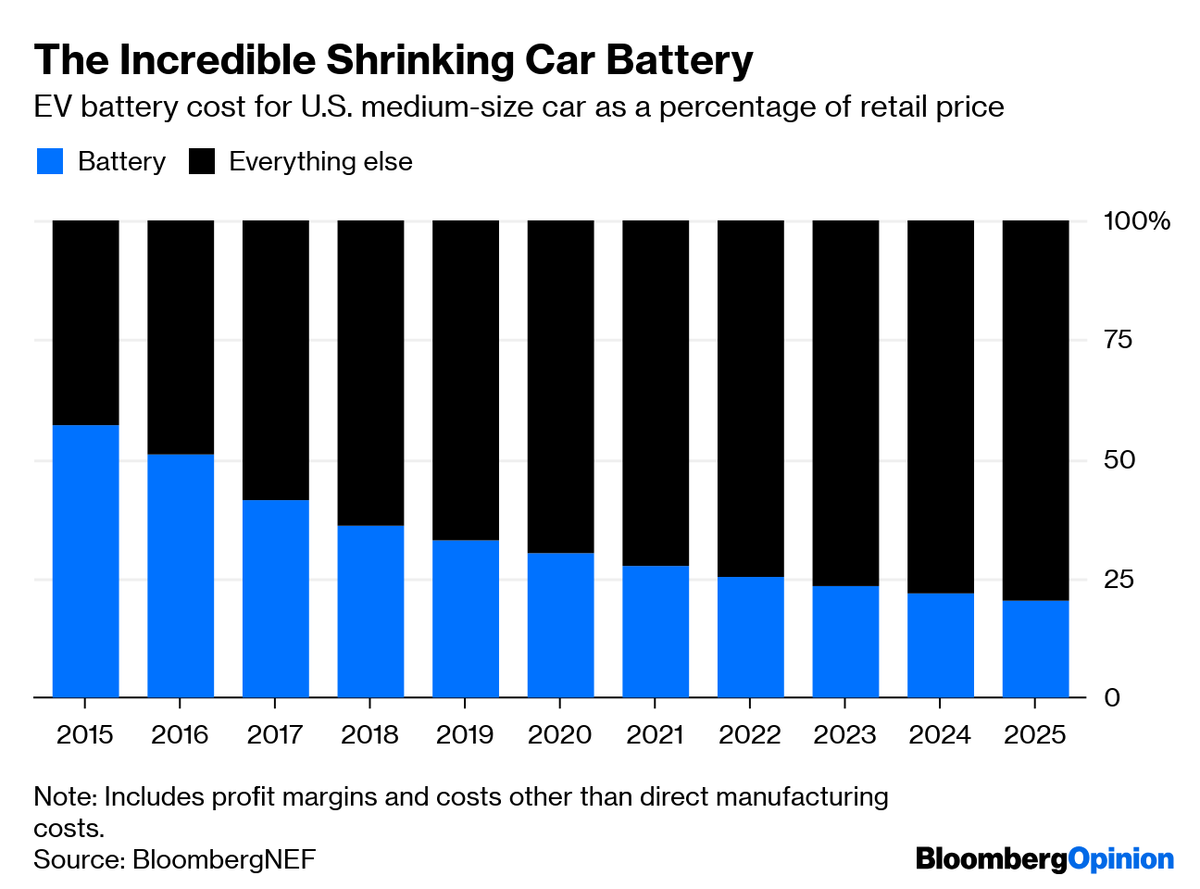
The profound transformation in urban mobility, marked by the surging popularity and affordability of electric vehicles, owes a significant debt to advancements in battery technology. Central to this shift is the dramatic reduction in the cost of lithium-ion batteries, a factor that has not only made electric cars more accessible but has also fundamentally redefined the viability and market penetration of lightweight personal transport options like electric scooters. While electric cars feature enormous batteries that constitute a major portion of their overall price, the impact of battery cost reductions on electric scooters is even more pronounced, given their minimalist design. These compact machines are essentially a battery and an electric motor, making their price point highly sensitive to energy storage expenses.
The Evolution of Electric Personal Transport: From Lead-Acid to Lithium-Ion
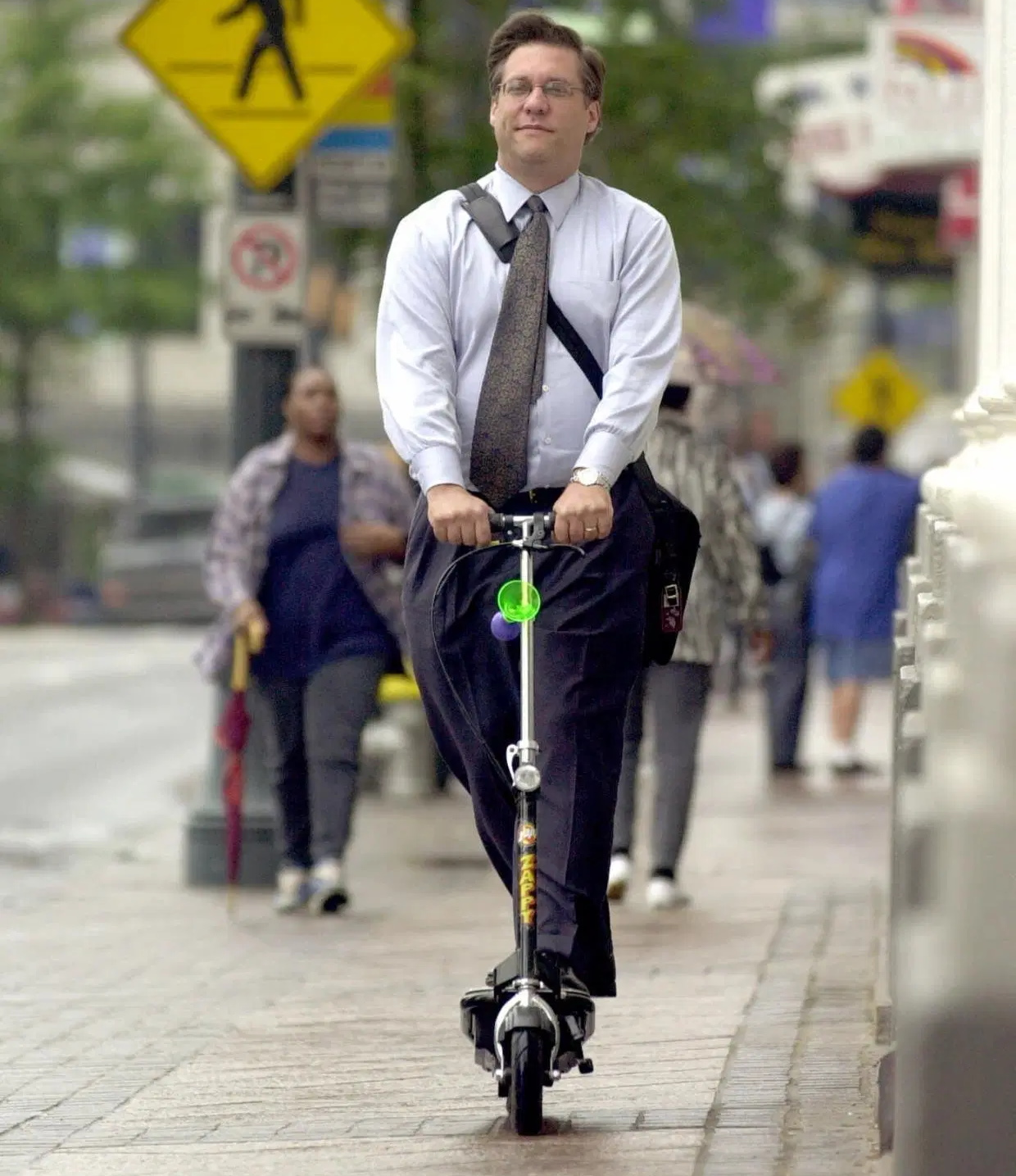
The concept of electric personal transportation is not new. Decades ago, rudimentary electric scooters, such as the Zappy, attempted to carve out a niche in the market. However, these early iterations were largely hampered by the limitations of their power source: lead-acid batteries. This older technology presented a myriad of challenges: excessive weight, insufficient power output, limited range, and prolonged charging times. In essence, the battery technology of the era was inadequate, rendering electric vehicles of all types, including scooters, impractical for widespread adoption. The narrative was similar for electric cars in the early 2000s; their commercial viability remained constrained by the same fundamental battery shortcomings. It was only with the maturation and mass production of lithium-ion batteries that both electric cars and electric scooters—and indeed, nearly all portable electronic devices—became commercially viable and attractive to consumers.
The widespread availability and decreasing cost of lithium-ion batteries have been a game-changer. Data from BloombergNEF indicates a precipitous decline in lithium-ion battery pack prices, falling by over 89% from 2010 to 2023, from approximately $1,200 per kilowatt-hour (kWh) to around $139/kWh. This consistent downward trend has been driven by economies of scale, technological improvements, increased manufacturing efficiency, and fierce competition among battery producers. For electric scooters, which often use battery packs ranging from 200 Wh to 700 Wh, this cost reduction directly translates into a significant drop in the retail price of the final product.
The Xiaomi Mi M365: A Benchmark for Affordability

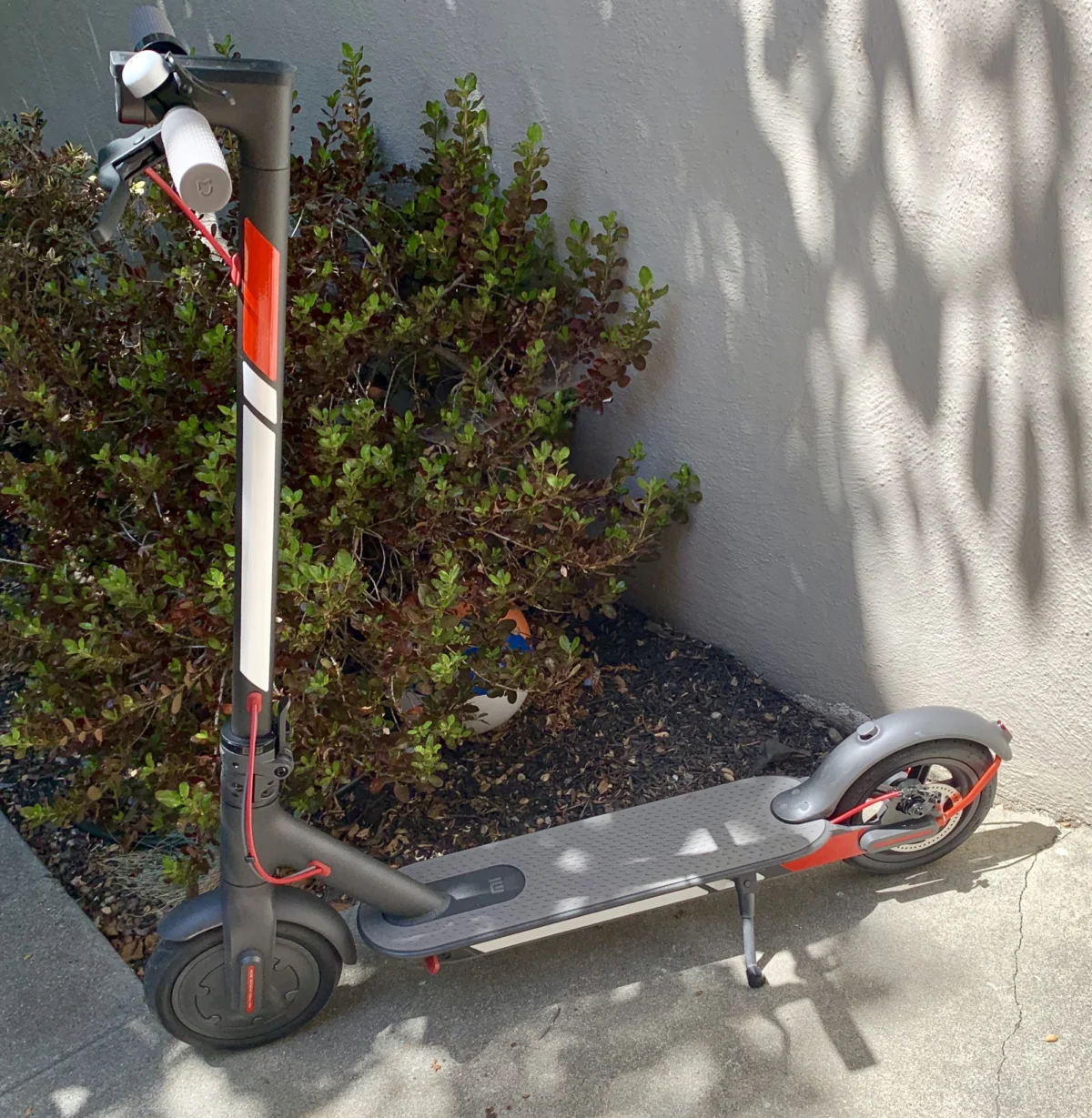
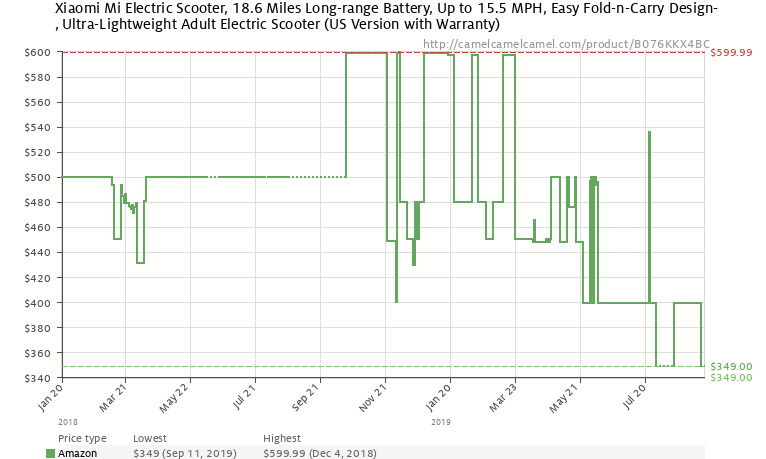
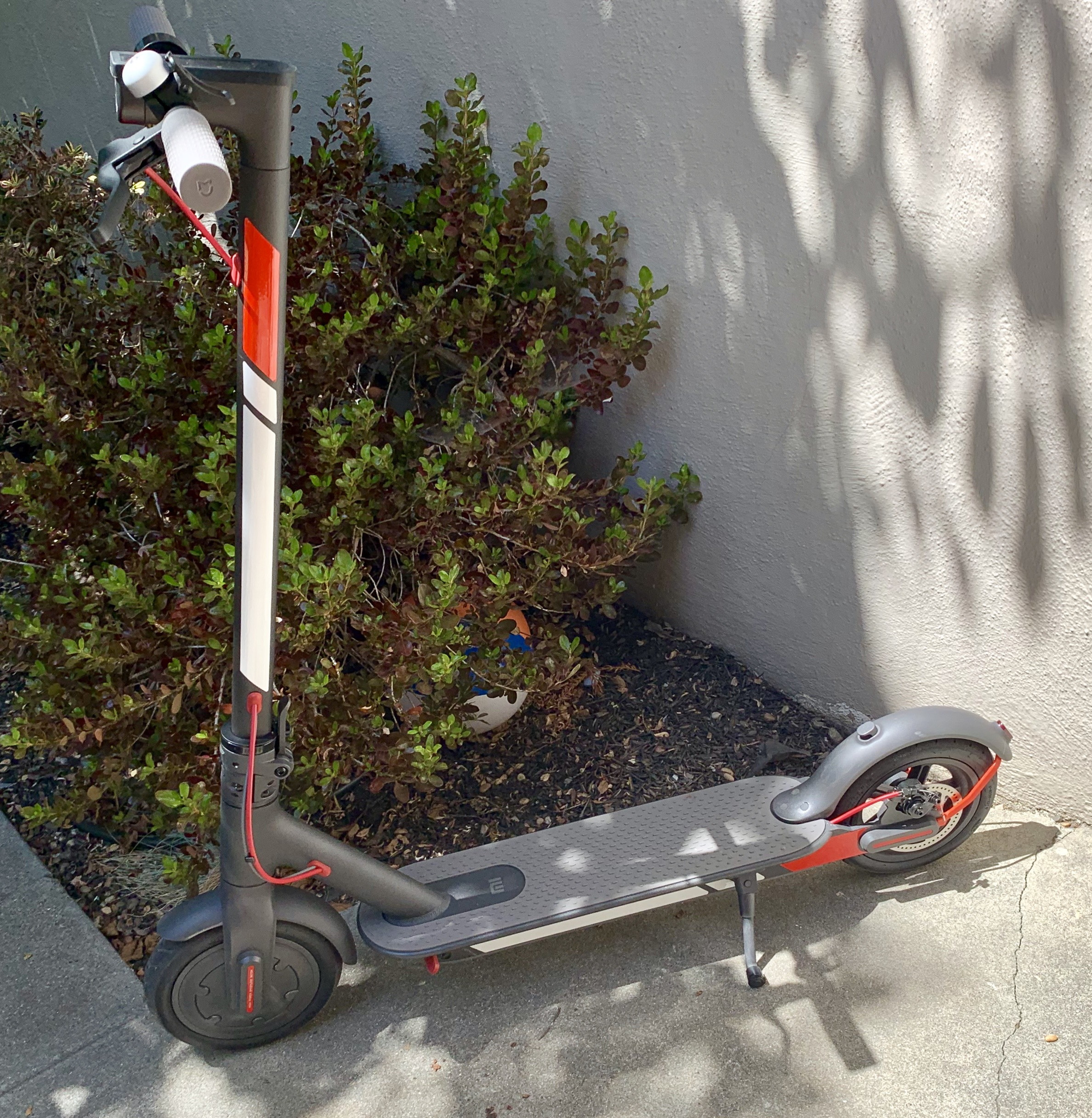
To illustrate the tangible impact of these battery cost reductions, one need only look at the trajectory of popular electric scooter models. The Xiaomi Mi M365, a model that quickly gained global recognition for its balance of performance and affordability, serves as a prime example. When the Xiaomi M365 first entered the U.S. market in early 2017, its price point hovered around $800. Fast forward three years to late 2019, and the street price for this same popular model had effectively halved, often available for $300-$400. This dramatic 50% price reduction within a relatively short period underscores the rapid evolution and increasing accessibility of electric scooters. This trend is not merely a reflection of general manufacturing efficiencies for components like rubber, aluminum, glass, and steel, but rather a direct indicator of the plummeting cost of the most expensive component: the lithium-ion battery pack.
This rapid price decline has significant implications for the broader electric vehicle market, signaling a positive future for electric mobility across various segments. The Xiaomi M365’s journey from a relatively niche product to a widely affordable personal transport solution exemplifies how technological advancements, particularly in battery technology, can democratize access to electric vehicles.
The Rise of Shared Mobility and Rental Services
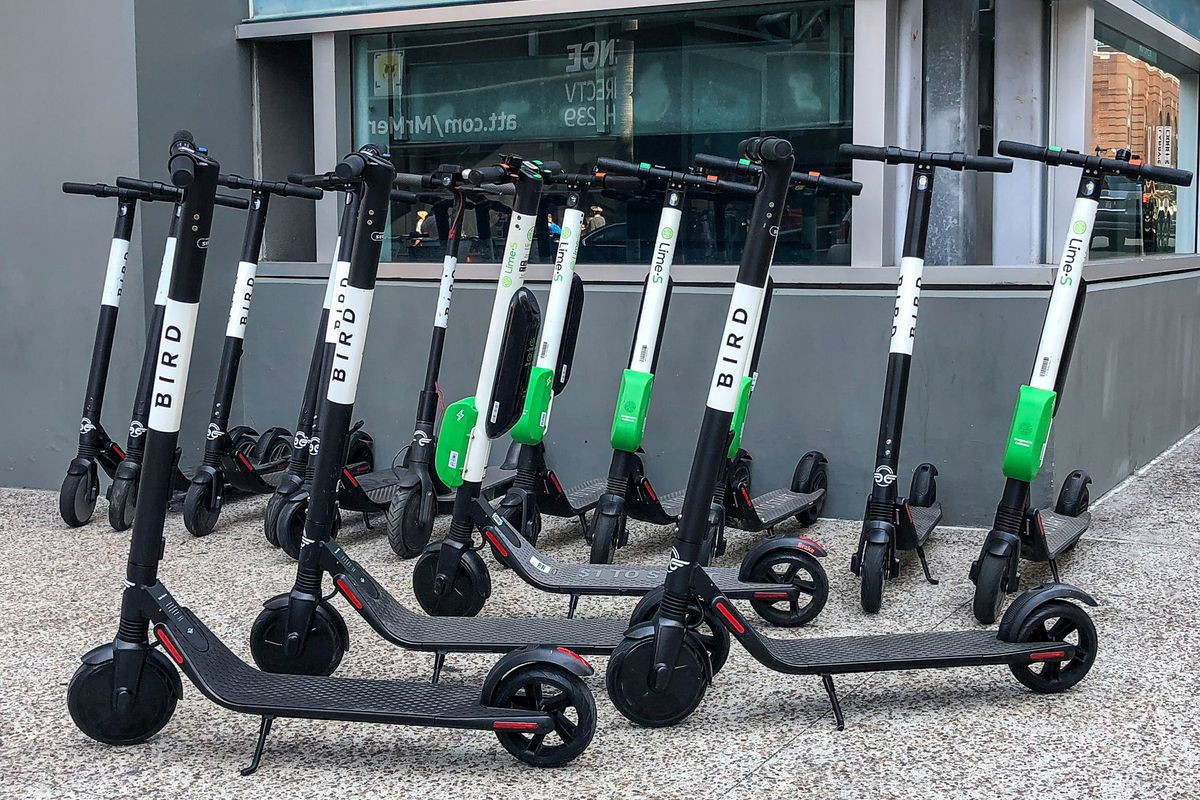
The period coinciding with the M365’s price reduction also saw the explosive growth of the quasi-legal electric scooter smartphone app rental industry. Companies like Bird, Lime, Skip, Spin, and Scoot rapidly deployed fleets of scooters in urban centers worldwide, transforming short-distance travel. Early versions of Bird scooters, for instance, were often slightly modified Xiaomi M365s, demonstrating the model’s robustness and suitability for mass deployment. These rental companies initially fueled a surge in demand and public awareness for electric scooters.
However, the rental industry faced its own set of challenges, including high rates of theft, vandalism, maintenance issues, and the complex logistics of charging and redistribution. Consequently, many operators began to pivot their business models. By late 2018, many had migrated to custom-built, ruggedized scooters specifically optimized for the rigors of the rental market, moving beyond off-the-shelf models like the M365. Furthermore, some companies experimented with alternative rental structures. For example, in April 2019, Bird announced the launch of a more traditional monthly rental program in cities like San Francisco and Barcelona, offering users the option to lease a Xiaomi M365 for a flat monthly fee of $25, rather than the typical per-minute charge. This shift indicated a move towards sustainable business models and a recognition of diverse consumer needs, from casual per-ride users to regular commuters seeking a more permanent solution.
Electric Scooters as a Solution for Urban Transportation
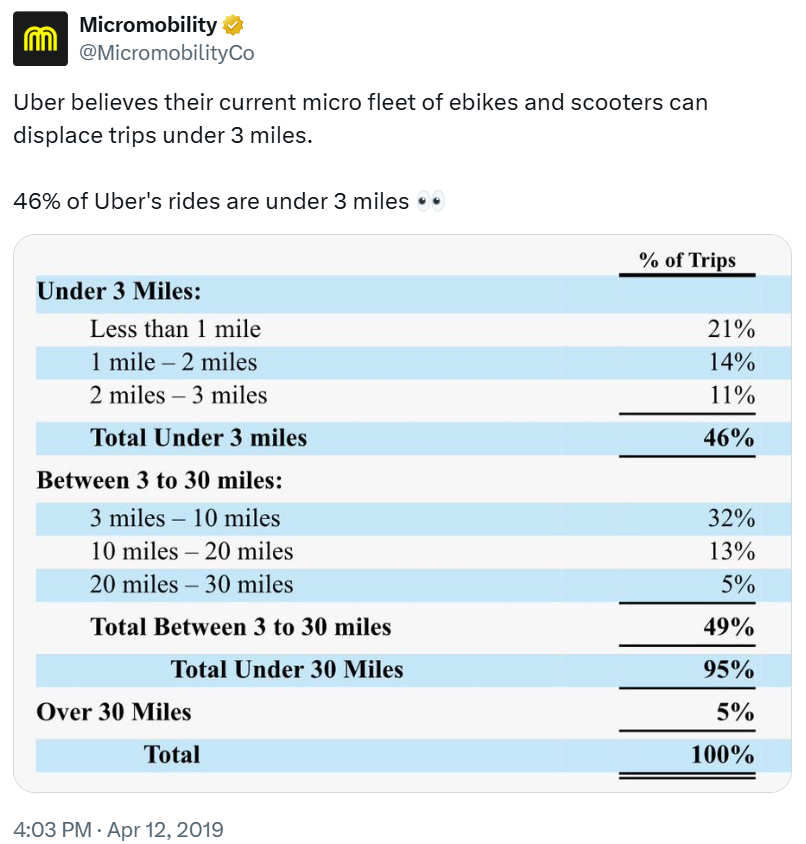
The fundamental question that arises from the increasing affordability and prevalence of electric scooters is: are they the future of urban transportation? Leading transportation companies, including Uber, have openly acknowledged the potential of micro-mobility solutions to address a significant portion of daily travel needs. Uber’s internal analysis revealed that a substantial 46% of its rides cover distances under 3 miles. The company believes that its micro-fleet of e-bikes and scooters can effectively displace these short-distance trips, reducing reliance on larger, less efficient vehicles.
Electric scooters offer compelling advantages in congested urban environments. They are compact, lightweight, and emit zero local emissions, contributing to cleaner air and reduced noise pollution. For individuals, they provide a flexible, on-demand, and often faster alternative to cars or public transport for "last mile" connections or short commutes. Their ability to navigate traffic and find parking in dense areas surpasses that of traditional vehicles, offering a practical solution to urban congestion.
The user experience with modern electric scooters, exemplified by models like the Xiaomi M365, is overwhelmingly positive for many. They are described as "incredibly fun" and highly functional, particularly when available at an accessible price point of around $300. This combination of enjoyment and practicality makes them a compelling option for a wide demographic, from daily commuters to recreational users.
Navigating the Challenges: Regulation, Safety, and Infrastructure
Despite their growing popularity, the widespread adoption of electric scooters faces significant hurdles, primarily concerning regulation, safety, and infrastructure. Local governments worldwide have struggled to establish consistent and logical regulatory frameworks for these novel vehicles. The legal status of electric scooters often varies wildly even within the same country, creating confusion for riders and enforcement agencies alike.
In California, for instance, specific laws enacted in 2019 require electric scooter riders to possess a valid driver’s license—a restriction not imposed on electric bicycle users. Additionally, scooters are generally prohibited from operating on sidewalks, pushing them onto roadways where they interact with faster, larger vehicles. Critics argue that such regulations can be onerous and unnecessarily restrictive, potentially hindering the adoption of an environmentally friendly and efficient mode of transport.
One aspect of regulation that finds broader consensus, however, is speed restriction. A top speed of 15 miles per hour (24 km/h) is widely considered a brisk yet manageable pace for an adult standing on a scooter without specialized safety equipment. Exceeding this speed can quickly become uncomfortable and significantly elevate safety risks. The market already features high-performance electric scooters, such as those with dual motors and suspension, capable of reaching speeds up to 40 miles per hour. While these models cater to a niche of enthusiasts, they highlight the importance of sensible speed limits for mainstream urban use. Even experienced reviewers, clad in full motorcycle safety gear, express caution when approaching such extreme speeds, underscoring the inherent dangers.
Beyond regulation, infrastructure challenges persist. Cities need to develop dedicated lanes, safe parking solutions, and integrated charging infrastructure to support a growing fleet of electric scooters. Safety concerns also extend to rider behavior, the need for helmets, and public awareness campaigns to promote responsible riding.
Beyond the Basic Model: Diversity in the E-Scooter Market
The success of entry-level models like the Xiaomi M365 has paved the way for a more diverse and specialized electric scooter market. Just as the automotive industry offers a spectrum from economy cars to luxury vehicles, the e-scooter market now caters to varied consumer preferences and needs. Consumers can choose from luxury electric scooters, ultralight models designed for portability, or rugged off-road scooters built for more adventurous terrains. This expanding diversity indicates a maturing market and a commitment from manufacturers to innovate beyond the initial mass-market offerings.
The Xiaomi M365 itself has seen a successor in the form of the Xiaomi M365 Pro. While not immediately available in all markets, the Pro model introduced welcome, albeit incremental, improvements: a larger battery for extended range, an enhanced disc brake for improved safety, more powerful motor for better acceleration, a clearer display, and a refined latch mechanism for increased durability. However, these enhancements often come at a premium, with the Pro model typically priced significantly higher than its predecessor. For many consumers, the value proposition of the original M365, particularly at its reduced price, remains exceptionally strong, making it a "no-brainer" purchase for many. The inherent digital nature of these electric vehicles, often featuring Bluetooth connectivity, companion apps, and even hackable firmware, further adds to their appeal for tech-savvy users.
The Legacy of Failed Innovations and the Path Forward
The current wave of affordable and accessible electric scooters stands in stark contrast to past attempts at revolutionary personal transport devices, most notably the Segway. Launched in 2001 with immense hype and expectations of transforming urban mobility, the Segway Personal Transporter retailed for an exorbitant $5,000, equivalent to over $7,200 in inflation-adjusted 2019 dollars. Despite its advanced technology, its prohibitive cost, awkward form factor, and regulatory uncertainties relegated it largely to niche applications like mall security and tourist rentals, rather than the mass adoption envisioned. The Segway, unfortunately, became more associated with pop culture caricatures than a genuine solution to urban transport challenges.
Today, the electric scooter, available for a fraction of the Segway’s price, embodies the accessible, transformational technology that the Segway was once purported to be. The journey from lead-acid battery failures and expensive, cumbersome devices to lightweight, powerful, and affordable lithium-ion powered scooters has been a testament to relentless innovation and market evolution. While the question of whether electric scooters represent the "future of most transportation" remains complex and dependent on continuous improvements in infrastructure, regulation, and public acceptance, the current trajectory is undeniably promising. The path to integrating these devices seamlessly into urban ecosystems is ongoing, but the progress made in just two decades has been remarkable, pointing towards a future where electric micro-mobility plays a pivotal role in sustainable urban living.
About the Author