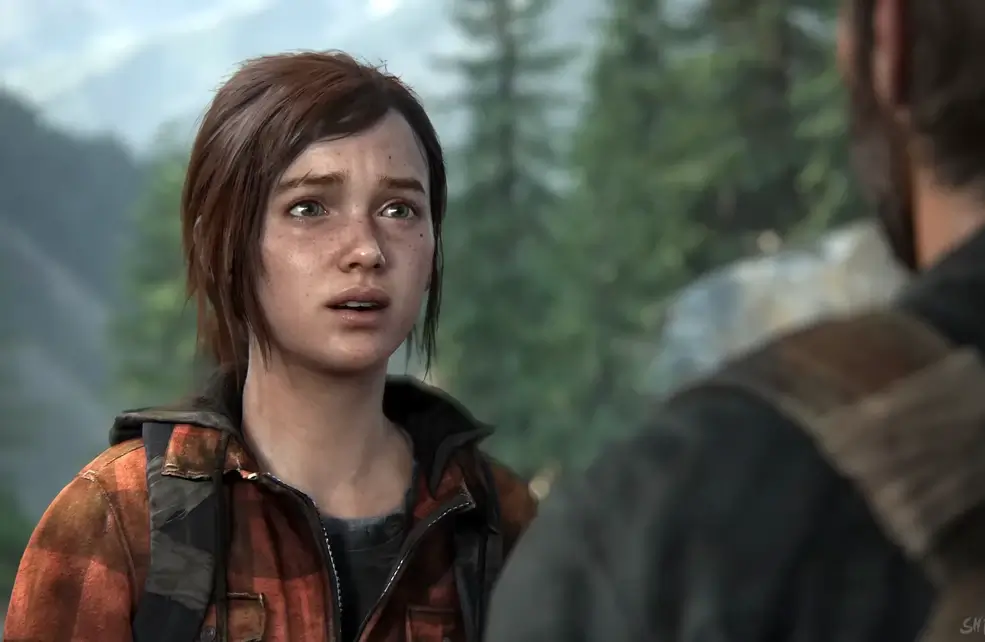
Roughly 13 years after its original release in 2013, Naughty Dog’s critically acclaimed title, The Last of Us, continues to resonate deeply within gaming communities and beyond. Lauded on platforms like Reddit as a pinnacle of video game storytelling, its narrative execution has garnered widespread praise, culminating in over 200 Game of the Year awards globally. While the post-apocalyptic adventure is replete with brutal combat encounters and terrifying infected creatures, it is the nuanced and impactful dialogue that truly underpins the game’s profound emotional depth and forges its unforgettable characters into the annals of interactive entertainment history. The game masterfully balances moments of levity with heavy-hitting lines, ensuring every spoken word carries significant weight, driving the narrative and character arcs forward.
A Groundbreaking Narrative: The Story of The Last of Us
The game plunges players into a world ravaged by a mutated Cordyceps fungal infection, an event that annihilated much of civilization two decades prior. The narrative centers on Joel Miller, a hardened survivor and smuggler, who is tasked with escorting Ellie Williams, a spirited teenage girl possessing a mysterious immunity to the infection, across a desolate United States. What commences as a routine, albeit perilous, job quickly transcends into an unexpected and complex journey, challenging both protagonists to confront their pasts and redefine their future.
The Post-Apocalyptic Setting and Its Challenges
The world of The Last of Us is a brutal tableau of human desperation and environmental decay. Cities lie in ruins, reclaimed by nature, while remnants of humanity cling to life in quarantine zones or scattered settlements. The primary threat is the infected, grotesque mutations of humans ranging from the blind, echolocating Clickers to the heavily armored Bloaters. However, the game swiftly establishes that humanity itself poses an equally, if not greater, danger. Players navigate through ambushes by desperate raiders, confront the horrifying realities of cannibalistic cults, and brave flooded urban landscapes, all while facing the constant threat of the infected. This relentless environment serves as a crucible, testing the moral fortitude and will to survive of every character.
Beyond Survival: Thematic Depth and Moral Ambiguity
Far from a typical survival horror story, The Last of Us delves into profound themes of grief, love, loneliness, and the ethical compromises individuals make to protect those they care about. The characters are not portrayed as conventional heroes; rather, they are deeply flawed individuals grappling with an awful world, each searching for a reason to endure. Joel’s journey is fundamentally about processing immense loss and finding renewed purpose, while Ellie struggles with her unique burden and the weight of her potential significance. This thematic richness imbues the game’s dialogue with immense gravity, as every conversation, every exchange, builds towards the harrowing choices awaiting the protagonists at their journey’s end.
Critical Acclaim and Commercial Success
Since its initial release on PlayStation 3, The Last of Us has consistently been heralded as a masterpiece. Its 200+ Game of the Year awards include prestigious accolades from the British Academy Games Awards (BAFTA), the D.I.C.E. Awards, and the Game Developers Choice Awards, solidifying its place among the most decorated games in history. Commercially, the title has been a phenomenal success, selling over 37 million copies across its various iterations by December 2022.

The critical consensus has been overwhelmingly positive, with the game consistently achieving near-perfect scores on aggregate sites like Metacritic. Reviewers universally lauded its groundbreaking storytelling, complex character development, stellar voice acting (particularly from Troy Baker as Joel and Ashley Johnson as Ellie), immersive atmosphere, and unparalleled emotional impact. Naughty Dog, under the creative direction of Neil Druckmann, meticulously crafted a narrative experience that pushed the boundaries of interactive storytelling, proving that video games could deliver narratives with the depth and emotional resonance traditionally associated with film and literature. The game’s enduring popularity led to a remastered version for PlayStation 4, The Last of Us Remastered, and a full remake for PlayStation 5 and PC, The Last of Us Part I, further cementing its technological and narrative legacy.
The Power of Dialogue: Crafting Unforgettable Characters
The narrative power of The Last of Us is inextricably linked to its expertly crafted dialogue. Conversations serve not merely as exposition but as a primary vehicle for character development, emotional expression, and thematic exploration. From terse exchanges born of necessity to vulnerable confessions shared in moments of quiet intimacy, the dialogue shapes player understanding of the characters’ internal struggles and their evolving relationships.
Joel Miller: A Study in Grief and Redemption
Joel Miller is introduced as a man broken by loss, specifically the death of his daughter, Sarah, during the initial outbreak. This trauma transformed him into a ruthless, pragmatic smuggler, hardened by two decades of relentless survival. His dialogue reflects this profound shift: often terse, cynical, and devoid of unnecessary sentiment. He is a man of few words, preferring action to protracted conversation, a trait born from a world where trust is a luxury and vulnerability a fatal flaw.
However, as his journey with Ellie progresses, subtle shifts in his speech reveal the re-emergence of his paternal instincts. His protectiveness, initially a professional obligation, gradually morphs into a deeply personal bond. This transformation is conveyed through his increasingly softer tone with Ellie, his attempts at humor, and his desperate pleas to keep her safe. His dialogue ultimately underscores his willingness to cross any moral line to preserve the life of the one person who has given his existence meaning again, a complex portrayal that challenges traditional notions of heroism.
Ellie Williams: Resilience, Sarcasm, and Vulnerability
Ellie Williams stands in stark contrast to Joel, both in temperament and conversational style. Raised entirely within the confines of the post-apocalyptic world, her upbringing has imbued her with a sharp wit, an impulsive nature, and a distinctive foul-mouthed vocabulary. Her dialogue often serves to inject moments of much-needed levity and youthful defiance into the bleak journey, making the grim realities of their world slightly more bearable.
Beyond her often-sarcastic quips and profanity, Ellie’s dialogue reveals a profound vulnerability and an innate fear of abandonment. Having lost everyone she has ever cared for, her attempts to connect, her innocent curiosities about the old world, and her desperate need for companionship are all expressed through her words. Her questions about life before the outbreak, her observations on the beauty of nature, and her emotional outbursts reveal a complex character who, despite her hardened exterior, yearns for normalcy and stability. Her unwavering spirit and unique perspective are crucial in chipping away at Joel’s emotional barriers, demonstrating the power of human connection even in the darkest times.
Tess Servopoulos: The Pragmatic Catalyst
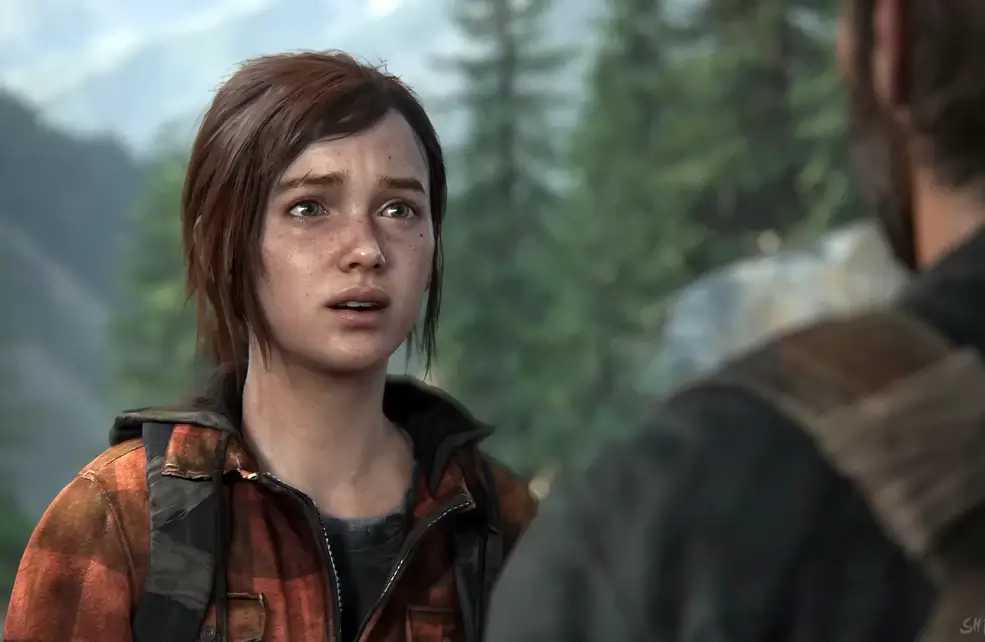
Tess Servopoulos, Joel’s smuggling partner, is a pivotal supporting character whose brief but impactful presence significantly influences the narrative trajectory. Known for her ruthless efficiency and practical mindset within the Boston Quarantine Zone, Tess projects an aura of authority and experience. Her dialogue is direct, uncompromising, and driven by immediate survival needs.
Yet, beneath her tough exterior, Tess possesses a keen intuition and a capacity for empathy, particularly evident in her interactions with Ellie. It is Tess who recognizes the extraordinary nature of Ellie’s immunity and the immense potential she represents for humanity’s future. Her conviction, conveyed through powerful and urgent dialogue, ultimately persuades a reluctant Joel to take Ellie seriously and continue the mission, even at the cost of her own life. Her final words to Joel are a testament to her foresight and self-sacrifice, cementing her role as a catalyst for the profound bond that develops between Joel and Ellie.
Supporting Characters and Their Voices
The rich tapestry of The Last of Us is further enhanced by its memorable supporting cast, each contributing to the game’s thematic depth through their distinct voices. Characters like Bill, the paranoid survivalist, whose gruff exterior hides a deep-seated fear of connection; Henry and Sam, brothers whose bond highlights themes of sacrifice and innocence lost; and David, the charismatic yet terrifying leader of a cannibalistic group, whose manipulative rhetoric underscores the depths of human depravity, all use dialogue to reveal their complex motivations and internal struggles. These interactions reinforce the idea that in a world stripped bare, humanity’s strengths and weaknesses are laid bare through the words they choose.
Moments of Levity and Humanity
Amidst the relentless violence and tragedy, The Last of Us expertly intersperses moments of genuine warmth, humor, and shared humanity. These lighter dialogues—jokes exchanged, stories recounted, or simple observations about the world—are critical. They highlight the characters’ enduring capacity for joy, trust, and connection, providing a poignant contrast to the pervasive darkness. These instances are not merely filler; they are vital to establishing the depth of the relationships and reminding players that even in a broken world, the human spirit continues to seek light and reasons to keep moving forward.
Legacy and Cultural Impact
The Last of Us‘s influence extends far beyond its initial release. It fundamentally redefined expectations for narrative-driven video games, demonstrating that complex, emotionally mature storytelling could be achieved with unparalleled impact in the interactive medium. Its success spurred a greater industry focus on character development, thematic depth, and cinematic presentation.
The game’s cultural footprint was further amplified by the highly anticipated and critically acclaimed HBO television adaptation, which premiered in 2023. The series, co-created by Neil Druckmann and Craig Mazin, meticulously translated the game’s narrative, characters, and most importantly, its powerful dialogue, to a broader audience. The success of the adaptation is a testament to the enduring strength of the original game’s storytelling and its universal themes, further cementing The Last of Us as a significant cultural phenomenon across multiple entertainment platforms. The continuous release of remasters and remakes also underscores its lasting appeal and the desire for both new and returning players to experience its unparalleled narrative.
In conclusion, The Last of Us stands as a monumental achievement in video game design and storytelling. Its enduring legacy is not solely built upon its stunning graphics or intense gameplay, but primarily on its ability to craft a deeply human narrative through compelling characters and their unforgettable dialogue. After more than a decade, the conversations within the game continue to resonate, proving that words, when wielded with such mastery, can indeed pave the way for emotional storytelling that transcends the medium and leaves an indelible mark on its audience.
About the Author