Good dark fantasy RPGs demand more than mere monsters and magic; they require characters whose voices resonate with players, whose struggles and triumphs feel genuinely significant. CD Projekt Red’s critically acclaimed The Witcher 3: Wild Hunt stands as a monumental embodiment of this principle, its narrative depth and character-driven dialogue consistently cited by players as its most compelling attributes. This enduring appeal is further underscored by the announcement of a remastered release slated for 2026, a move that solidifies the game’s status as a timeless masterpiece, where story and dialogue remain the bedrock, even as visuals and performance receive modernization. The game’s capacity to deliver some of the most memorable dialogue in gaming history—spanning intimate conversations about family and loss, heated arguments between old friends, and cutting sarcastic remarks in perilous situations—is a testament to its masterful writing.
The Foundational Narrative: A Personal Quest in a War-Torn World
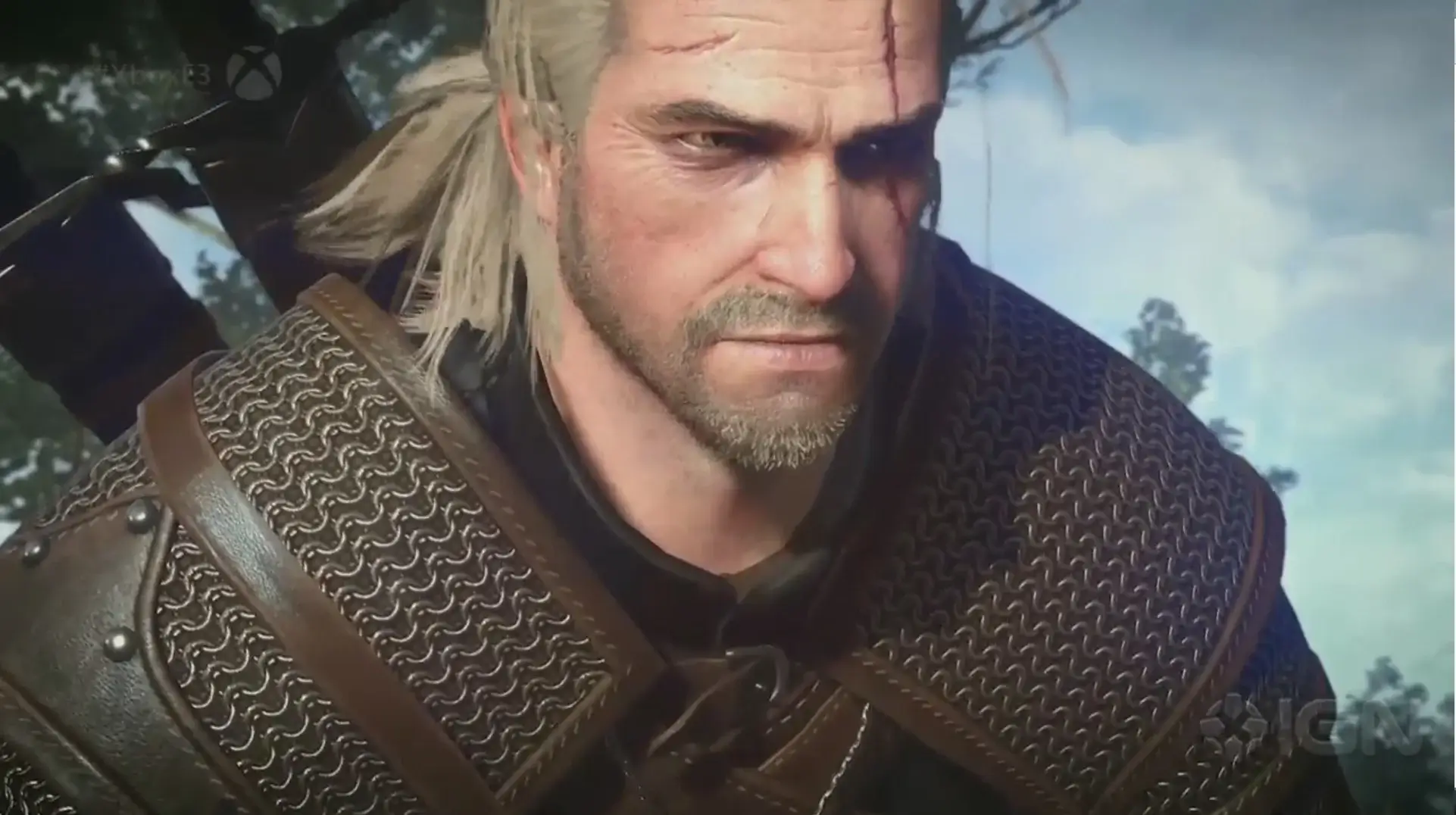
Released in May 2015, The Witcher 3: Wild Hunt immediately distinguished itself within the sprawling open-world RPG genre. At its core, the game follows Geralt of Rivia, a seasoned witcher, on an deeply personal quest to locate his adopted daughter, Ciri, who possesses extraordinary elder blood powers. Ciri is relentlessly pursued by the spectral forces of the Wild Hunt, a formidable group intent on exploiting her abilities. Geralt’s perilous search traverses the war-torn Northern Kingdoms, a land ravaged by the brutal conflict between the expansionist Nilfgaardian Empire and the fragmented Northern Realms.
To characterize the game merely as a mission to "save the world" would be an oversimplification that fundamentally misrepresents its narrative genius. The Witcher 3 thrives on its intimate, character-focused storytelling. As Geralt, players are not just engaging in grand heroics but are driven by the primal human instinct to protect family. The game consistently presents players with morally ambiguous choices, eschewing clear-cut good and evil options. Many significant quests conclude with nuanced, often somber, outcomes where no party emerges entirely unscathed, reflecting the harsh realities of its setting. The world itself is unglamorous and brutal: villages burn, refugees starve, and innocent mages are persecuted by witch hunters. This pervasive sense of desolation and moral grey area, combined with the profound emotional stakes of Geralt’s quest, elevates The Witcher 3 beyond typical fantasy fare, cementing its place on a pedestal for countless players and critics alike.
A Chronology of Critical Acclaim and Enduring Relevance
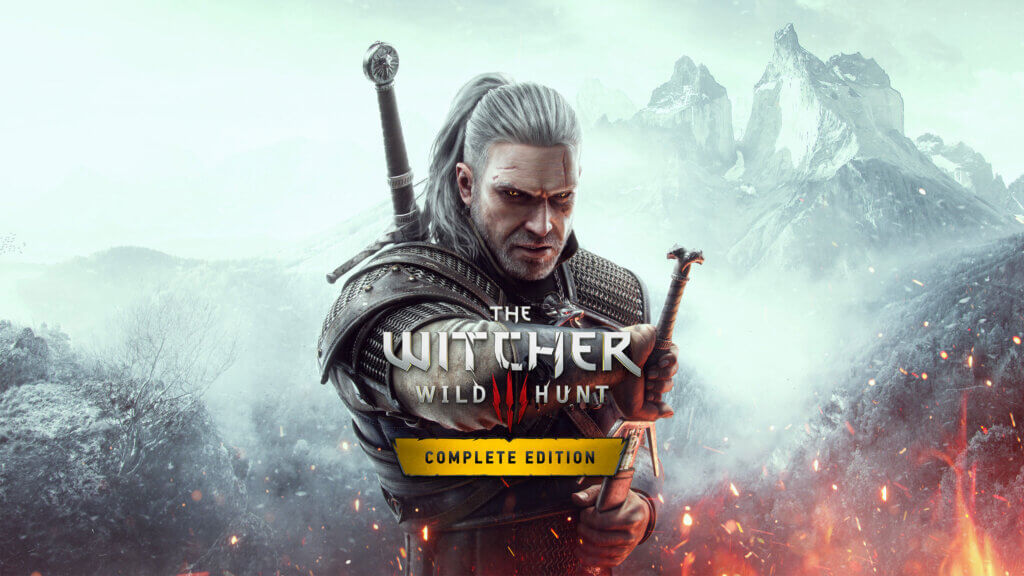
The journey of The Witcher series began in 2007 with the release of the first game, The Witcher, which laid the groundwork for its rich lore and mature storytelling. Its successor, The Witcher 2: Assassins of Kings (2011), significantly expanded on narrative branching and player choice, garnering a dedicated following. However, it was The Witcher 3: Wild Hunt that propelled the franchise into global superstardom.
- May 19, 2015: The Witcher 3: Wild Hunt is officially released for PC, PlayStation 4, and Xbox One. It immediately receives universal critical acclaim, praised for its vast open world, intricate storytelling, memorable characters, and groundbreaking quest design. Within its first six weeks, the game sells over 6 million copies, an unprecedented success for CD Projekt Red.
- October 2015 – May 2016: The release of two major expansion packs, Hearts of Stone (October 2015) and Blood and Wine (May 2016), further enriches the game’s narrative. These DLCs are lauded for offering content comparable in scope and quality to full-fledged standalone games, adding dozens of hours of new quests, characters, and lore.
- 2015-2016 Award Season: The Witcher 3 sweeps numerous Game of the Year awards, including the prestigious Game of the Year at The Game Awards, the Golden Joystick Awards, and the D.I.C.E. Awards, solidifying its status as one of the greatest video games ever made.
- December 14, 2022: A "next-gen" update is released for PlayStation 5, Xbox Series X/S, and PC, providing graphical enhancements, performance improvements, and additional content inspired by The Witcher Netflix series. This update allows the game to leverage modern hardware, maintaining its visual competitiveness.
- Q4 2023: CD Projekt Red announces that The Witcher 3: Wild Hunt has sold over 50 million copies worldwide, cementing its position as one of the best-selling video games of all time. This remarkable sales figure, eight years after its initial release, speaks volumes about its sustained popularity.
- 2026 (Projected): CD Projekt Red announces a "remastered" release for The Witcher 3. While details are still emerging, this suggests a more significant overhaul than the 2022 next-gen patch, potentially involving more extensive visual enhancements, improved accessibility features, or even gameplay refinements, all built upon the game’s universally praised narrative foundation. This move is a clear strategic decision by CD Projekt Red to capitalize on the game’s legendary status and introduce it to new generations of players with cutting-edge fidelity.
Supporting Data: A Narrative Benchmark
The enduring success of The Witcher 3 is not merely anecdotal; it is firmly supported by critical consensus and player engagement metrics. On platforms like Metacritic, the game consistently holds aggregate scores in the mid-90s for all platforms, a rare achievement. User reviews across various gaming forums and digital storefronts echo professional critics, frequently highlighting the writing, character development, and player choices as key strengths.
Reddit forums, in particular, frequently feature discussions where users underscore the game’s literary qualities. Comments like, "The writing is the true magic here, making every conversation feel weighty," or "I played it for the combat, but I stayed for the story and characters," are common. These sentiments confirm that while visuals and gameplay mechanics may evolve, a strong narrative core provides a timeless appeal. The game’s ability to craft dialogue that resonates deeply—whether it’s the poignant exchanges reflecting years of shared history between Geralt and Yennefer, the dry wit deployed in moments of extreme danger, or the heartfelt confessions of characters grappling with loss—is a significant factor in its sustained replayability and cultural impact.
Deep Dive into Character Dialogue and Development
The richness of The Witcher 3‘s narrative is inextricably linked to its exceptionally well-crafted characters, whose personalities are vividly conveyed through their interactions and dialogue.
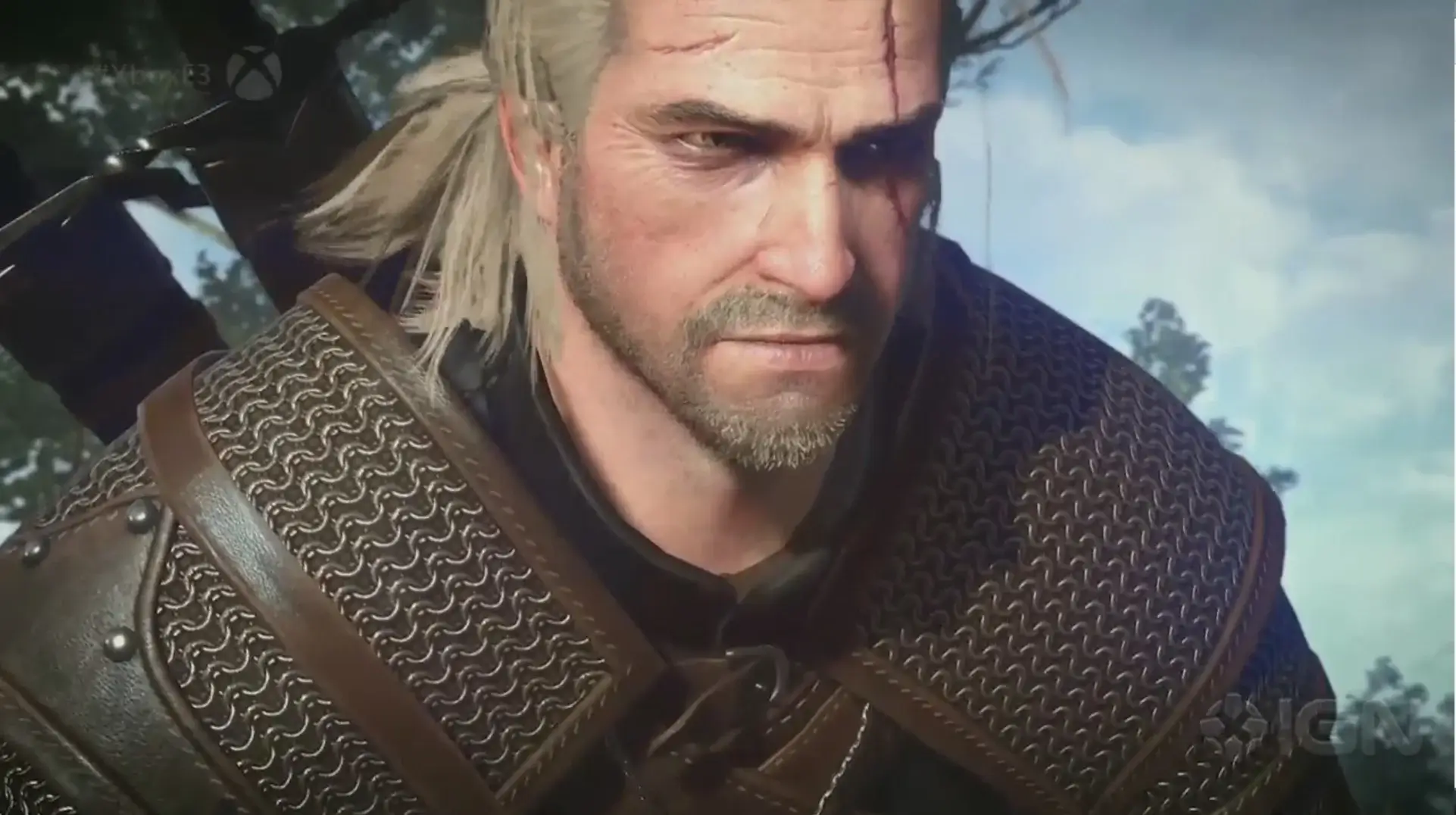
Geralt of Rivia: As the playable protagonist, Geralt is a complex figure. His life as a monster slayer has imbued him with a world-weariness, often manifesting as an apathetic and cynical demeanor. He frequently employs dry wit and terse responses, particularly when dealing with bureaucratic absurdity or moral hypocrisy. Yet, beneath this hardened exterior lies a fiercely loyal friend, a man capable of profound compassion, and even moments of unexpected lightheartedness. His dialogue often reflects this internal conflict, revealing flashes of warmth or vulnerability that belie his tough exterior. For instance, his exasperated sighs at Dandelion’s theatrics, his tender words to Ciri, or his sharp, pragmatic questions to corrupt officials all contribute to his multi-layered persona.
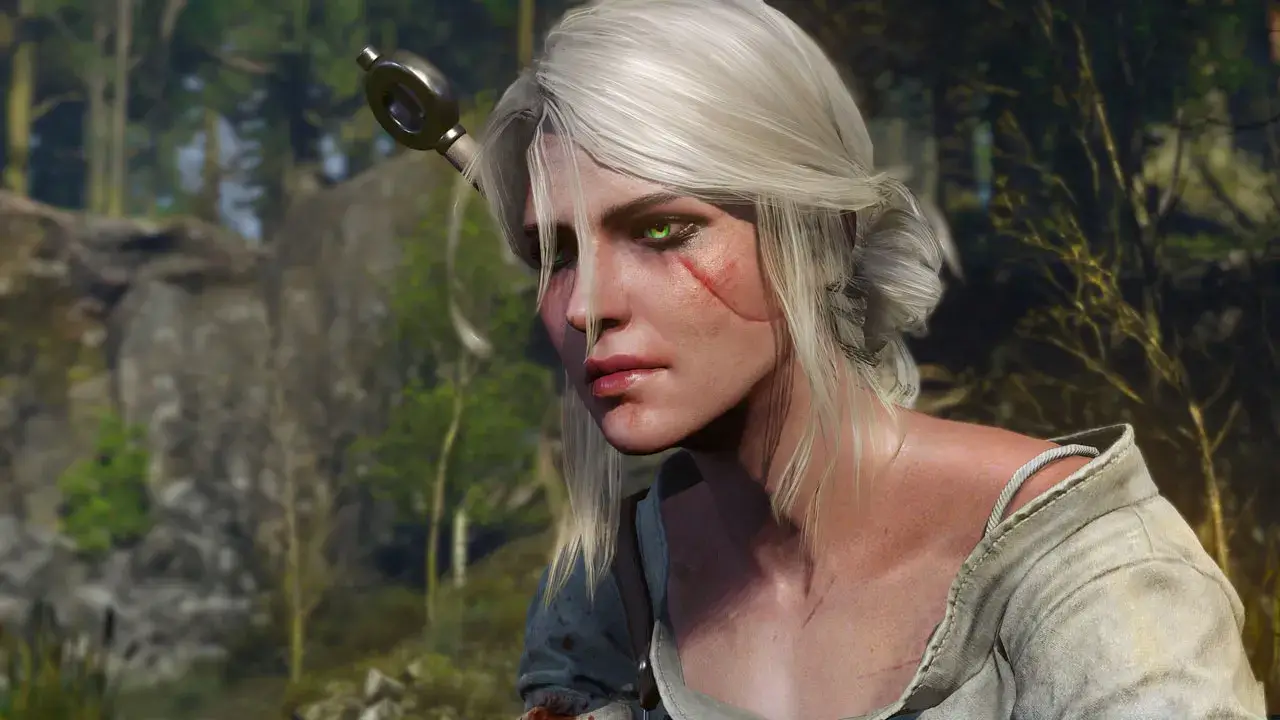
Ciri (Cirilla Fiona Elen Riannon): Far from being a passive damsel in distress, Ciri is a formidable character in her own right. Trained in combat by Geralt and possessing powerful abilities, she is brave, fiercely independent, and makes her own choices, which profoundly impact the game’s various endings. Her dialogue showcases her youthful impetuousness alongside her growing maturity and understanding of her destiny. Her interactions with Geralt, filled with both defiance and affection, paint a picture of a complex father-daughter bond, while her solo missions highlight her determination and resourcefulness.
Yennefer of Vengerberg: A powerful sorceress and Geralt’s primary love interest, Yennefer is also a formidable mother figure to Ciri. Known for her impeccable beauty and sharp intellect, Yennefer’s dialogue is often characterized by a commanding presence, an acidic wit, and a deep, underlying emotional vulnerability. Her words convey her immense magical power, her strategic mind, and the passionate, often tumultuous, nature of her relationship with Geralt. Her exchanges with Geralt are frequently charged with history, sarcasm, and profound affection, reflecting their century-long bond.
Other Key Characters: The supporting cast further enriches the narrative tapestry. Dandelion, the flamboyant bard, provides comic relief and eloquent, often exaggerated, observations on events. His verbose monologues and self-aggrandizing tales are a consistent source of humor. Triss Merigold, another powerful sorceress and a former love interest of Geralt, offers a softer, more empathetic counterpoint to Yennefer, and her dialogue often reflects her compassion and her own complicated feelings for Geralt. Vesemir, Geralt’s mentor and surrogate father, embodies the wisdom and weariness of the older generation of witchers, his words often carrying the weight of tradition and hard-earned experience. Even minor quest givers and antagonists are often given distinct voices and compelling motivations, making every interaction feel meaningful.
The Balancing Act: Lighter Moments in a Dark World
Crucially, The Witcher 3‘s dialogue masterfully balances the pervasive grimness of its world with moments of levity and genuine human connection. The "lighter moments," such as Geralt’s dry retorts to Dandelion, the unexpected tenderness in his interactions with children, or the outright absurd situations he sometimes finds himself in, serve a vital purpose. They provide essential tonal relief, preventing the game from becoming overwhelmingly bleak. More importantly, these moments deepen the characterization, making Geralt and his companions more relatable and human, rather than mere archetypes. This intricate balance is a primary reason why so many of the game’s quotes resonate deeply with players, sticking with them long after Geralt’s hunt for Ciri concludes.
Official Responses and Developer Philosophy
CD Projekt Red’s commitment to narrative excellence has been a cornerstone of their development philosophy. In numerous interviews, developers have emphasized their dedication to crafting mature, morally complex narratives where player choices carry genuine weight. They have consistently prioritized story and character development, viewing them as central to the immersive RPG experience. The continuous support for The Witcher 3 through free updates, substantial paid DLCs, and multiple re-releases (including the 2022 next-gen patch and the upcoming 2026 remaster) clearly demonstrates their belief in the game’s core strengths. The 2026 remaster, in particular, can be interpreted as a strategic affirmation that while technology will always advance, a compelling, well-written story and unforgettable characters offer an unparalleled and enduring value proposition to players.
Broader Impact and Implications for the RPG Genre
The Witcher 3: Wild Hunt has undeniably set a new benchmark for narrative depth, player choice, and character writing within the open-world RPG genre. Its influence can be seen in numerous subsequent titles that have attempted to replicate its blend of expansive freedom with intimate, morally ambiguous storytelling. The game powerfully demonstrated that compelling narrative and intricate character relationships can transcend technological advancements, ensuring a game’s relevance for years, even decades. Its success also played a significant role in elevating the visibility of Polish game development on the global stage.
Beyond gaming, The Witcher 3‘s immense popularity directly contributed to the mainstream success of Andrzej Sapkowski’s original book series and the subsequent production of Netflix’s The Witcher television adaptation. This cross-media impact underscores the powerful resonance of its world and characters. The game’s exploration of themes like family, duty, prejudice, the ethics of war, and the nature of humanity continues to be relevant, solidifying its status not just as an entertainment product, but as a significant cultural artifact.
In conclusion, The Witcher 3: Wild Hunt‘s enduring legacy is not merely about its breathtaking visuals or expansive world, but fundamentally rooted in its unparalleled narrative and unforgettable characters. The upcoming 2026 remastered release is not just a technological upgrade; it is a reaffirmation of the timeless power of exceptional storytelling in interactive media, proving that a well-crafted narrative and resonant dialogue are indeed the most potent spells a dark fantasy RPG can cast.
About the Author