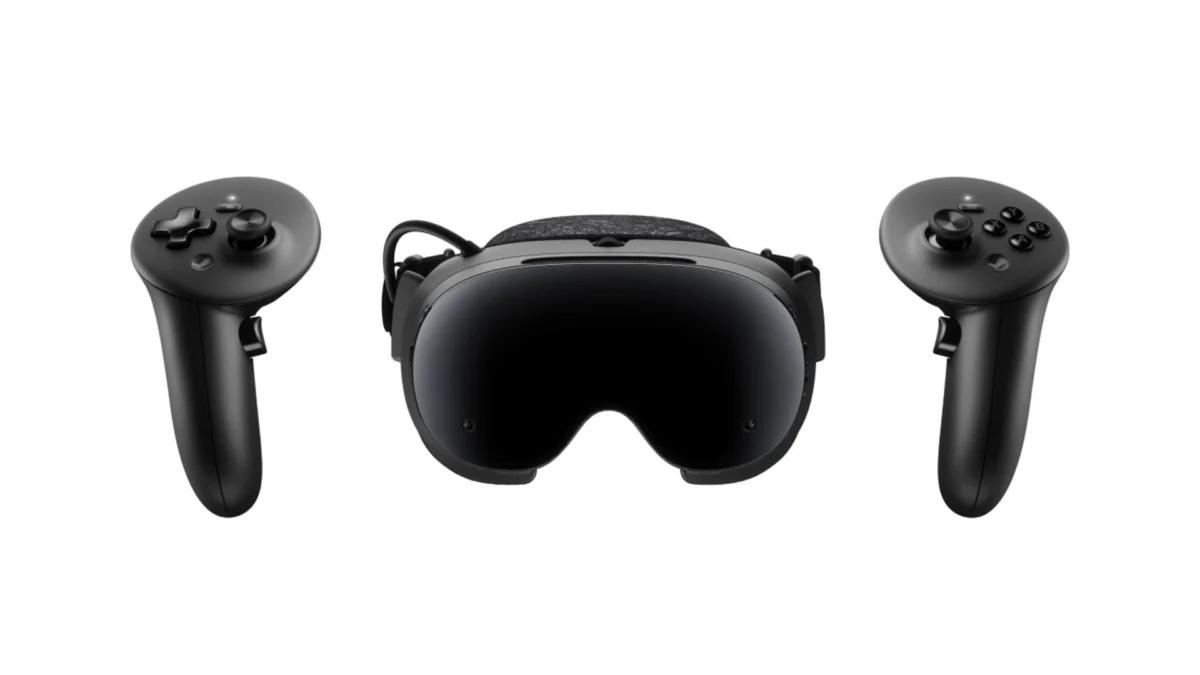
Valve, the innovative force behind the ubiquitous Steam digital storefront and a growing portfolio of hardware, has officially announced the definitive pricing and availability details for its highly anticipated virtual reality device, the Steam Frame. Positioned as the final component of its trio of new major hardware releases, the Steam Frame will launch with a baseline price of $1,059 for a 256GB storage configuration. A more capacious 1TB model will be available for $1,200, setting a decidedly premium tone for Valve’s latest foray into the competitive VR landscape.
These initial price points for the Steam Frame are expected to represent only the foundational investment for consumers. Additional essential accessories, crucial for maximizing the device’s versatility, will contribute to the overall cost. A standalone power supply, priced at $29, will be necessary for users opting to utilize the Steam Frame as an independent, untethered headset running Valve’s proprietary SteamOS. This offers a distinct advantage, allowing the device to function without a direct connection to a separate computer, although it retains the capability to operate as a PC-tethered VR device. Furthermore, an "ergonomic accessories kit," designed to enhance user comfort during extended sessions, will retail for an additional $59. These supplementary costs underscore Valve’s strategy of unbundling components, allowing users to tailor their purchase but also incrementally increasing the total expenditure.
A Premium Offering in a Price-Sensitive Market
The pricing strategy for the Steam Frame places it significantly above the most mainstream virtual reality device currently dominating the market: the Meta Quest. For context, a 512GB Meta Quest 3, a popular choice among consumers for its blend of performance and affordability, is currently available for $349. This stark price differential highlights Valve’s apparent intent to target a different segment of the VR market, likely catering to enthusiasts and those seeking a high-fidelity experience, rather than competing directly in the mass-market accessibility sphere championed by Meta.
The announcement of the Steam Frame’s pricing comes at a turbulent time for the hardware industry. Both Valve and Meta, key players in the VR and gaming hardware sectors, have been compelled to reassess and adjust their product pricing in response to a sudden and severe shortage of computer memory. This scarcity has been largely attributed to exclusive, high-volume deals struck by burgeoning artificial intelligence (AI) firms with leading memory manufacturers such as Samsung and SK Hynix. The insatiable demand for high-bandwidth memory (HBM) and other advanced DRAM components, essential for powering sophisticated AI models and data centers, has significantly driven up component costs and constrained supply for consumer electronics manufacturers. Valve’s pricing decision for the Steam Frame, therefore, reflects not only its positioning strategy but also the inescapable economic realities of the current global supply chain.
Adding another layer to Valve’s pricing philosophy is its long-standing corporate stance against subsidizing hardware. This principle, which the company has previously articulated in relation to products like its earlier Steam Machines, dictates that Valve prefers to pass the direct costs of manufacturing and development onto the consumer rather than absorbing losses on hardware to drive software sales. This contrasts sharply with the business models prevalent in the console market, where manufacturers often sell hardware at or below cost, recouping investments and generating profits through software licensing, digital storefront fees, and accessory sales. For Valve, the Steam Frame’s price is a direct reflection of its bill of materials and development expenses, without the strategic price reduction often employed to expand market share rapidly.
Valve’s Hardware Journey: A Chronology of Innovation
Valve’s journey into hardware development is characterized by a series of ambitious and often experimental ventures, each designed to push the boundaries of gaming and computing. This history provides crucial context for understanding the Steam Frame’s positioning and pricing.
- 2013-2015: The Steam Machine and Steam Controller Era: Valve initially ventured into the living room gaming space with the "Steam Machine" initiative. These were a series of gaming PCs running SteamOS, often manufactured by third parties, intended to bring PC gaming into the console-dominated living room. Simultaneously, the "Steam Controller" was introduced, an innovative gamepad designed to bridge the gap between traditional controller input and mouse-and-keyboard precision for a wide array of PC games. The Steam Machines, much like the Steam Frame, faced challenges with high price points (starting at $1,049 for a 512GB model) and a fragmented market, ultimately struggling to gain widespread traction against established consoles and traditional gaming PCs. This period established Valve’s "no subsidy" stance clearly, as articulated then by the company regarding the Steam Machine’s pricing.
- 2016: The HTC Vive Collaboration: Valve made its initial significant foray into virtual reality through a partnership with HTC, resulting in the launch of the HTC Vive. This collaboration was instrumental in establishing high-end PC VR as a viable segment, introducing room-scale tracking and immersive experiences that set new standards for the nascent industry. Valve provided the Lighthouse tracking technology and the SteamVR platform, laying the groundwork for its future independent VR endeavors.
- 2019: The Valve Index: Building on the experience with the Vive, Valve launched its own premium VR headset, the Valve Index. The Index was lauded for its high refresh rate displays, wide field of view, and the innovative "Knuckles" controllers (Index Controllers) which offered individual finger tracking. Priced at $999 for the full kit, the Index solidified Valve’s reputation for delivering top-tier, enthusiast-grade VR hardware, albeit at a price point that limited its mass-market appeal. The Index continues to be a benchmark for PC VR quality.
- 2022: The Steam Deck: Valve achieved significant commercial success with the Steam Deck, a handheld gaming PC designed to bring the Steam library to a portable form factor. While not a VR device, the Steam Deck demonstrated Valve’s capability to design, manufacture, and market highly desirable hardware that resonates with a specific, passionate segment of gamers. Its tiered pricing strategy (starting at $399 for the original model) offered more accessibility compared to previous Valve hardware, though the company still emphasized providing value directly corresponding to component costs. The recent Steam Deck OLED refresh further cemented its success, though Valve did warn of potential stock issues due to RAM shortages – a direct precursor to the challenges now faced by the Steam Frame.
The Steam Frame, therefore, emerges from a lineage of hardware innovation at Valve, consistently aiming for premium experiences and often contending with market adoption challenges due to its pricing philosophy and niche targeting.
Deep Dive: Technical Ambitious and Market Positioning
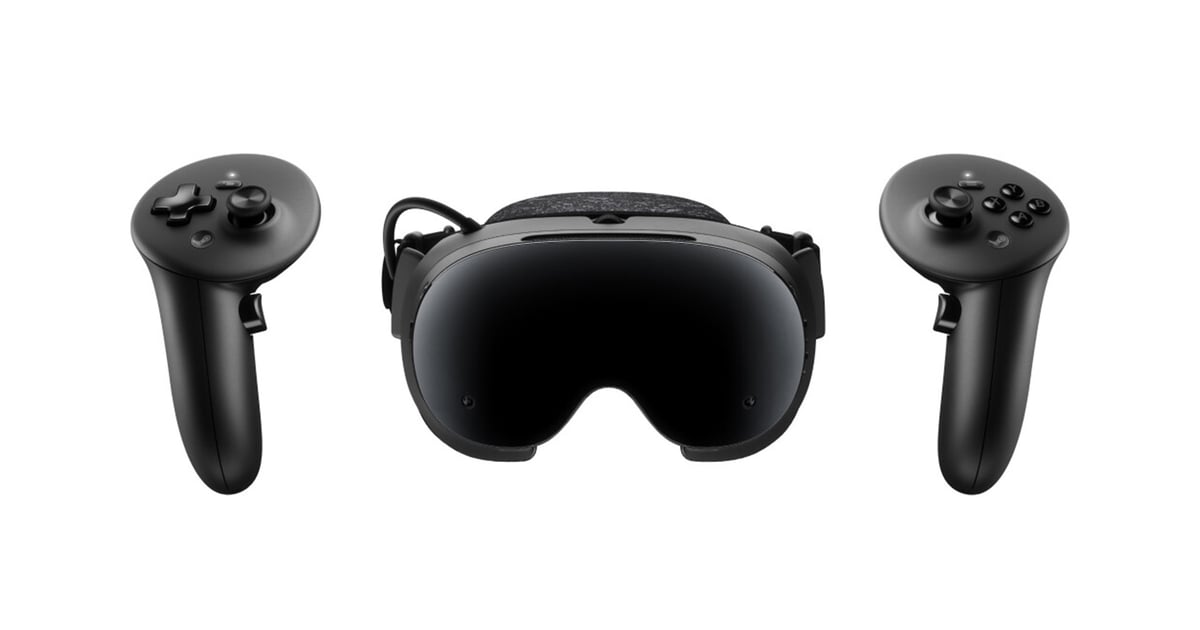
While specific technical specifications beyond storage capacity are yet to be fully detailed, the Steam Frame’s price point strongly suggests it will incorporate advanced display technology, optics, and processing capabilities. Given Valve’s history with the Index, expectations are high for features such as high-resolution panels, a wide field of view, and sophisticated tracking. The dual functionality—operating both as a standalone headset with SteamOS and as a PC-tethered device—is a key differentiator. This hybrid approach offers flexibility, allowing users to enjoy casual VR experiences independently while also tapping into the vast and graphically intensive SteamVR library when connected to a powerful gaming PC.
In the current VR landscape, the Steam Frame faces formidable competition and distinct market segments:
- Meta Quest 3: As the market leader, the Quest 3 (and its predecessors) has democratized VR, offering a compelling standalone experience at a highly accessible price. Its ecosystem is robust, with a growing library of games and applications. The Quest’s strategy is volume-driven, with Meta reportedly subsidizing hardware costs to grow its user base for the long-term vision of the metaverse. The Steam Frame, at more than triple the price, cannot compete on affordability but must justify its cost through superior performance, an open ecosystem, and potentially unique features.
- Apple Vision Pro: On the ultra-premium end, the Apple Vision Pro, priced at a staggering $3,499, has set a new bar for mixed reality hardware. While targeting a broader "spatial computing" paradigm rather than pure gaming, its technological prowess, particularly in display and optical clarity, highlights what is possible at the very highest price points. The Steam Frame sits somewhere between the Quest and Vision Pro, aiming for a premium gaming and VR experience without reaching Apple’s luxury segment.
- Pico and HTC: Other players like Pico (owned by ByteDance) and HTC offer various VR headsets, often targeting enterprise or specific niche markets, or attempting to compete with Meta in the standalone space. The Steam Frame will need to carve out its own identity amidst these diverse offerings.
The Impact of Global Component Shortages
The global semiconductor shortage, exacerbated by the unprecedented demand from the AI sector, has had a profound and lasting impact on the consumer electronics industry. The original article specifically highlights the scarcity of computer memory, a critical component for all modern computing devices, including VR headsets. AI firms, with their immense capital and urgent need for processing power, have been able to secure exclusive deals with major memory manufacturers like Samsung and SK Hynix, effectively cornering a significant portion of the market. This has led to:
- Increased Costs: The fundamental law of supply and demand dictates that reduced supply coupled with stable or increased demand drives up prices. Manufacturers like Valve and Meta are now paying significantly more for RAM modules than they would have in previous years, directly impacting their bill of materials and, consequently, the final retail price of their products.
- Production Delays and Limited Availability: Even at higher prices, securing sufficient quantities of memory can be challenging, leading to potential production bottlenecks and limited stock at launch or during peak sales periods. Valve’s prior warning about Steam Deck OLED stock issues due to RAM shortages underscores this vulnerability.
- Design Constraints: In some cases, manufacturers might be forced to compromise on specifications or re-engineer products to accommodate available, albeit less ideal, components, potentially impacting performance or features.
Valve’s stated refusal to "subsidize" hardware, a principle that guided the pricing of its Steam Machines and continues with the Steam Frame, means that these elevated component costs are directly reflected in the consumer price. While this transparency might be appreciated by some, it places the Steam Frame at a significant disadvantage against competitors like Meta, which can leverage massive balance sheets to absorb some of these costs and offer more competitive pricing to attract a larger user base.
Developer Engagement and Ecosystem Potential
Crucially, Valve has also confirmed that developers interested in creating games and applications for the Steam Frame will be able to acquire developer kits through their existing Steam Partner dashboard. This move is vital for building a robust software ecosystem around the new hardware. For any new platform, developer buy-in is paramount. By providing early access to development tools and hardware, Valve aims to foster innovation and ensure a compelling library of content is available, or at least in development, by the time the Steam Frame reaches consumers.
The existing SteamVR ecosystem, with its extensive library of PC VR titles, offers a strong foundation for the Steam Frame. Developers can potentially port or adapt existing SteamVR titles to the standalone SteamOS environment, while also creating new, optimized experiences that leverage the unique capabilities of the Steam Frame. The success of the Steam Frame will heavily rely on the quality and breadth of its software offerings, especially given its premium price point. Developers will need to weigh the potential install base (which might be smaller than Meta Quest’s due to price) against the perceived quality and enthusiast nature of the Steam Frame user.
Implications and Future Outlook
The launch of the Steam Frame has several significant implications for Valve, the broader VR market, and consumers:
- For Valve: The Steam Frame represents a continued commitment to hardware innovation and a reinforcement of Valve’s strategy to cater to the premium and enthusiast segments. It solidifies Valve’s position as a player in both PC gaming (Steam Deck, SteamVR) and dedicated VR hardware. However, the high price point, exacerbated by supply chain issues and Valve’s "no subsidy" policy, means that the Steam Frame is unlikely to achieve mainstream market dominance. Its success will be measured by its ability to carve out a profitable niche among high-end VR users and to serve as a showcase for Valve’s technological prowess and its vision for an open VR ecosystem.
- For the VR Market: The Steam Frame’s entry further segments the VR market. It reinforces the notion that there isn’t a single "one-size-fits-all" VR device, but rather a spectrum ranging from accessible standalone headsets (Meta Quest) to high-end PC VR (Valve Index, Steam Frame) and ultra-premium mixed reality devices (Apple Vision Pro). This fragmentation encourages specialization and innovation across different tiers, potentially pushing all manufacturers to improve their offerings. It also highlights the ongoing challenge of hardware costs in VR development, especially in the face of external pressures like the AI-driven memory shortage.
- For Developers: While a new platform always brings opportunities, it also presents challenges. Developers must consider the fragmented market, the varying capabilities of different headsets, and the economic viability of targeting a potentially smaller, albeit dedicated, user base with the Steam Frame. The ease of development within the SteamVR ecosystem and the potential for a premium user experience will be key attractions.
- For Consumers: Enthusiasts who prioritize performance, an open platform, and a direct connection to the Steam ecosystem will likely view the Steam Frame as a compelling, albeit expensive, option. Mainstream consumers, however, accustomed to the more accessible pricing of devices like the Meta Quest, may find the Steam Frame’s cost prohibitive. The decision will come down to value proposition: whether the perceived quality, flexibility, and ecosystem benefits of the Steam Frame justify its premium price tag.
In conclusion, Valve’s Steam Frame enters a dynamic and challenging market. Its premium pricing, a direct consequence of both Valve’s long-held business philosophy and current global supply chain pressures, positions it as a high-end option for dedicated VR users. While it may not aim for mass market appeal, the Steam Frame represents Valve’s continued dedication to pushing the boundaries of virtual reality technology and fostering an open, high-fidelity VR experience within the expansive Steam ecosystem. Its ultimate success will depend on its ability to deliver an unparalleled user experience that justifies its significant investment, even as the industry grapples with economic headwinds.
About the Author