The landscape of digital communication has undergone a profound transformation, epitomized by the acquisition and subsequent rebranding of Twitter, now known as X, under the ownership of Elon Musk. This significant shift has ignited a critical re-evaluation of centralized social media platforms, their governance, and their long-term viability, prompting a growing advocacy for decentralized alternatives. The changes implemented since the October 2022 takeover have not only altered the platform’s functionality and user experience but have also sparked broader conversations about the fundamental principles underpinning online public squares.
The Acquisition and Immediate Aftermath: A Chronology of Disruption
Elon Musk’s tumultuous acquisition of Twitter for $44 billion concluded in October 2022, marking the beginning of an unprecedented period of upheaval for the globally recognized social media platform. Musk, who had previously declared himself a "free speech absolutist," outlined ambitious plans to transform Twitter into an "everything app" and eliminate bots, but the immediate actions taken by the new ownership signaled a radical departure from its prior operational ethos.
Within days of the acquisition, a significant portion of Twitter’s workforce, estimated to be around 80%, was laid off, impacting critical engineering, trust and safety, and content moderation teams. This drastic reduction in staff immediately raised concerns among industry observers and former employees about the platform’s ability to maintain stability, security, and effective content governance. Technical glitches and service interruptions became more frequent, further eroding user confidence.
A key policy change involved the introduction of a paid verification system, Twitter Blue (later X Premium), which replaced the legacy blue checkmark system previously used to authenticate prominent accounts. Under the new model, anyone willing to pay a monthly fee could receive a blue checkmark, leading to widespread confusion, impersonation incidents, and a perceived devaluation of the verification badge. This move was heavily criticized for democratizing verification without adequately addressing the implications for trust and credibility, particularly concerning misinformation.
Further controversial decisions included significant alterations to the platform’s Application Programming Interface (API) access, which disrupted numerous third-party applications and research efforts that relied on Twitter data. The move was widely seen as a punitive measure against developers and researchers, limiting access to valuable data streams and hindering independent analysis of trends and content on the platform. The platform was also rebranded to "X" in July 2023, a move that discarded one of the most recognizable brand names in the digital age, further alienating long-time users and advertisers.

The Erosion of Trust and Advertiser Exodus
The rapid succession of policy changes, coupled with a perceived loosening of content moderation standards, led to a palpable shift in the platform’s environment. Reports from organizations such as the Anti-Defamation League (ADL) and other research bodies indicated a measurable increase in hate speech, misinformation, and toxic content on the platform following the takeover. This perceived degradation of the user experience, combined with the erratic decision-making, triggered a significant exodus of advertisers.
Major brands, wary of their advertisements appearing alongside objectionable content or being associated with a platform increasingly seen as unstable, drastically reduced or entirely ceased their spending on X. According to reports from market intelligence firms, advertising revenue on X plummeted by an estimated 50-70% in the months following Musk’s acquisition. This financial downturn underscored the critical link between platform governance, brand safety, and economic viability for ad-supported social networks. The company’s valuation also reportedly decreased significantly from the acquisition price, reflecting investor concerns about its future trajectory.
Musk’s public statements, often delivered via the platform itself, frequently fueled further controversy. His stated rationale for some changes, including addressing a perceived "trans woke virus," was widely interpreted as an ideological stance that further alienated certain user demographics and deepened divisions. This approach departed sharply from the previous administration’s efforts to foster a more inclusive and moderated online environment.
The Philosophical Underpinnings: Centralization vs. Decentralization
The turmoil at Twitter/X has brought into sharp focus a long-standing debate within digital architecture: the inherent risks of highly centralized platforms versus the potential of decentralized, federated models. As Paul Ford articulated in a widely referenced piece, the human tendency to gather in large, centralized "town squares" for discourse, while appealing in theory, often proves disastrous in practice. He argues that human brains are designed for a limited number of stable relationships, beyond which larger aggregations become prone to conflict and mismanagement.
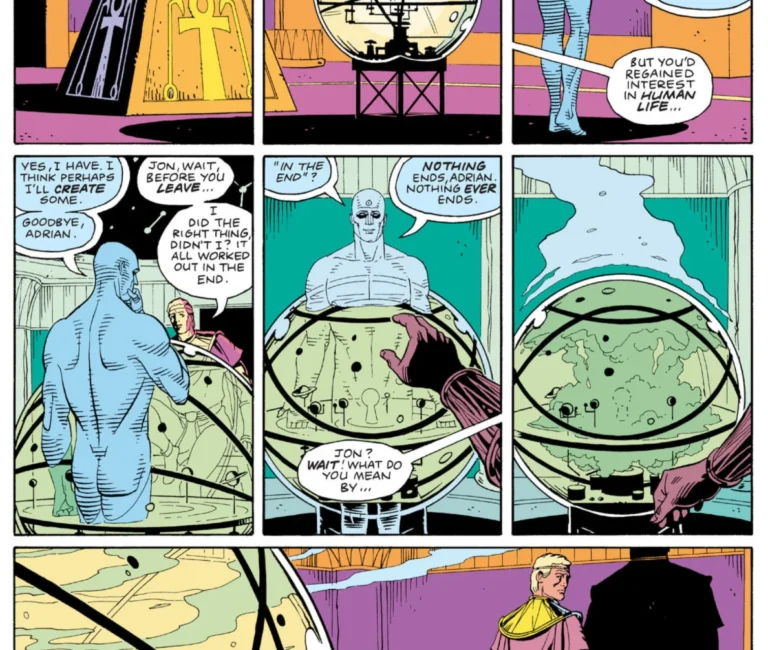
This perspective resonates with the historical warnings found in various disciplines, suggesting that unchecked power in a single entity, whether a monarch or a billionaire owner, can lead to the arbitrary imposition of rules that undermine the collective good. The analogy of "Nimrod" building the Tower of Babel, seeking to centralize all humanity, serves as a cautionary tale against the hubris of attempting to scale human interaction beyond its natural limits without robust, distributed governance. Ford’s invocation of a divine perspective—"I designed your brains to scale to 150 stable relationships. Anything beyond that is overclocking. You should all try Mastodon."—highlights the argument for smaller, more manageable communities.
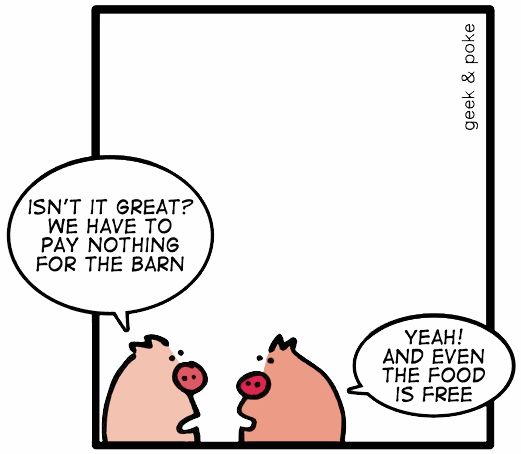
The concept of "digital sharecroppers," as Jeff Atwood (the original author) and others have frequently described, points to the exploitative nature of many "free" centralized services. Users invest their time, content, and data into platforms over which they have no ownership or control. This content, generated by users, becomes the property of the platform owner, who can then monetize it, alter access to it, or even remove it entirely at their discretion. This dynamic creates a precarious existence for users, who are beholden to the whims of the platform’s proprietor, much like historical sharecroppers were tied to the land owner.
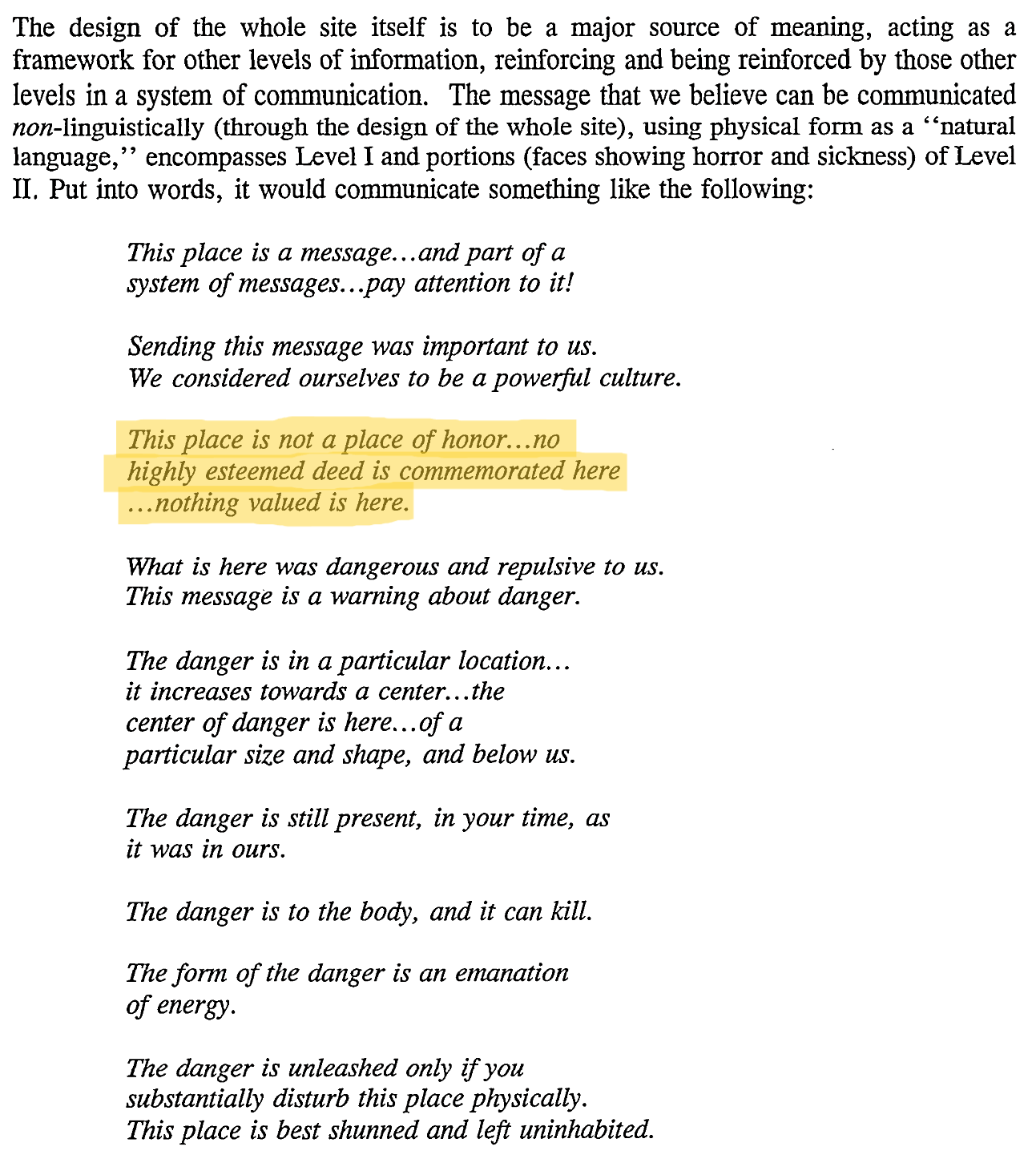
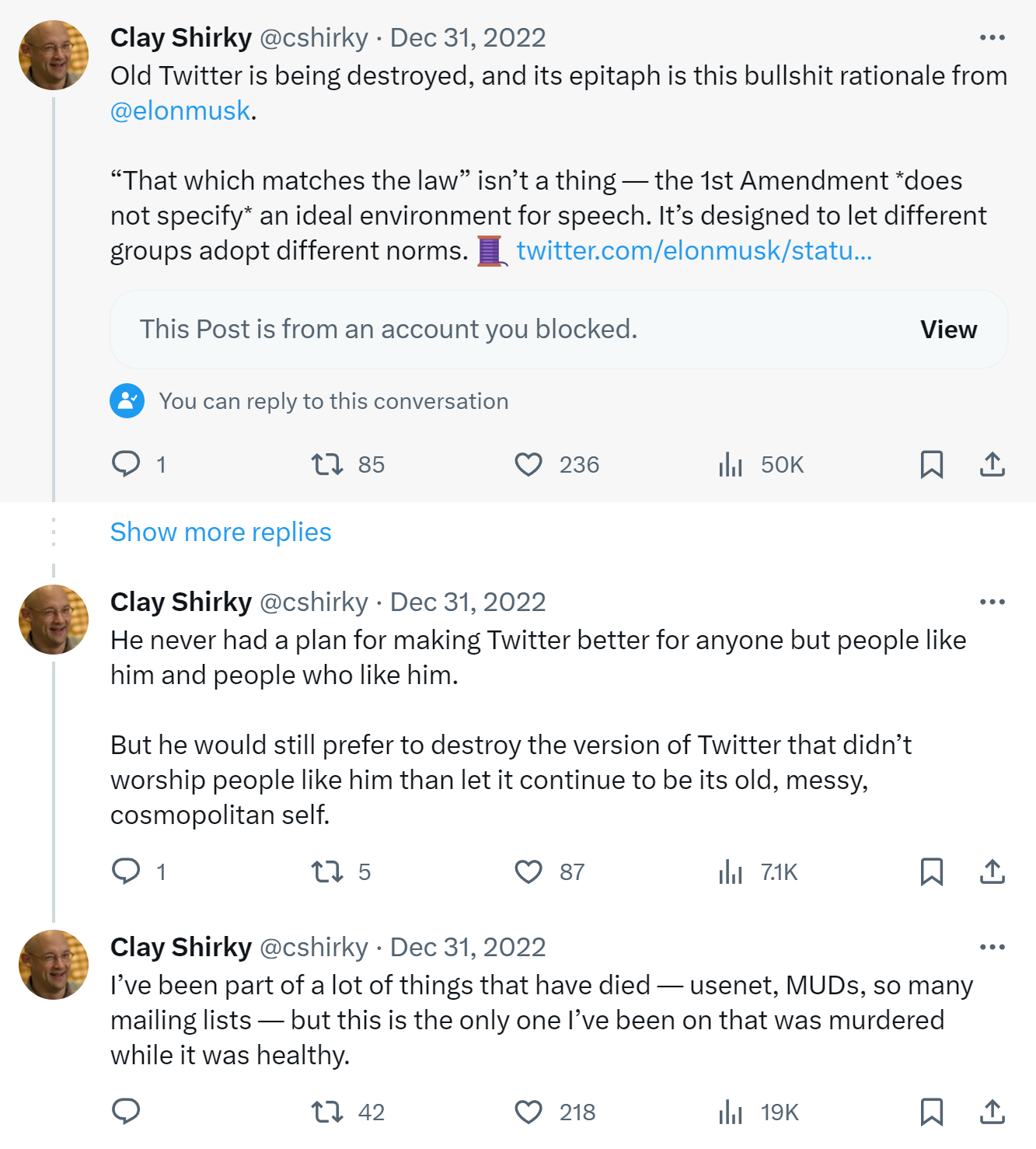
Clay Shirky’s poignant observation upon leaving Twitter at the end of 2022—"this is the only one I’ve been on that was murdered while it was healthy"—encapsulates the sentiment of many long-time users who witnessed the platform’s rapid decline. Shirky, a prominent scholar of social media, highlighted that the platform’s demise was not a natural evolution but a deliberate act, driven by an owner who seemingly prioritized personal ideology over community welfare.
The Imperative for Decentralized Alternatives
Against this backdrop, the argument for decentralized services has gained significant traction. Platforms like Mastodon, an open-source, federated social network built on the ActivityPub protocol, offer a compelling alternative. Unlike centralized platforms where all data resides on a single company’s servers, Mastodon comprises thousands of independent servers (instances) that can communicate with each other. This federation means that no single entity controls the entire network, reducing the risk of a single point of failure or autocratic control.
Users can choose an instance that aligns with their community values and moderation preferences. If an instance becomes problematic, users can migrate their accounts to another, taking their social graph with them. This model empowers users and communities with greater control over their online spaces, fostering resilience and self-governance. While acknowledging that decentralization can be "messy"—requiring more effort in terms of moderation and community building—proponents argue that this distributed effort is a necessary investment for a truly sustainable and democratic digital future. As Atwood states, "Anything worth doing is never easy," drawing a parallel to the inherent complexities and work required for a functioning democracy.
The economic model of decentralized services also differs. While many instances are community-funded or volunteer-run, they challenge the "free" service illusion. Centralized platforms are "free" to users because users themselves are the product, their data and attention monetized through advertising or other means. Decentralized models often require direct contributions or operate on different revenue streams, making the true cost of digital engagement transparent. This transparency encourages users to "grow up" and understand the trade-offs involved in online participation, moving away from the exploitation inherent in many ad-driven models.
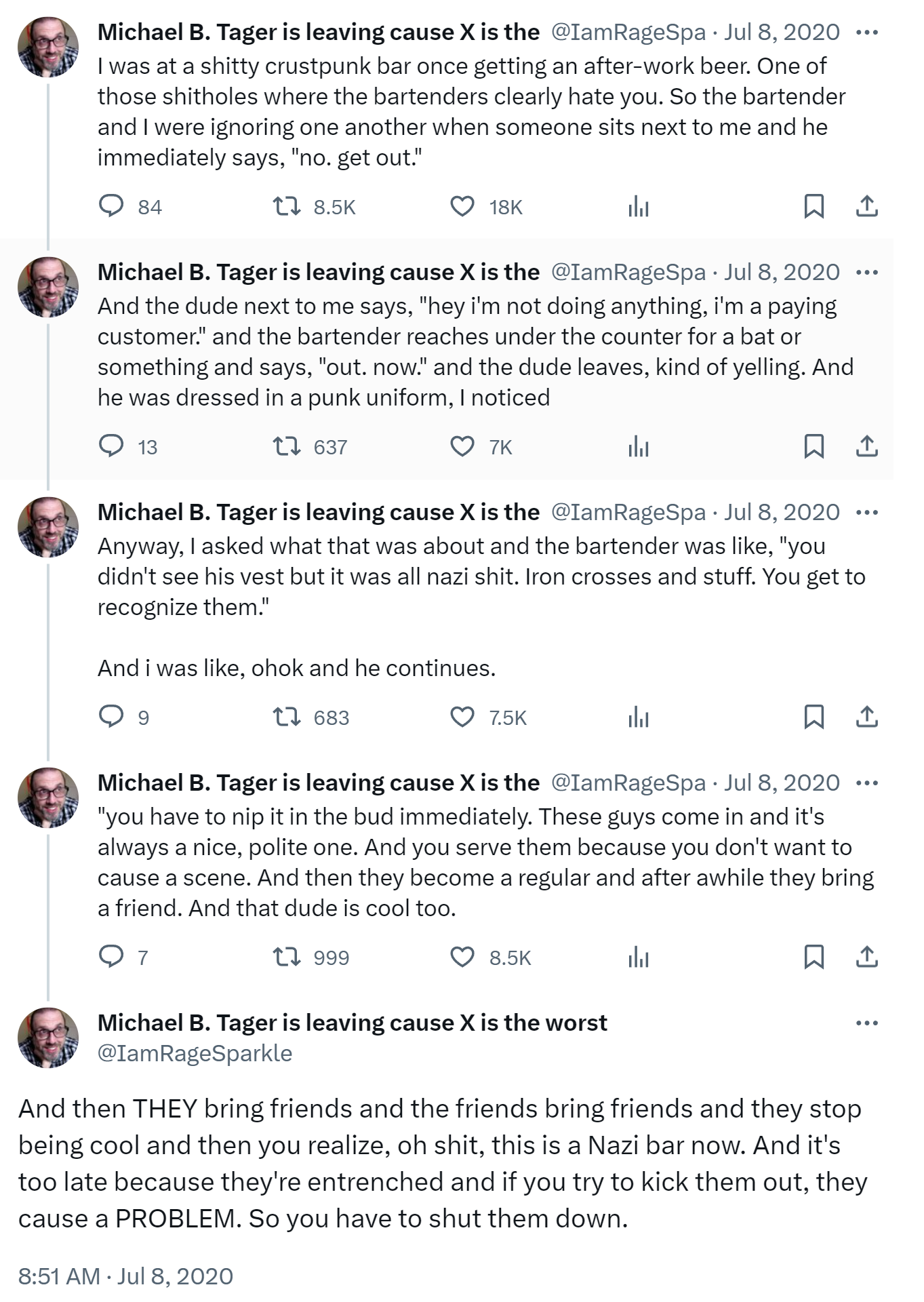
The "Nazi bar" analogy, cited in the original article, serves as a powerful metaphor for the dangers of unchecked platform governance. It illustrates how a seemingly innocuous allowance of undesirable elements can, over time, lead to the complete takeover and transformation of a space into something hostile and unwelcoming. The bartender’s immediate expulsion of the individual with Nazi symbols underscores the critical importance of proactive and decisive moderation in maintaining the integrity and safety of any community, online or off. When a platform is controlled by a single individual with shifting or absent moderation policies, the risk of such "takeovers" becomes profoundly amplified.
Empowering Users and Charting a New Course
The call to "disavow Twitter and never look at it again" reflects a growing sentiment among former users and tech commentators: that continued engagement with a platform perceived as toxic only feeds its diminishing influence. The focus has shifted from mere protest to active migration and investment in alternative digital ecosystems.
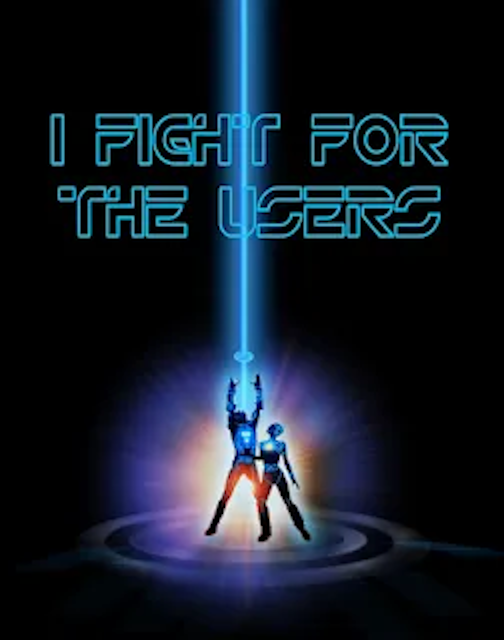
The Discourse project, co-founded by Jeff Atwood, exemplifies a commitment to collective ownership and user empowerment through robust moderation tools. It advocates for platforms where communities themselves have significant control over their content and governance, moving beyond the "digital sharecropper" model. This "Tron-like view" emphasizes that the software industry’s goal should be to empower users, not exploit them.
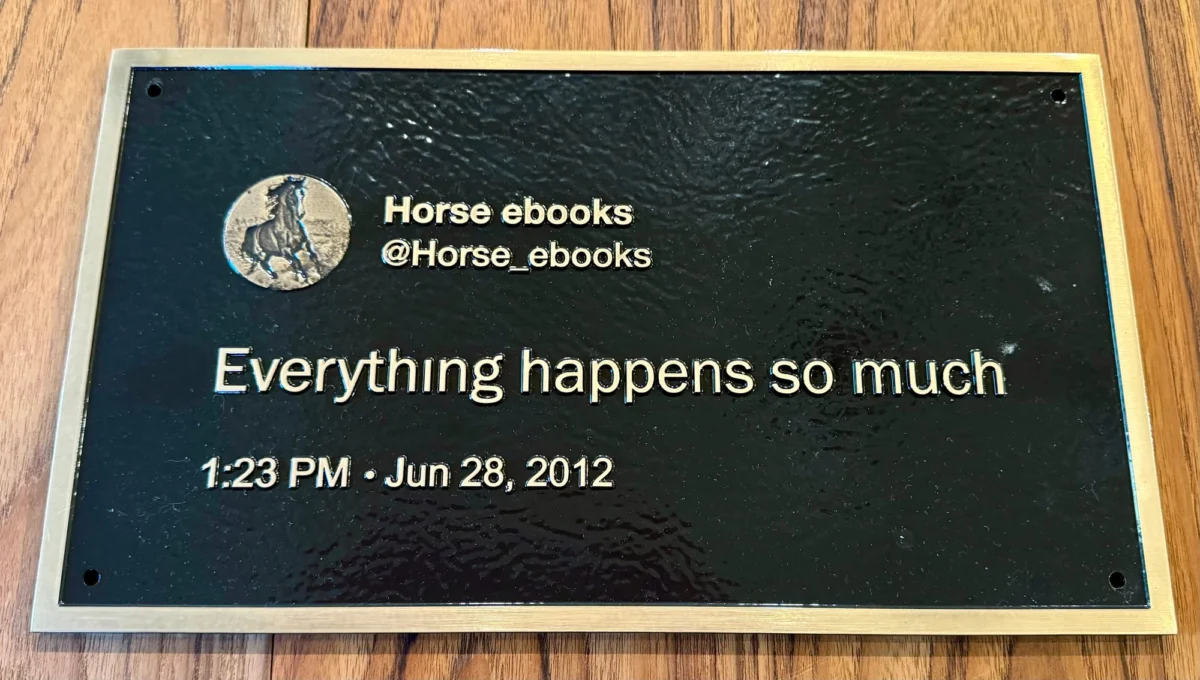
To galvanize this shift, symbolic actions are emerging. The auctioning of brass plaques commemorating a historically significant tweet, with proceeds benefiting The Trevor Project—an organization supporting LGBTQ youth—serves as both a protest against the platform’s perceived ideological leanings and a tangible contribution to a cause that stands in stark contrast to some of the controversial rhetoric associated with X’s new ownership. This initiative not only raises funds for a worthy charity but also offers a concrete way for individuals to detach from the former platform while supporting a more inclusive future.
In conclusion, the transformation of Twitter into X under Elon Musk has served as a stark demonstration of the vulnerabilities inherent in highly centralized digital platforms. The ensuing chaos—marked by mass layoffs, advertiser flight, policy reversals, and concerns over content moderation—has accelerated the urgent conversation about the future of online public discourse. The prevailing sentiment among many technologists, journalists, and former users is that the era of benevolent dictatorships in social media must give way to more resilient, democratic, and user-empowered models. The path forward, while potentially more complex and demanding, lies in embracing decentralized, open-source, and federated alternatives, ensuring that the digital public square remains a space truly governed by its citizens, not by a single sovereign.
About the Author