Prominent technology writer and developer Jeff Atwood recently completed a significant overhaul of his personal computing system, marking his first major upgrade since 2015. This extensive refurbishment, which included replacing a PC case in service since 2011, highlights a prevailing sentiment among long-time PC enthusiasts: the traditional pursuit of raw, unconstrained power upgrades has become less compelling, leading to a shift in focus towards optimized form factors. Atwood, known for his insightful commentary on the "Coding Horror" blog, notes that PC upgrades have become "really boring," prompting a five-year gap before he found the impetus for a comprehensive system refresh. This observation resonates with broader industry trends indicating a maturation of PC hardware, where incremental performance gains are now often overshadowed by innovations in miniaturization and efficiency.
The Shifting Landscape of PC Building
Atwood’s extended upgrade cycle from 2015 to 2020 (implied by the article’s context of "2020 and beyond") is indicative of a wider phenomenon in the personal computer market. For decades, PC enthusiasts and professionals alike chased ever-increasing clock speeds, core counts, and graphical processing power, leading to a rapid obsolescence cycle. However, as semiconductor manufacturing processes have matured and architectural efficiencies improved, the year-over-year performance leaps have become less dramatic. This has allowed high-end components to remain viable for longer periods, reducing the urgency for frequent upgrades. The average lifespan of a gaming PC, for instance, has reportedly increased from 3-4 years to 5-6 years, as even mid-range systems offer sufficient power for most applications and games for an extended duration.

Furthermore, the rise of powerful mobile devices, cloud computing, and highly optimized gaming consoles has diversified the computing landscape. While dedicated PCs remain indispensable for certain tasks, the general perception of a "personal computer" has broadened beyond the traditional tower. Atwood’s long-standing engagement with PC hardware, documented across a 13-year series of build entries on his blog, provides a valuable chronological lens through which to view these shifts. His previous observations, such as his 2012 assertion that "the PC is over," though perhaps hyperbolic, underscored a growing awareness that the PC market was evolving beyond its early, explosive growth phase. This current upgrade, therefore, is not merely a component refresh but a reflection of a deeper trend in how PC hardware is valued and utilized.
Embracing Small Form Factor: The New Frontier
Against this backdrop of performance plateaus, the innovation in PC building has increasingly gravitated towards the Small Form Factor (SFF) segment. SFF PCs prioritize compactness without compromising significantly on performance, appealing to users who desire powerful systems that blend seamlessly into modern living spaces, offer greater portability, or simply occupy less desk real estate. Atwood identifies this trend, stating that "The future of PCs may not necessarily be more speed… but in smaller builds."
For his latest build, Atwood explored two prominent SFF cases: the Dan A4 SFX and the Streacom DA2. These cases represent the pinnacle of SFF design, engineered to house high-performance components within volumes significantly smaller than conventional ATX or even Micro-ATX enclosures.
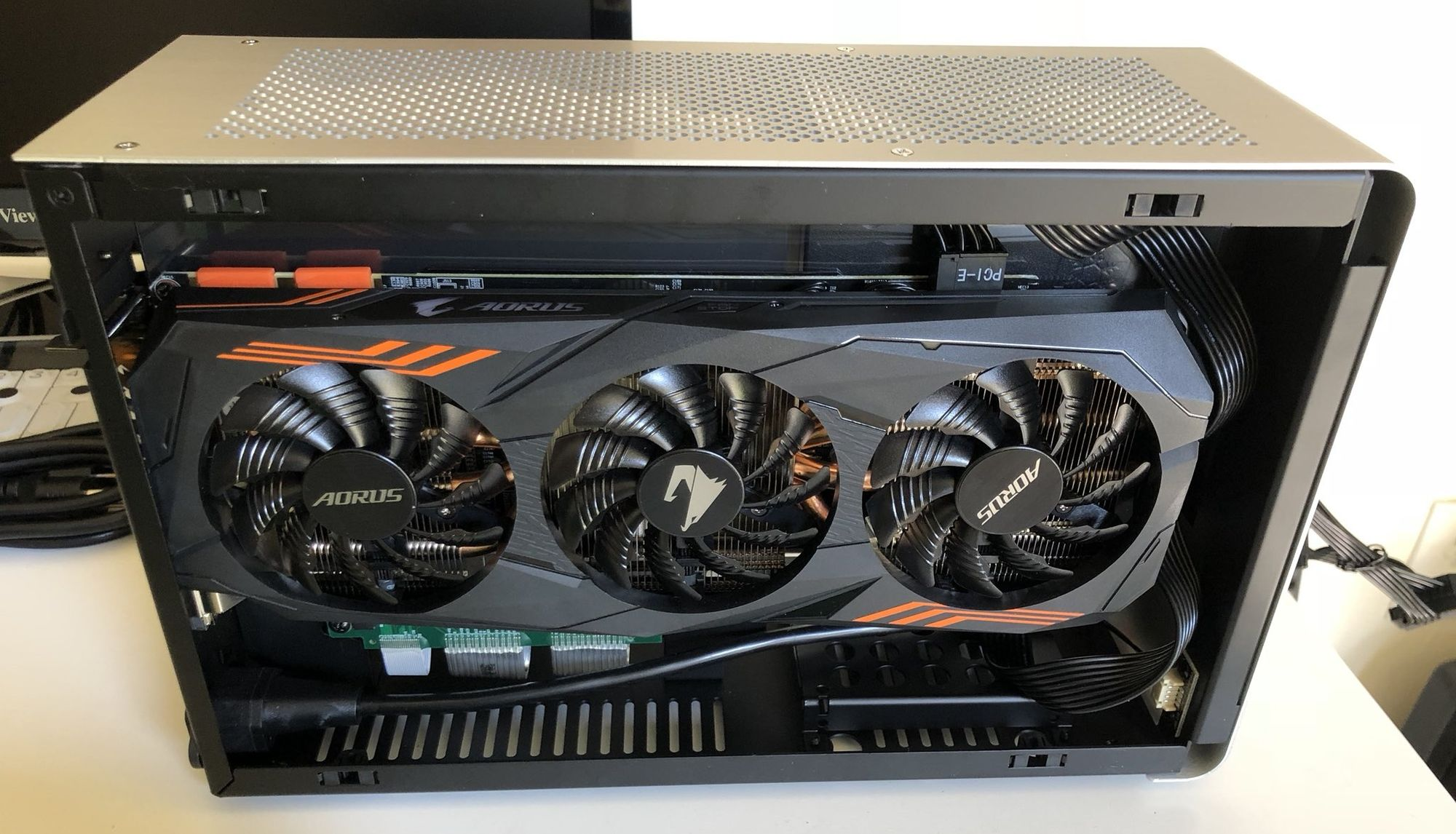
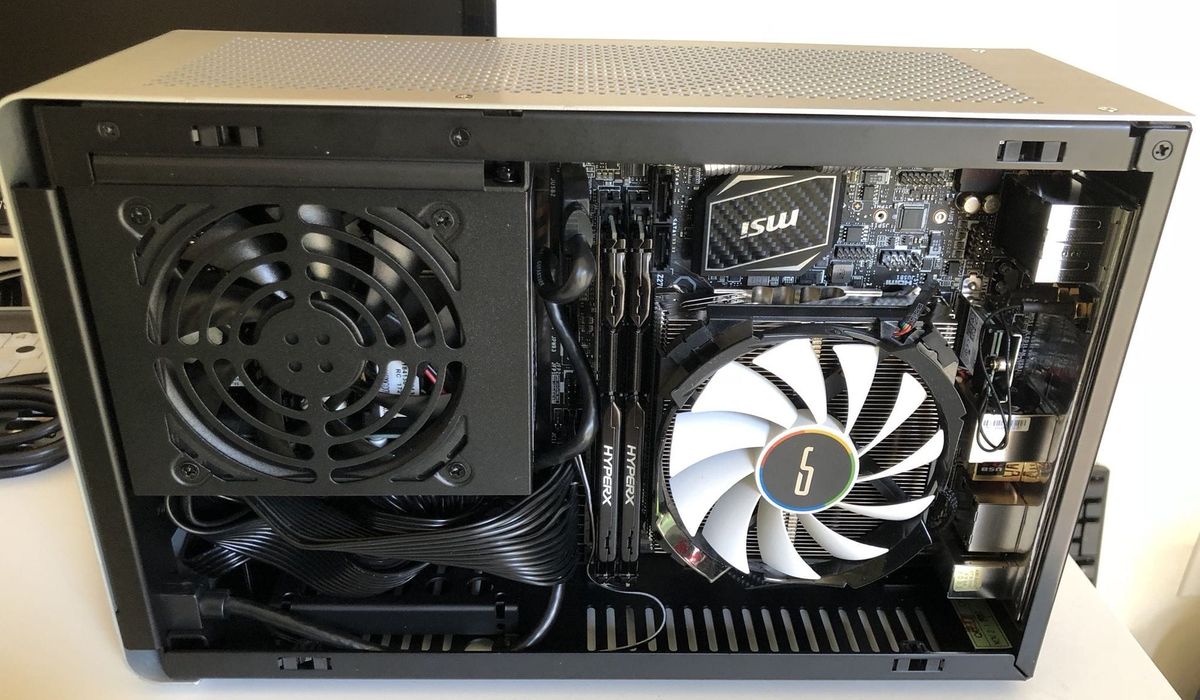
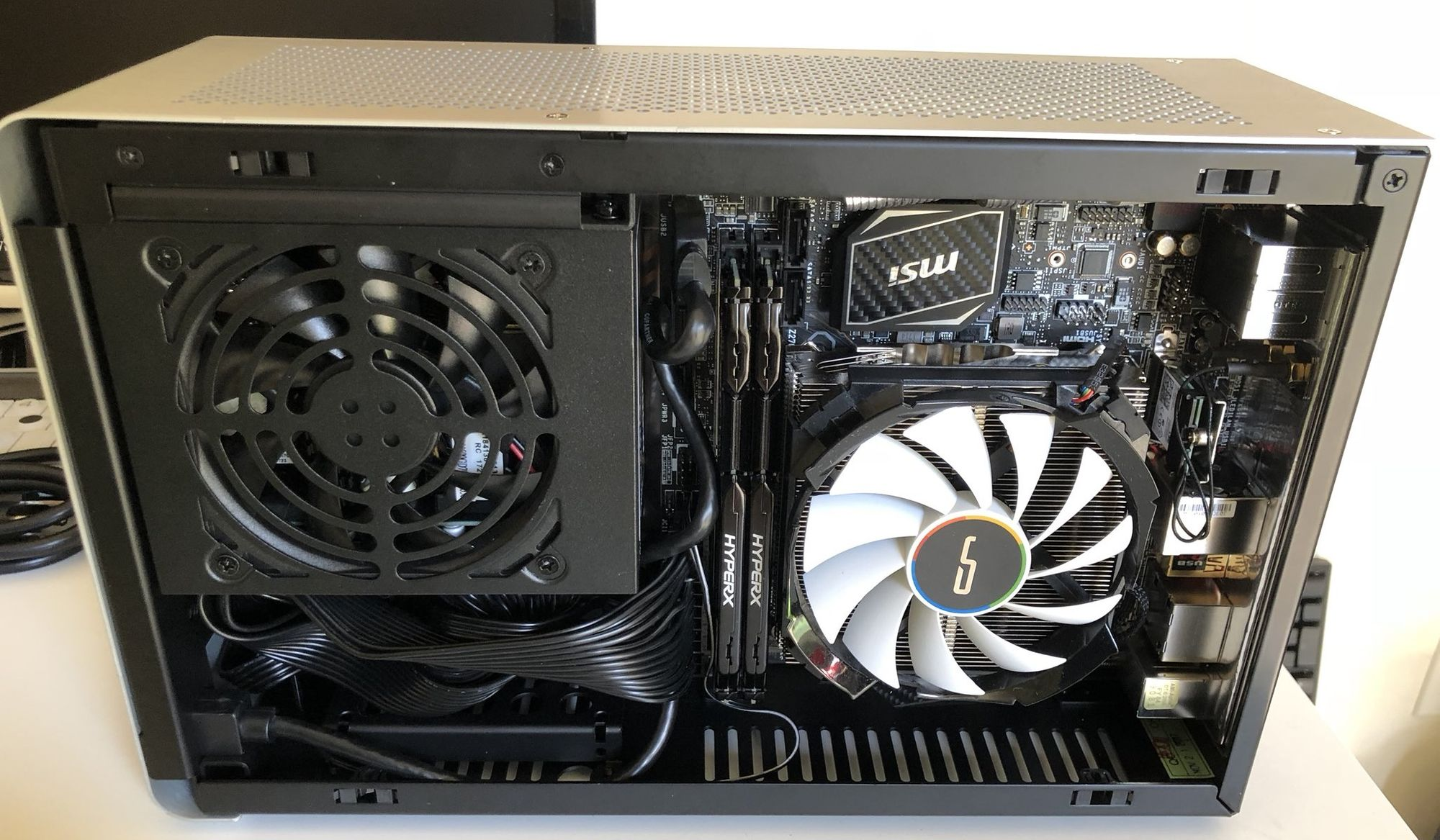
- Dan A4 SFX: Renowned within the SFF community for its minimalist design and extreme compactness, the Dan A4 SFX is often cited as a benchmark for ultra-small Mini-ITX systems. With dimensions of 200mm x 115mm x 317mm, it achieves a paltry volume of just 7.3 liters. Its design meticulously optimizes internal space to accommodate a full-sized graphics card and a standard CPU cooler, albeit with stringent limitations on component size. This case exemplifies the "maximum power in minimum size" philosophy, pushing the boundaries of what is physically possible with off-the-shelf components.
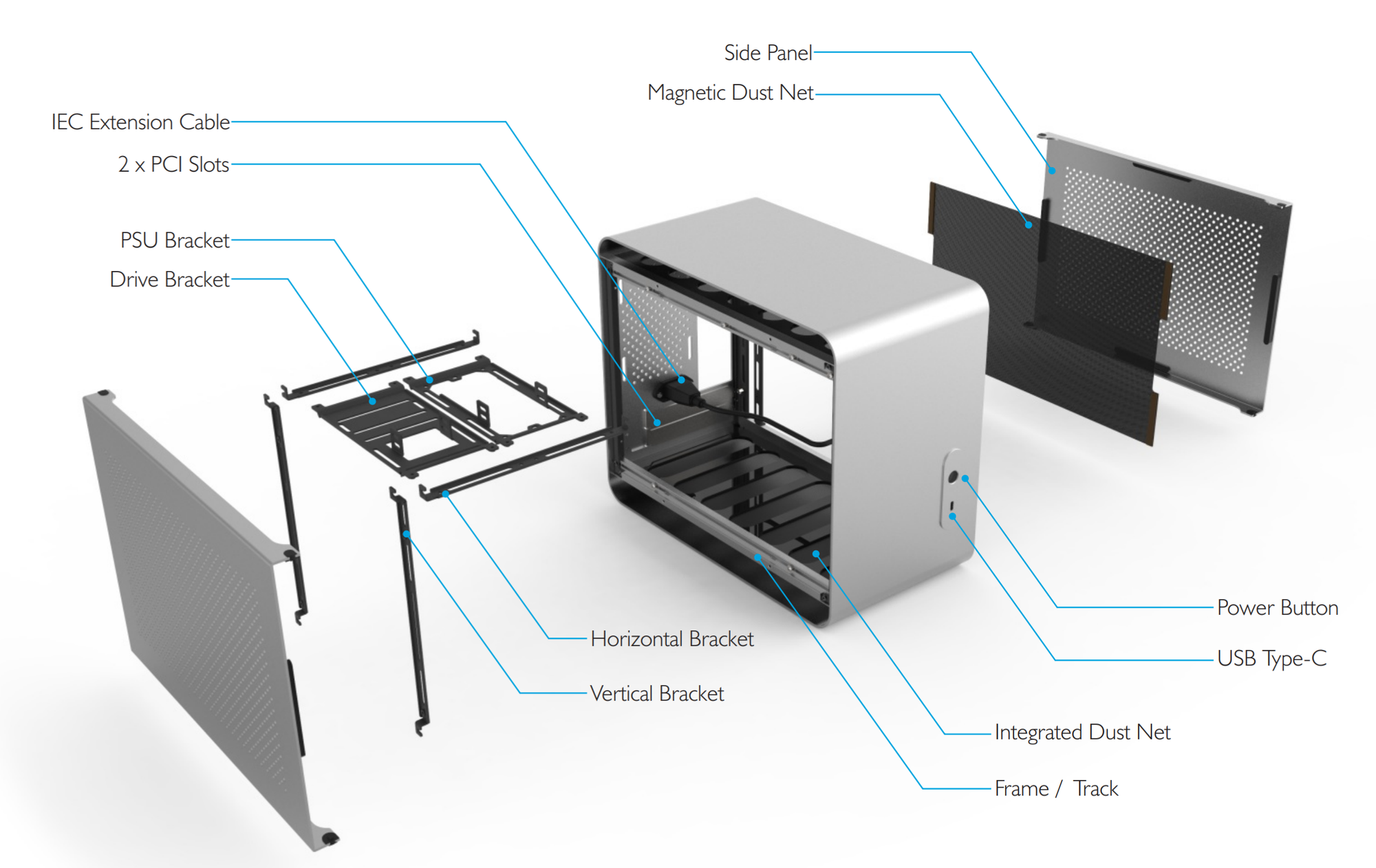
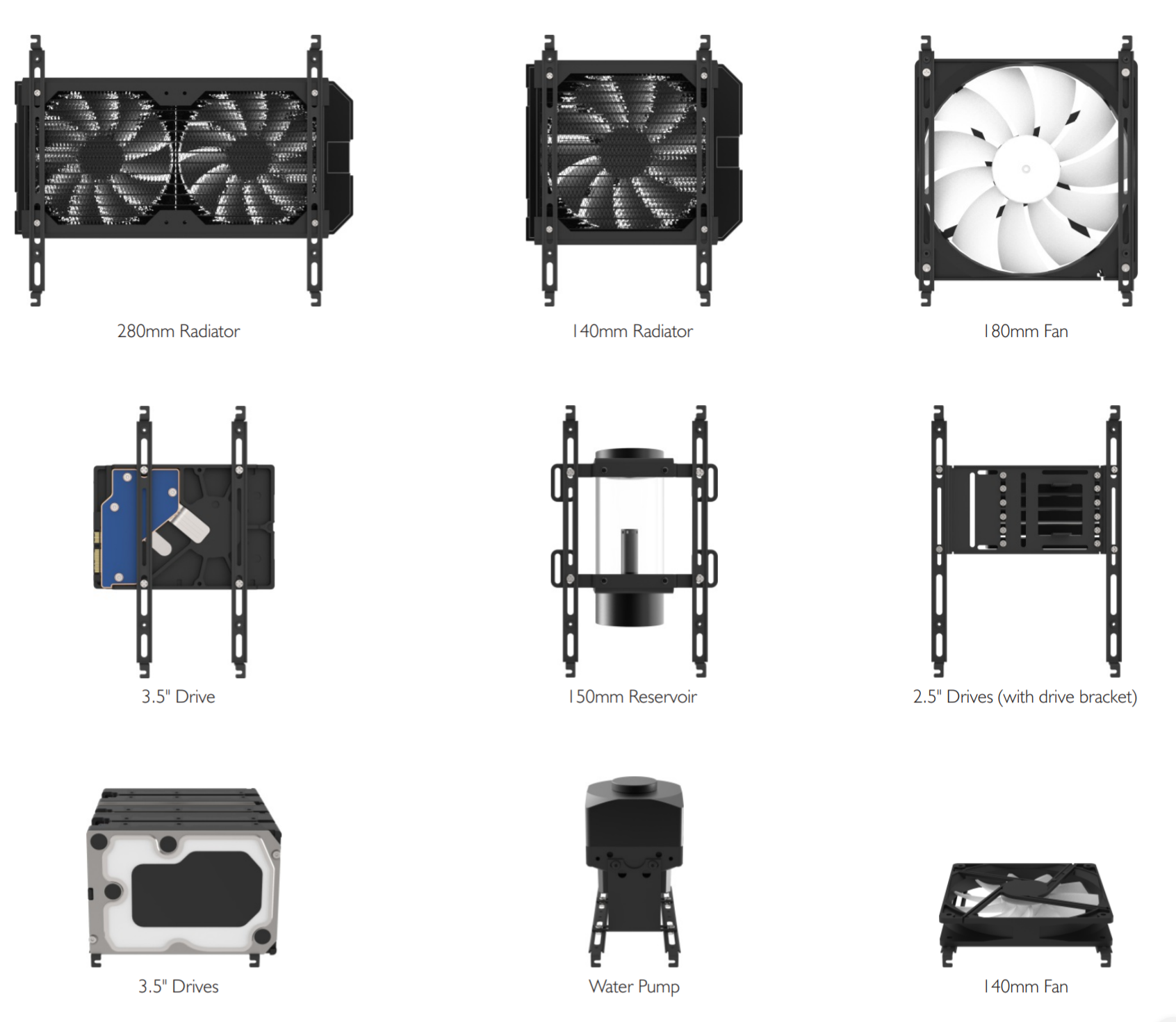
- Streacom DA2: While larger than the Dan A4 SFX at 180mm x 286mm x 340mm (17.5 liters), the Streacom DA2 offers a different approach to SFF. Its slightly increased volume provides crucial additional room for cooling solutions and greater flexibility in component selection. This case is characterized by its modular interior, featuring a versatile bracket system that allows users to configure components in various orientations to optimize airflow and accommodate larger coolers or multiple fans. This flexibility makes the DA2 an attractive option for enthusiasts seeking a balance between compactness and thermal performance, particularly when integrating high-end, heat-generating hardware.
The allure of these cases lies in their ability to house top-tier components that rival or even surpass the performance of larger desktop systems, all within a footprint that can be easily tucked away or transported. This pursuit of density represents a significant shift from the era of large, imposing tower PCs, signaling a maturity in PC design where efficiency of space is as critical as raw processing power.
Deep Dive into the Streacom DA2 Build
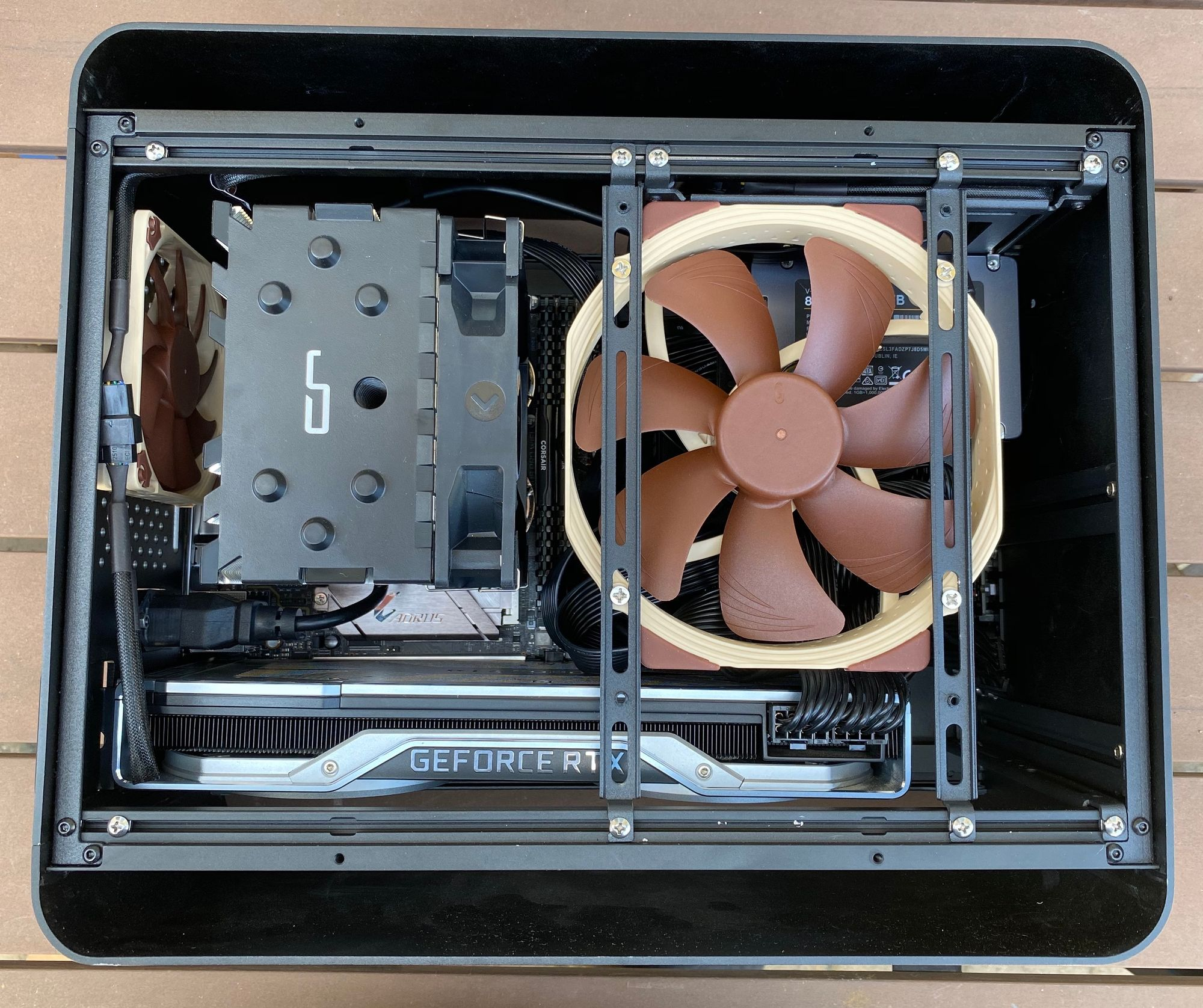
Jeff Atwood ultimately selected the Streacom DA2 for his personal build, acknowledging the necessity of "more room to deal with extremely powerful CPUs and GPUs in this form factor." This decision underscores a critical challenge in SFF building: balancing extreme compactness with effective thermal management, especially when deploying high-performance components. His chosen system configuration includes:
- CPU: A modern, high-core-count processor (specific model not detailed, but inferred to be a significant upgrade).
- RAM: 32GB of DDR4 memory (double his previous system).
- Storage: Two M.2 NVMe SSD slots (double his previous system’s one slot).
- GPU: A powerful, contemporary graphics card (specific model not detailed).
Comparing this to his previous 2015-2017 system, which featured a "slightly overclocked i7-7700k," the upgrade represents a substantial leap in capabilities. The i7-7700k, a Kaby Lake generation Intel CPU, featured 4 cores and 8 threads. A modern equivalent (e.g., from AMD’s Ryzen 5000/7000 series or Intel’s 12th/13th/14th Gen Core series) would offer at least double the cores (e.g., 8 cores, 16 threads, or even more performance/efficiency cores), significantly faster clock rates, and considerable improvements in Instructions Per Cycle (IPC). This translates to a system that is not just numerically superior but fundamentally more capable of handling multi-threaded workloads, demanding applications, and high-fidelity gaming. The doubling of memory to 32GB and the availability of two M.2 slots further enhance multitasking capabilities and provide ample high-speed storage, crucial for modern operating systems, games, and large datasets.
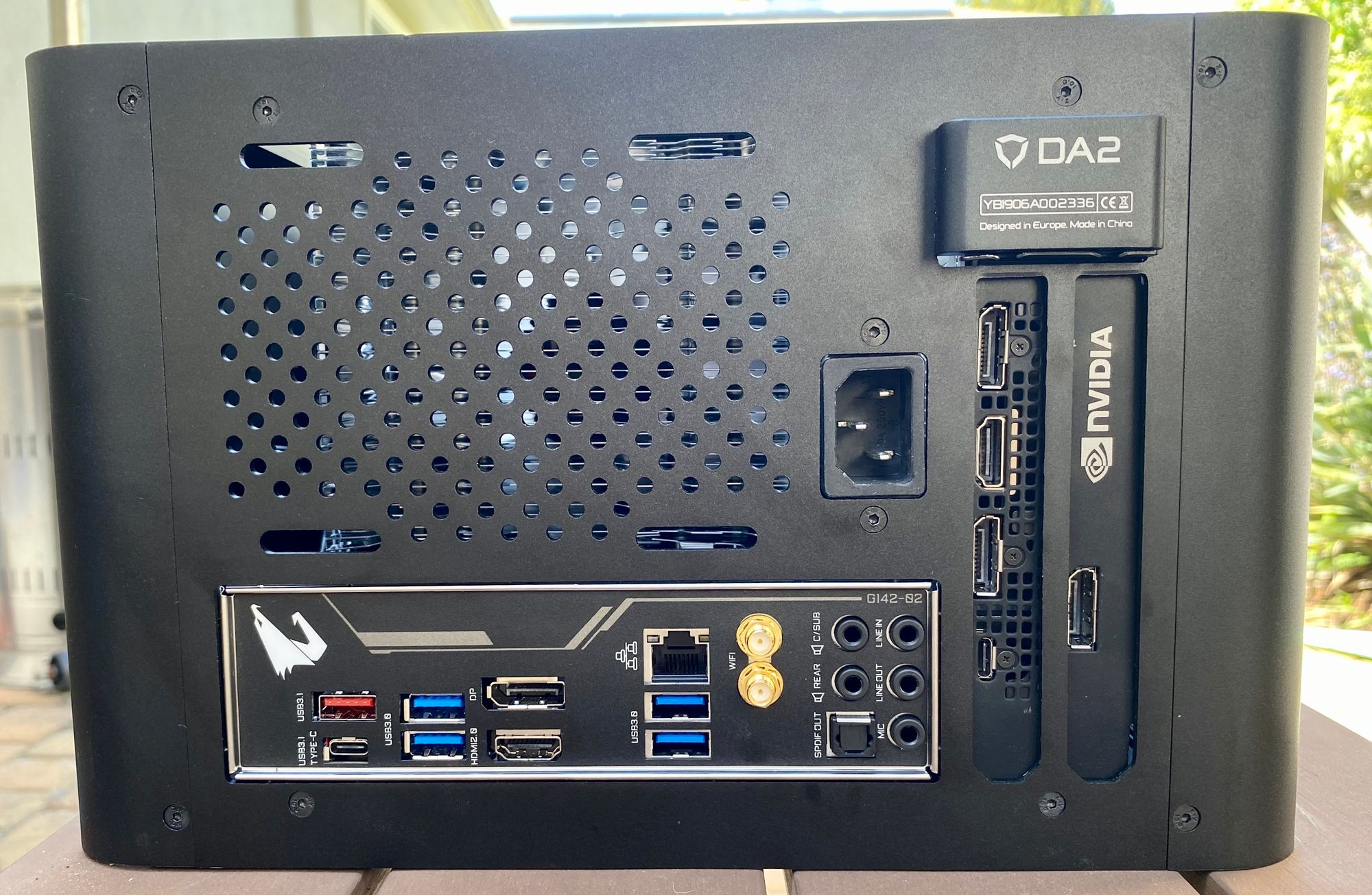
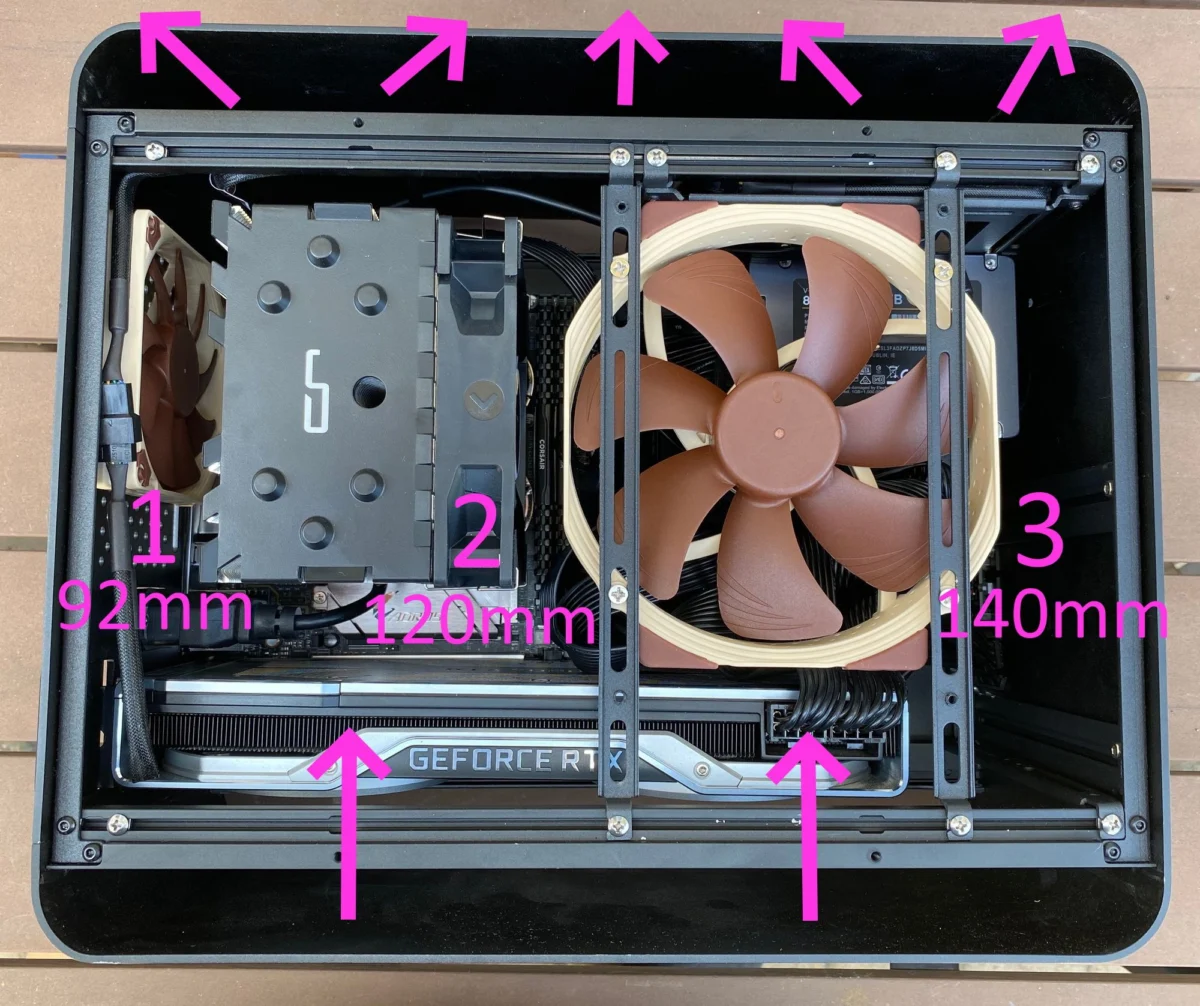
The DA2’s "hybrid open-air design" at the top and bottom, coupled with its highly versatile internal bracket system, proved instrumental in achieving optimal performance within its constrained volume. The ability to adjust component placement – for instance, mounting a power supply in different orientations or repositioning fans – offers builders unprecedented control over internal airflow paths. Atwood’s recommendation to remove the top and bottom acrylic panels, exposing the mesh dust nets, is a testament to the importance of maximizing airflow in SFF builds. He reported "dramatically better temperatures" after this modification, highlighting that even well-designed SFF cases often require user optimization to unlock their full thermal potential, especially given the completely solid front panel of the DA2.
Challenges and Optimizations in SFF
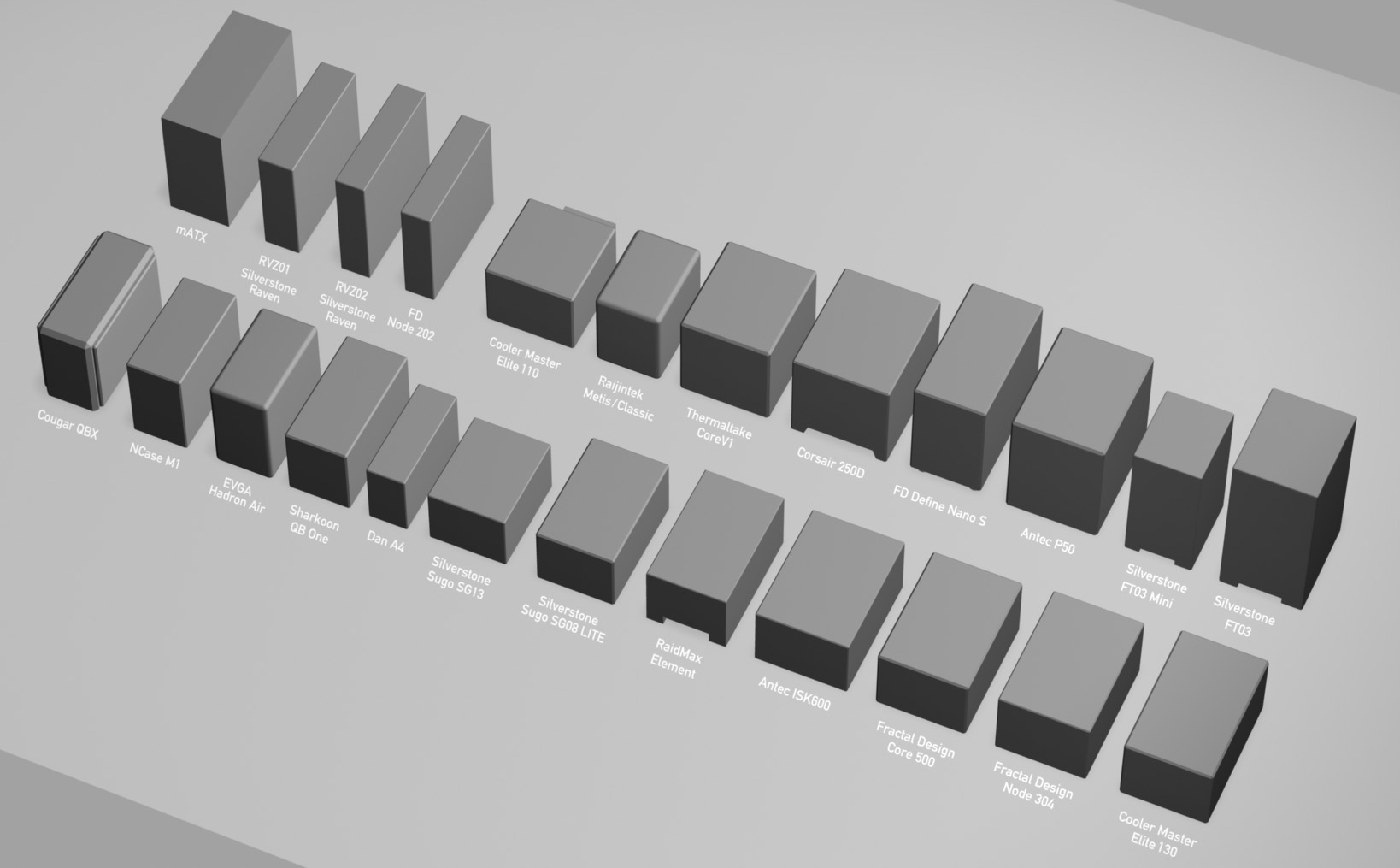
Building in SFF presents unique challenges, primarily centered around thermal management and component compatibility. The compact nature of these cases means less air volume for heat dissipation and often restricts the size of CPU coolers and GPU designs. Atwood’s experience underscores these points:
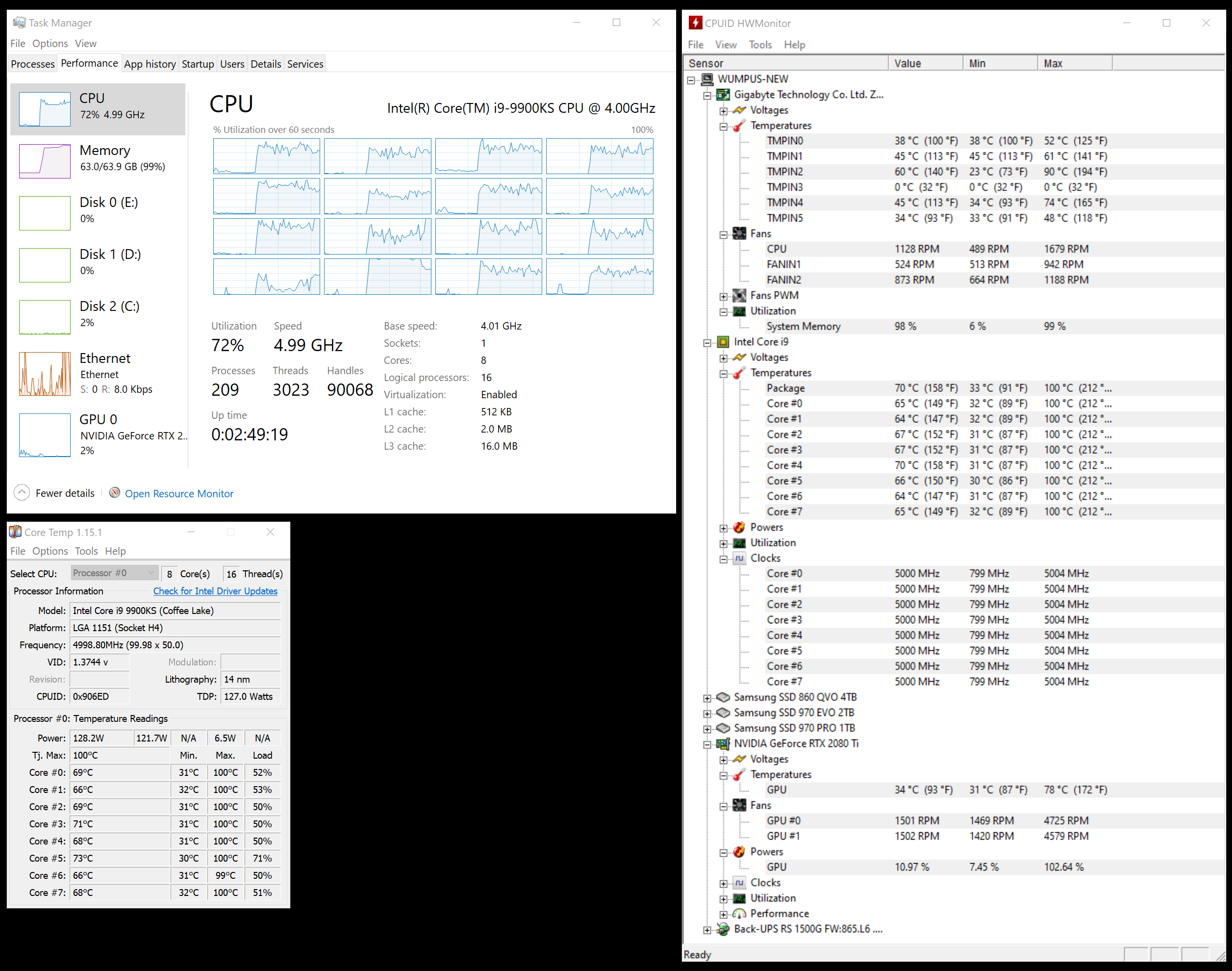
- Cooling Limitations: While the Streacom DA2 offers more room than the Dan A4 SFX, it still demands careful consideration of cooling. Atwood’s preferred configuration involves opening the top and bottom panels and utilizing three fans to create an effective airflow path. This strategy, often employing a combination of intake and exhaust fans, is critical for preventing thermal throttling in high-performance SFF systems.
- Water Cooling Consideration: Atwood, having had "traumatic cooling fluid leaks in the early 2000s," opted for air cooling. However, he acknowledges that for users expecting "full CPU and GPU loads for extended periods," liquid cooling might be a necessary alternative. All-in-One (AIO) liquid coolers, with their compact radiator and pump designs, have become popular in SFF builds for their superior cooling performance over similarly sized air coolers. The DA2’s design, with a dedicated 140mm space, caters to this, allowing for the integration of a single-fan radiator.
- Component Selection: The physical dimensions of GPUs, CPU coolers, and power supplies (SFX or SFX-L form factors are almost mandatory) become paramount. Builders must meticulously check compatibility lists to ensure chosen components fit within the case’s constraints.
Despite these challenges, the process of building a PC, particularly an SFF one, has become more streamlined. Modern motherboards simplify installations with integrated M.2 slots, tool-less mechanisms for some components, and improved cable management features. This ease of assembly, combined with the aesthetic and space-saving benefits, makes SFF builds increasingly accessible and appealing to a broader audience.
The Broader Context: SFF vs. Consoles and the Future of PCs
Atwood draws a compelling comparison between SFF PCs and modern gaming consoles. He notes that a PlayStation 4 Pro occupies 5.3 liters and an Xbox One S 4.3 liters. His Streacom DA2 build, at 17.5 liters, is roughly three to four times larger in volume but offers "considerably more than 2x the power." This comparison is crucial for understanding the value proposition of SFF PCs. While consoles offer highly optimized, fixed hardware at a lower price point, an SFF PC provides unparalleled versatility, upgradeability, and often superior performance, all within a compact footprint that, while larger than a console, is still remarkably small for its capabilities. This "power density" is a testament to advancements in component efficiency and SFF case design.
The growth of the SFF market also challenges the notion that "the PC is over." Instead, it suggests a dynamic evolution. The PC is not dying; it is adapting. Innovation is no longer solely about raw benchmarks but about how that power is delivered and integrated into users’ lives. The shift towards compact, elegant, and powerful systems reflects a demand for computing devices that are both high-performing and aesthetically pleasing, fitting into minimalist designs and urban living spaces.
Companies like DAN Cases, Streacom, and others in the SFF niche have fostered a vibrant community of enthusiasts who constantly push the boundaries of miniaturization. The existence of ultra-compact Mini-ITX builds, like the Motif Monument from Yuel Beast Designs, further exemplifies this trend, showcasing bespoke designs that maximize efficiency and aesthetic appeal.
Conclusion
Jeff Atwood’s latest PC upgrade, moving from a long-standing system to a cutting-edge Small Form Factor build in the Streacom DA2, serves as a microcosm of the broader shifts occurring in the personal computing landscape. His observation that PC upgrades have become "boring" is not a lament but an acknowledgment of hardware maturation, prompting innovation in areas beyond pure speed. The rise of SFF PCs, characterized by their ability to pack maximum power into minimum space, represents the new frontier of PC building. These systems offer a compelling blend of high performance, aesthetic integration, and efficient use of space, catering to a growing segment of users who value discretion and design as much as raw computational might. As components continue to miniaturize and become more power-efficient, the SFF segment is poised to drive future innovations, ensuring that the personal computer remains a dynamic and evolving platform for years to come.
About the Author