The extended reality (XR) industry reached a pivotal juncture this week with the official commercial launch of the XREAL Aura augmented reality glasses, occurring alongside shifting financial indicators from market leaders like Meta. As hardware manufacturers navigate a landscape defined by declining virtual reality (VR) headset sales and surging interest in AI-integrated smartglasses, the industry is witnessing a significant recalibration of product cycles and regional distribution strategies.
XREAL Aura Launch and Competitive Pricing Strategy
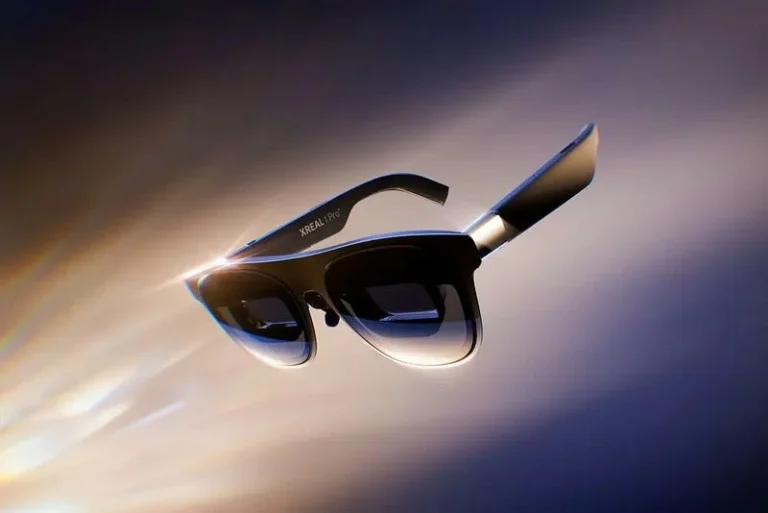
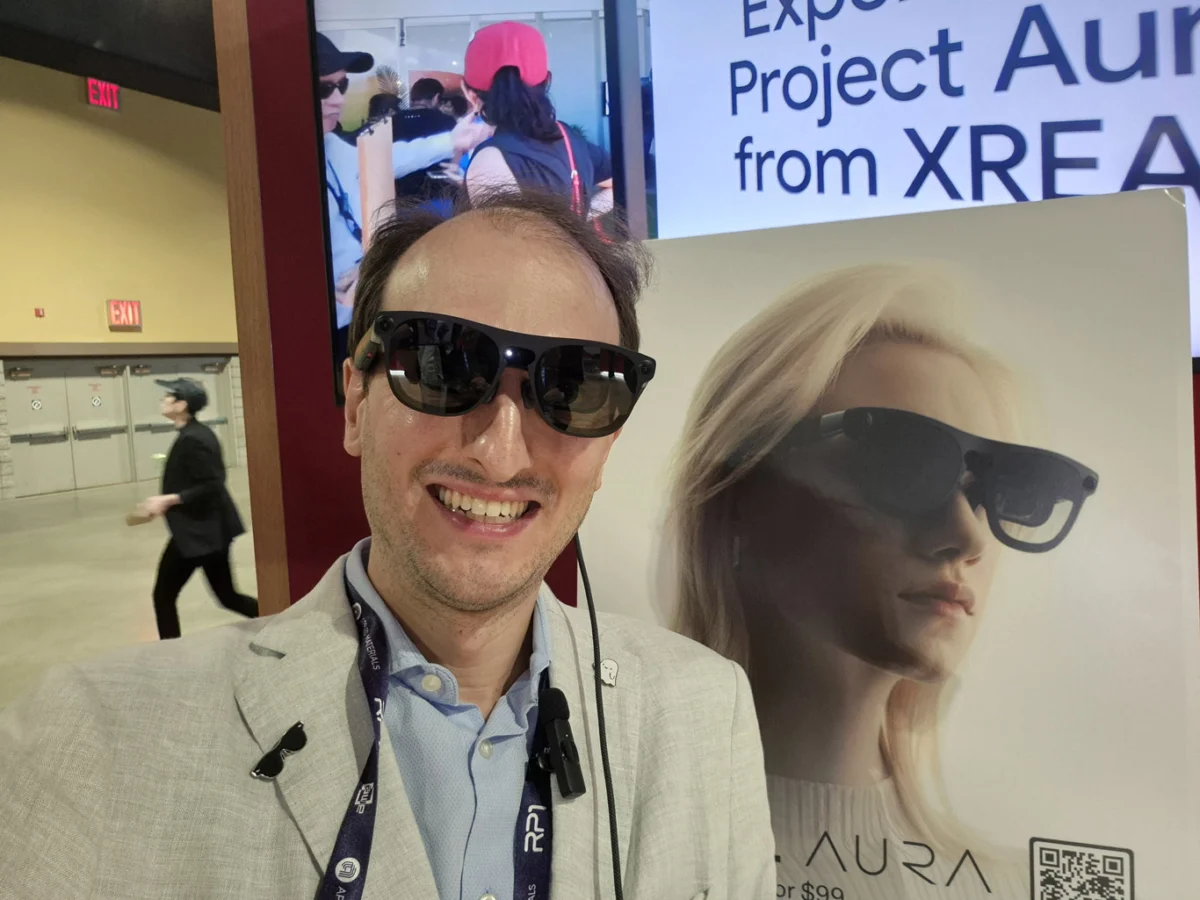
At the recent Android Dev Summit, XREAL finalized the launch of its latest augmented reality (AR) hardware, the XREAL Aura. Following a successful reservation period, the device is now available for direct purchase through XREAL’s official channels and major retail partners, including Best Buy. The company has implemented an aggressive pricing strategy to capture market share from established competitors, specifically targeting the price gap between high-end AR glasses and Meta’s current VR offerings.
The XREAL Aura is available in two configurations. The standard model carries a retail price of $1,499, while the "Ultimate" edition is priced at $1,699. To incentivize early adoption, XREAL has introduced a significant launch discount of $200 for all purchases made before the end of 2026. This brings the entry price to $1,299, a move industry analysts suggest is intended to counteract underwhelming preorder figures and provide a more compelling alternative to Meta’s hardware ecosystem.
The initial distribution of the Aura is slated for mid-November, focusing on the United States, Canada, Japan, and South Korea. Notably absent from the launch list are the European Union and Australia. This regional exclusion means consumers in these territories will likely miss the initial launch discounts. Despite these logistical hurdles, XREAL is bolstering its ecosystem by announcing compatibility with the Godot game engine and the upcoming release of "Fallout: Factions," a tabletop-inspired AR experience.

Meta Financials and the Decline of VR Hardware Sales
While AR glasses manufacturers are pushing for growth, the VR headset sector is facing headwinds. In its Q3 earnings call, Meta Platforms reported a 6% decline in revenue for its Reality Labs segment, totaling $443 million. The company attributed this dip primarily to lower Quest headset sales. This downward trend highlights a cooling of consumer interest in traditional VR form factors, even as Meta continues to dominate the standalone VR space.
Meta CEO Mark Zuckerberg addressed these figures by emphasizing a shift in corporate strategy. He indicated that the company intends to move away from incremental hardware updates, opting instead to release new headsets only when they represent a significant technological breakthrough. This "quality over frequency" approach aims to prevent market fatigue and avoid the "VR is dead" narrative that often follows minor hardware refreshes.
Conversely, Meta reported robust growth in its AI glasses division. The Ray-Ban Meta smartglasses have outperformed expectations, leading Meta’s leadership to pivot more resources toward the intersection of eyewear and artificial intelligence.
The Surge in Smartglasses and Wearable Revenue
The shift toward smartglasses is further validated by the financial performance of EssilorLuxottica, Meta’s primary hardware partner for the Ray-Ban smartglasses line. The eyewear giant reported record revenues, with the wearables sector—encompassing both smartglasses and Nuance Audio solutions—contributing approximately €486 million, or 6.5% of total company revenue.
Data indicates that while the growth of smartglasses is stabilizing, it remains substantial. Sales rose 20% in the third quarter of 2026. While this is a deceleration from the nearly 100% growth seen in the previous quarter, it represents a transition from a niche novelty to a normalized, high-growth consumer category. This trend explains why industry giants are increasingly prioritizing lightweight, socially acceptable eyewear over bulky immersive headsets.

Competitive Developments Samsung and Rokid
Rumors originating from South Korea suggest that Samsung is preparing to enter the smartglasses market in mid-December 2026. Like XREAL, Samsung’s initial rollout is expected to focus on the United States and South Korea. The timing of this rumored launch has drawn scrutiny from analysts; a mid-December release misses the critical Black Friday and Cyber Monday shopping windows, potentially dampening initial sales volume.
The delay in European availability for both Samsung and XREAL hardware is largely attributed to the European Union’s stringent AI regulations. Integrating advanced AI features, such as Google’s Gemini, requires navigating complex compliance frameworks that are currently more rigorous in the EU than in other global markets.
Simultaneously, Rokid held its "Rokid Jungle" event in China, unveiling a suite of new devices designed to flesh out its ecosystem:
- Rokid Color: A pair of photochromic glasses designed for everyday wear.
- Rokid Glasses 2: Bino-vision glasses featuring 4K resolution per eye and powered by the Snapdragon AR1 platform.
- Rokid Ring: A wearable peripheral designed to act as a discreet controller for the glasses.
Niche Hardware and Privacy-Focused Alternatives
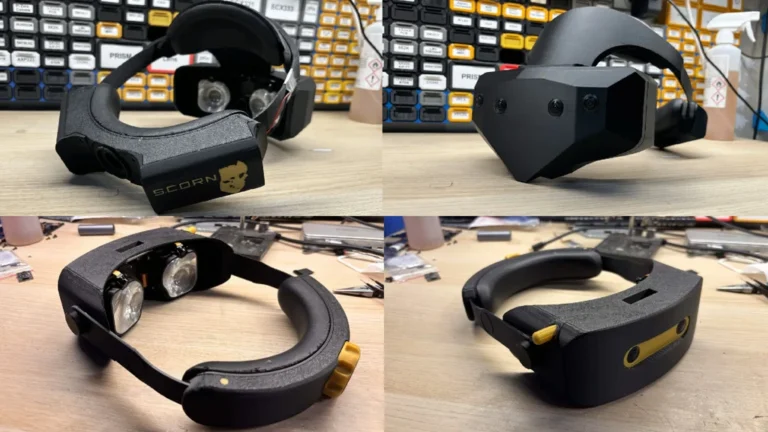
The hardware landscape is also diversifying into specialized niches. The Raven Prism 1, which launched concurrently with the XREAL Aura, offers a distinct philosophy. As a monocular smartglass running on Linux, the Prism 1 focuses heavily on privacy and developer freedom. It includes a physical camera shutter to ensure user security and utilizes voice and eye-tracking for navigation. Starting at $1,499, the device is positioned as a portable computer for power users rather than a mass-market gaming peripheral.
The Industry Content Dilemma and Workforce Impacts
Despite the influx of hardware, the industry continues to struggle with a "content dilemma." During a recent industry address, representatives from Valve noted that VR hardware adoption is being hampered by a lack of compelling, high-fidelity software. Valve observed that many users who own high-end XR hardware are increasingly using it to play traditional "flat-screen" games via virtual theater modes rather than dedicated VR titles.

This stagnation in the high-end software market has had tangible consequences for developers. Schell Games, a veteran studio responsible for the "I Expect You To Die" franchise, recently announced significant layoffs. This marks the second round of staff reductions for the studio in 2026, signaling that even established players are finding it difficult to sustain growth in a market that is increasingly leaning toward mobile-first, kid-centric experiences.
Technical Innovations and Software Solutions
To combat the content drought, software companies are leveraging AI to simplify development. Google recently announced the integration of its "XR Blocks" framework into Google AI Studio. Powered by Gemini, this tool allows developers to "vibe-code"—generating physics-aware WebXR applications through simple natural language prompts. This is expected to lower the barrier to entry for creators and accelerate the prototyping of new AR experiences.
Additionally, the community has seen the rise of unofficial solutions like "Venture," an emulator designed to allow PC VR users to play Meta Quest-exclusive titles on high-powered computers. While the legal and terms-of-service implications of such emulators remain gray, their existence highlights a persistent demand for cross-platform accessibility in a fragmented ecosystem.
Implications for the 2027 Outlook
As the industry moves toward 2027, the focus has clearly shifted from pure virtual immersion to augmented utility. The success of the XREAL Aura and the Ray-Ban Meta glasses suggests that consumers value form factor and AI integration over raw graphical power. However, the hardware-software gap remains a critical vulnerability. Unless the industry can address the content scarcity noted by Valve and the financial instability facing studios like Schell Games, the market may continue to see a consolidation where only the most versatile and lightweight devices survive.
About the Author