The personal computer landscape is undergoing a significant transformation, moving beyond the traditional emphasis on sheer speed to a new paradigm of compact power. A recent observation highlights this shift, noting a prolonged gap in major PC upgrades for many enthusiasts, indicative of a plateau in conventional performance gains and a growing focus on efficiency and miniaturization. For one enthusiast, a PC case dating back to 2011 and a last significant upgrade in 2015 underscored a perceived stagnation in the PC upgrade cycle, taking five years to finally commit to a full system overhaul. This sentiment reflects a broader industry trend where the allure of incremental performance boosts has waned, paving the way for innovations in form factor and design.
The Evolving PC Landscape: Beyond Raw Horsepower
For over a decade, the journey of personal computer building has been meticulously documented, spanning 13 years of evolution. This extensive timeline reveals a gradual shift from prioritizing raw computational speed and expandable tower designs to a more nuanced appreciation for compact, efficient, and aesthetically integrated systems. The phrase "the PC is over," often heard in various contexts, might not signify its demise but rather a profound redefinition of its purpose and form. The diminishing returns on investment for purely speed-driven upgrades have prompted a reevaluation of what constitutes a "powerful" and "desirable" PC. Today, the cutting edge of PC innovation is increasingly found not just in faster processors or more powerful graphics cards, but in the ingenious ways these components are integrated into ever-smaller footprints. This move towards miniaturization is driven by several factors, including space constraints in modern living, a desire for cleaner aesthetics, and the technological advancements that allow high-performance components to operate efficiently within confined environments.

The Rise of Small Form Factor (SFF) Computing
The current vanguard of PC design emphasizes the principle of "maximum power in minimum size." This philosophy has led to a burgeoning market for Small Form Factor (SFF) cases, which challenge traditional notions of PC bulk. Leading examples include highly engineered chassis like the Dan A4 SFX and the Streacom DA2. These cases are not merely smaller; they represent a sophisticated approach to internal layout, thermal management, and component compatibility, pushing the boundaries of what’s possible in a compact system.
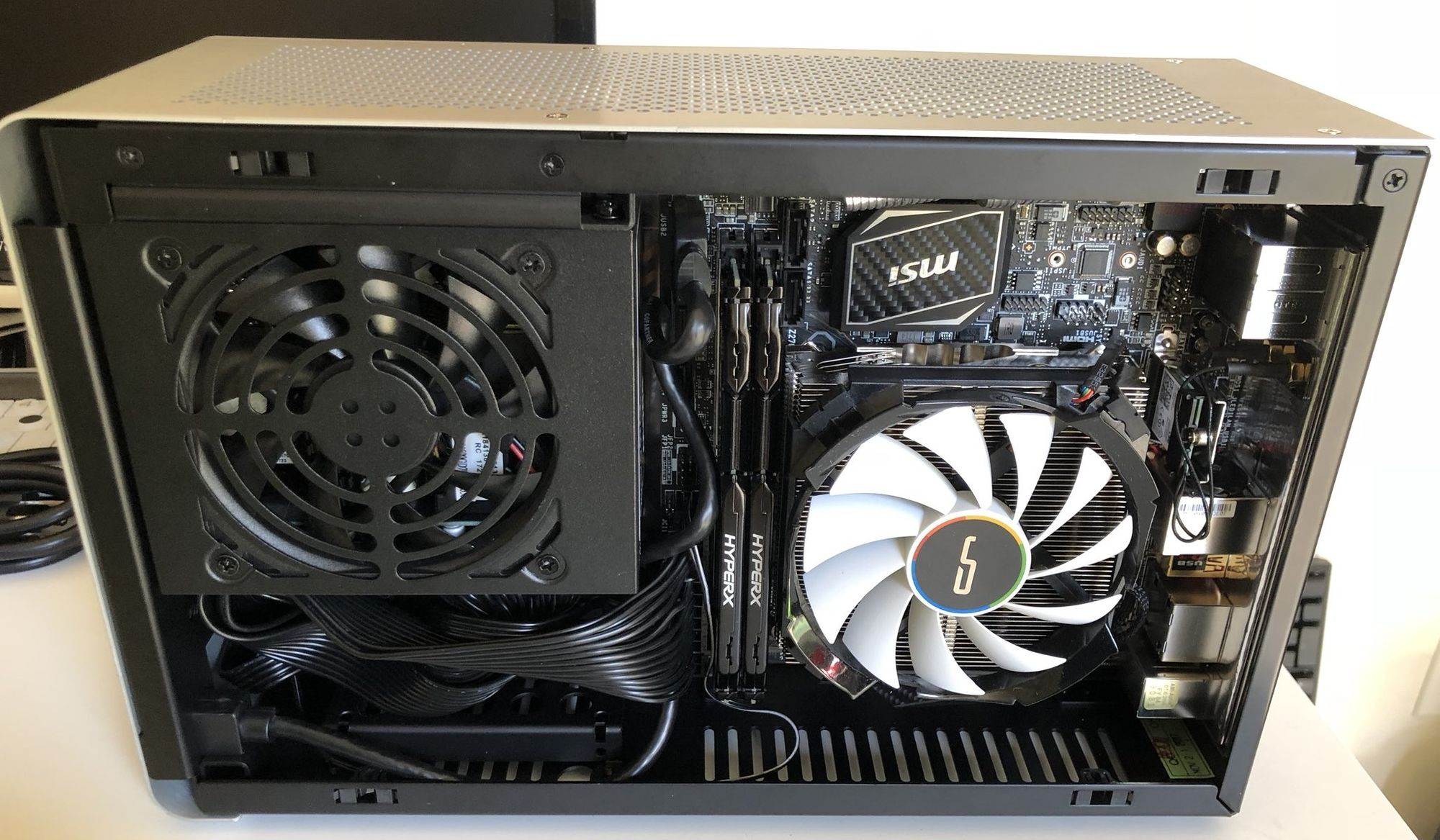
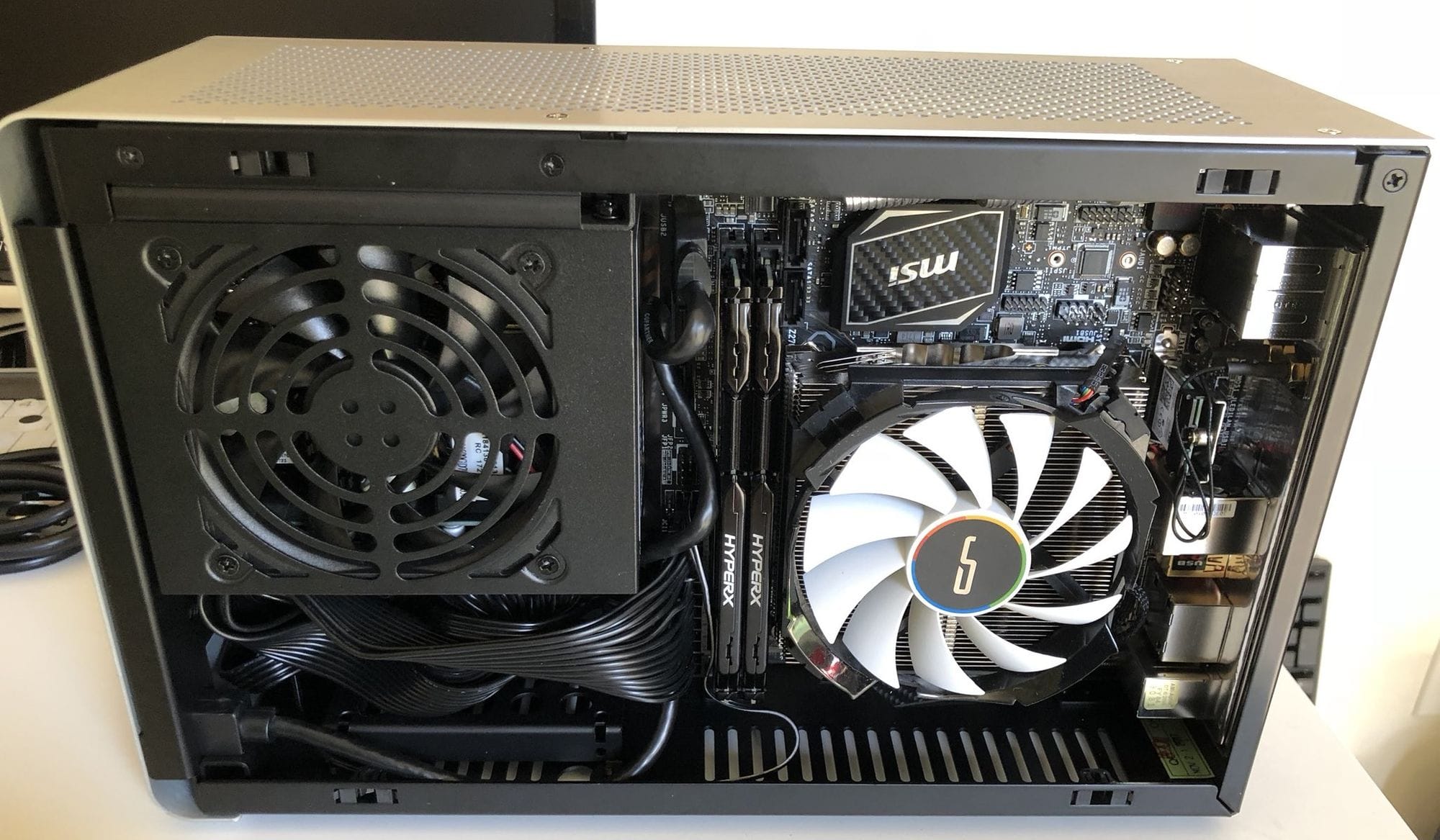
The Dan A4 SFX, for instance, is renowned for its ultra-compact design, often considered the benchmark for minimalist mini-ITX systems without resorting to custom-fabricated parts. Its dimensions of 200mm x 115mm x 317mm result in an astonishingly small volume of just 7.3 liters. To put this into perspective, modern gaming consoles like the PlayStation 4 Pro occupy approximately 5.3 liters, and the Xbox One S about 4.3 liters. An SFF PC like the Dan A4 SFX, offering considerably more than twice the power of these consoles, yet only about 50% more volume, represents an exceptional efficiency in space utilization.
Other notable contenders in the SFF market include the Silverstone RVZ02/ML08 (380mm x 87mm x 370mm, 12.2 liters) and the NCase M1 (240mm x 160mm x 328mm, 12.6 liters). While slightly larger than the Dan A4 SFX, these cases still represent significant departures from conventional mid-towers, offering a balance of compactness and greater flexibility for cooling and component selection.
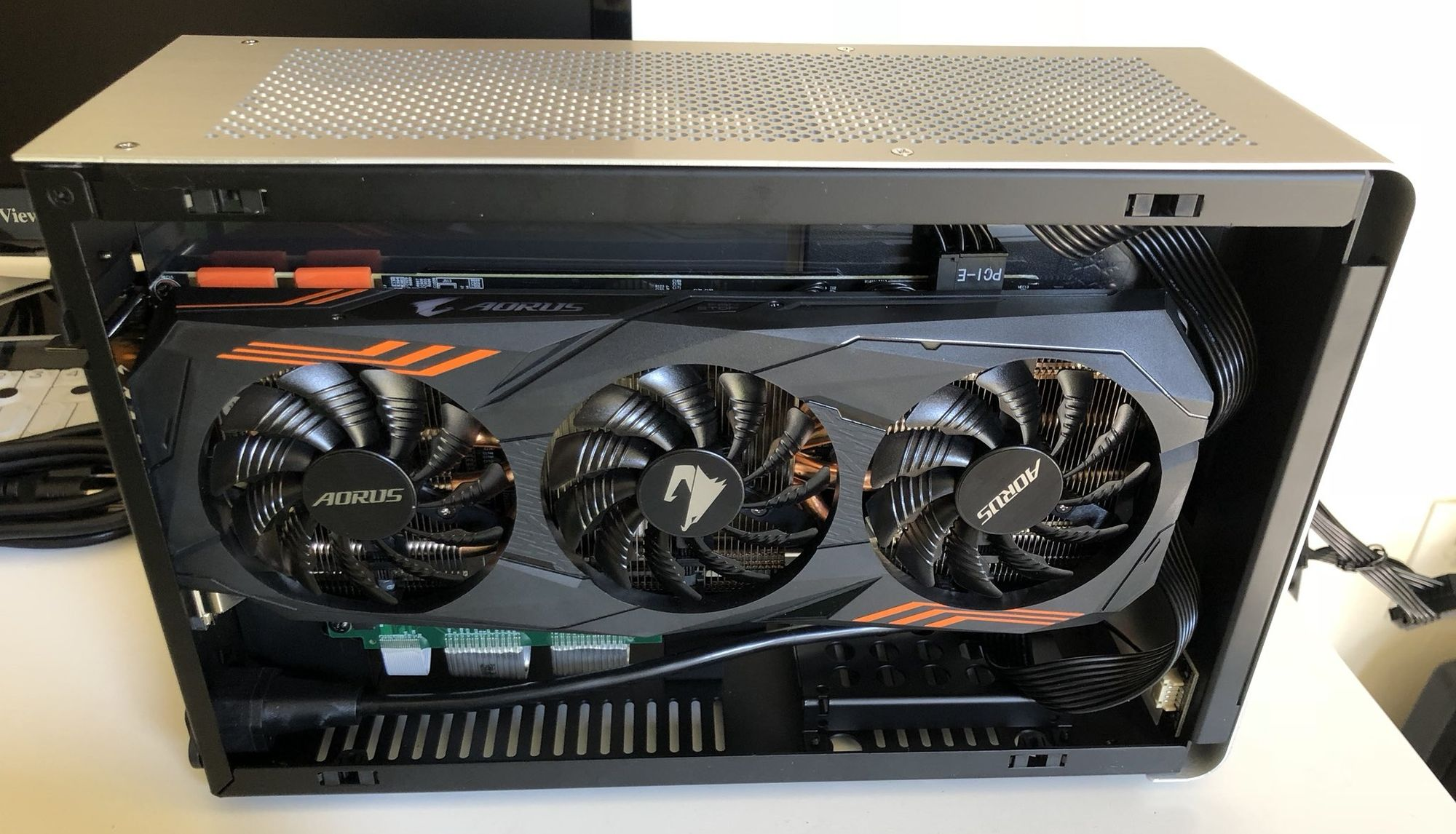
The Streacom DA2, measuring 180mm x 286mm x 340mm, totals 17.5 liters. While larger than the Dan A4 SFX, it offers substantially more internal volume for critical components, particularly for robust cooling solutions for both the CPU and GPU, and additional fan configurations. This increased internal real estate makes the DA2 a preferred choice for users seeking to house the most powerful components without compromising on thermal performance.
Performance vs. Footprint: A Comparative Analysis
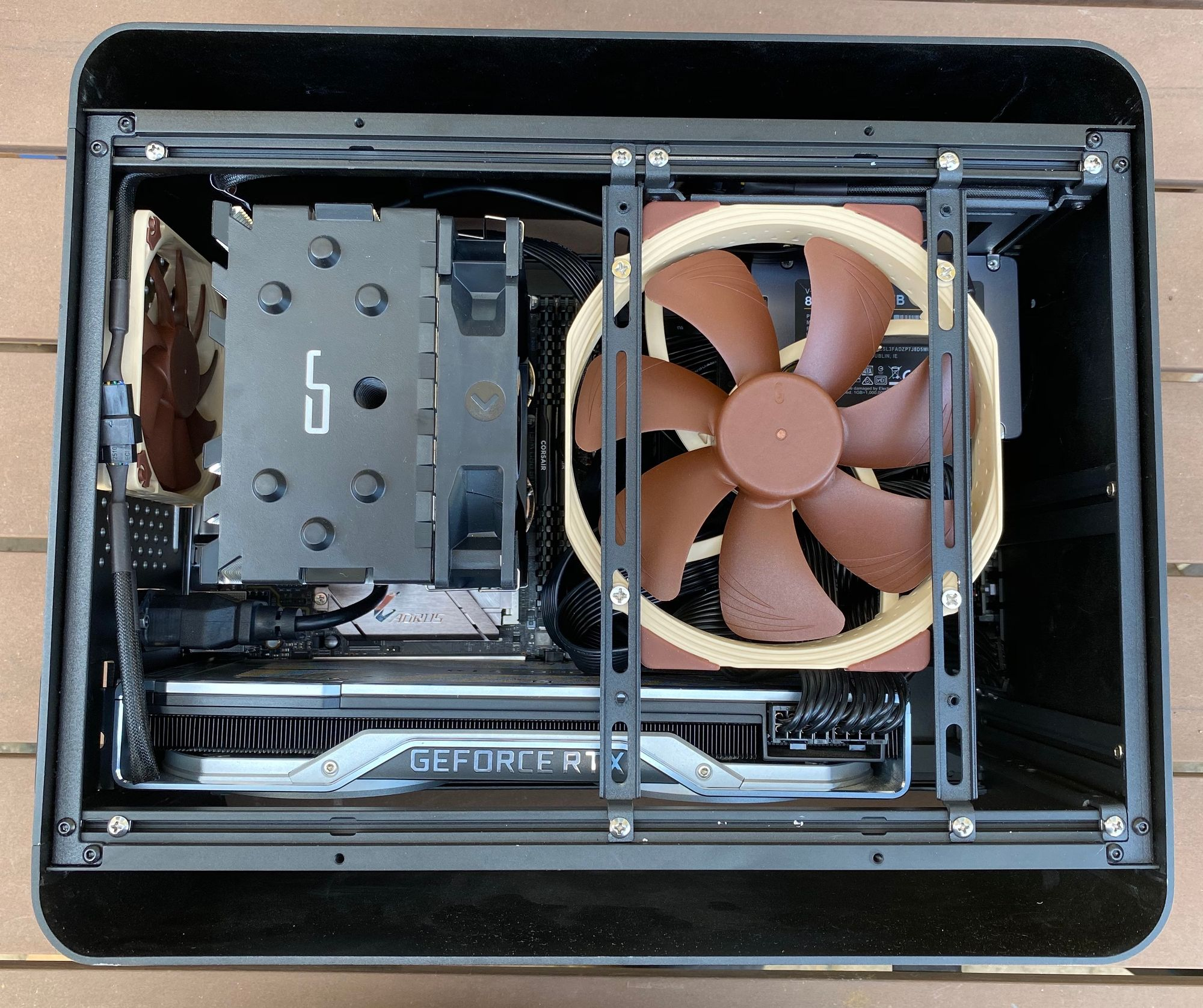
The decision to opt for a Streacom DA2 for a personal build highlights a critical trade-off in SFF: balancing extreme compactness with the thermal demands of high-performance hardware. While the Dan A4 SFX is an engineering marvel in terms of size, the DA2 provides the necessary breathing room for top-tier CPUs and GPUs. The goal is to create a "truly powerful system" that leverages the latest advancements in processing and graphics technology.
A modern high-end SFF build, featuring components such as an Intel Core i7-10700K (or equivalent AMD Ryzen processor), a high-performance NVIDIA GeForce RTX 3070 (or equivalent AMD Radeon card), 32GB of DDR4 RAM, and multiple M.2 NVMe SSDs, delivers a substantial leap in performance over systems from just a few years ago. Compared to a system from 2015-2017, for example, a slightly overclocked Intel i7-7700K, the current generation offers at least double the core count, significantly faster cores (due to increased clock rates and improved Instructions Per Cycle – IPC), twice the memory capacity, and double the M.2 slots for storage expansion. This translates to vastly superior performance in demanding applications, gaming, content creation, and multi-tasking. The computational power, measured in metrics like GFLOPS for GPUs and multi-threaded performance for CPUs, far exceeds what was available in the previous generation, making the performance-per-liter ratio exceptionally compelling.
Thermal Management and Design Ingenuity in SFF
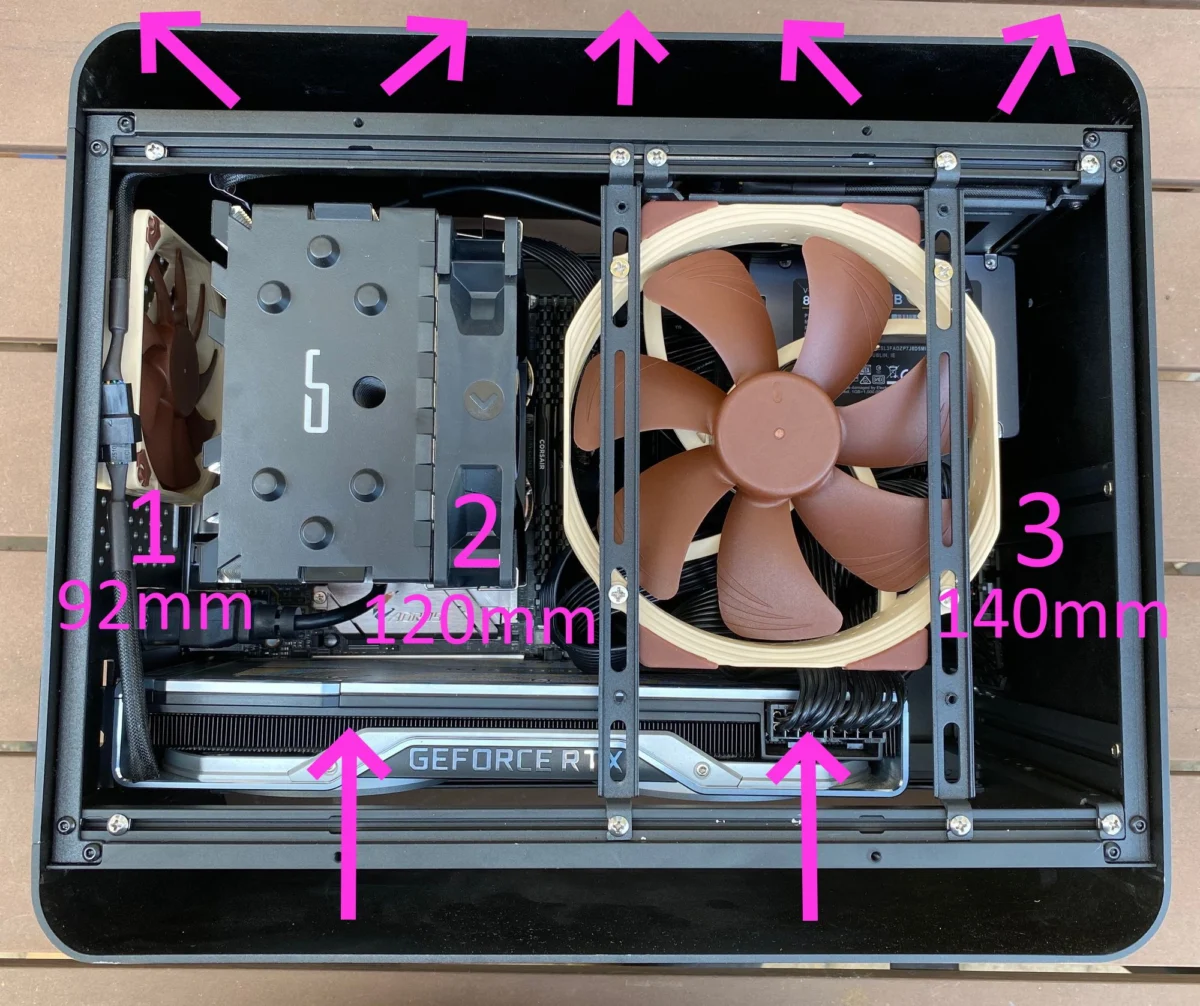
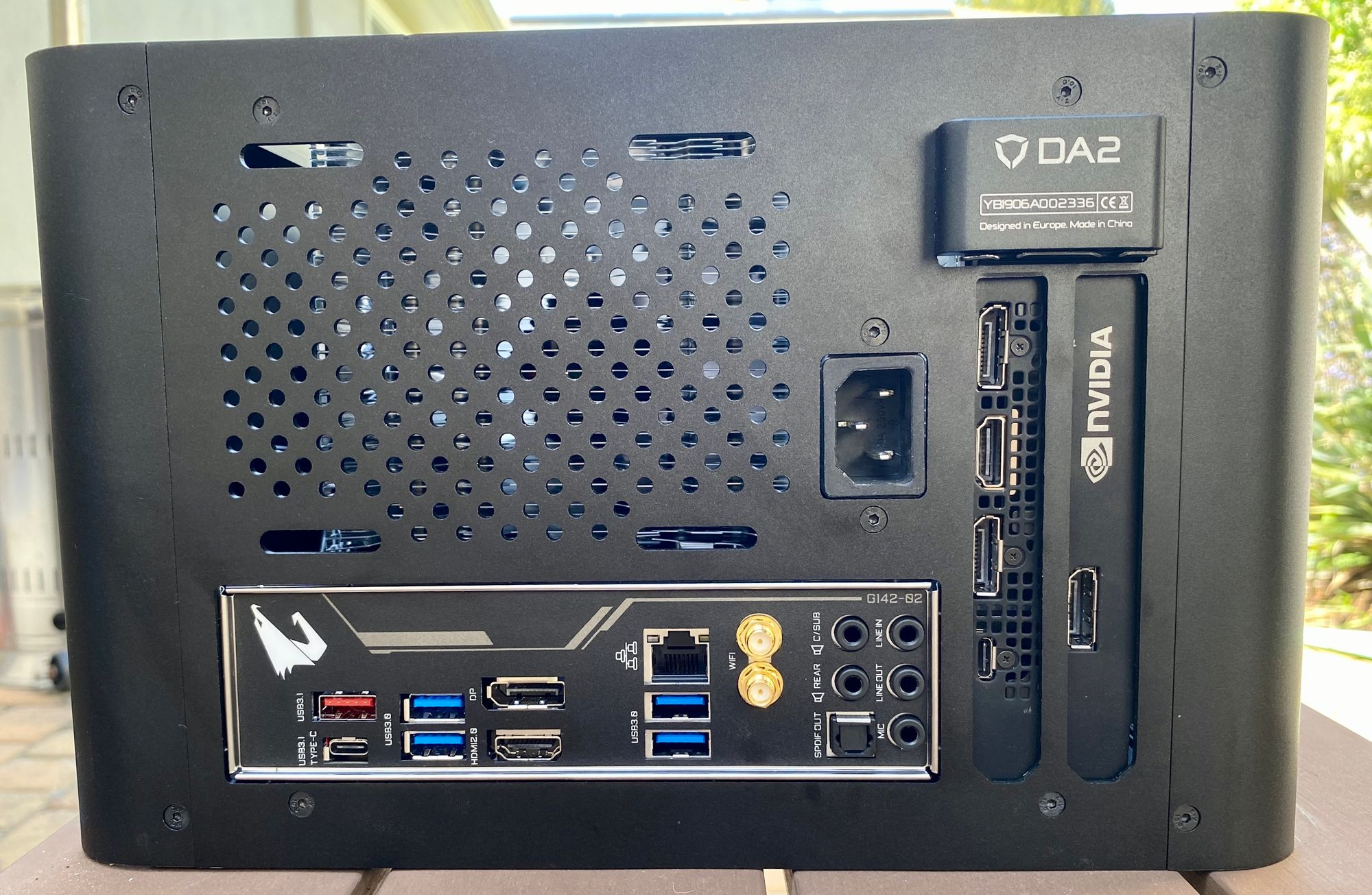
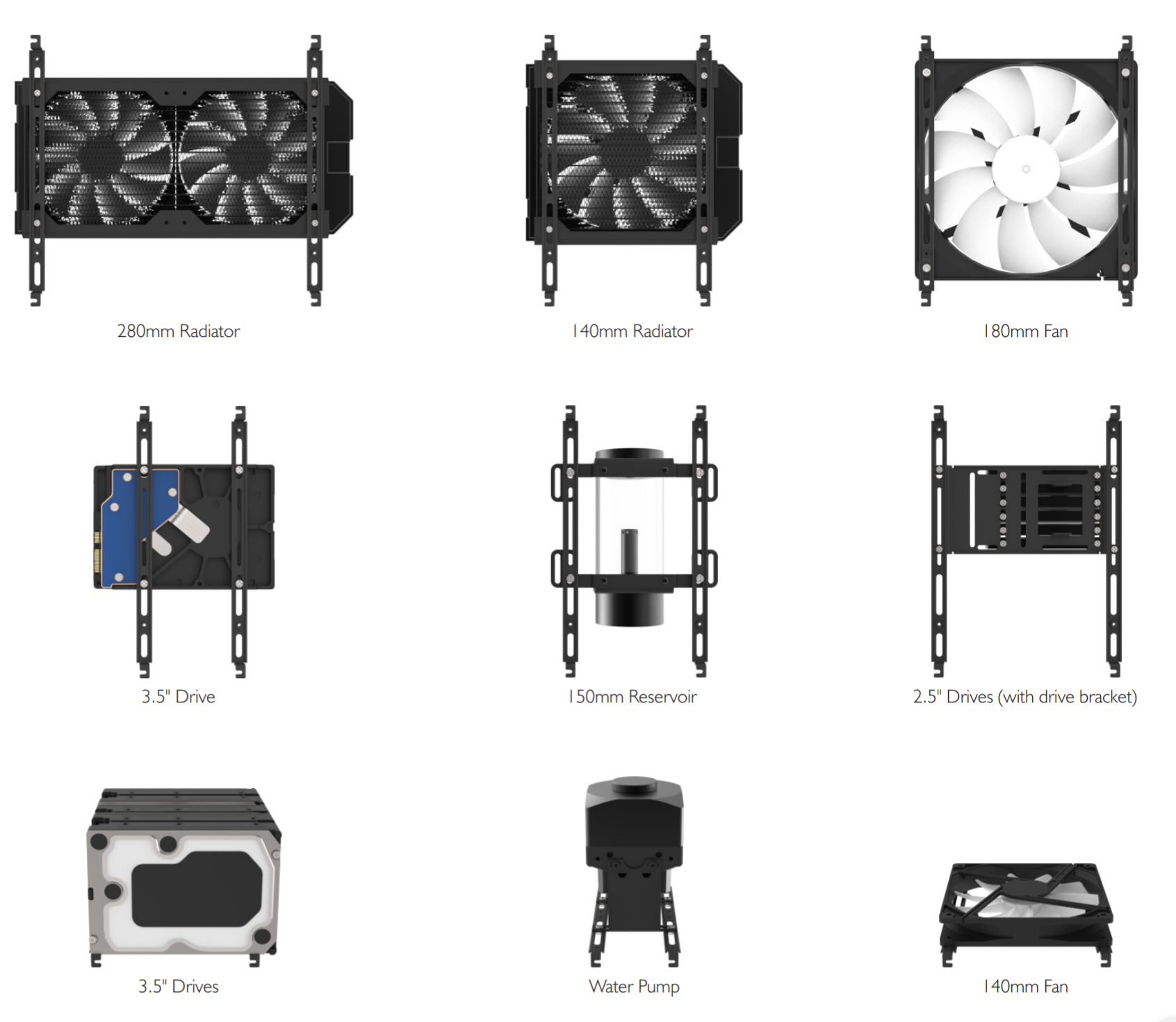
The Streacom DA2 distinguishes itself with a clever hybrid open-air design at the top and bottom, complemented by a versatile internal bracket system. This modular interior, featuring horizontal and vertical mounting options, allows for highly customizable component placement, critical for optimizing airflow and accommodating various cooler sizes. The captured nut and bolt design further simplifies assembly and adjustments, a welcome feature in the often-cramped confines of SFF builds.
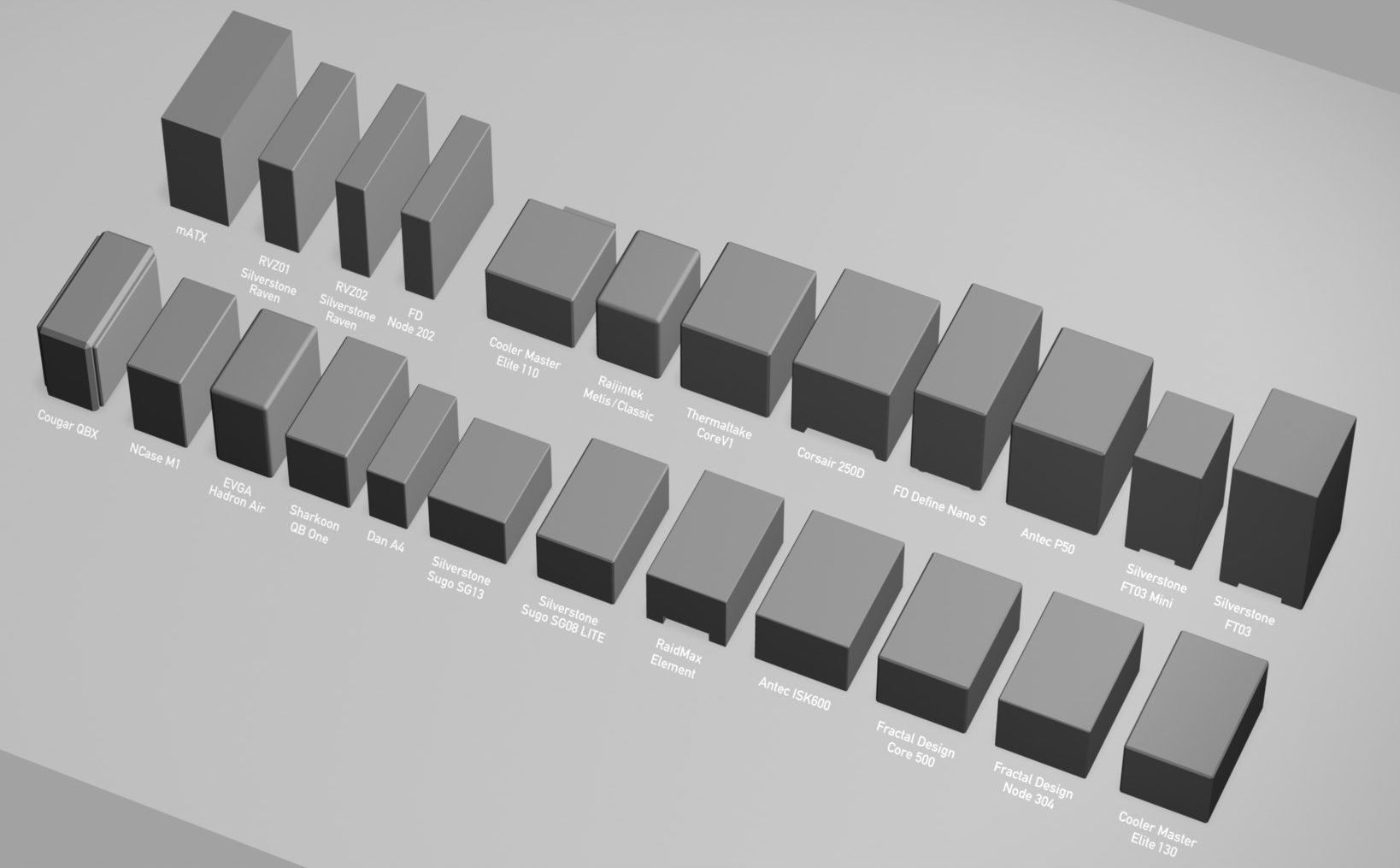
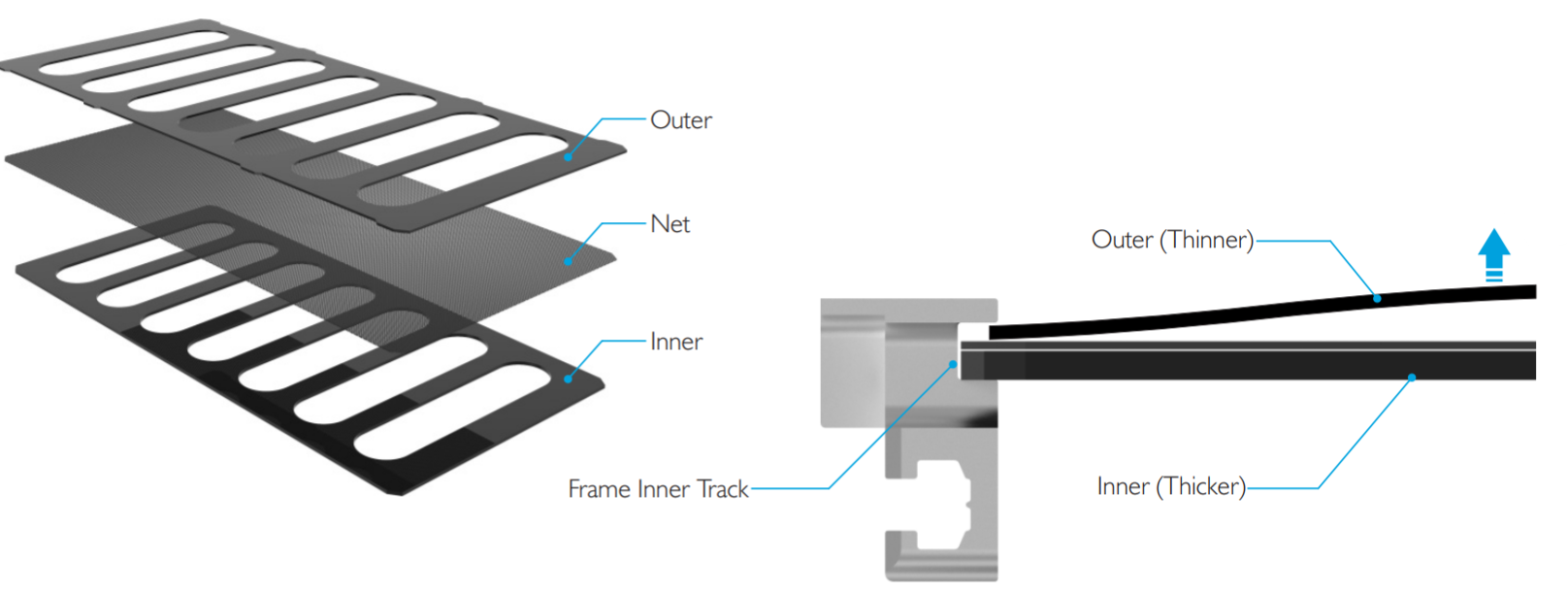
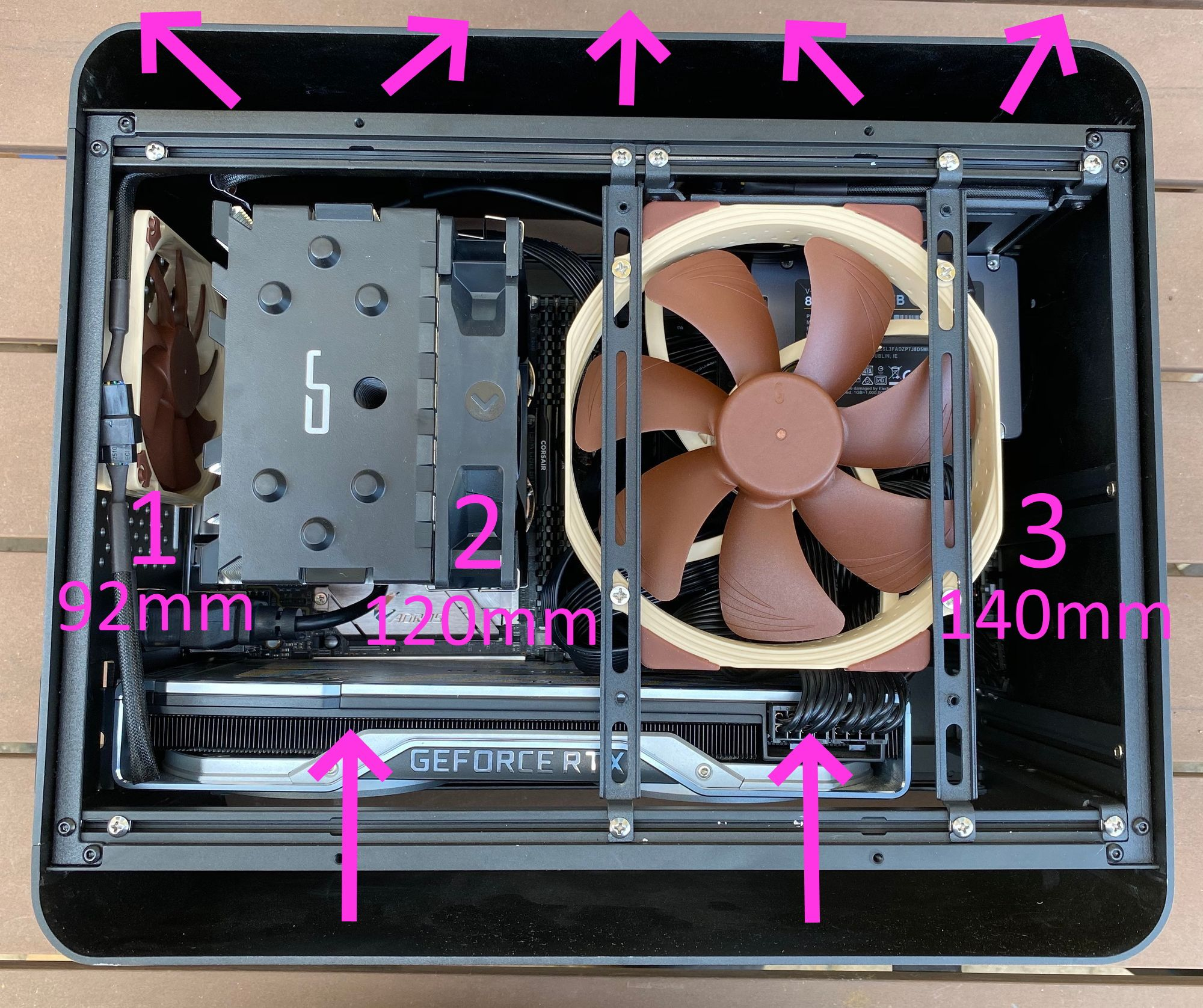
One crucial aspect of optimizing the DA2’s thermal performance involves a specific modification: removing the top and bottom acrylic pieces, which are typically fitted with mesh dust filters. While these filters serve a purpose in preventing dust ingress, their removal has been shown to result in dramatically better temperatures. This is because the DA2’s front panel is solid, lacking ventilation, making the top and bottom openings vital for unrestricted airflow. By allowing the case to "fully breathe," temperatures can be significantly reduced, ensuring stable operation under load.
A recommended cooling configuration for the DA2, prioritizing airflow, involves utilizing the open top and bottom with a total of three fans. This typically includes a large bottom intake fan (e.g., 140mm) and an exhaust fan positioned strategically to aid CPU or GPU cooling, depending on the internal layout. For those inclined towards liquid cooling – a solution often favored for its superior thermal dissipation in confined spaces, despite the perceived risks of leaks that deterred some builders in the early 2000s – the 140mm space can be repurposed for a radiator. However, for air-cooled setups, meticulous fan placement is paramount.
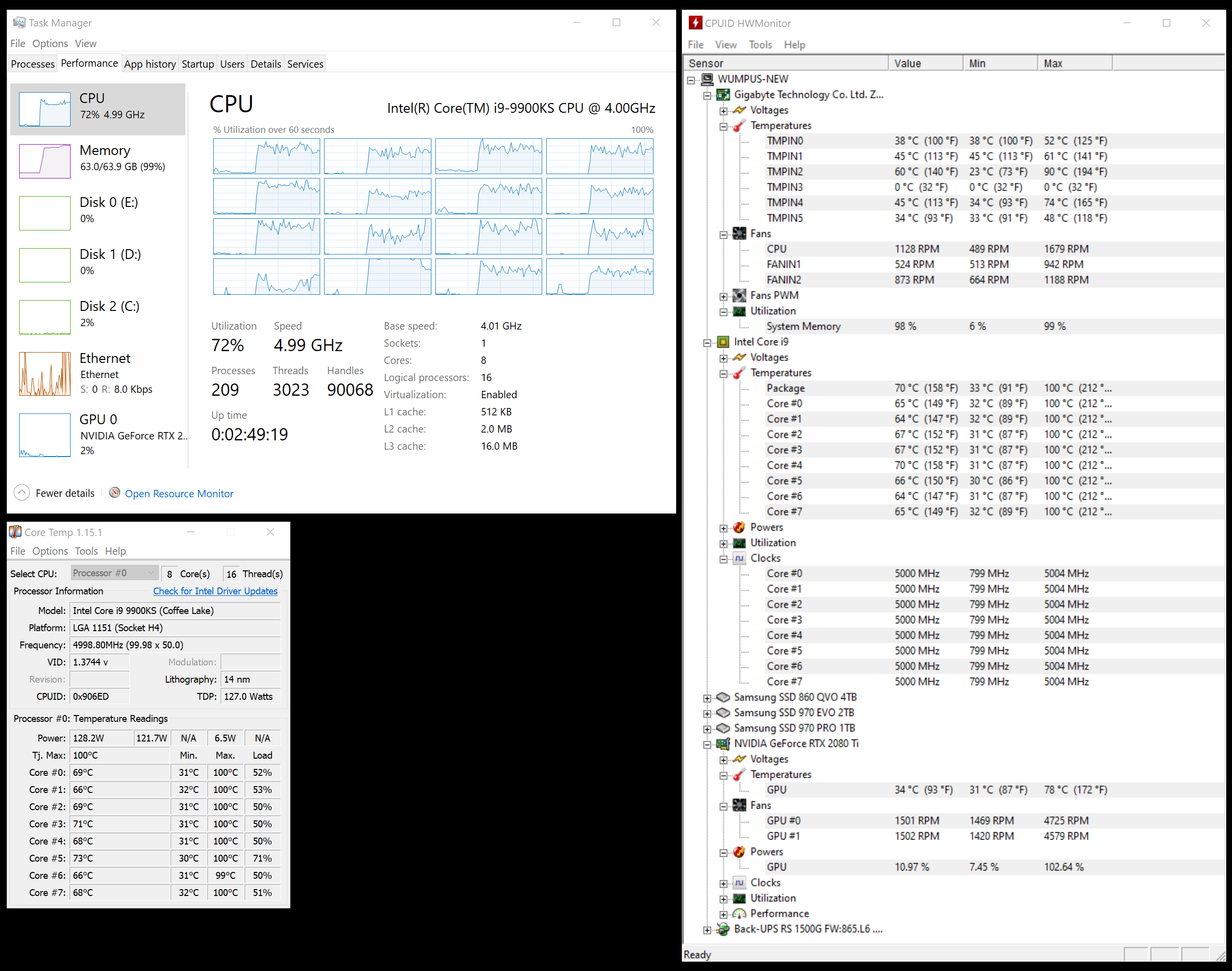
Rigorous burn-in testing is indispensable for any custom-built PC, especially SFF systems where thermal envelopes are tighter. Such tests, involving prolonged periods of full CPU and GPU load, ensure system stability. While air cooling can suffice for most usage scenarios, users who anticipate sustained maximum loads might need to consider water cooling or select slightly less powerful, and thus less heat-generating, components to maintain optimal temperatures. This is a common trade-off in SFF building, where component selection is often dictated by thermal limits as much as by raw performance metrics.
The Modern PC Building Experience: Simplified Assembly
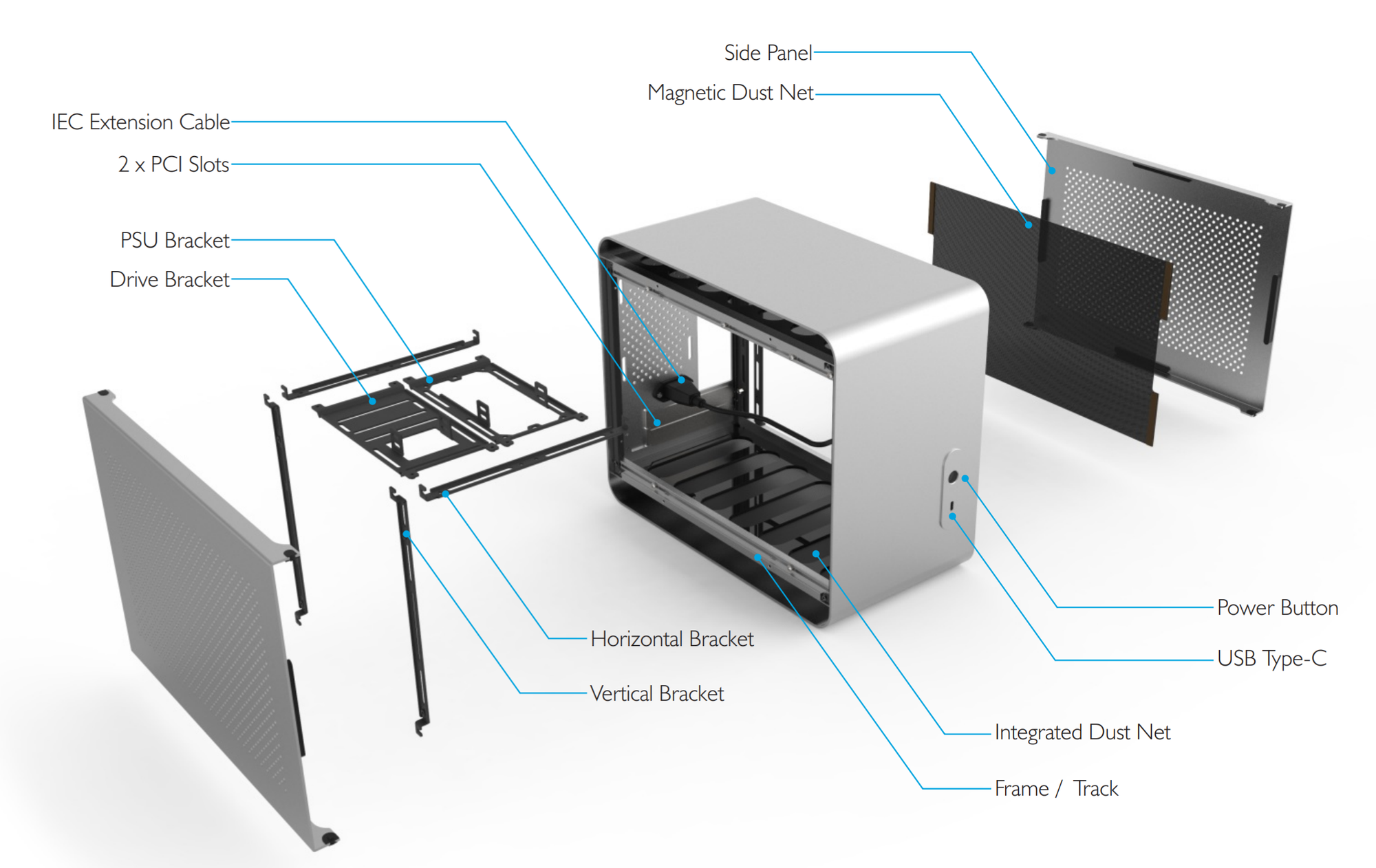
The process of building a modern PC has become remarkably streamlined. The complexity often associated with older builds has largely given way to a more intuitive assembly process. With the advent of M.2 drives, which directly mount onto the motherboard, and increasingly user-friendly CPU and cooler installation mechanisms, a significant portion of the build is completed once the core components are seated on the motherboard. This simplification has made PC building more accessible to a wider audience, reducing the intimidation factor that once deterred many potential DIY enthusiasts. The modularity of components, standardized form factors for motherboards (like mini-ITX), and advancements in power supply units (SFX and SFX-L PSUs) specifically designed for SFF have all contributed to this ease of assembly.
Challenges and Considerations in SFF Builds
Despite the advancements, SFF building presents unique challenges. Cable management, while easier with modular PSUs, still requires careful planning to avoid obstructing airflow. Component compatibility is another critical aspect; builders must meticulously check clearances for CPU coolers, GPU lengths, and power supply dimensions to ensure everything fits. The cost of SFF components, particularly specialized cases and SFX power supplies, can also be higher than their full-sized counterparts, adding to the overall build expense.
The enthusiast community plays a vital role in driving SFF innovation. Forums and online communities dedicated to SFF PCs (e.g., SFF.NET) are hubs for sharing designs, build logs, and solutions to common problems. Designers like DAN Cases and Streacom often engage with these communities, incorporating user feedback into their product development, fostering a collaborative ecosystem that continues to push the boundaries of compact computing.
Industry Outlook and Future Trends
The trend towards compact mini-ITX builds, exemplified by innovative designs like the Yuel Beast Designs Motif Monument, signals a clear direction for the PC industry in the 2020s and beyond. The primary innovation is no longer solely about raw computational power, but about the art and engineering of packing that power into increasingly smaller volumes, often less than 20 liters. This shift is not just a niche for enthusiasts; it reflects a broader market demand for powerful, yet discreet, computing solutions that integrate seamlessly into modern living and working environments.
The implications of this SFF revolution are far-reaching. It encourages manufacturers to develop more efficient components, from low-profile CPU coolers and compact GPUs to highly efficient power supplies. It also influences motherboard design, pushing for more integrated features and optimized layouts for mini-ITX boards. The demand for aesthetically pleasing and high-quality materials in SFF cases also reflects a consumer trend towards premium, design-conscious electronics.
Ultimately, the future of the personal computer is not in its disappearance, but in its evolution into a more refined, space-efficient, and aesthetically integrated device. The "PC is over" narrative gives way to "the PC has evolved," adapting to modern demands for performance without spatial compromise. The ongoing pursuit of maximizing power in minimalist designs ensures the PC remains a vital and dynamic platform, continuously reinventing itself to meet the needs of a new generation of users.
About the Author