The tenth anniversary of LittleBigPlanet 2 offers a compelling opportunity to delve into the intricate world of its licensed soundtrack, a crucial element that shaped the game’s unique atmosphere and player experience. This exploration goes beyond a simple retrospective, examining the strategic decisions, creative challenges, and collaborative efforts that defined the musical landscape of the beloved PlayStation title. The article will present three curated playlists: the familiar licensed tracks, an "Alternate Universe Soundtrack" of considered but unselected music, and a "Brief Says No" collection of tunes that, while appealing, ultimately didn’t align with the game’s evolving vision.
The Genesis of a Sonic Identity: From LBP1 to LBP2
The foundation for LittleBigPlanet 2‘s soundtrack was laid during the development of its predecessor. The initial game’s success, partly attributed to its distinctive audio, created a benchmark and a precedent for the sequel. While LittleBigPlanet 2 inherited the need for backwards compatibility, ensuring all licensed music from the first game was accessible, the development team aimed to forge a new sonic identity that mirrored the sequel’s thematic evolution.
The first LittleBigPlanet‘s overarching theme was "a journey around the world." This provided a broad canvas for musical exploration, allowing for diverse cultural influences. In contrast, LittleBigPlanet 2 adopted a more abstract and challenging conceptual framework: "science through the ages" or "science fiction through the ages." This shift necessitated a more focused approach to music selection, seeking to capture the essence of scientific discovery, technological advancement, and speculative futures.
This conceptual pivot presented a unique challenge for the sound design team. While the art department found rich inspiration in these themes, translating them into tangible musical analogies required a deep understanding of the game’s visual direction and the emotional resonance it aimed to evoke. The original score, focused on characterization, drama, and narrative exposition, operated independently, allowing the licensed soundtrack to explore complementary, rather than duplicative, sonic territories.

Curating the Soundscape: Playlists and Their Significance
The author, involved in the selection and curation of LittleBigPlanet 2‘s licensed music, has organized the sonic landscape into three distinct playlists, offering insight into the decision-making process:
1. The LittleBigPlanet 2 Licensed Soundtrack
This playlist comprises the tracks that ultimately made it into the final game. It’s important to note that while the licensed soundtrack technically includes all music from LittleBigPlanet 1 for compatibility, these playlists focus solely on the music specifically selected for LittleBigPlanet 2. The author highlights that certain versions of licensed tracks, often instrumental edits or remixes found only on unofficial platforms, were deliberately excluded to maintain clarity and focus on the in-game experience. This meticulous approach underscores the team’s commitment to delivering a cohesive and intentional audio experience. The Spotify playlist notably omits eight tracks due to the unavailability of their specific in-game versions on the platform, a testament to the unique licensing arrangements required for game development.
2. The LittleBigPlanet 2 Alternate Universe Soundtrack
This compilation showcases music that was considered for LittleBigPlanet 2 but ultimately did not make the final cut. The vast majority of these tracks were omitted due to creative decisions, with only one instance of a desired track proving unobtainable due to licensing constraints. This playlist serves as a fascinating glimpse into the roads not taken, offering an alternative sonic narrative that might have defined the game. It underscores the iterative nature of game development, where creative choices and practical limitations constantly shape the final product.
3. The LittleBigPlanet 2 ‘Brief Says No’ Soundtrack
This collection features music that, while interesting and potentially fitting in isolation, did not align with the evolving creative brief for LittleBigPlanet 2. Many of these tracks were considered in the early stages of development, proving useful for conceptualizing gameplay through video mock-ups. However, as the game’s direction solidified, these pieces were either set aside or deemed lacking the necessary energy to support interactive gameplay. This playlist is a testament to the refinement process, demonstrating how specific thematic and gameplay requirements can influence musical selection, even for tracks that possess intrinsic merit.
The Development Journey: A Chronology of Sonic Evolution
The process of curating LittleBigPlanet 2‘s soundtrack was a dynamic and evolving one, spanning several years of development.

May 2009: Early Conceptualization
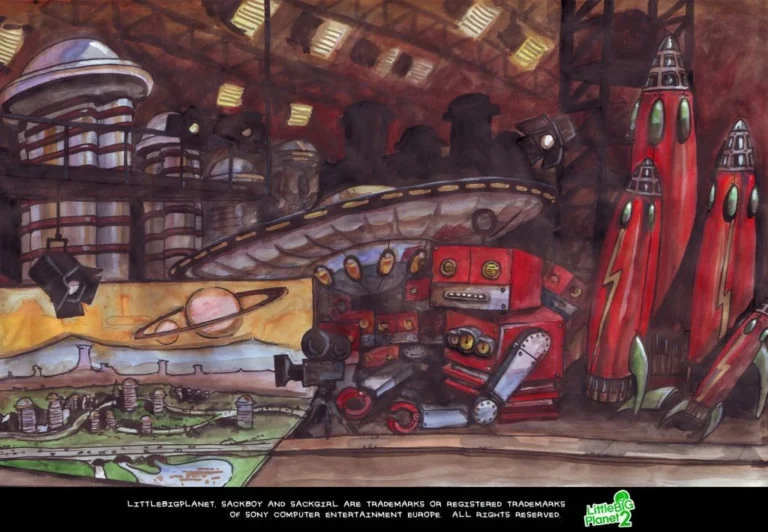
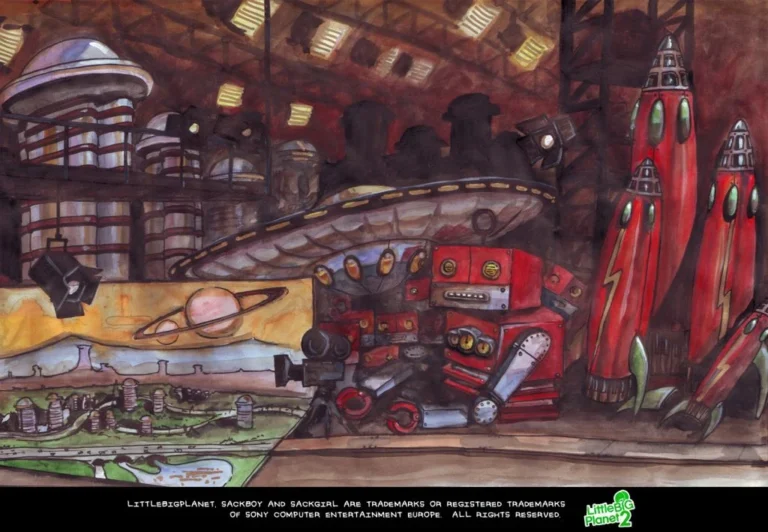
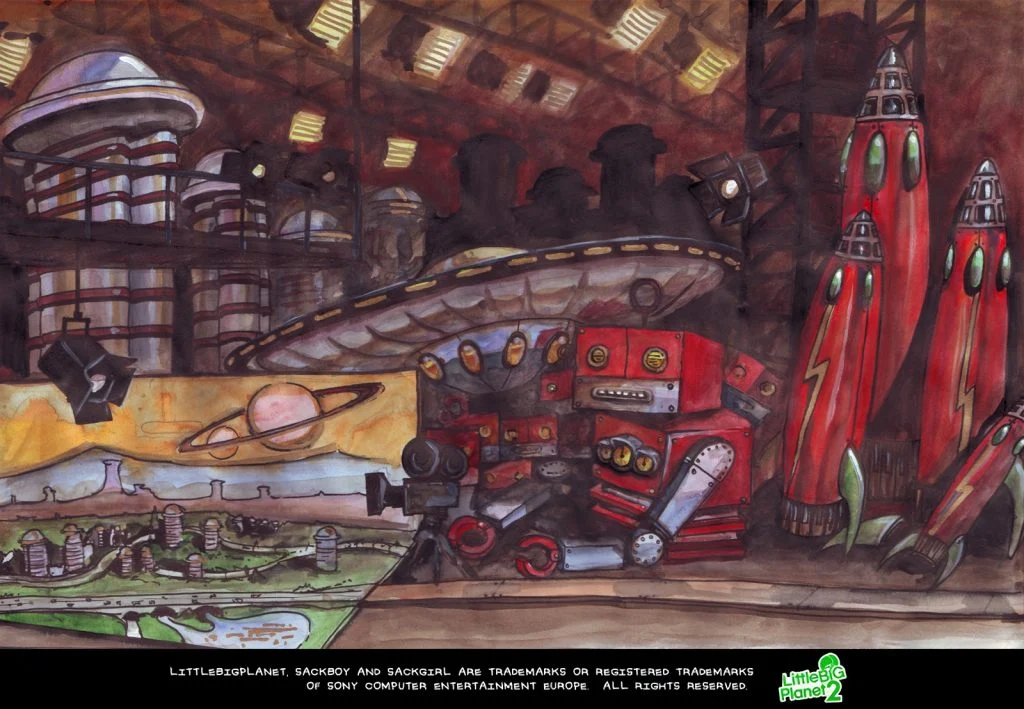
During the pre-production phase, with not all team members yet fully engaged on LittleBigPlanet 2, the author created a music montage video. This early tool paired concept art for various game areas with work-in-progress licensed music ideas. This "quick and dirty" approach proved invaluable for initiating discussions and establishing a shared creative vision. At this stage, the high-level direction for each area was informed by the art direction, with initial music ideas reflecting these concepts. Only Ladytron’s "Ghosts" from this initial selection would ultimately appear in the final game, though artists like Squarepusher and Röyksopp were already in consideration, albeit with different tracks.
This music concept video marked a significant milestone, as it was the first instance where visual and aural ideas coalesced into a cohesive experience, fostering collective understanding and direction for the project. The author emphasizes that at this early stage, the "game" did not yet exist, and these concept videos served as mood boards and inspiration, facilitating communication and testing of initial assumptions.
Late 2009: Refining the Vision
By December 2009, a year before the game’s eventual release, the musical ideas had been further refined, reflecting a more developed vision of the game. The initial eight distinct themes had been consolidated into six, a process driven by the merging of overlapping concepts and a reduction in content requirements as the full production team came onboard. The music direction also underwent refinement, with a greater focus on identifying music that was even more suitable and better supported gameplay as it began to manifest.
During this period, several key areas still required clarification regarding their sonic identity. These included the "Soviet/Hollywood mashup" for Clive’s Factory, the precise meaning of "organic" for Eve’s Asylum in the context of high-intensity gameplay, and the development of the music sequencer gadget for the "8-bit" aesthetic of The Cosmos.
At this juncture, approximately 10 out of the 21 tracks eventually licensed for the game were in consideration. However, they were not yet considered definitive choices, reflecting the ongoing nature of the selection process. This period also saw the identification of a crucial need for an "overprovision" of suitable music. This strategy was essential because the licensing process itself, which involved securing rights and permissions, had not yet begun. Without guaranteed access to any particular track, having a substantial pool of options was vital to ensure a robust "Plan B" for every potential inclusion.

Early 2010: Collaboration and Expansion
As the game neared its announcement, the development team began collaborating more closely with Sony’s music licensing department. This partnership significantly broadened the scope of music being reviewed and considered. By this point, the game’s overall direction was sufficiently honed for Sony’s extensive searches and suggestions to yield focused and productive results.
The author highlights a particularly successful suggestion from Rex: Passion Pit’s "Sleepyhead" for the announcement trailer. The selection process for this track was complex, aiming to capture a specific emotional tone that conveyed community, achievement, and forward momentum, while also acknowledging the sequel’s more digital aesthetic. Although an initial "Plan A" track was attempted, "Sleepyhead" ultimately proved to be the perfect fit for the trailer, its ebb and flow perfectly complementing the narrative and visual progression. The pitched-up vocals, particularly the Irish Gaelic ones, were noted as a charming and fitting element that resonated with the game’s iconic Sackfolk characters.
While "Sleepyhead" was ideal for the trailer, its energy didn’t precisely align with LittleBigPlanet 2‘s gameplay. This led to the initial attempt to license a more gameplay-appropriate track. However, the decision was made to prioritize the impact of the announcement trailer, recognizing the marketing value of associating a memorable song with the project’s unveiling. This track eventually found a meaningful place in the game’s end credits, demonstrating the team’s commitment to integrating key musical moments.
Mid-2010: Licensing Hurdles and Timeline Adjustments
By the summer of 2010, the team was working closely with Sony’s music licensing department, which expanded the pool of reviewed material. The author notes that Rex once again made a significant contribution by suggesting Passion Pit’s "Sleepyhead" for the announcement trailer. This track was chosen for its emotional resonance and its ability to complement the game’s themes of community and progress.
The final stages of development were marked by a difficult decision to delay the game’s release from the crucial Christmas market to January 2011. This postponement was made to ensure the game was "baked" and ready for players. This schedule adjustment proved beneficial for the soundtrack, as a couple of tracks were not cleared until as late as October 2010, just a few months before the revised launch. One particular track had an unusually long clearance period of six months, illustrating the often unpredictable nature of music licensing negotiations.

The Collaborative Spirit: A Collective Endeavor
The selection of LittleBigPlanet 2‘s licensed soundtrack was a testament to the collaborative spirit within the development team. Initially, music suggestions came primarily from within the team. However, for LittleBigPlanet 2, a greater number of individuals contributed, a sign of the project’s growing momentum and the recognition of music’s integral role in the game’s identity.
The author explicitly acknowledges the significant contributions of various team members and external collaborators:
- Internal Team Contributions: Dan, John, and Rex from Media Molecule (Mm) were instrumental in suggesting and sourcing tracks. Alex, Costa, Jim, Jonatan, Mark, Martin, and Tom also provided valuable input.
- Sony Collaboration: Martin Hewett from Sony’s side played a key role in the licensing process.
- External Input: Jo, a friend at Sony, also offered suggestions.
This widespread involvement underscores that the soundtrack was not the product of a single vision but a collective effort, a "real team effort" as the author describes it. Each evaluated track, regardless of its final inclusion, contributed to refining the creative brief, either by affirming existing ideas or by highlighting areas for improvement. This inclusive approach ensured a diverse range of musical perspectives informed the final selection.
Broader Impact and Lasting Legacy
The tenth anniversary of LittleBigPlanet 2 serves as a reminder of the game’s enduring impact on its player base. Comments from players reveal how the soundtrack has become a cherished part of their childhoods, with some continuing to listen to it regularly. This enduring appeal highlights music’s powerful ability to transcend its original context, offering a gateway to cherished memories and experiences.
As gaming platforms age and become less accessible, the ability of music to evoke the spirit of a game and its community grows in importance. The licensed soundtrack of LittleBigPlanet 2, through the contributions of numerous artists, has become an integral part of the game’s identity, contributing significantly to what made the title uniquely "itself." The celebration of this anniversary is not just a look back at a decade-old game, but a recognition of the lasting power of music to connect players to the worlds and communities they cherish.
About the Author