The extended reality (XR) industry, encompassing virtual, augmented, and mixed reality, has undergone a significant linguistic and strategic shift over the last decade. Initially dominated by the hype surrounding the "metaverse"—a term that has since faced significant public and professional fatigue—the sector is now grappling with a second contentious concept: "mainstream" adoption. While the metaverse provided a visionary, albeit confusing, framework for the future of the internet, the pursuit of mainstream status has become the primary metric by which XR success is measured. However, defining what constitutes a mainstream technology remains a point of intense debate among developers, investors, and market analysts.
Defining the Metrics of Mainstream Success
The term "mainstream" lacks a singular, universally accepted definition in the technology sector. It is frequently used to describe a combination of public awareness, market penetration, and frequency of use. In terms of awareness, virtual reality (VR) has arguably already achieved a level of mainstream recognition. High-profile advertising campaigns, appearances in popular media, and the presence of headsets in retail environments have ensured that a majority of the population in developed economies is familiar with the technology.

However, when measured by unit sales and active daily use, the narrative becomes more complex. Industry data reveals a significant disparity between XR and established consumer electronics. For instance, the Meta Quest 2 has sold approximately 20 million units since its launch, significantly outpacing niche gaming hardware like the Valve Steam Deck, which has recorded roughly 6 million units in sales. Despite this, the Quest series is often categorized as a "niche" gaming product, while consoles like the PlayStation 5 or Nintendo Switch, which boast sales figures in the tens or hundreds of millions, are viewed as the baseline for mainstream hardware.
The frequency of use—or retention—presents another hurdle. For a technology to be considered mainstream in the vein of the smartphone, it typically requires daily engagement. While VR excels in providing high-intensity "presence" for gaming or specialized training, it has yet to become a persistent tool for the average consumer. Analysts suggest that the "mainstream" label is often a subjective sensation rather than a specific statistical threshold, leading to inconsistent expectations for the industry’s growth.
The Shadow of the Smartphone Benchmark
A significant factor contributing to the "mainstream" obsession is the historical precedent set by the mobile phone. The smartphone represents a once-in-a-generation technological disruption that reached billions of users in less than two decades. This rapid, global saturation has created a skewed benchmark for all subsequent innovations.

For trillion-dollar "Big Tech" entities such as Meta, Alphabet, and Apple, a product that generates hundreds of millions of dollars in revenue can be perceived as a fiscal disappointment. Meta, which reported nearly $135 billion in total revenue for 2023 and is projected to see continued growth into 2025, operates at a scale where only massive, billion-user platforms significantly impact the bottom line. This corporate environment necessitates a "go big or go home" strategy. Mark Zuckerberg’s 2017 goal of bringing one billion people into VR reflected this institutional need for scale, even if the infrastructure and use cases to support such a population were not yet mature.
Chronology of the XR Market Evolution
The path toward mainstream adoption can be traced through several pivotal industry milestones:
- 2014: Facebook (now Meta) acquires Oculus for $2 billion, signaling the start of major corporate interest in consumer VR.
- 2016: The "Year of VR" sees the launch of the Oculus Rift, HTC Vive, and PlayStation VR, establishing the first generation of high-end consumer hardware.
- 2019: The launch of the original Oculus Quest introduces the standalone (all-in-one) form factor, removing the need for external PCs or sensors.
- 2021: Facebook rebrands to Meta, pivoting the entire company toward the "metaverse." This period marks the peak of the first "M-word" hype cycle.
- 2023: Apple announces the Vision Pro, framing it as a "spatial computer" rather than a VR headset, attempting to pivot the narrative toward mixed reality (MR) and productivity.
- 2024: The Ray-Ban Meta smartglasses gain significant market traction, highlighting a shift toward wearable AI and familiar form factors.
The Bridging Strategy: From Raw Fish to California Rolls
To overcome the friction of adopting new technology, industry leaders are increasingly employing "bridging" strategies. This approach is often compared to the "California Roll" in the culinary world—a fusion dish created in the 1970s to introduce Western diners to sushi by using familiar ingredients like avocado and cucumber instead of raw fish.

In the XR space, the Ray-Ban Meta smartglasses serve as a contemporary "California Roll." By utilizing a globally recognized and fashionable frame design, Meta and Luxottica have created a product that consumers buy primarily as eyewear. The "smart" features—such as AI assistance, photography, and audio—are integrated as secondary benefits. This contrasts with traditional VR headsets, which require users to adopt an entirely foreign and often cumbersome form factor.
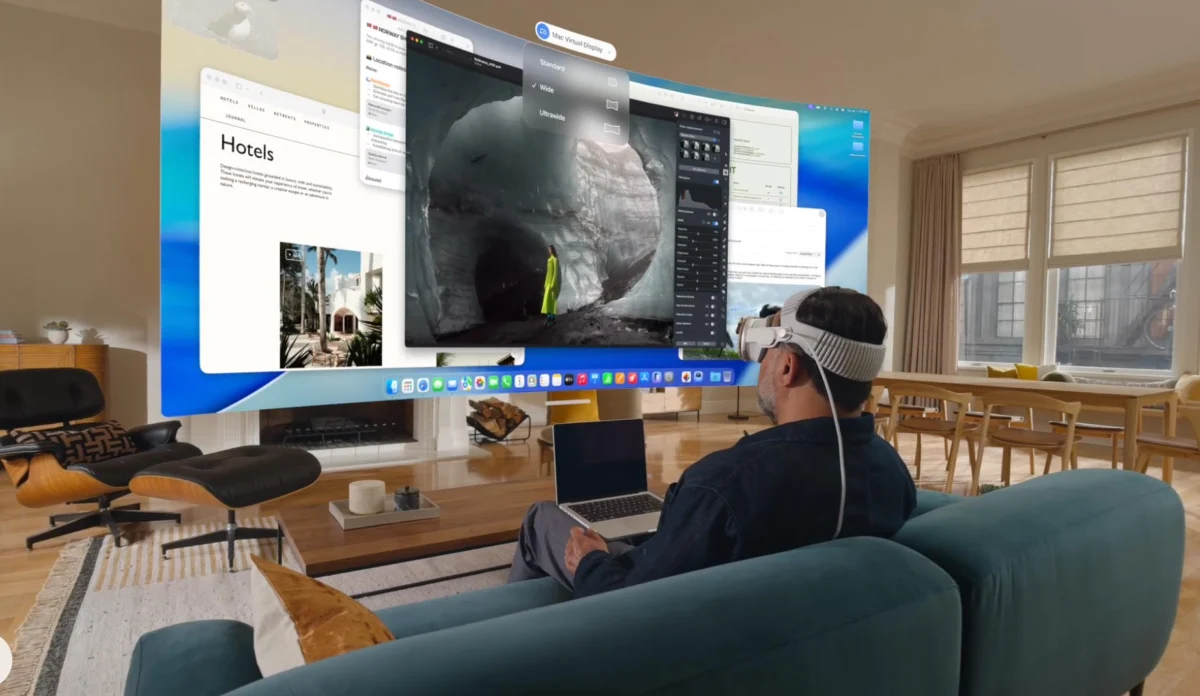
Apple’s Vision Pro launch attempted a similar bridge by focusing on "Big Virtual Screens." Rather than emphasizing abstract metaverse concepts, Apple marketed the device as a replacement for high-end televisions and monitors—a use case that consumers already understand and value. While the high price point of $3,499 has limited its mainstream reach, the strategy focused on translating existing digital habits into a 3D environment.
Barriers to Mass Adoption: The Chasm and Privacy
According to the "Crossing the Chasm" framework developed by Geoffrey Moore, many innovative products fail during the transition from "Early Adopters" (tech enthusiasts) to the "Early Majority" (average consumers). VR currently resides within this chasm. While enthusiasts are willing to tolerate heavy headsets, limited battery life, and isolated social experiences for the sake of "presence," the mainstream market demands high comfort, low friction, and clear utility.

Furthermore, emerging social and ethical concerns present new obstacles. As smartglasses equipped with cameras and AI become more prevalent, public discomfort regarding privacy and surveillance is rising. Recent reports indicating that some companies have utilized third-party contractors in regions like Nigeria to review user-captured images for AI training have sparked concerns about data security and informed consent. For XR to achieve mainstream status, manufacturers must navigate these social "immune responses" to pervasive cameras and data harvesting.
Broader Impact and Future Outlook
The obsession with immediate mainstream success has occasionally led to "enshittification"—a term used to describe the degradation of user experience in the pursuit of aggressive business goals. For example, Meta’s efforts to force users into its Horizon Worlds platform via the Quest system UI were widely criticized for complicating the user experience in an attempt to hit arbitrary growth targets.
Industry veterans, including Meta’s Chief Scientist Michael Abrash, have long maintained a more conservative timeline, suggesting that truly ubiquitous AR glasses might not become mainstream until the 2035–2040 window. Analysts argue that a shift from "hype-driven" cycles to "organic growth" would benefit the ecosystem. This would allow VR to thrive in established segments—such as high-end gaming, industrial training, and immersive media—without the constant pressure to replicate the specific trajectory of the smartphone.

Ultimately, the future of XR may not involve a single "mainstream" moment but rather a gradual integration into various facets of life. Whether it becomes as widespread as the mobile phone or as common as the personal computer, the technology’s value lies in its unique ability to provide spatial presence—a capability that, despite the confusion of the "M-words," remains a powerful driver for long-term adoption.
About the Author