The extended reality (XR) industry is currently witnessing a significant shift in consumer hardware adoption, as smart glasses emerge as a high-volume alternative to traditional virtual reality (VR) headsets. While industry leaders such as Meta and Luxottica have reported surging sales figures and ambitious production targets, a critical disconnect remains between hardware success and software profitability. For independent developers and content creators, the "blue ocean" of smart eyewear presents a complex landscape defined by hardware limitations, platform silos, and the dominant presence of first-party applications.
The Resurgence of Smart Eyewear: Market Dynamics and Sales Projections
The smart glasses sector has recently become the primary driver of growth within the XR field. Internal communications from Meta and the eyewear conglomerate Luxottica indicate a strategic shift toward mass-market production, with goals to increase output to 20 to 30 million units annually. To put these figures into perspective, the Meta Quest 2—the most successful VR headset to date—sold approximately 25 million units over its entire multi-year lifecycle. Reaching similar volumes in a single year would signal a transition from a niche enthusiast market to mainstream consumer electronics.

Several factors contribute to this momentum. Unlike VR headsets, which require significant user education and lifestyle adjustments, smart glasses leverage a form factor already utilized by billions of people. The integration of technology into standard frames allows consumers to choose between traditional eyewear and augmented versions for a marginal price increase. Furthermore, the partnership with Luxottica provides a global distribution network, placing smart glasses in traditional retail environments rather than limiting them to specialized technology outlets.
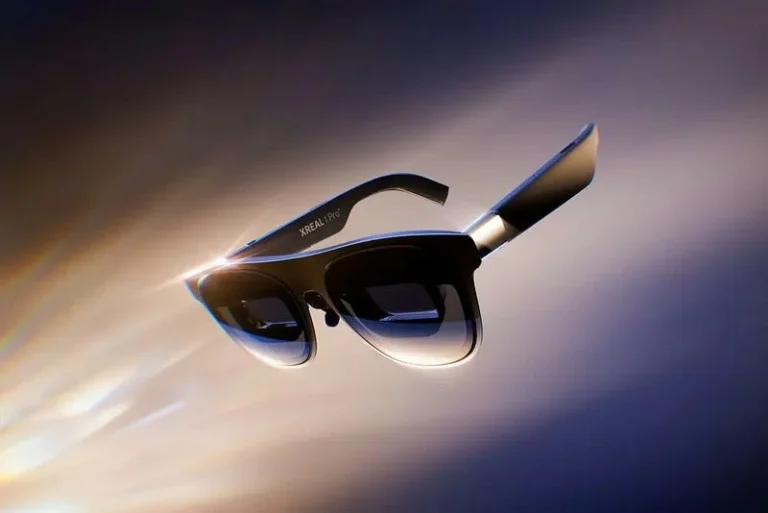
This hardware surge has triggered a competitive "arms race." Samsung is slated to release its own smart eyewear in late 2024, with Apple expected to follow in 2025. Meanwhile, Chinese manufacturers such as Huawei, TCL RayNeo, and Alibaba have already deployed various models, ranging from audio-only frames to monocular heads-up displays (HUDs).
A Chronology of Smart Eyewear Development
The current enthusiasm for smart glasses is the result of a decade of iterative failures and technological breakthroughs. Understanding the present market requires a look at the timeline of the industry’s evolution:

- 2013–2014: Google Glass Explorer Edition launches to significant media hype but fails to gain traction due to high pricing, privacy concerns, and a lack of clear consumer use cases.
- 2016: Snap Inc. releases Spectacles, focusing on social media integration, though sales remain modest.
- 2021: Meta (formerly Facebook) partners with Ray-Ban to launch the first-generation Ray-Ban Stories, focusing on photography and audio.
- 2023: The launch of the Ray-Ban Meta collection introduces significantly improved AI integration and camera quality, leading to a spike in consumer demand.
- 2024: Meta releases early-access Software Development Kits (SDKs) for monocular displays, while competitors like Mentra OS attempt to create open-source alternatives to proprietary systems.
The Developer Dilemma: Barriers to Third-Party Profitability
Despite the millions of units entering the market, third-party developers face a difficult path to monetization. Several structural hurdles prevent the emergence of a healthy "app economy" for smart glasses:
First-Party Dominance and Use Case Pre-emption
The most obvious utilities for smart glasses—photography, real-time translation, note-taking, and turn-by-turn navigation—are already being claimed by platform holders. Meta and Google have integrated these features directly into the operating systems of their devices. When the manufacturer provides the "killer app" for free as a core feature, there is little room for independent developers to offer competing paid solutions. This trend extends to Artificial Intelligence; with Samsung utilizing Google Gemini and Meta deploying its own AI assistants, third-party developers struggle to provide value that exceeds these native, deeply integrated systems.
Hardware and SDK Constraints
Current hardware remains bifurcated between audio-only frames and limited display models. The Ray-Ban Meta glasses, the market leader, primarily offer a camera, microphone, and speakers. Developing complex software for an audio-only interface is notoriously difficult and lacks the visual engagement required for many high-value applications. Even models equipped with displays, such as the monocular HUDs, are designed for "glanceable" information rather than prolonged interaction.

Furthermore, SDKs are in their infancy. Many platforms remain closed "silos," preventing developers from accessing critical hardware components like the camera for third-party processing. This lack of transparency limits the ability to create sophisticated computer vision applications.
The Absence of Standardized Distribution
In the VR world, platforms like the Meta Quest Store or SteamVR provide a centralized marketplace for software. Smart glasses currently lack this infrastructure. Most devices require a "companion app" on a smartphone to function, meaning developers must publish their software on the Apple App Store or Google Play Store. In these massive marketplaces, niche smart glasses applications are easily lost among millions of traditional mobile apps, making user discovery nearly impossible without significant marketing spend.
Enterprise and Specialized B2B Opportunities
While the consumer market presents significant challenges for independent creators, the enterprise sector offers a more immediate path to revenue. Industry analysts suggest that the real value of smart glasses in the current climate lies in specialized business applications:

- Logistics and Warehouse Management: Similar to the eventual pivot of Google Glass, smart glasses are being utilized for barcode scanning and "hands-free" inventory management.
- On-Premises AI Assistants: Large corporations are often hesitant to feed proprietary data into public AI models like Gemini or Meta AI. This creates a market for developers to build secure, localized AI agents that run on-premises to assist factory workers or technicians.
- Training and Research: Devices like Meta’s Project Aria are being used extensively in university research and the training of robotic systems, providing a steady stream of B2B contracts for developers capable of handling complex data collection and processing.
- Accessibility Technology: Smart glasses offer transformative potential for users with visual or auditory impairments. Applications that provide real-time transcriptions for the deaf or object recognition for the visually impaired represent a high-impact niche that large manufacturers may not prioritize.
Social Acceptance and Future Outlook
The long-term viability of the smart glasses market hinges on overcoming the "social friction" that plagued earlier iterations of the technology. Issues regarding privacy—often referred to in the industry as the "pervert glasses" stigma—have led to bans in certain public spaces and social venues. Additionally, the physical weight and battery life of these devices remain inferior to traditional eyewear, limiting daily wearability.
Industry experts believe the "true breakthrough" will occur only when full Augmented Reality (AR) glasses—capable of overlaying complex 3D graphics onto the real world—become commercially viable at a consumer price point. Until then, the market is expected to remain in a transitional phase.
In summary, while the sales of smart glasses represent a significant milestone for the XR industry, the ecosystem for creators is still maturing. The current landscape favors platform holders and enterprise-focused solutions. For consumer-facing developers, the strategy moving forward involves experimentation and the development of "micro-apps" while waiting for the hardware and distribution infrastructure to catch up with the burgeoning consumer demand. The successful "killer app" for smart eyewear likely remains undiscovered, hidden behind the current limitations of hardware and the walled gardens of tech giants.
About the Author