The video game industry is observing a significant re-evaluation of player engagement strategies, with high-profile titles like the recently re-popularized World of Warcraft: Forever (a hypothetical revival experiment discussed in the original article, here treated as a real, recent re-release embodying classic mechanics) and the highly anticipated Grand Theft Auto VI demonstrating a renewed focus on integrating "mundane" activities into their core gameplay loops. This trend suggests a growing player appetite for deliberate, sometimes even slow-paced, experiences that echo everyday life, carefully curated to offer pleasure without real-world frustration, thereby challenging the long-standing dominance of instant gratification in game design.
A Historical Perspective on Player Engagement
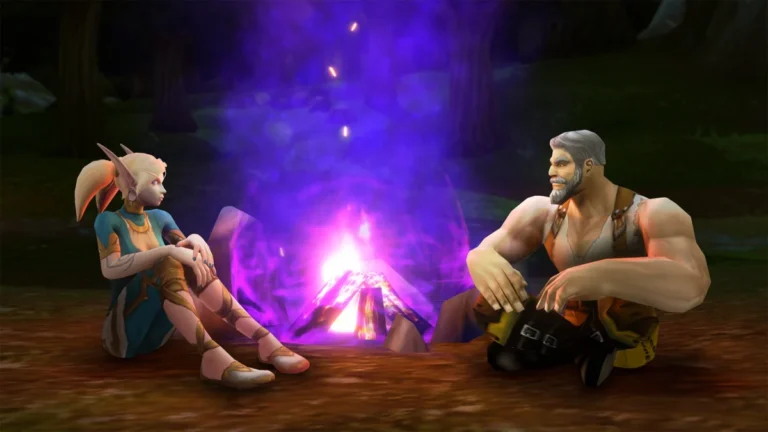
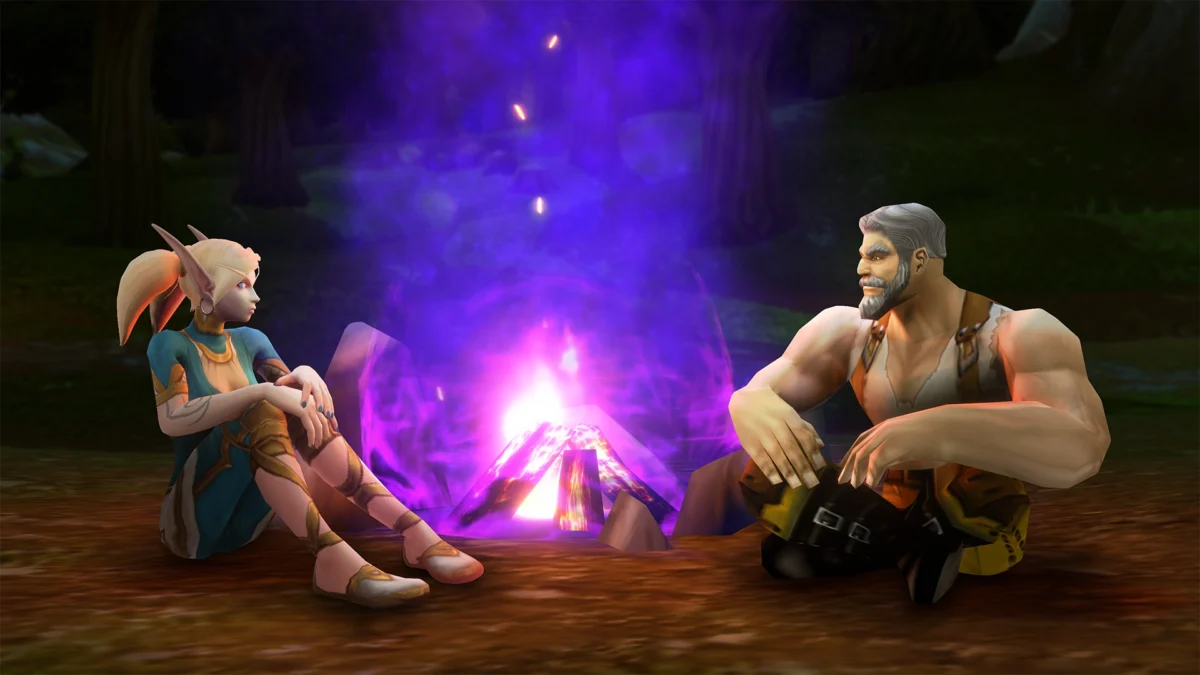
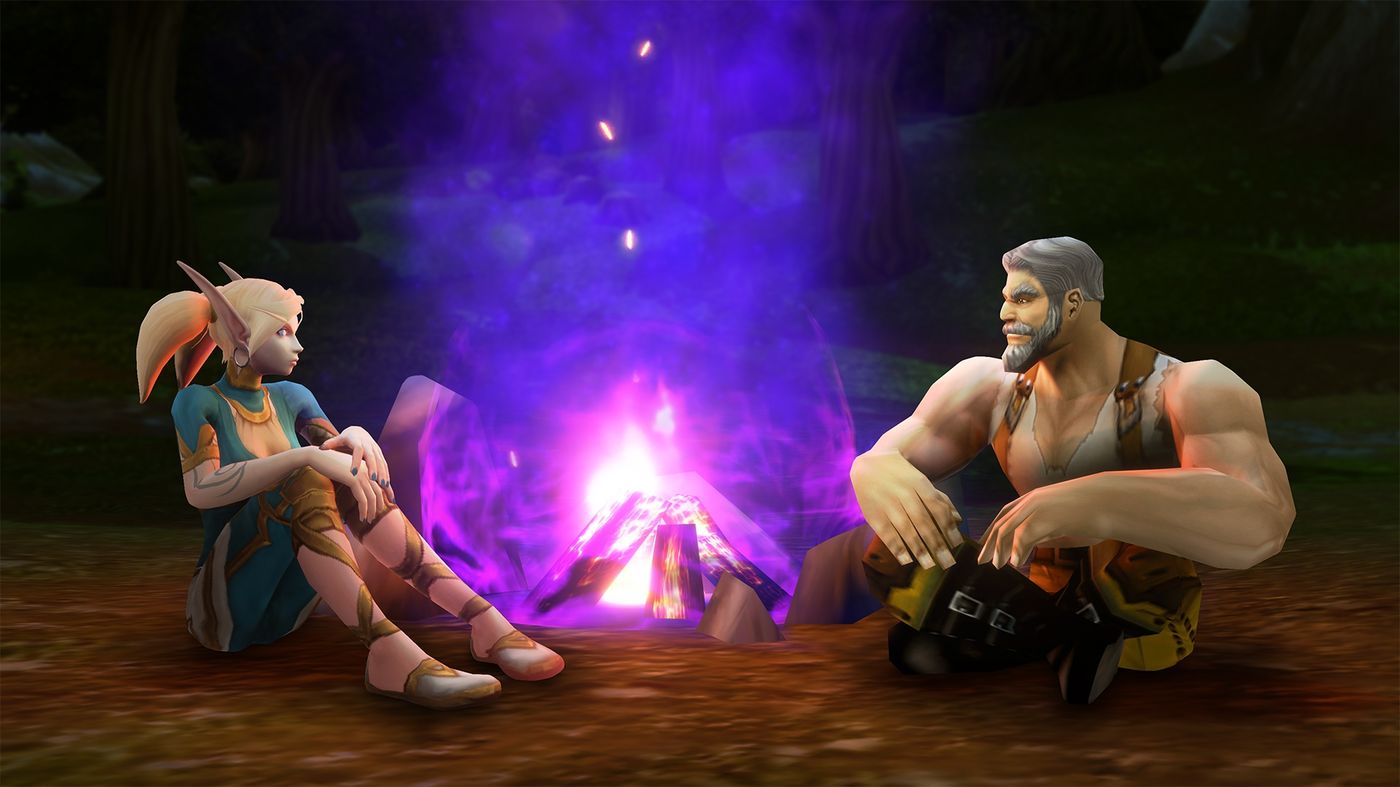
For decades, the trajectory of mainstream game development has largely gravitated towards accelerating player progression and maximizing "dopamine hits." Following the early 2000s, exemplified by the original World of Warcraft‘s release in 2004, where elements like lengthy travel times on the Deeprun Tram (a 72-second journey that felt significantly longer to many players) or sitting by a campfire for skill bonuses were inherent to the experience, the industry gradually shifted. Game design began prioritizing streamlined user experiences (UX) that minimized friction and downtime, aiming to keep players constantly engaged with immediate rewards and fast-paced action. This era saw the rise of mechanics designed to deliver continuous feedback loops—bright lights, juicy animations, and aggressively signposted level design—all crafted to supercharge player gratification as quickly as possible.
However, a segment of the player base has consistently shown an appreciation for more deliberate pacing and detailed world immersion. Early massively multiplayer online (MMO) games, despite their often cumbersome mechanics by modern standards, fostered strong communities and a sense of accomplishment derived from long-term investment. The act of "waiting for friends to arrive at a dungeon" or "running through a city with no speed buffs" wasn’t merely a hurdle; it was part of the shared journey and the scale of the virtual world, a feat of world-building that was awe-inspiring at the time. The perceived "simplicity" of this earlier design philosophy is now being revisited, not as a regression, but as a sophisticated understanding of diverse player desires.
WoW: Forever and GTA VI: Leading the Charge
The recent surge in player numbers for World of Warcraft: Forever, a re-release or revival that emphasizes classic World of Warcraft mechanics, provides compelling evidence of this shift. Players, including those returning after a two-decade hiatus, are rediscovering the appeal of activities like waiting for public transport within the game’s world or spending minutes by a virtual campfire. What might seem like "chores" in other contexts are embraced here, often enhanced by subtle but effective design choices. The "wuh-wuhmp" sound accompanying bandage crafting or the satisfying "sizzle" of smelting minerals transforms these moments into a purer form of engagement, where the passage of time becomes part of the immersive experience rather than an annoyance. This sensory feedback acts as a substitute for real-life friction, turning seemingly mundane acts into pleasant, almost meditative, interludes.

In parallel, details emerging about Rockstar Games’ highly anticipated Grand Theft Auto VI underscore a similar design philosophy. Pre-release information and developer insights suggest an unprecedented level of environmental interaction and life simulation. Players are reportedly able to engage in meticulous tasks such as painting house walls, assembling IKEA-style furniture, and even placing coffee cups in a sink. This deep dive into granular realism builds upon the experimental simulation technology first showcased in Red Dead Redemption 2, where activities like hunting, cooking, and maintaining equipment were integral to the experience. For Grand Theft Auto VI, this commitment to detail extends to the minutiae of modern life, embedding ordinary actions within a sprawling, high-fidelity open world.
Distinguishing "Mundane" from "Friction": Lessons from the Metaverse
The distinction between engaging "mundane" activities and frustrating "real-world friction" is crucial. This understanding is particularly sharpened when contrasted with the ambitious, yet largely unsuccessful, metaverse initiatives of 2021-2022. Many metaverse proponents aimed to replicate the real world digitally, often resulting in player rejection. As YouTube essayist Dan Olson eloquently articulated, much of metaverse design theory inadvertently recreated the undesirable friction of daily life, leading players to question why they would spend their valuable free time performing digital versions of real-life chores they actively avoid.
The success of WoW: Forever and GTA VI in this context lies in their careful curation of "mundane" moments. These games meticulously limit the mandatory aspects of such activities and rigorously test player tolerance for friction. For instance, the wall-painting minigame in GTA VI may offer the satisfaction of a clean finish without burdening the player with the tedious setup of laying paint tarps. Similarly, furniture assembly in the game simplifies the process, eliminating the real-world frustration of complex instructions or the need for precise physical dexterity. The core principle is to isolate the pleasurable aspects of these tasks—the sense of accomplishment, control, or immersion—while stripping away the inconveniences that define their real-world counterparts.
The Enduring Legacy of the Simulation Genre
While World of Warcraft: Forever and Grand Theft Auto VI bring this design philosophy to the forefront of AAA gaming, the underlying principles have long been championed by the simulation genre. Developers in this space have consistently explored the appeal of "games as work," a phenomenon extensively analyzed by critics such as Cameron Kunzleman, Steph Coelho, and Michael Piantini. These analyses often posit that simulation games fulfill needs not met by real-life jobs, offering a sense of control, mastery, and fairness often absent in modern capitalist work environments.
The simulation genre encompasses an incredibly broad spectrum of experiences, from game store simulators that tap into the thrill of opening packs, to fishing games that provide an off-season outlet for real-life anglers, and the remarkably popular European vehicle simulation games, such as bus simulators that task players with driving long, realistic routes. Titles like News Tower, where players manage a newspaper, or Cozy Lives/Free Lives’ Dressmaker, which encourages intricate crafting and community sharing, further exemplify the genre’s depth and diversity. These games demonstrate that real life, when distilled and presented through thoughtful design, is inherently interesting to players. Their developers have mastered the art of identifying what aspects of reality are enjoyable and how to implement them in a digital format to find dedicated audiences.
The Synergistic Role of Content Creation
Beyond intrinsic player appeal, the current media landscape plays a significant role in the popularization of games that feature structured, mundane tasks. These games often serve as excellent "instruments" for content creators—streamers, YouTubers, and TikTokers—who thrive on performing for their audiences. The repeatable, often slightly challenging, nature of these in-game activities creates organic opportunities for creators to struggle, succeed, and entertain viewers through their authentic reactions and improvisations. A meticulously crafted furniture assembly sequence or a surprisingly long tram ride can become viral content, generating buzz and drawing new players to titles that might otherwise be overlooked in a crowded market. This symbiotic relationship between game design and the promotional ecosystem of content creation further solidifies the viability and appeal of these slower, more deliberate gameplay experiences.
Implications and Cautions for Future Game Development
The success observed in WoW: Forever and the anticipated engagement with GTA VI‘s detailed world offers critical insights for the broader game development community. However, it also carries a significant caveat: the danger of superficial imitation. History is replete with examples of studios attempting to replicate the success of industry giants without a fundamental understanding of their underlying design philosophies or the immense resources required. The MMO boom and bust of the 2000s saw numerous "WoW killers" fail, just as recent reports detail studios struggling to build "GTA-sized games" without adequate knowledge, best practices, or proper staffing.
Merely copying mechanics without grasping the intricate balance of friction, reward, and player psychology that makes these moments enjoyable is a recipe for disaster. The true lesson is not to indiscriminately add "mundane tasks" to every game, but to deeply understand why players engage with them in specific contexts. This requires extensive testing, iteration, and a willingness to diverge from the "dopamine hit" model when appropriate. As one veteran developer aptly summarized, the inherent interest in life itself provides a rich wellspring for game design, offering experiences where players don’t always need to be the "big hero saving the world." The ability to simply exist, explore, and engage with the everyday in a thoughtfully crafted virtual space is emerging as a powerful, and increasingly valued, form of entertainment.
About the Author