Jeff Atwood, the renowned co-founder of Stack Overflow, has announced a significant expansion of his philanthropic efforts, pledging $50 million towards the establishment of the Rural Guaranteed Minimum Income Initiative (RGMII). This substantial commitment aims to address systemic poverty by implementing targeted direct cash transfer programs in underserved rural counties across the United States. The initiative builds upon an earlier pledge to "Share the American Dream," which saw Atwood and his family disburse $21 million in immediate aid to various non-profit organizations earlier in 2025.
The Genesis of a Philanthropic Vision: Sharing the American Dream
The roots of this expansive philanthropic endeavor trace back to a pledge initiated by Atwood a year prior, inviting Americans to "Share the American Dream." This two-pronged commitment encouraged individuals to, first, support organizations effectively aiding those most in need across America immediately, and second, to contribute time or funds within five years towards longer-term efforts to ensure the American Dream remains fair and attainable for future generations.
Atwood’s personal journey into large-scale philanthropy gained significant momentum following the 2021 acquisition of Stack Overflow by Prosus for a reported $1.8 billion. This financial milestone prompted a profound introspection for Atwood and his partner, Betsy, on the concept of "enough" and their responsibility to society. The couple frequently referenced a quote attributed to Mary Gates, mother of Microsoft co-founder Bill Gates: "From those to whom much is given, much is expected." This principle, deeply embedded in the ethos of modern philanthropy, particularly within the tech sector, became a guiding philosophy for the Atwoods.
Betsy Atwood elaborated on this philosophy during a recent podcast, stating, "We have everything we need. How do we make sure everybody has what they need? Because that’s the basic thing – Do you have a comfortable place to live? Do you have enough to eat? Do you have healthcare? If you have the basics, you’re in a good place in life, and everybody should have that opportunity." This sentiment underscores a core belief that foundational needs must be met for individuals to pursue their aspirations, a principle increasingly recognized in discussions surrounding economic mobility and social equity.

Immediate Action and Long-Term Strategy
The initial phase of the "Share the American Dream" pledge focused on urgent, immediate relief. Starting with a $1 million donation distributed among eight non-profit charities in January 2025, the Atwoods quickly escalated their contributions, adding an additional $13 million within a few months, bringing the total immediate aid to $21 million. These funds were directed towards organizations providing essential services to communities facing acute distress, addressing immediate needs such as food security, shelter, and healthcare access.
However, Atwood recognized that reactive "firefighting" against individual crises, while critical, is not a sustainable solution. The need for systemic change prompted the second, longer-term component of their pledge. "You can’t take a completely short-term view and fight each individual fire reactively, as it comes. You’ll never stop firefighting," Atwood articulated. "We also have to do fire abatement and deal with the root causes, improving conditions in this country such that there aren’t so many fires."

This strategic shift led to the commitment of $50 million—representing half of their remaining wealth—towards addressing these underlying, systemic issues. After exploring various avenues for impactful long-term investment, the Atwoods, by March 2025, arrived at a consensus: focusing on Guaranteed Minimum Income (GMI) programs.
The Choice of Guaranteed Minimum Income (GMI)
The decision to champion GMI stems from a rigorous evaluation of various policy interventions aimed at poverty reduction. GMI, a refined iteration of Universal Basic Income (UBI), distinguishes itself by directing financial assistance specifically to those who most need it. Unlike UBI, which typically provides an unconditional income to all citizens regardless of wealth, GMI targets families and individuals experiencing generational poverty, ensuring resources are allocated where they can have the most profound impact. This targeted approach is designed to maximize the efficacy of funds by focusing on populations demonstrably struggling to meet basic needs.

The rationale for GMI is supported by a growing body of research from pilot programs globally and within the United States. These studies often demonstrate that direct cash transfers can significantly improve recipients’ financial stability, health outcomes, and overall well-being. For example, pilot programs have shown reductions in stress, improved child nutrition, increased educational attainment, and even enhanced local economic activity as recipients spend funds on essential goods and services within their communities. Data suggests that concerns about recipients misusing funds or reducing work effort are largely unfounded, with most funds being spent on necessities like food, housing, transportation, and healthcare.
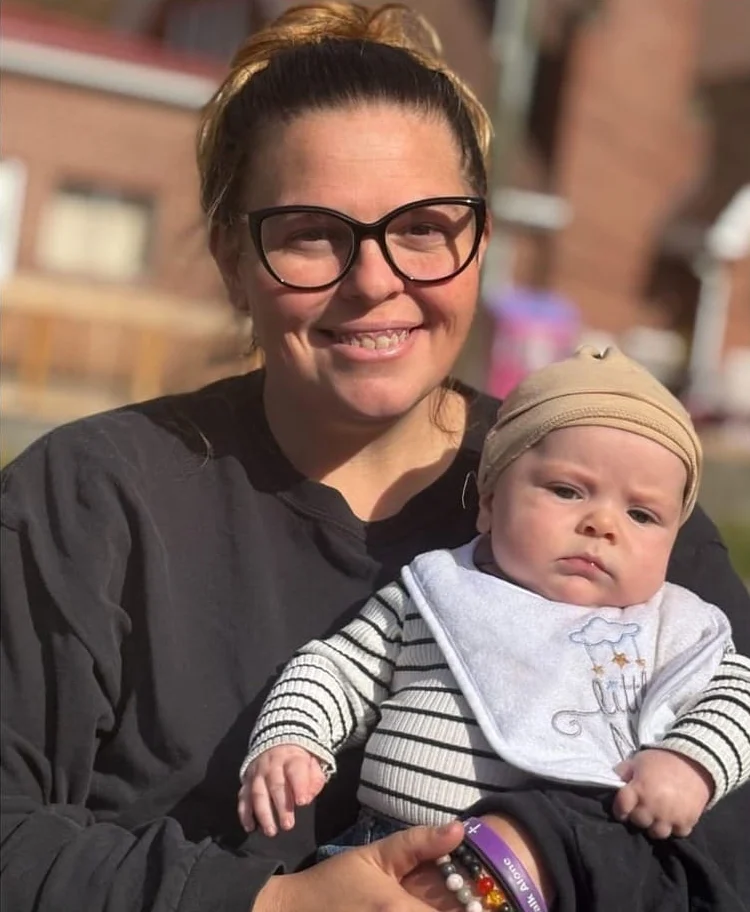
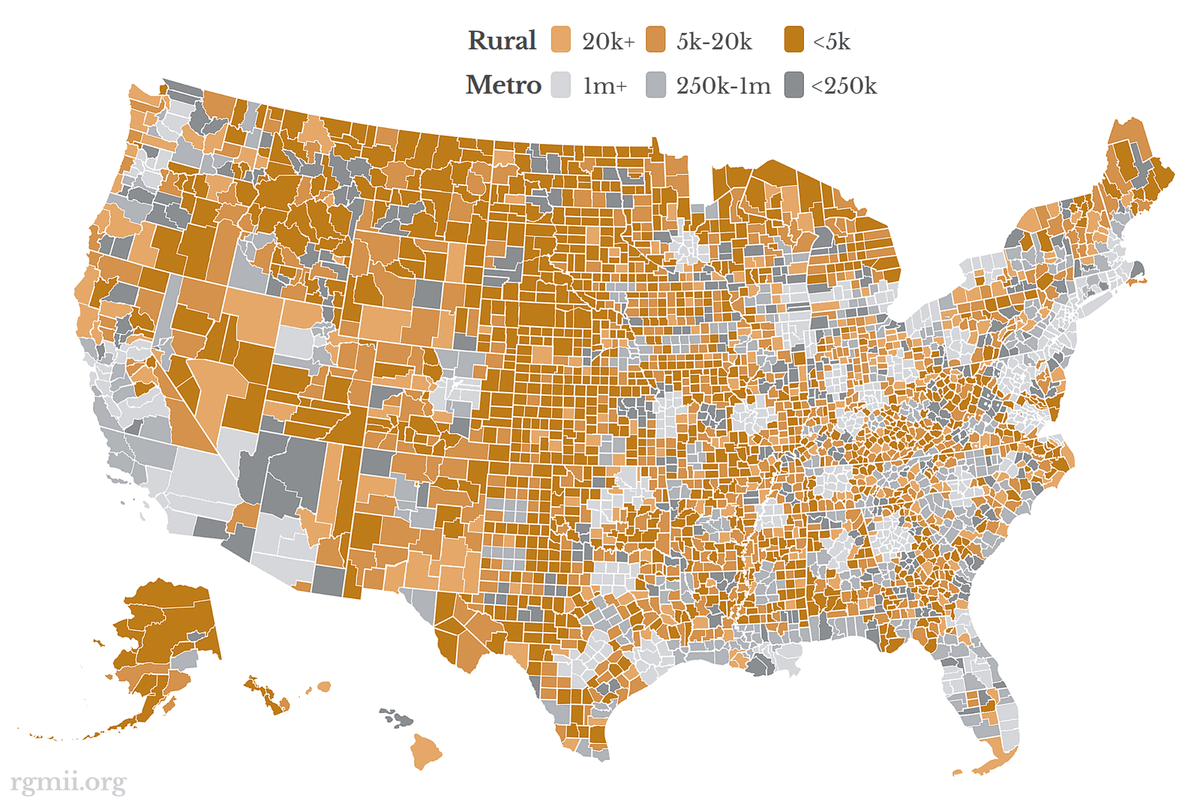
A compelling illustration of GMI’s potential impact comes from the testimony of Stacy D., a recipient from West Virginia participating in an early GMI program. Facing the challenges of raising five children, a high-risk pregnancy forcing her to stop working, and a sudden vehicle breakdown, Stacy articulated the transformative effect of receiving direct assistance: "The day I got cleared to go back to work, my vehicle broke down… This is also going to get my vehicle back on the road… This is gonna… it’s going to do a lot!" Her story highlights how a predictable income floor can provide crucial stability, enabling individuals to navigate unforeseen crises and pursue opportunities for self-sufficiency without the constant burden of financial insecurity.
Building on What Works: The Rural GMI Initiative (RGMII)

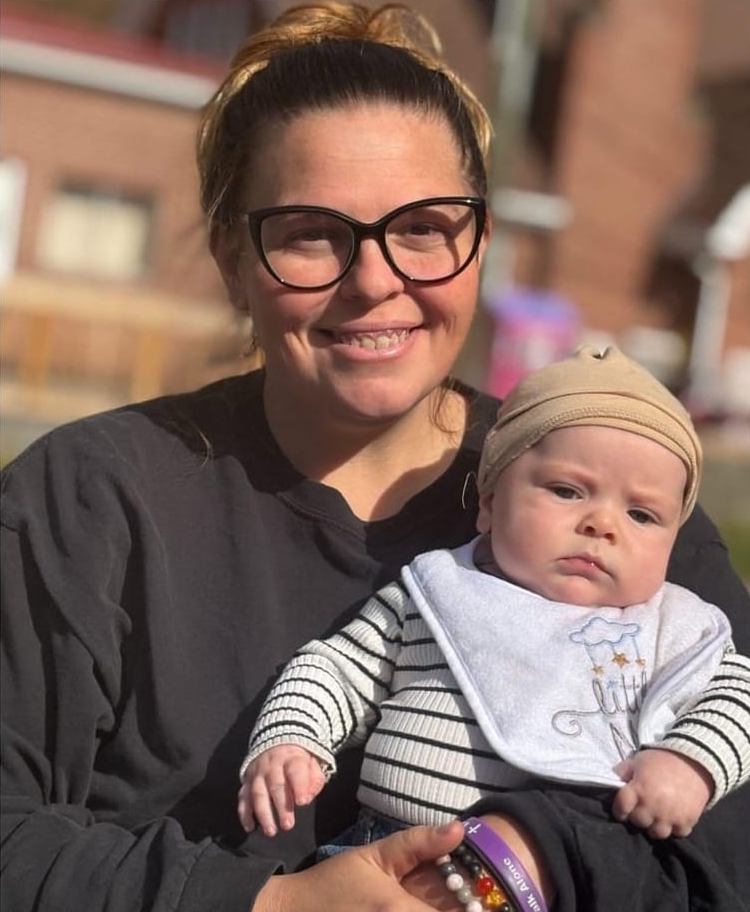
The Atwood family’s $50 million pledge is now driving the establishment of the Rural Guaranteed Minimum Income Initiative (RGMII), a targeted effort to implement and study GMI programs in rural counties. This strategic focus on rural areas is deliberate. Atwood noted, "We focus on rural counties, where dollars go a lot further, poverty is more prevalent, and populations are smaller for tighter studies. Rural counties are also greatly overlooked in this country, in my opinion, yet they have so much incredible untapped talent."
Rural America faces unique challenges, including higher poverty rates, limited access to social services, and economic decline due to industrial shifts. According to the U.S. Census Bureau, poverty rates in non-metropolitan areas consistently exceed those in metropolitan areas. For instance, in 2022, the poverty rate in rural areas was 13.3% compared to 11.2% in urban areas. By concentrating resources in these overlooked regions, RGMII aims to generate high-impact data while directly uplifting vulnerable communities. Atwood’s personal connection to rural America—having grown up there—further reinforces the initiative’s commitment to these areas.
RGMII has already launched three county-level pilot programs in Mercer, West Virginia; Beaufort, North Carolina; and Warren, Mississippi. These programs are designed to provide financial support to thousands of individuals over a 16-month period. A key component of these initiatives is the commitment to data sharing and rigorous evaluation. The RGMII plans to openly publish results and analyses, contributing to the broader understanding of GMI’s effectiveness and its potential for scalable policy implementation. The goal is not merely to provide aid but to generate empirical evidence that can inform future policy decisions at state and federal levels.
Broader Impact and Future Aspirations
The ambition of the RGMII extends beyond these initial pilot programs. The long-term vision is to expand GMI studies to all 50 states, demonstrating the adaptability and efficacy of direct cash transfers across diverse geographic and socio-economic landscapes. This scaling strategy aims to build a comprehensive body of evidence that can challenge existing misconceptions about GMI and advocate for its broader adoption as a poverty alleviation tool.
Atwood views this initiative as his "third and final startup," signaling a profound personal commitment to its success. Unlike traditional philanthropic foundations that might diversify their focus, the RGMII is singularly dedicated to advancing the concept of direct cash transfer. "Simply giving money to those most in need is perhaps the most radical act of love we can take on," Atwood stated, emphasizing the profound human impact of providing financial security. He reiterated that "all the data I can find shows us that it works—helping people afford basic needs, keep stable housing, and handle unexpected expenses."
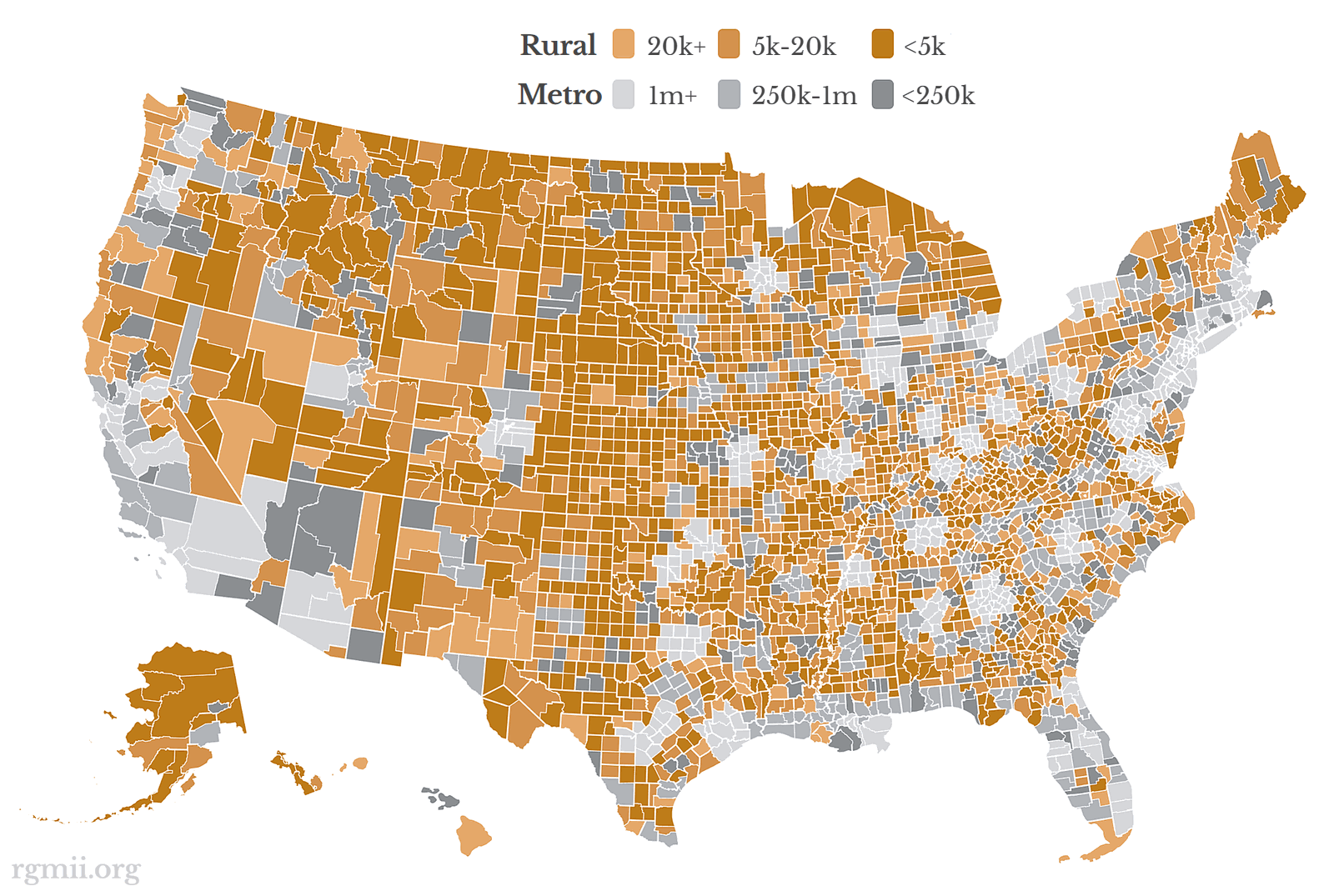
The RGMII encourages public engagement through various channels. It invites individuals to explore the initiative’s website (rgmii.org) to learn about GMI’s history, analyze study results, and understand the policy’s mechanics. Furthermore, it calls upon citizens to engage with their elected representatives and help disseminate accurate information about GMI, addressing common misconceptions. For those "to whom much is given," the initiative extends an invitation to become donors and sponsor GMI studies in new rural counties, accelerating the expansion to all 50 states and generating critical data for systemic change.
This ambitious undertaking by Jeff Atwood and his family represents a significant philanthropic investment in a data-driven approach to poverty reduction. By focusing on Guaranteed Minimum Income in rural America, the RGMII seeks to not only provide immediate relief but also to build a robust evidence base for a policy that could fundamentally reshape the fight against poverty in the United States. As Atwood concludes, "Dreams, like happiness, are only real when shared. So let’s do that together." The initiative embodies a belief in the power of direct support and rigorous evaluation to foster a more equitable and prosperous future for all Americans.
About the Author