The symbiotic relationship between video games and music has evolved from a novel integration to a cornerstone of modern entertainment marketing and artistic expression. Once a niche consideration, the strategic placement of music within video games has blossomed into a sophisticated industry, offering artists unprecedented avenues for exposure, fan engagement, and revenue. This evolution, marked by landmark collaborations and a burgeoning ecosystem of music supervisors and A&R specialists, highlights the profound impact gaming has on the music landscape, and vice versa.
The genesis of this powerful alliance can be traced back to the mid-1990s, a period when electronic dance music was exploding in popularity. The 1995 release of Wipeout for the PAL PlayStation market stands as a seminal moment. Psygnosis and PlayStation boldly licensed tracks from prominent UK electronica artists like Leftfield, Orbital, and The Chemical Brothers, creating an immersive experience that resonated deeply with a generation of players. The visceral thrill of piloting futuristic craft at breakneck speeds was amplified by the pulsating beats and driving rhythms, forging an unbreakable link between the game’s identity and its groundbreaking soundtrack. This fusion was not merely incidental; it was a defining characteristic that garnered critical acclaim and led to successful soundtrack releases. The success of Wipeout set a precedent, demonstrating that the right musical choices could elevate a game beyond its gameplay mechanics, establishing a gold standard for music integration in interactive media. Subsequent titles in the Wipeout series continued this tradition, featuring artists such as The Prodigy, Paul Van Dyk, and Sasha, solidifying the franchise’s association with the vibrant British dance music scene of the era. While not the absolute first game to feature licensed tracks, Wipeout undeniably pioneered a new level of integration and impact.
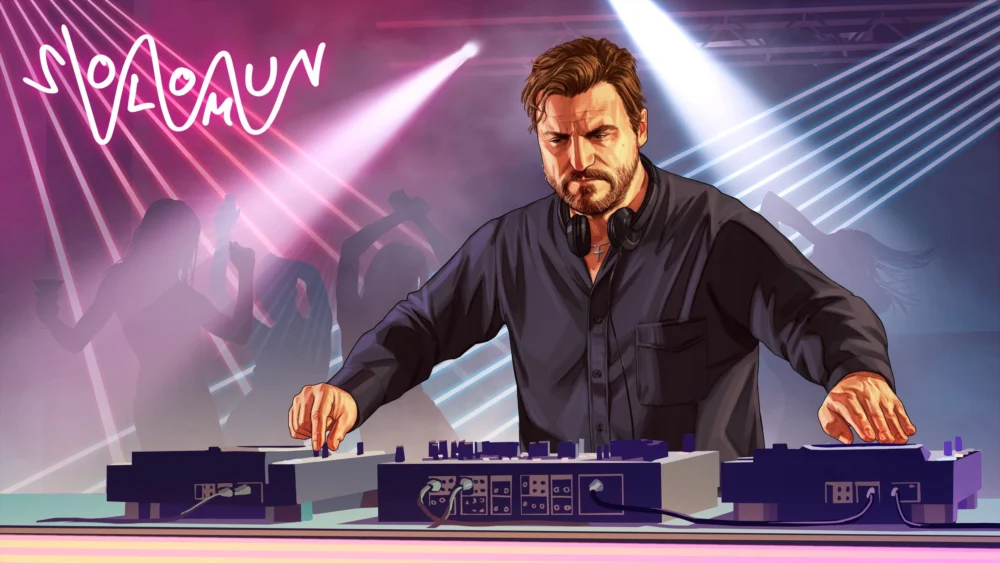
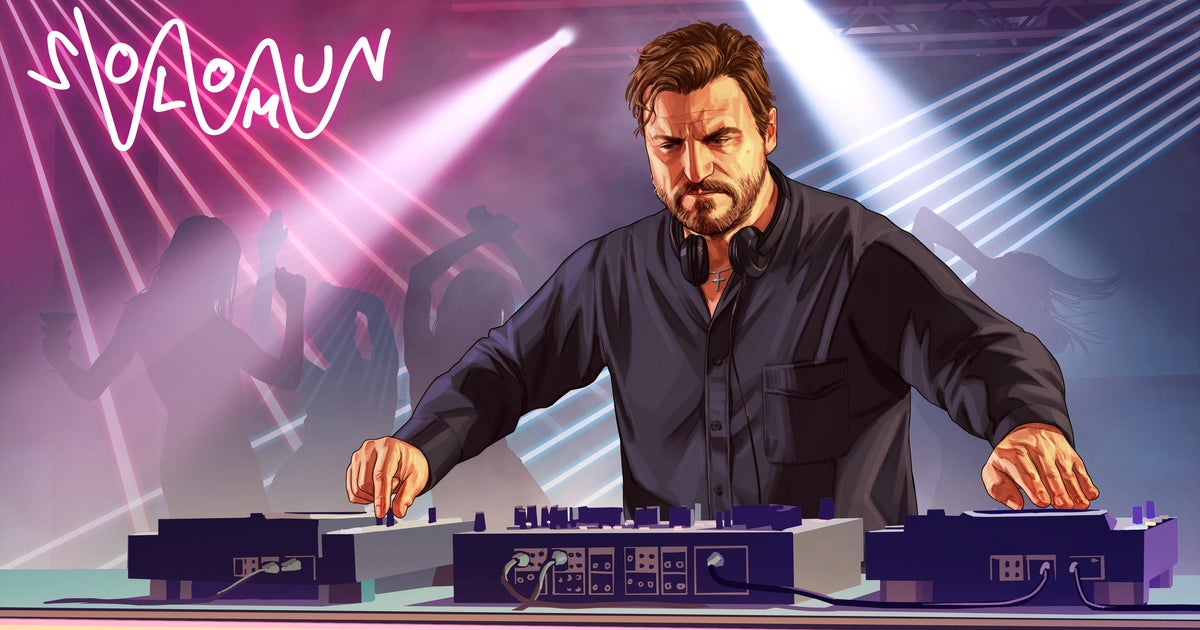
Fast forward over two decades, and the strategic use of music in video games has transformed into a multi-billion dollar industry in its own right. The landscape is now populated by dedicated teams, including audio directors, music supervisors, and A&R experts, whose sole responsibility is to curate and integrate music into gaming experiences. The application of music varies widely, from curated in-game radio stations and playlists, famously featured in titles like Grand Theft Auto and Watch Dogs, to its intricate editing and deployment in marketing materials such as launch trailers and promotional campaigns. This multifaceted approach underscores the strategic importance of music in a developer’s toolkit.
The COVID-19 pandemic, which severely disrupted the live music sector by halting most concerts and performances, has inadvertently accelerated this trend. Faced with a significant reduction in traditional performance opportunities, musicians, their management, and record labels are increasingly turning to the gaming industry as a vital platform for reaching new audiences and forging new revenue streams. However, navigating this competitive space and securing music placements can be a complex undertaking, with many critical discussions surrounding music synchronization – the process of combining music with visual media – occurring behind closed doors. To demystify this process, industry experts from both the gaming and music sectors offer insights into how artists can increase their chances of having their music featured in video games.
The Decision-Makers: Who Curates the Game’s Soundtrack?
In larger game development studios, in-house teams of music supervisors and A&R professionals often collaborate with record labels to identify suitable music. Alternatively, studios may engage external music consultancy firms, such as Feel For Music, to assist with music discovery and licensing, ensuring that selected tracks align with specific project briefs. Ben Sumner, Director at Feel For Music, notes that these briefs can be exceptionally diverse, heavily influenced by the game’s genre, target audience, and the creative vision of the development team.
"Most people like music, but some are huge music fans from the off, and that often dictates at what point in the project we come in," Sumner explains. "Larger games will have audio directors, brand directors and game directors, all of which will have strong ideas on the sound they want to achieve with the game. Sometimes we come in and we’re just fine-tuning what’s already there. Other times, people don’t know what they want at all."
Sumner emphasizes the crucial role of objectivity in his team’s work. "A big part of our role is objectivity, because people’s music tastes are so subjective," he states. "It’s about trying to bring in that objectivity to show how music appeals to certain audiences, how it fits with the game, and the cultural cachet that brings in with the whole branding."
Alex Hackford, Head of A&R at Sony Interactive Entertainment America, points to the immense growth of the gaming industry as a key factor in making the value proposition of these collaborations more readily understood by record labels, publishers, and artist managers. "The ease of access of having front-end conversations with labels and publishers about what the value of video game involvement… that bar has lowered because people have seen the impact of it," Hackford observes. "The ability for us to have more buy-in from partners in projects is getting a lot easier."
Hackford cites examples like Marvel’s Spider-Man: Miles Morales, where Sony produced four original tracks released simultaneously across digital service providers, in-game, and physically, accompanied by gameplay-based music videos. Similar integrated music strategies were employed for Death Stranding in partnership with RMCA. "I don’t think I speak out of turn when I say all of us are looking to do more of those types of things," he adds, underscoring the industry’s commitment to deepening these musical partnerships.
Unlocking Discovery: Getting Your Music Heard
The desire for artists to have their music heard by a broad audience is universal, but achieving placement in a video game is not a matter of chance. Duncan Smith, Head of Music at Sony Interactive Entertainment Europe, articulates the varied criteria involved: "Every game has different criteria, so it depends on what the game is trying to say and what kind of music it requires: is it gonna benefit from having a contemporary tracklist with big artists on there, or will it benefit looking at more obscure bands that can enhance the experience?"
With an ever-expanding catalog of music available to supervisors, artists need to proactively increase their visibility. A fundamental step is ensuring music is accessible across all major streaming platforms, including Spotify, Apple Music, Deezer, Google Play, and YouTube. This broad availability significantly enhances the likelihood of discovery by music supervisors actively seeking new talent.
Stephen Root, Vice President of Development Creative Services at Codemasters, highlights the practicality of platforms like Spotify. "I do use Spotify a lot because it’s nice and easy to use while also having a great interface," he says. "When we were working on our soundtrack for Dirt 5 at the time, Spotify was an easy way to build a playlist and share it around with the key people in the company."
The benefits of widespread accessibility can manifest in unexpected ways. Jim Hodge, vocalist for the metal band Mastiff, recounts how CD Projekt Red approached them "out of the blue" for their track "Acid Breather" to be featured in Cyberpunk 2077. "We honestly thought it was a wind-up until we started speaking to them properly," Hodge admits. "They wanted an unreleased track and we’d literally just been in the studio the month before to record. At the time, we were out of contract, which made it much easier to release the track. Having a track on one of the biggest games ever released is absolutely nuts, and hearing our music in the game still freaks us out."

Being signed to a major record label can provide a significant advantage, as labels often have dedicated teams working to secure music placements for their artists. Stephen Root regularly attends specialized listening sessions with record labels, gaining insights into upcoming releases and artist development strategies. "I spend most of my time working on who’s up and coming," he notes. "Figuring out which artists these labels are investing their time into and why they think are going to be really successful artists."
However, the path to game placement is not exclusive to signed artists. Opportunities abound for independent and unsigned musicians. "I always want to give people a shot," Root asserts. "I’m really into up-and-coming new artists, so I say to people [labels and managers] throw all of the new stuff my way and let me wade through it."
Sony’s Duncan Smith reassures bands with smaller fan bases, stating, "One of the reasons I love this job is that, most of the time, we’re looking for music that enhances the experience of the game or scene. Most of the time, it doesn’t matter how many hits, streams or views that artist has had. The priority is to find music that enhances that experience, makes it compelling, and connects with the player. So in that sense, you don’t have to be on a major label."
Tom Mackay, President of Premium Content A&R at Sony, clarifies that while there’s a natural inclination to consider artists within their own label ecosystem, creative decisions prioritize musical quality. "At the end of the day, good music is good music," Mackay explains. "Is there a predisposed goal to predominantly put Sony Music artists into our projects? Of course there is. But would I be shortsighted and at the same time potentially shackling the game or project by only considering Sony artists? Of course I would be. It’s a careful balance. If an amazing record came in that was perfect for the game and everybody loved it, we would never stand in the way of that."
Cultivating a Unique Sound
From a composer’s perspective, Joe Henson of the musical duo The Flight emphasizes the importance of artistic authenticity. "Don’t just try and do what other people do because they already do that," Henson advises. "Don’t just try and do epic, orchestral music because everybody does that. If you have a unique instrument, use that instrument."
Duncan Smith echoes this sentiment, believing that a distinctive sound is more likely to leave a lasting impression. "Develop your own sound and have a strong identity. Don’t chase the tail of whatever is popular in games or in music sync," he urges. "Stick to the fundamentals of developing your own identity, and then make the effort to try and get in touch with the likes of myself and Alex. Find out what we’re working on, try and develop a relationship, and if you make the effort it will cut through." He adds, "If you have a strong identity, we could end up coming back a year or so later if there’s something that requires your style — whether that’s industrial, drum ‘n’ bass, folk or whatever else. Do what you do and do it with passion."
Strategic Outreach: Making the Right Connection
The ultimate goal for any artist is to get their music heard by the right decision-makers, but effectively navigating the submission process is critical. A key strategy is to understand the branding and musical identity of different game titles and franchises. For instance, the NBA 2K series often features rap and hip-hop, while Life is Strange leans towards indie and folk artists. Rather than blanket submissions, artists should identify games that are a natural fit for their sound.

"You want there to be a seamless creative bond of connectivity between the artist and what they represent — what they sound like, what they look like and what they feel like, and how that fits with the game itself," explains Tom Mackay. "You spend an immense amount of time with the director or the game developer to understand their vision, and then you meticulously start working through bands from all over the world to try to find those that will fit."
Identifying relevant contacts can be achieved by scrutinizing game credits for audio and music team members or by conducting targeted searches on professional networking platforms like LinkedIn. Information on music supervisors and audio directors can often be found by researching the creators of launch trailers or promotional videos.
For artists who lack the resources or expertise to conduct this outreach themselves, engaging professional help is a viable option. Stephen Root encourages artists to discuss their interest in video games with their management or agents, who can then proactively seek out suitable opportunities. "I would say to anybody that’s an artist, either on the cusp of being either signed or that has just been signed, to explain to their management about their level of interest in gaming," Root advises. "Ask them to find and approach companies to see where they can fit your music. I would definitely do that because I think it’s a really great thing to do."
Duncan Smith also recommends hiring a sync representative for artists serious about game placements, particularly if their label or publisher lacks established relationships with music supervisors. "It’s important to make the effort to find out what we’re working on, and I think that’s where third-party sync reps can help," Smith notes. "Especially because it’s difficult to keep up to speed with what music supervisors are working on and develop that relationship. If you don’t have a label or a publisher with those types of relationships with music supervisors, find the right sync rep who can do that for you."
When submitting formal pitches, Alex Hackford stresses the importance of tailoring the approach to the specific individual. Demonstrating knowledge of a game or series that the recipient has direct involvement in is far more effective than referencing broader, less relevant titles. "If you have a formal pitch, make sure you know who you’re pitching to and you’re referencing games that they’re working on, rather than referencing cross-platform products that aren’t gonna be as relevant to their work."
Duncan Smith concurs, emphasizing the impact of personalized outreach: "Trying to develop a relationship and make the effort will always cut through — especially compared to some of the emails that we get where people have 50 different supervisors on one email and just hit send, without making the effort to find out what we’re working on."
Ben Sumner’s consultancy, Feel For Music, receives an overwhelming volume of submissions daily – between 200 and 250 emails. "It might be hard for us to check out your music, but if you’re persistent, focused, and understand the places where your music might fit, that’s a great starting point," Sumner says. "Most people that get in touch with us, we’ll give them a chance. If someone drops me an email and it gets missed but sends me a follow-up, I’ll make sure it gets checked." He cites the example of Sufjan Stevens’ manager, whose persistent approach led to his music being featured in the Life is Strange spin-off, The Amazing Adventures of Captain Spirit.

Technical Requirements and Strategic Planning
Beyond artistic merit, ensuring music is provided in the correct formats is paramount. For trailer submissions, having access to isolated instrumental tracks (stems) for each instrument, alongside complete stereo files, is essential for editors to manipulate and adapt the music. "Having your music in the right formats is really important," Sumner explains. "Do you have the instrumental version and do you have the vocals? We’re always going to need stems. If I put something into a trailer I have to rework it."
Artists are also encouraged to consider rearranging their tracks into structures more amenable to in-game placement or advertising. "If it’s a trailer, instead of your track being verse, chorus, verse, chorus, why don’t you have a version of the track that’s just intro, middle, ending, which is how trailer music usually works," Sumner suggests.
The music composition duo The Flight notes that the video game industry is particularly challenging to penetrate, whether as a composer or seeking music placement. "With film and TV, you can find out what’s going into production — you can meet people and they’ll tell you what’s happening," Joe Henson says. "In games, you sometimes won’t know what people are working on until you have that initial big meeting. We’ll finish working with Ubisoft and have no idea what they’re doing next. Work comes completely out of the blue, and because of all the NDAs, video games can sometimes be difficult to get into."
For annual franchises like FIFA and Call of Duty, understanding their release schedules can provide artists with a roadmap for aligning their own music release plans. "There are a lot of annual games coming out and you can generally work backwards as an artist," Alex Hackford explains. "Eight to ten months pre-release is when we’re working on music; when we’re in that pitching process and actively working on music for a game."
Navigating Rights and Maximizing Collaboration
Licensing music involves navigating complex ownership structures. Artists and their representatives must have a clear understanding of who owns the various rights to their music, especially if they have worked with a label in the past. Unresolved ownership issues can derail potential placements, as Alex Hackford notes: "I’m dealing with a scenario now where there’s a track I really like but there’s a lot of questions around ownership, so I’m probably gonna have to drop it. That’s the last thing you want when you’ve already got as far as getting the song into someone’s hands."
Once a music placement is secured, artists are encouraged to explore opportunities for added value and cross-promotion. "I love it if a manager says, the fee is whatever, but what else can you do for my artist," Duncan Smith states. He recounts how DJ Shadow’s manager negotiated additional promotional opportunities for Driveclub, including featuring the artist’s album artwork on in-game cars. This initiative arose from proactive questioning and a willingness to explore synergistic possibilities.
Amplifying the reach of a music placement can be as simple as engaging with game-related social media content or creating custom promotional materials. The band Broken Witt Rebels, featured in Dirt 5, created a music video using in-game footage, a move that was highly appreciated by the development team.

Budgeting and Compensation Models
Music placement in video games requires careful budgeting, especially when incorporating debut tracks from emerging artists alongside established hits. Stephen Root outlines a tiered fee structure for Dirt 5, categorizing artists into up-and-coming, mid-tier success, and "big hitters."
While some video game composers benefit from royalties on their scores, the compensation for contributed tracks from artists typically follows a different model. Ben Sumner recalls that in the early days of Grand Theft Auto, royalty payments were offered, which significantly benefited artists involved. However, this practice has largely shifted to a fixed-rate licensing scenario. "I think royalty payments are generally a thing of the past, but there are a few exceptions out there — particularly writers registered with certain European PROs [performance rights organisations], as they have specific rules about licensing music into games. I’ve also heard about mobile games with zero or modest upfront budgets offering royalties."
Duncan Smith advises artists to maintain realistic expectations regarding compensation. "Try to have realistic expectations about a deal. Don’t get crazy imagining you’re gonna have a life-changing sum of money in your pockets. It’s more about being realistic, in addition to being good to work with, being helpful, and providing us with all the stuff we need," he says. "If we have a positive experience working with the artist, label or the publisher, we’re more likely to come back to you. So you can build up repeat business and a long-term relationship, rather than just a one-off fee."
The Tangible Rewards: Impact and Future Potential
The impact of music placement in video games can be transformative. John Feldmann, lead singer of Goldfinger, credited the band’s track "Superman" with becoming their "biggest song we’ve ever written" due to its inclusion in Tony Hawk’s Pro Skater. For many artists, appearing in such iconic franchises is akin to receiving a "badge of honour."
While game soundtracks are now commonplace, the emergence of artists debuting new music within video games allows them to instantly connect with millions of players. Alex Hackford highlights the significant streaming boost experienced by independent artist Lecrae following the release of two original tracks for Marvel’s Spider-Man: Miles Morales. "He [Lecrae] is an independent artist at this stage, so that jump in audience and reach from having access to a game like Spider-Man: Miles Morales is substantial."
The symbiotic relationship is further exemplified by Hideo Kojima’s Death Stranding, which featured new music from artists like Bring Me The Horizon, CHVRCHES, Major Lazer, and Khalid. The pandemic has accelerated this convergence, with titles like GTA V Online releasing extensive music updates and artists such as Katy Perry and Post Malone collaborating with The Pokémon Company.
Tom Mackay firmly believes that the gaming industry’s influence on the music industry will only grow. "The gaming industry will play a larger and larger role in the overall way in which the music industry thinks, operates and strategizes every day going forward," Mackay predicts. "I think the reasons for that is because of A), the effectiveness in the marketplace when you get it right, and B), the natural joy and excitement it brings to both the artists and fans. What I can say with confidence is what has been achieved so far is a literal scratching of the surface. These gaming platforms are the new water cooler. They are the news meeting place, especially for millennials and for younger generations." As gaming continues to evolve as a primary entertainment and social platform, its role in shaping musical careers and trends is set to become even more pronounced.
About the Author