For over a decade, crowdfunding has transformed from a novel concept into an indispensable conduit for creatives seeking capital and bringing ambitious projects to fruition. In the current global economic landscape and the intensely competitive video game industry, the allure of crowdfunding has intensified, positioning it as a vital pathway for many developers embarking on their next venture. However, navigating the complexities of crowdfunding to achieve genuine success presents its own distinct set of formidable challenges. At the prestigious GDC Festival of Gaming 2026, Niina Fujioka, Vice President of Operations at Playable Worlds, Inc., offered invaluable insights drawn from her direct experience in orchestrating a highly successful crowdfunding campaign and managing the subsequent intricate demands. Her address delved deeply into critical lessons, not merely on launching a campaign effectively, but crucially, on how to leverage an influx of new funds to maintain team focus and propel the project toward sustained success.
The Evolution and Growing Imperative of Crowdfunding in Gaming
The phenomenon of crowdfunding, particularly within the video game sector, gained significant traction in the early 2010s. Platforms like Kickstarter and Indiegogo emerged as democratizing forces, allowing independent developers to bypass traditional publishing models and connect directly with their audience. Early successes, such as Double Fine Productions’ Double Fine Adventure (later Broken Age) in 2012, which famously raised over $3.3 million against an initial goal of $400,000, demonstrated the immense potential for direct player investment. This paradigm shift offered developers creative freedom and a direct pipeline to gauge market interest, while players gained a sense of ownership and involvement in the games they wished to see made.
Fast forward to 2026, and the landscape has matured considerably. Industry reports indicate that games consistently rank among the top categories for successful crowdfunding campaigns, collectively raising billions of dollars. However, this growth has also brought increased scrutiny. High-profile campaigns that either failed to deliver a finished product, suffered extensive delays, or significantly compromised on promised features have led to a more cautious backer community. In this environment, transparency, realistic goal-setting, and robust post-campaign management have become paramount. The prevailing global economic conditions, characterized by fluctuating investment confidence and rising development costs, further underscore the strategic importance of crowdfunding as a viable, albeit challenging, funding mechanism. For many studios, particularly those developing ambitious, niche, or community-driven titles, crowdfunding represents not just an alternative, but often the only viable path to securing initial capital and demonstrating market validation to potential institutional investors.
The Stars Reach Odyssey: A Case Study in Community-Driven Development
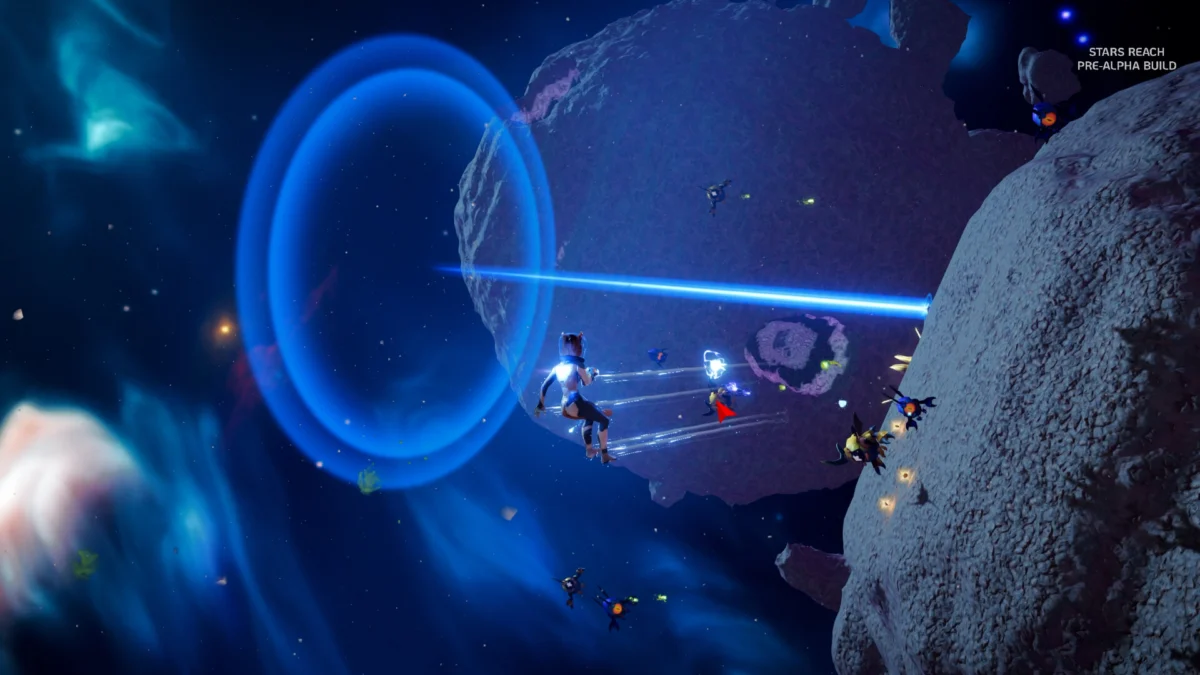
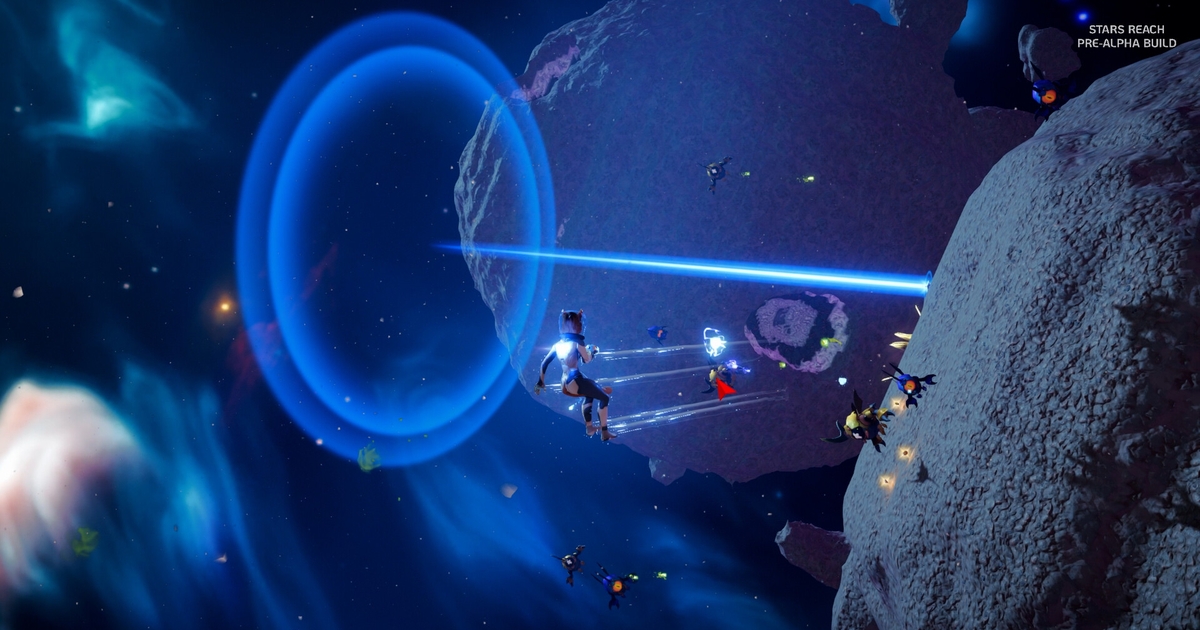
In 2025, Playable Worlds, Inc. embarked on a significant crowdfunding initiative for their ambitious project, Stars Reach. This sandbox MMORPG, conceived as a spiritual successor to classics like Star Wars Galaxies, promises an evolving galaxy ripe for exploration, cooperative play, and expansive settlement. Such a title, by its very nature, demands substantial investment in terms of time, effort, and resources to bring its grand vision to life. Fujioka revealed that the decision to pursue crowdfunding was prompted by the team facing a critical "loss of runway" on a project already in motion. Kickstarter, with its established infrastructure and global reach, emerged as the most promising platform to secure the necessary funds and revitalize the project.
The Stars Reach campaign, spanning a concise 30-day period, proved to be an overwhelming success. Not only did the developers achieve their initial funding target, but they remarkably surpassed it by more than four times, a testament to the project’s appeal and the effectiveness of their strategy. Fujioka emphasized that this financial triumph transcended mere capital acquisition. "It was to show viability to the investors, and to the developers themselves," she stated. This highlights a crucial secondary benefit of crowdfunding: it acts as a powerful validation mechanism, demonstrating concrete market interest and a willing audience—an invaluable asset when seeking further investment or bolstering team morale. This initial surge of support, far exceeding expectations, provided the team with renewed momentum and a clear mandate from a passionate community.
Challenge 1: Cultivating Your Community and Crafting Your Narrative
A cornerstone of Fujioka’s presentation at GDC Festival of Gaming 2026 revolved around the meticulous effort required to identify and cultivate a dedicated community. For Stars Reach, a game heavily reliant on player interaction and persistent world development, establishing this connection early was non-negotiable. Fujioka underscored that the campaign page itself, along with a compelling trailer, serves as the primary conduit for conveying the game’s talent, vision, and the developers’ authenticity. Crowdfunding, she explained, transcends a transactional exchange; it’s an opportunity for audiences to deeply engage with the creative minds behind the project and grasp their overarching vision.
"A trailer [for Kickstarter] is not a gameplay reel, it’s your story," Fujioka asserted, providing a fundamental reframing of campaign video content. "Backers aren’t just buying a product, they’re deciding whether to believe in you." This insight is critical in an era where trust and transparency are paramount. The Stars Reach trailer, therefore, consciously moved beyond mere gameplay snippets. It became a narrative vehicle, transparently outlining the project’s current state, its future potential, the explicit reasons for launching a Kickstarter, and a candid acknowledgment of the development timeline. Fujioka highlighted their honesty in stating that "five years meant in getting close to the launch, not at the very beginning." This level of transparency, acknowledging the realities of game development, fostered a deep sense of trust. "We acknowledge the reality of the industry, and we ask our players to join us on our journey," she elaborated, encapsulating their community-first ethos. This approach resonated profoundly with potential backers, who, in turn, became more than just funders; they became invested partners in the game’s long-term success.
The meticulous crafting of the campaign’s messaging, coupled with an authentic portrayal of the development journey, cultivated a community of dedicated players even before the game’s full release. This initial success, however, also brought its own set of responsibilities. The developers at Playable Worlds quickly recognized that their commitment extended far beyond securing funds; it now encompassed the monumental task of delivering on promises and nurturing the burgeoning community that had placed its faith in them.
Avoiding the Crowdfunding Pitfall: Don’t Suffer from Success
A common and often devastating pitfall in the crowdfunding landscape is the inability of successful campaigns to deliver a complete product, frequently succumbing to delays, scope creep, or even outright failure. The sheer momentum and financial windfall of an overfunded campaign can, paradoxically, create new challenges. Fujioka admitted that the developers behind Stars Reach encountered similar pressures. However, due to the inherent nature of an MMORPG—a genre that thrives on continuous feedback and community interaction—the team had already adopted a community-first approach to development, structuring their goals and deliverables at a measured, sustainable pace.
Fujioka offered a crucial piece of advice regarding campaign goal setting: "One of the most important decisions you’ll make, and it’s connected to everything else, is to set your goal to the minimum amount you genuinely need, not the maximum you hope to raise." This strategic approach is designed to achieve immediate validation. Hitting the funding goal quickly, ideally within the first 24 hours, sends a powerful signal to both potential backers and the crowdfunding platform’s algorithms. "When people see a funded campaign, they feel safe joining it," she explained. This psychological aspect is vital; a rapidly funded project appears less risky and more credible, encouraging further contributions and broader visibility.
Before the launch of the Stars Reach campaign, Playable Worlds prudently sought the expertise of crowdfunding consultant Thomas Bidaux. Bidaux, a well-regarded figure in the industry known for his data-driven insights into crowdfunding trends and campaign optimization, provided invaluable guidance across various aspects of the initiative. His counsel reinforced the strategy of setting an achievable initial target, allowing for stretch goals to be revealed incrementally as the campaign gained momentum. This methodology not only manages expectations but also builds excitement and encourages continued engagement throughout the campaign’s duration. The strategic decision to prioritize a realistic minimum over an aspirational maximum proved instrumental in the campaign’s rapid initial success and helped to anchor the project against potential over-extension.
Sustaining Momentum: The Art of Post-Campaign Engagement
The challenge of maintaining engagement and momentum after the initial crowdfunding surge is another critical area where many campaigns falter. Fujioka highlighted that immediately following the first day of the Stars Reach campaign, their mailing list swelled to over 60,000 subscribers. This rapid expansion necessitated an intensified push across various social channels to sustain activity and continuously build the player community. While efforts on platforms like Reddit and through Google search results yielded varying degrees of success, the core strategy for Stars Reach involved "leaning hard" on community playtests.
These playtests served a dual purpose: they were invaluable opportunities for gathering player feedback, directly informing development decisions, and simultaneously acted as consistent touchpoints to keep backers actively engaged and informed about the game’s progress. Unlike static updates, interactive playtests allowed the community to feel a direct impact on the game’s evolution, reinforcing their sense of investment and ownership. This continuous feedback loop is particularly vital for an MMORPG, where long-term player retention and community health are paramount to the game’s success. By involving players directly in the iterative development process, Playable Worlds fostered a loyal community that felt genuinely heard and valued.
Fujioka underscored that while platforms like Kickstarter effectively "amplify your message," they are merely tools, not the ultimate determinants of a product’s success. True, lasting success hinges on a deeper understanding of the audience, a commitment to realistic goal-setting, and an unwavering dedication to showcasing the human element—the people behind the game. This approach cultivates a robust, resilient community that extends beyond the initial funding period.
Broader Implications and the Future of Game Development Funding
Niina Fujioka’s insights from the Stars Reach campaign at GDC Festival of Gaming 2026 offer a valuable blueprint for contemporary game developers. In an industry increasingly defined by large-scale projects and fierce competition, crowdfunding continues to offer a democratized path for innovation and creative independence. However, its effectiveness is now inextricably linked to strategic planning, radical transparency, and a profound commitment to community building.
The Stars Reach case study exemplifies how a clear vision, combined with honest communication about development realities and a realistic financial strategy, can not only secure funding but also build a foundational community critical for long-term viability. The emphasis on the campaign trailer as a "story" rather than just a "gameplay reel" speaks to a growing trend in marketing where emotional connection and developer authenticity outweigh flashy, unrepresentative visuals. This shift reflects a more discerning backer base, one that values trust and a shared journey over hyperbolic promises.
The advice to set minimum achievable goals first, rather than maximum aspirations, also carries broader implications for risk management and investor relations. By de-risking the initial funding phase and demonstrating immediate traction, developers can present a more compelling case for subsequent investment, whether from traditional publishers or venture capitalists. The ongoing engagement through playtests and direct communication transforms backers into advocates, creating a powerful organic marketing force that extends far beyond the campaign’s close.
"Don’t treat the closing date as the finish line," Fujioka concluded, encapsulating the continuous nature of community management and development. "This year was rough. We settled on the path many thought would be impossible on a timeline that was shorter than it should have been, but we had something that mattered: a great game and a passionate community. I hope something from today helps you. This industry is hard, but we look out for each other, and that’s what makes this community special." Her words resonate as a powerful reminder that while the financial aspect of crowdfunding is crucial, the enduring legacy lies in the relationships forged and the community cultivated. In an industry where collaboration and mutual support are increasingly vital, the lessons from Playable Worlds and Stars Reach provide a beacon for aspiring developers navigating the intricate, yet rewarding, path of crowdfunding.
Game Developer and GDC Festival of Gaming are sibling organizations under Informa Festivals.
About the Author