Jeff Atwood, a prominent figure in the software development and tech blogging sphere, has recently issued a stark assessment of Twitter’s transformation under Elon Musk’s ownership, asserting that the platform has been fundamentally "destroyed" and urging users to disavow it entirely. This declaration from the co-founder of Stack Overflow and Discourse aligns with a growing sentiment among tech veterans and users who perceive a significant degradation of the platform, now rebranded as X, since its acquisition. Atwood’s critique is not merely an observation but a call to action, advocating for a societal shift towards decentralized online services that prioritize user empowerment and collective ownership over the vulnerabilities inherent in centralized, autocratic platforms.
The Acquisition and Its Immediate Aftermath: A Chronology of Change
The journey to Twitter’s current iteration, X, began in April 2022 when Tesla and SpaceX CEO Elon Musk announced his bid to acquire the social media company for approximately $44 billion. The initial offer sparked a tumultuous six months, characterized by Musk’s wavering commitment, legal battles with Twitter’s board, and intense public scrutiny. Musk’s stated motivations for the acquisition often centered on transforming Twitter into a bastion of "free speech" and a "digital town square," ostensibly to combat perceived censorship and unlock the platform’s untapped potential.
By October 2022, the acquisition was complete, ushering in an era of unprecedented and rapid change. Musk, who declared himself "Chief Twit," immediately implemented sweeping structural overhauls. The most notable initial actions included the dismissal of top executives and approximately half of Twitter’s 7,500-strong workforce, including many engineers and content moderation teams. This drastic reduction in staff raised immediate concerns about the platform’s operational stability, security, and ability to manage content effectively. Simultaneously, Musk introduced "Twitter Blue" (later rebranded as X Premium), a subscription service offering verification checkmarks and other features, leading to widespread confusion, impersonation issues, and a perceived erosion of the platform’s credibility.
The rebranding of Twitter to X in July 2023 marked a symbolic culmination of these changes, signifying a departure from the platform’s established identity and a move towards Musk’s broader vision of an "everything app." This period has been characterized by a continuous stream of policy adjustments, feature rollouts, and controversial decisions that have profoundly altered the user experience and the platform’s standing in the digital ecosystem.
Erosion of Trust and User Experience: A Rapid Transformation
Atwood’s assessment that the post-Elon Twitter era was "so much worse than I could have possibly ever imagined" resonates with many former and current users. The rapid changes, often implemented with little public consultation or apparent internal consensus, contributed to an environment of instability and distrust. Critics frequently point to a perceived decline in the quality of discourse, an increase in misinformation, and a rise in hate speech, issues exacerbated by the significant cuts to content moderation teams and changes in content policies.
The introduction of paid verification, intended to combat bots and spam, paradoxically led to a surge in impersonation as bad actors could purchase credibility. This undermined the blue checkmark’s original purpose as a reliable indicator of authenticity, making it harder for users to distinguish legitimate sources from parody or misinformation. Advertisers, once a cornerstone of Twitter’s revenue model, expressed significant concerns about brand safety in an environment perceived as increasingly chaotic and less moderated.
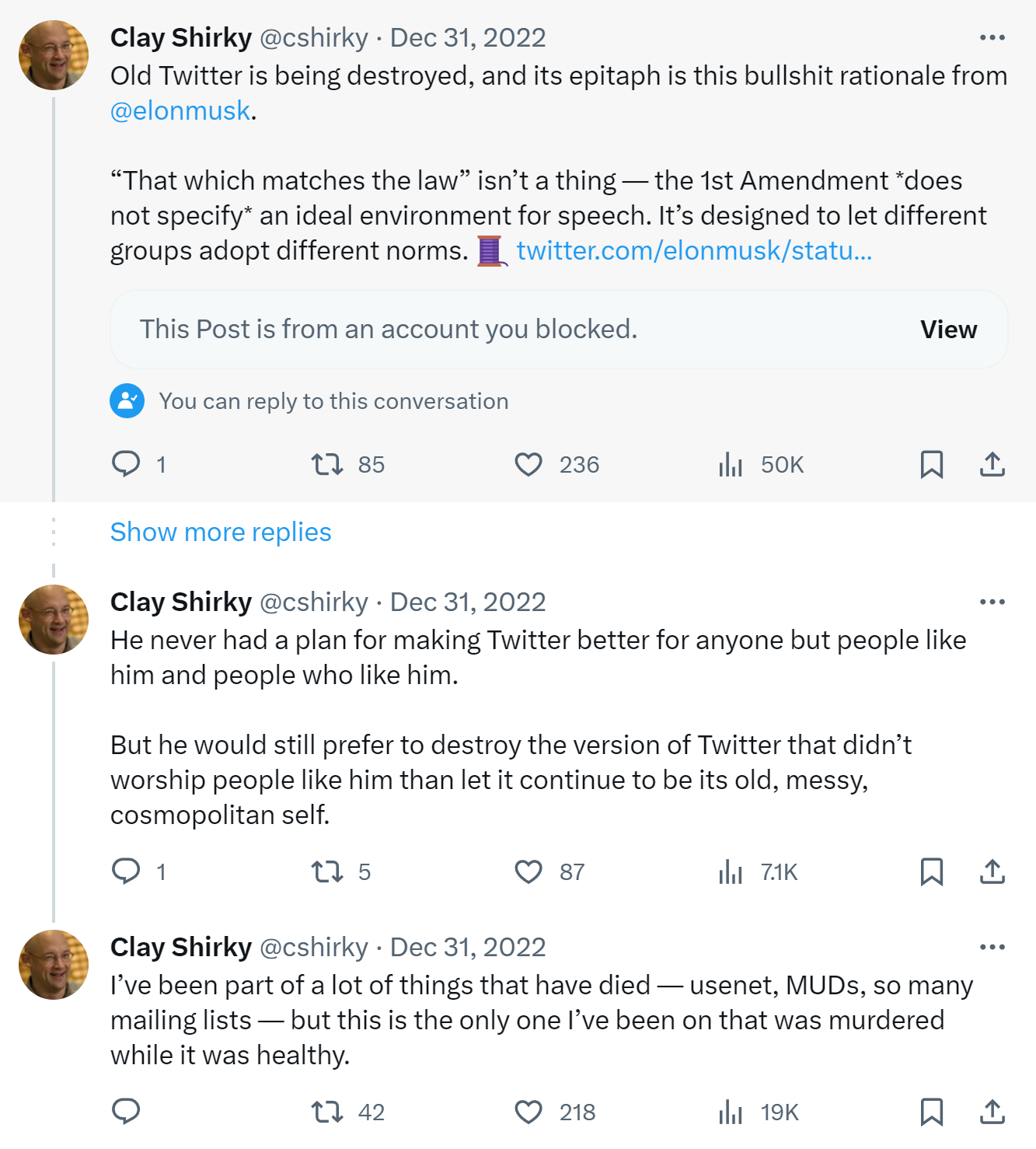
Atwood’s sentiment echoes that of Clay Shirky, a respected scholar on the internet and social media, who famously mourned Twitter’s transformation, stating it was "murdered while it was healthy." Shirky’s observation that "He [Musk] never had a plan for making Twitter better for anyone but people like him and people who like him" encapsulates the criticism that the platform’s changes were driven by personal ideology rather than a nuanced understanding of community needs or platform health. The specific claim cited in the original article, that Twitter was killed due to a "trans woke virus," points to the politically charged nature of some of Musk’s justifications for his actions, further alienating significant portions of the user base and advertising partners.

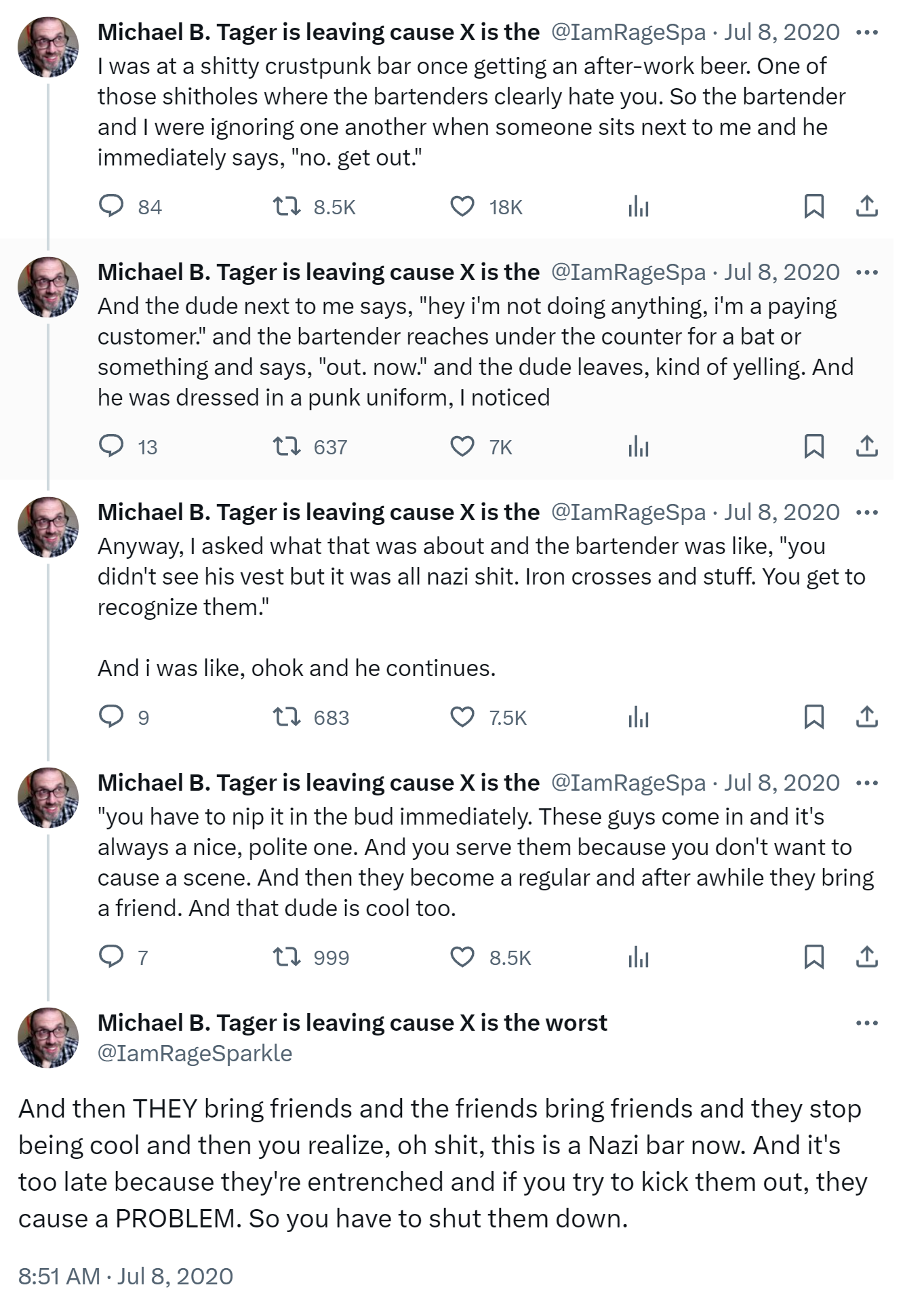
A powerful analogy employed to illustrate the insidious nature of platform degradation is the "Nazi bar" scenario. This anecdote describes how allowing small, seemingly innocuous instances of undesirable behavior can, over time, lead to an environment where extremist elements become entrenched and dominant, fundamentally altering the character of a space. For many, the changes at Twitter/X mirrored this progression, where shifts in moderation and content policy created a more permissive environment for certain types of discourse, leading to a perceived degradation of the platform’s overall civility and safety.
The "Digital Town Square" Debate and the Limits of Centralized Social Media
The concept of a "digital town square" has long been a foundational metaphor for social media platforms, envisioning them as central hubs for public discourse, debate, and community engagement. However, the experience of platforms like Twitter, particularly in recent years, has increasingly challenged the viability of this ideal in practice. Paul Ford, whose commentary Atwood directly references, articulates a fundamental human limitation: "Every five or six minutes, someone in the social sciences publishes a PDF with a title like ‘Humans 95 Percent Happier in Small Towns, Waving at Neighbors and Eating Sandwiches.’ When we gather in groups of more than, say, eight, it’s a disaster." This observation draws parallels to Dunbar’s Number, a cognitive limit on the number of stable social relationships an individual can maintain, typically cited around 150.
Ford’s argument, rooted in social science and even biblical references to the Tower of Babel, suggests that human brains are not inherently equipped to thrive in massive, undifferentiated digital crowds. The "colosseum" approach, where millions are jammed together under the guise of "free speech" to "fight it out," has demonstrably failed to foster healthy, constructive dialogue. Instead, it often devolves into echo chambers, adversarial interactions, and the rapid spread of misinformation, amplified by algorithms designed for engagement rather than truth or civility.
The historical evolution of social media platforms, from early bulletin board systems and Usenet groups to the monolithic platforms of today, demonstrates a consistent tension between scale and community health. While early online communities were often smaller, self-moderated, and niche-focused, the drive for global reach and monetization pushed platforms towards ever-larger user bases. This expansion, while creating unprecedented connectivity, also introduced complex challenges related to content moderation, identity management, and the prevention of abuse, which centralized entities have struggled to manage effectively.
Financial and Advertiser Implications
The financial repercussions of Musk’s acquisition and subsequent management have been substantial. Prior to the takeover, Twitter generated significant revenue primarily through advertising, attracting major brands keen to reach its diverse global audience. However, the period following the acquisition saw a dramatic exodus of advertisers, driven by concerns over brand safety, content moderation policies, and the erratic leadership. Reports indicated that advertising revenue plummeted by as much as 50% in the months following Musk’s takeover.
Major brands like General Motors, Volkswagen, and Pfizer were among those that paused or significantly reduced their advertising spend on the platform. Their decisions were often directly linked to fears that their advertisements would appear alongside objectionable content, or that the platform’s new direction would damage their brand image. This advertiser flight forced X to rapidly seek alternative revenue streams, including the expanded subscription model (X Premium) and a nascent push into financial services and payments, aimed at transforming the platform into an "everything app" akin to China’s WeChat. While these initiatives are underway, they have yet to fully compensate for the significant decline in advertising income, highlighting the precarious financial position resulting from the platform’s tumultuous transformation.
The Call for Disavowal and the Search for Alternatives
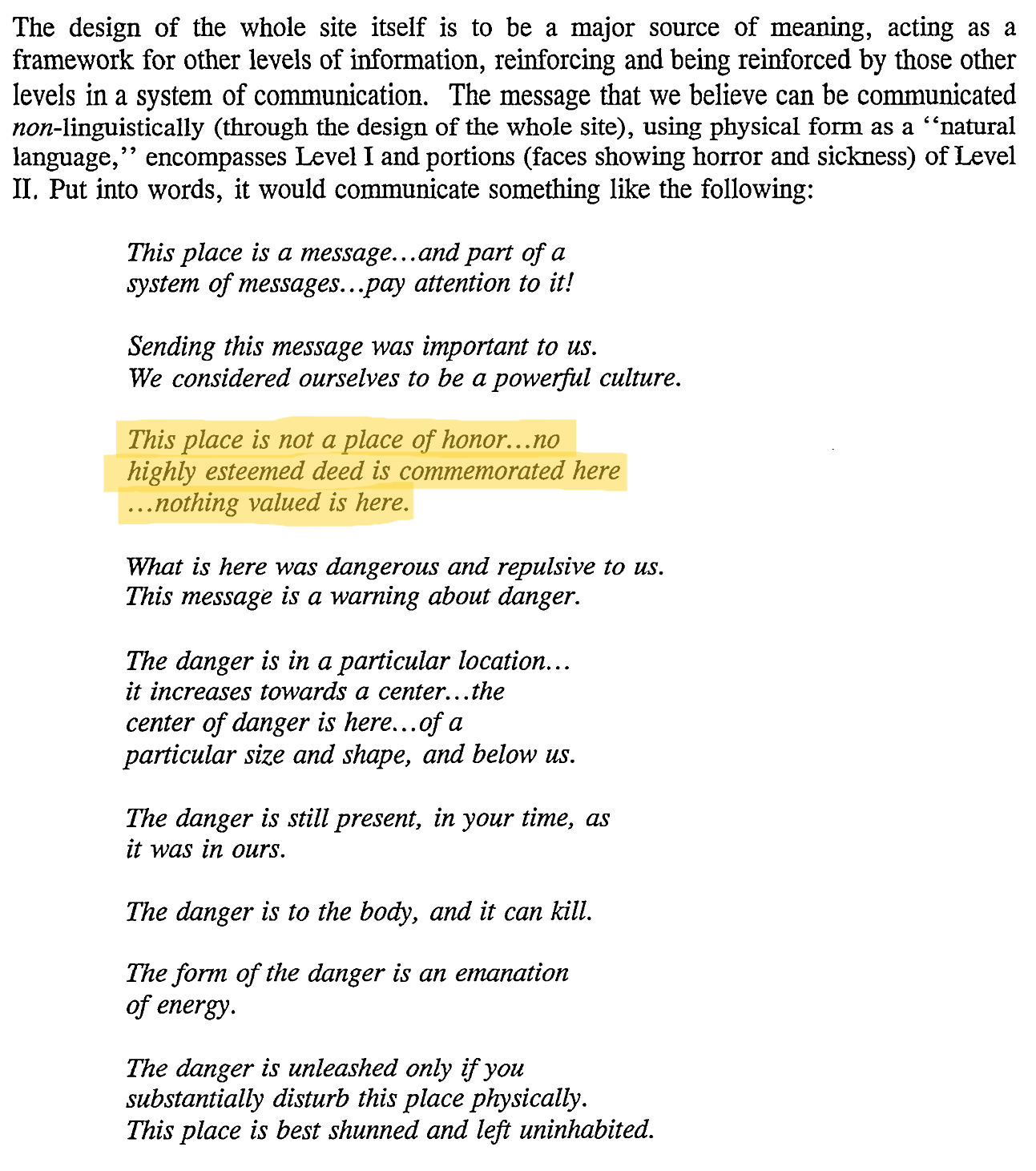
Given the perceived degradation and the systemic issues, Jeff Atwood issues an unambiguous call to action: "I urge you, all of you, to disavow Twitter and never look at it again." This strong recommendation is rooted in a concern for individual mental health, arguing that engaging with a platform governed by "the whims of a billionaire going through a midlife crisis" is detrimental. He advises against linking to Twitter or feeding it any attention, likening the necessary disengagement to entombing nuclear waste: deep in concrete, with a clear public warning on its capstone, to prevent future generations from encountering its hazards.
This sentiment reflects a broader movement among users and tech experts seeking healthier, more sustainable models for online interaction. The implicit message is that continued engagement with a platform that has become toxic, irrespective of its past utility, only perpetuates its existence and influence. The act of disavowal is presented not merely as a personal choice but as a collective imperative for the digital well-being of society.
The Rise of Decentralized Solutions: Mastodon and the Fediverse
In the wake of Twitter’s transformation, attention has increasingly turned to decentralized alternatives, with Mastodon emerging as a prominent example. Atwood explicitly endorses Mastodon, describing it as an "open source, federated Twitter alternative." Unlike centralized platforms controlled by a single corporation, Mastodon is part of the "Fediverse" (a portmanteau of "federation" and "universe"), a network of interconnected servers, each independently operated but capable of communicating with each other.
The principles of the Fediverse are built on decentralization, open standards, and user control. Users choose an "instance" (a server) to join, which is governed by its own rules and moderated by its administrators. This distributed model means that no single entity has autocratic control over the entire network. If a user dislikes the policies of one instance, they can migrate their account to another without losing their connections, or even start their own instance. This distributed governance model addresses the core vulnerability Atwood identifies in centralized platforms: the risk of a "king, a dictator, a tyrant, a despot, an autocrat" unilaterally altering the platform to the detriment of its users.
Mastodon experienced a significant surge in user registrations following Elon Musk’s acquisition of Twitter, as many users sought refuge from the changes. While the decentralized nature can be "messy" – requiring users to understand concepts like instances and federation – advocates argue that this complexity is a worthwhile trade-off for increased resilience, user autonomy, and democratic governance. The open-source nature of Mastodon further ensures transparency and allows for community-driven development, contrasting sharply with proprietary platforms whose internal workings and algorithms are opaque.
Empowering Users: The Philosophy of Collective Ownership
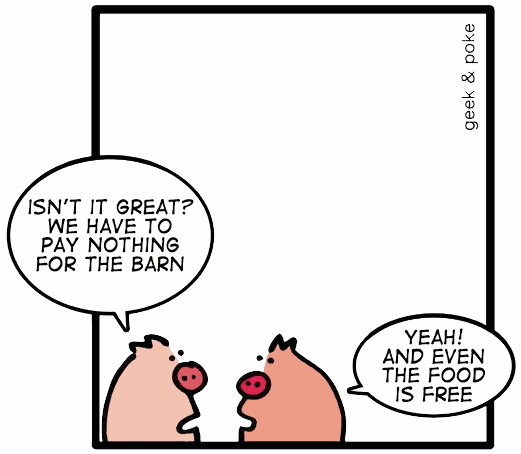
At the heart of Atwood’s advocacy for decentralized platforms lies a critique of the prevailing business model of "free" centralized services, which he likens to "digital sharecropping." In this analogy, users are "sharecroppers" who invest their time, content, and data into a platform, effectively working the "land" owned by a powerful "landlord" (the platform owner). The "landlord" dictates the terms, retains ultimate control over the content, and can change the rules or "rug-pull" content at any time, leaving users with little recourse or ownership over their digital labor and community.
Atwood’s own project, Discourse, an open-source discussion platform, embodies his philosophy of collective ownership and user empowerment. Discourse aims to provide robust moderation tools that put power in the hands of the community, enabling them to shape their online spaces. He argues that while such services may not be "free" in the monetary sense, the perceived cost of free services often comes at the expense of privacy, control, and autonomy. "Those so-called ‘free’ services aren’t really free," he asserts, highlighting the hidden costs borne by users in the form of data exploitation, algorithmic manipulation, and vulnerability to platform whims.
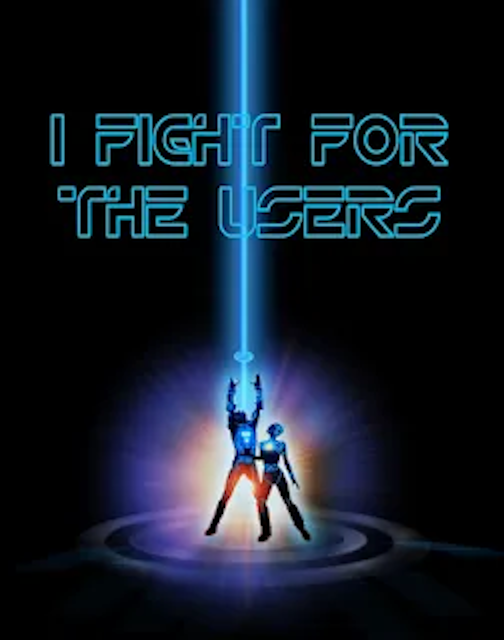
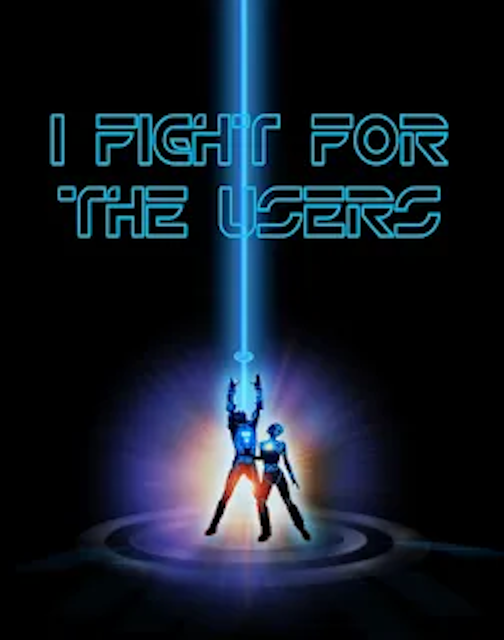
This "Tron-like" view of the software industry posits that the fundamental goal should be to empower users with tools and control, rather than exploiting them for data or advertising revenue. It’s a call for a paradigm shift where users are treated as stakeholders and participants, not just as products or passive consumers. This perspective aligns with the broader principles of the open-source movement and digital rights advocacy, which champion transparency, interoperability, and user agency.
Advocacy and Symbolic Action: The Trevor Project Auction
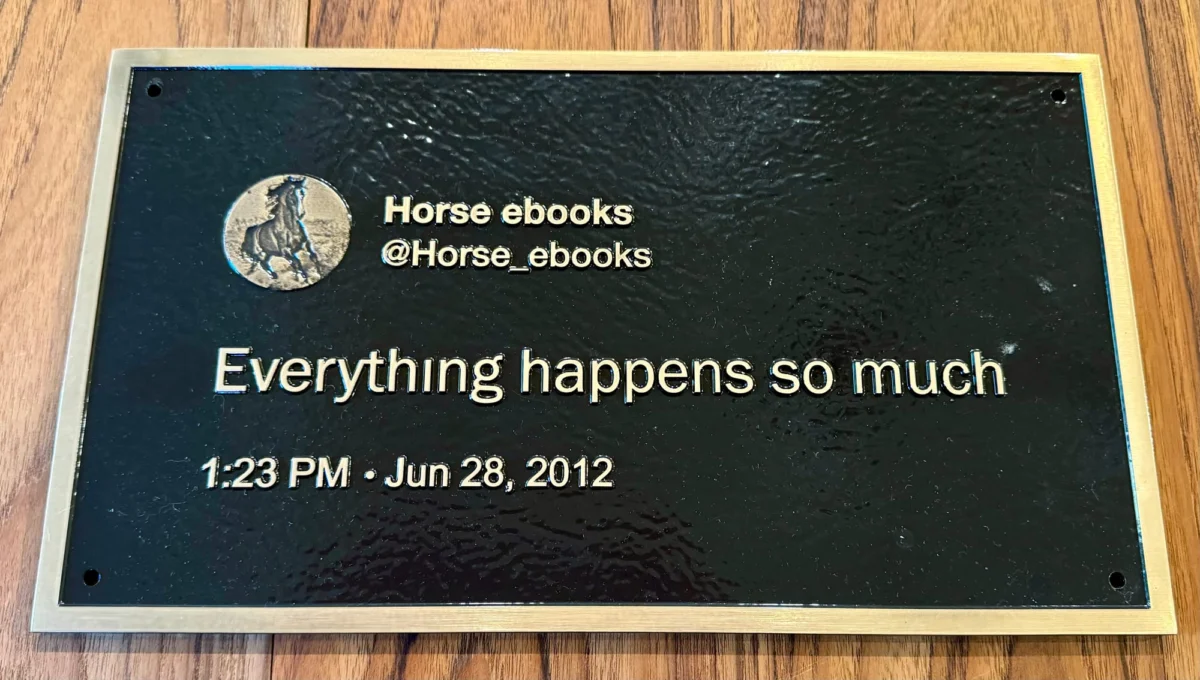
To further inspire a "leap of faith" towards decentralized alternatives and as a symbolic act of defiance against the current state of X, Jeff Atwood is auctioning off ten museum-quality brass plaques featuring what he considers "the best tweet of all time." All proceeds from this auction are dedicated to The Trevor Project, a non-profit organization providing crisis intervention and suicide prevention services to lesbian, gay, bisexual, transgender, queer, and questioning (LGBTQ) youth.
The chosen tweet, "everything happens so much," attributed to the iconic @horse_ebooks account (which also now has a presence on Mastodon), holds a particular resonance in the context of the chaotic and overwhelming nature of social media. The auction serves multiple purposes: it raises funds for a vital cause, actively disavows the platform’s current iteration, and, as Atwood pointedly notes, "will piss Elon off, which makes it even sweeter." This act is a tangible demonstration of his commitment to moving beyond the centralized model and supporting communities and initiatives that align with principles of inclusivity and well-being. The personal guarantee that each plaque "will easily outlive what’s left of Twitter" underscores the deep conviction behind his call for change.
Conclusion: Navigating the Future of Online Interaction
The transformation of Twitter into X under Elon Musk has ignited a critical debate about the governance, structure, and future of online social platforms. Jeff Atwood’s strong denouncement and his fervent advocacy for decentralized, user-empowering alternatives like Mastodon and Discourse represent a significant voice in this ongoing discussion. The events surrounding Twitter’s acquisition have laid bare the inherent dangers of centralized platforms beholden to a single owner’s whims, demonstrating how quickly a widely used public forum can be altered, alienating users and advertisers alike.
The challenges of fostering healthy online communities at scale remain immense. While decentralized models offer promising avenues for user control, resilience, and democratic governance, they also present their own complexities, including the need for individual responsibility in server selection and moderation. However, as Atwood contends, "it’s worth the work, because it’s the only survivable long term path forward. Anything worth doing is never easy."
The shift away from monolithic platforms towards a more federated and diverse digital landscape is not merely a technical evolution but a societal imperative. It challenges users to be more discerning about where and how they engage online, to understand the true costs of "free" services, and to actively participate in building and sustaining online spaces that genuinely empower them. The future of online interaction will likely be shaped by this ongoing tension between convenience and control, centralized power and decentralized autonomy, ultimately determining whether the digital realm fosters genuine connection and constructive discourse, or descends further into chaos and division.
About the Author