The landscape of social media underwent a seismic shift following Elon Musk’s tumultuous acquisition of Twitter, culminating in its rebranding to X and a series of transformative changes that have profoundly reshaped the platform’s identity, user experience, and market position. What began as a contentious takeover bid evolved into a rapid, often chaotic, overhaul, sparking widespread debate about the future of centralized digital public squares, content moderation, and the influence of individual ownership on global communication infrastructure.
A Chronology of Disruption: From Bid to Rebrand
The saga began in April 2022 when Tesla and SpaceX CEO Elon Musk, already a prominent Twitter user, announced a bid to acquire the company for approximately $44 billion. His stated motivations centered on transforming Twitter into a bastion of "free speech," combating spam bots, and unlocking the platform’s perceived untapped potential. The initial offer was met with resistance from Twitter’s board, which adopted a "poison pill" defense, but ultimately relented as Musk secured financing. However, the deal quickly became fraught with complications, with Musk attempting to withdraw his offer in July 2022, citing concerns about the number of fake accounts. This led to a legal battle, with Twitter suing Musk to enforce the merger agreement. Facing a court order, Musk eventually completed the acquisition on October 27, 2022.
Immediately following the takeover, a whirlwind of changes commenced. Musk dissolved the previous board of directors, appointed himself CEO, and initiated mass layoffs that drastically cut the company’s workforce, including significant portions of its content moderation, engineering, and trust and safety teams. Key policy shifts followed, such as the introduction of the "X Premium" (formerly Twitter Blue) subscription service, which aimed to monetize verification, a feature previously intended to authenticate public figures. This move, designed to diversify revenue streams beyond advertising, proved controversial, leading to widespread impersonation issues and calls for a re-evaluation of the verification process.
The platform’s name change from Twitter to X, and the iconic blue bird logo replaced by a stylized ‘X’, occurred in July 2023. This rebranding was presented as a step towards Musk’s vision of an "everything app," integrating various services beyond microblogging. However, it alienated many long-term users and advertisers who had strong brand recognition with Twitter. Other notable changes included lifting bans on previously suspended accounts, including that of former U.S. President Donald Trump, and a series of technical glitches, reduced site reliability, and public-facing policy reversals that fueled user frustration and uncertainty.
Background: Twitter’s Role as a Digital Public Square
Before Musk’s acquisition, Twitter, founded in 2006, had cemented its place as a unique and influential platform in the global digital landscape. It was often described as the "world’s digital public square," a real-time information network where news broke, political discourse unfolded, and cultural conversations flourished. Its concise format (initially 140 characters, later 280) fostered direct, immediate communication, making it indispensable for journalists, politicians, activists, and everyday users alike.
However, Twitter was not without its challenges. The platform grappled persistently with issues of misinformation, hate speech, harassment, and the proliferation of bots. Content moderation was a continuous balancing act, navigating the complexities of protecting free expression while mitigating harm and ensuring a safe environment for its diverse user base. Revenue generation, heavily reliant on advertising, also presented an ongoing hurdle, with the company often struggling to achieve consistent profitability compared to its larger social media counterparts. Under previous leadership, including co-founder Jack Dorsey and later Parag Agrawal, Twitter pursued strategies aimed at decentralization (e.g., Bluesky initiatives), enhancing safety features, and experimenting with new monetization models, albeit with mixed success. These efforts, however, were largely overshadowed and ultimately discarded following Musk’s intervention.

The Impact on Advertisers and Revenue Streams
The financial repercussions of Musk’s acquisition and subsequent management have been substantial. Advertising, historically Twitter’s primary revenue source, experienced a precipitous decline. Reports from late 2022 and early 2023 indicated a significant exodus of major advertisers, many citing concerns over content moderation policies, brand safety, and the platform’s increasingly volatile environment. Advertisers became wary of their ads appearing alongside potentially objectionable content, an issue exacerbated by the mass layoffs in trust and safety teams and the reinstatement of controversial accounts.
Musk himself acknowledged the dramatic drop in advertising revenue, attributing it partly to "activist groups" pressuring advertisers. Data from various analytics firms corroborated a sharp decline in ad spending, with some estimates suggesting a reduction of 50% or more year-over-year in the initial months post-acquisition. This forced X to aggressively pursue alternative revenue streams, most notably the X Premium subscription service. While X Premium has attracted a segment of users, it has not fully offset the lost advertising income, leading to ongoing financial pressures and a reported significant devaluation of the company from its $44 billion acquisition price. The shift in business model reflects a broader struggle to balance user engagement, content policies, and financial viability in a highly competitive and scrutinized digital marketplace.
Content Moderation, Free Speech, and Platform Safety
Musk’s declared commitment to "absolute free speech" served as a foundational principle for many of the platform’s policy changes. This philosophy led to a significant rollback of previous content moderation policies and a more permissive approach to speech, particularly regarding content that might have previously triggered suspensions or warnings. The reinstatement of thousands of previously banned accounts, often through a "general amnesty" or user polls, was a direct manifestation of this stance.
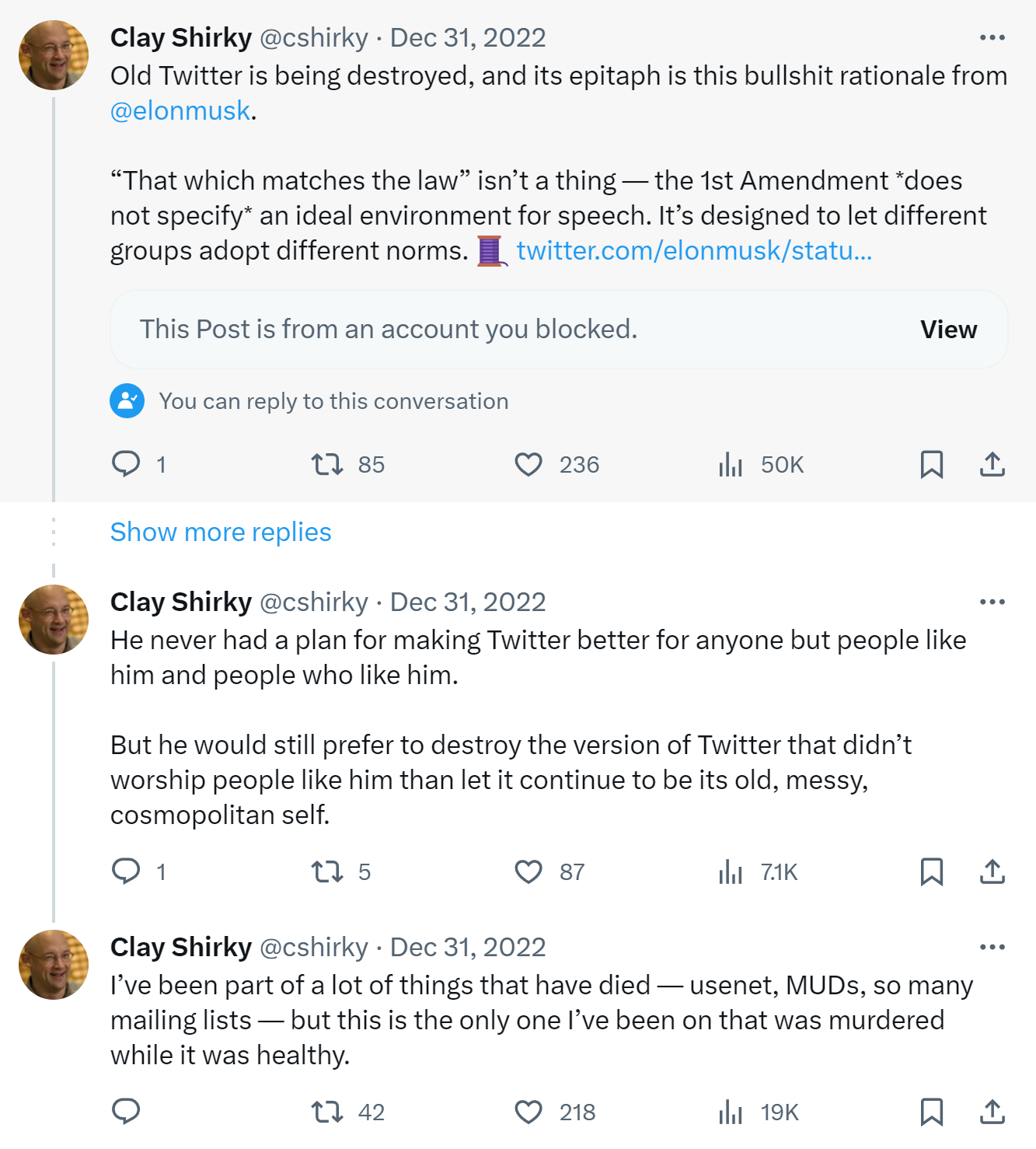
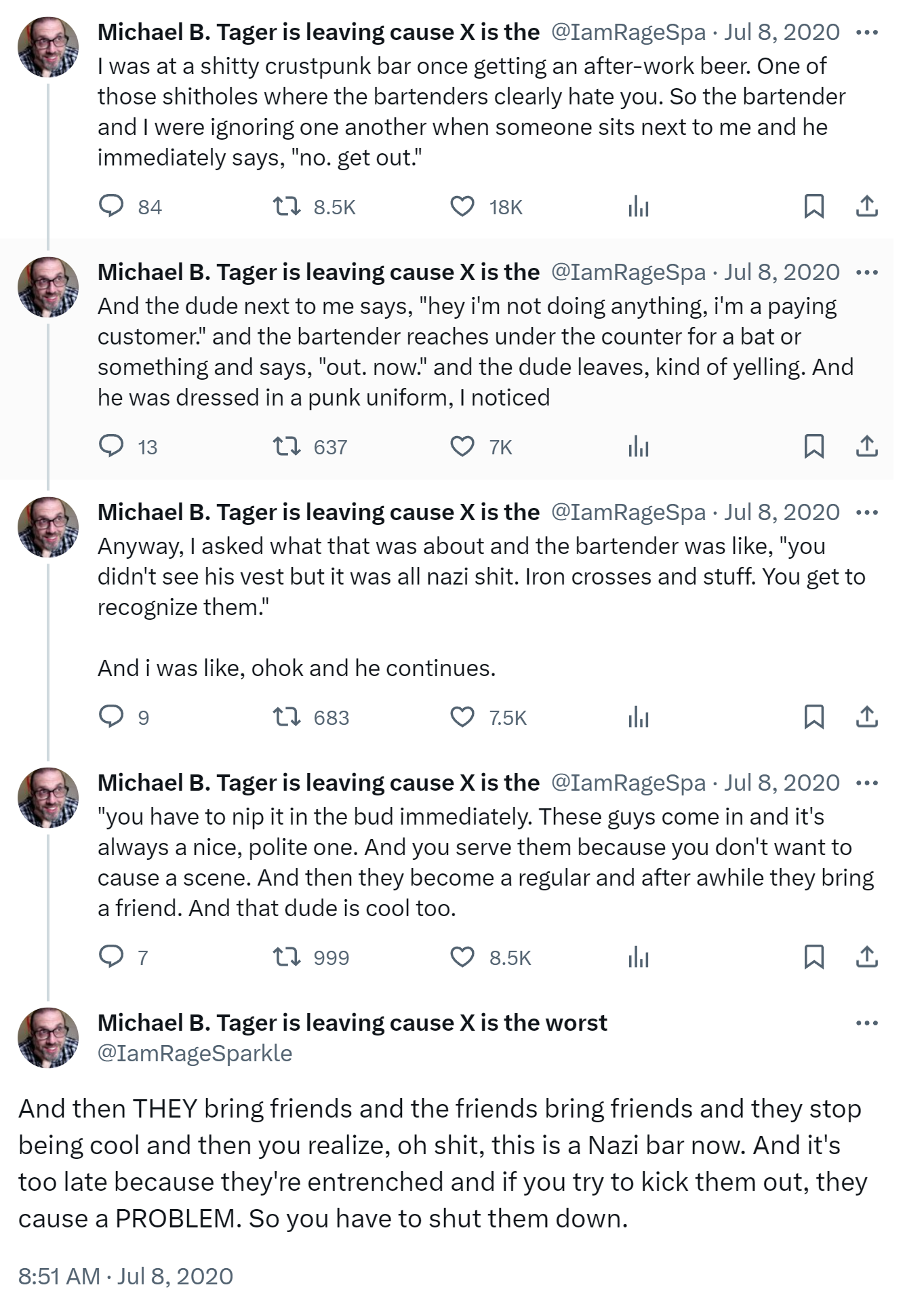
However, this approach immediately sparked alarm among civil rights organizations, researchers, and former Twitter employees. Concerns escalated regarding a perceived increase in hate speech, misinformation, and extremist content on the platform. Organizations like the Anti-Defamation League (ADL) and the Center for Countering Digital Hate (CCDH) published reports alleging a rise in antisemitic, racist, and other harmful narratives. These groups argued that a less restrictive moderation environment created a more hostile space for marginalized communities and made the platform less safe overall.
The debate over free speech versus platform safety intensified, with critics arguing that "free speech absolutism" often translates into amplified hate speech and a reduction in the speech of those targeted by harassment. The balance between allowing diverse viewpoints and preventing the spread of dangerous or illegal content became a central challenge for X, influencing both user experience and advertiser confidence. The move away from a more curated and actively moderated environment towards a more laissez-faire approach has undeniably reshaped the nature of public discourse on the platform, leading to a more polarized and often contentious online space.
The Rise of Decentralized Alternatives and User Exodus
The profound changes at Twitter, particularly the perceived instability and shifts in content policy, prompted a significant segment of its user base to seek alternative platforms. This exodus fueled renewed interest in decentralized social networks, which offer a different model of online interaction.
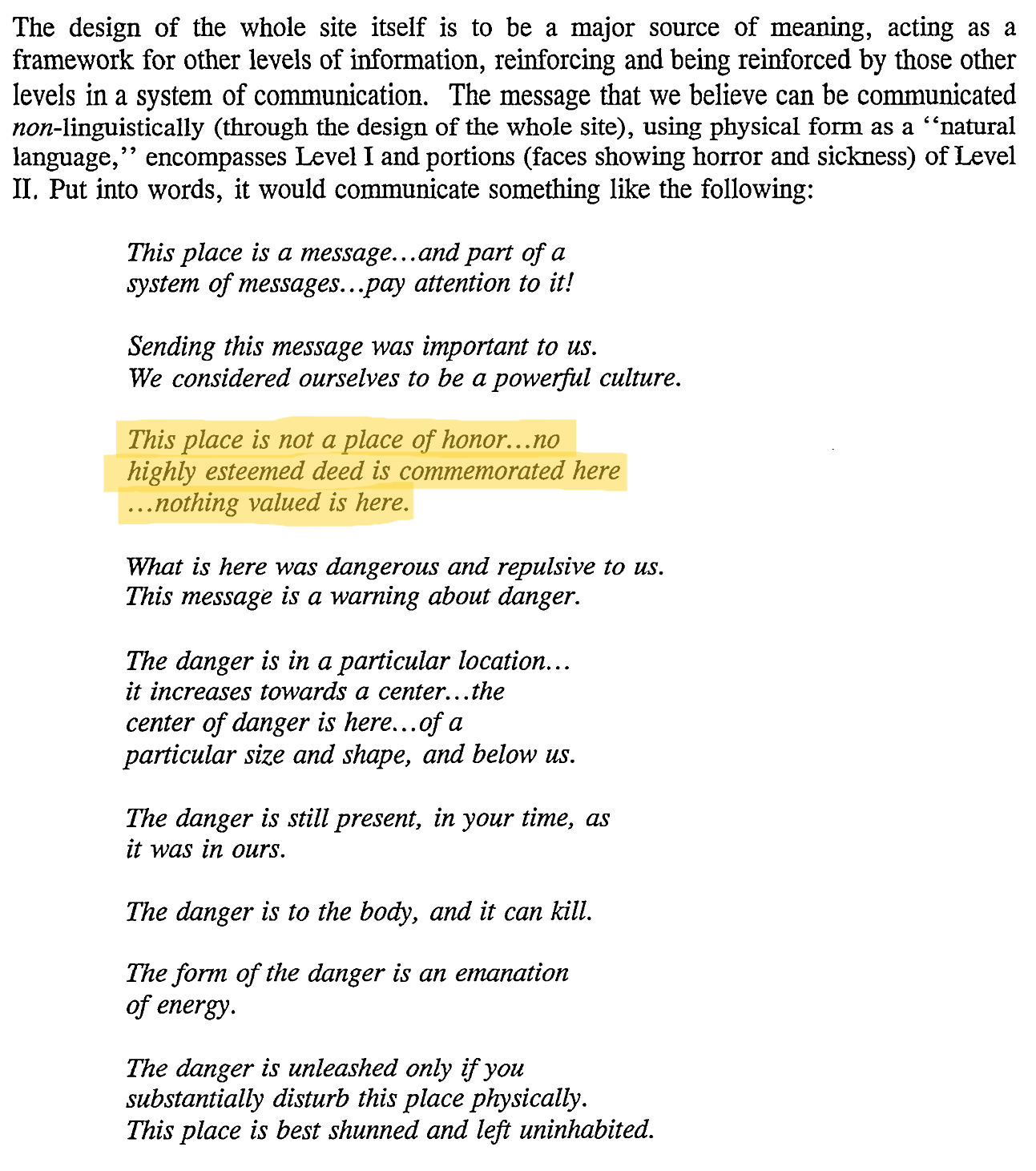
Mastodon emerged as a leading contender among these alternatives. As an open-source, federated social network, Mastodon operates on a network of independently run servers (instances) that can communicate with each other. This federated model contrasts sharply with the centralized control seen in traditional platforms like Twitter, theoretically offering users greater autonomy, community-specific moderation, and resilience against single-point-of-failure issues or the whims of a single owner. Following Musk’s takeover, Mastodon reported a significant surge in new users, reaching millions of active accounts as disillusioned Twitter users migrated to explore its distributed architecture.
Other platforms also saw increased activity, including Bluesky, co-founded by Twitter’s former CEO Jack Dorsey, which is developing a decentralized protocol (AT Protocol) to power a new generation of social applications. Meta’s Threads, launched in mid-2023 as a direct competitor to X and integrated with Instagram, also rapidly accumulated tens of millions of users, although its initial growth tapered off as it faced challenges in feature parity and unique value proposition.
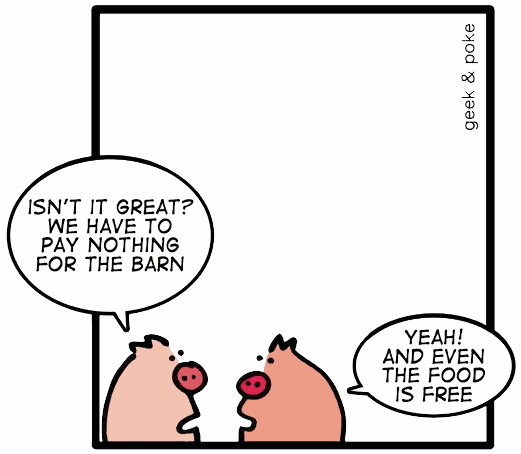
This movement towards alternatives highlights a growing desire among users for platforms that offer more control, transparency, and a greater sense of community ownership. The concept of "digital sharecropping," where users contribute content and data to a platform without true ownership or control, became a more salient critique. Proponents of decentralization argue that distributed models, while potentially more complex to navigate, offer a more survivable and democratic path for online communities, insulating them from the unilateral decisions of a single corporate entity or individual. This shift signifies a potential inflection point in social media, challenging the dominance of mega-platforms and exploring models that prioritize user empowerment and community governance.
Broader Implications for the Social Media Landscape
The transformation of Twitter into X under Elon Musk’s ownership carries significant broader implications for the entire social media industry. Firstly, it has underscored the immense power wielded by a single individual or corporation over a global communication platform. The rapid, top-down changes demonstrated how quickly a platform’s identity, policies, and culture can be altered, affecting millions of users and numerous stakeholders. This raises critical questions about accountability, governance, and the concentration of power in the digital realm.
Secondly, the events at X have intensified the debate around business models for social media. The struggle to diversify revenue away from a primary reliance on advertising, coupled with the challenges of subscription-based models, highlights the financial pressures platforms face. It suggests that a sustainable future for social media may require innovative approaches that align user value with economic viability, perhaps through more direct user contributions or novel forms of decentralized ownership.
Thirdly, the controversies surrounding content moderation and free speech on X have served as a stark reminder of the ongoing societal challenge to balance expression with safety. The increased visibility of harmful content has prompted renewed calls for regulatory oversight, more robust industry standards, and a re-evaluation of how platforms manage complex ethical dilemmas. This saga will undoubtedly influence how future social media platforms are designed, moderated, and regulated globally.
Finally, the rise of decentralized alternatives signals a potential paradigm shift. While traditional centralized platforms continue to dominate, the renewed interest and investment in federated and open-source models suggest a growing demand for resilience, transparency, and user control. The long-term success of these alternatives will depend on their ability to scale, provide a compelling user experience, and address the inherent complexities of distributed governance.
In conclusion, Elon Musk’s acquisition and subsequent reshaping of Twitter into X represents more than just a corporate takeover; it is a profound case study in the evolving dynamics of social media. It has laid bare the vulnerabilities of centralized digital spaces, ignited critical conversations about free speech and content moderation, and accelerated the exploration of alternative, decentralized models for online interaction. The full, long-term impact on global communication and the future of digital public squares remains to be seen, but the lessons learned from this period of intense disruption will undoubtedly shape the internet for years to come.
About the Author