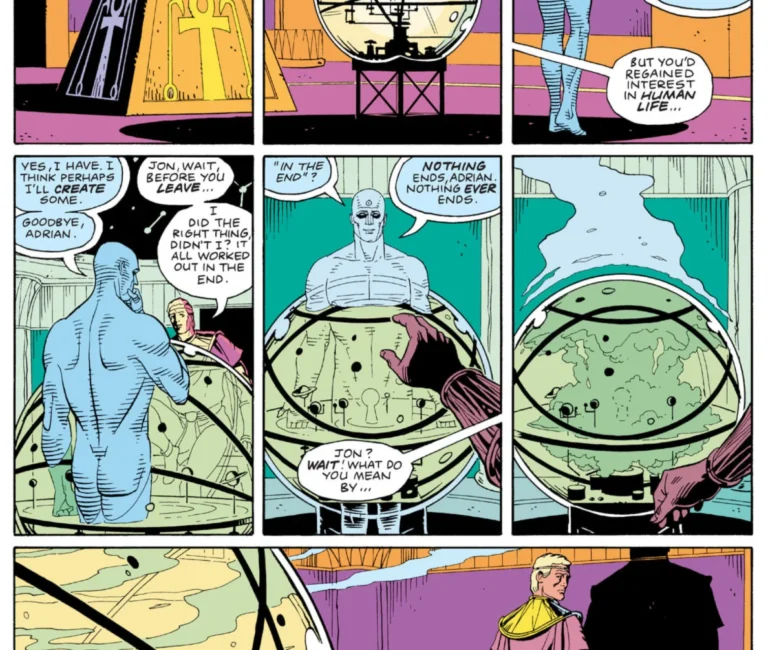
The acquisition of Twitter by Elon Musk in October 2022 marked a pivotal moment in the history of social media, initiating a period of profound transformation that has reshaped the platform now known as X. This dramatic shift has not only sparked widespread debate about the future of centralized digital public squares but has also reinvigorated calls for more robust, user-controlled, and decentralized alternatives. The changes implemented under Musk’s ownership, from significant policy overhauls and staffing reductions to a complete rebranding, have prompted a critical re-evaluation of how online communities are governed and sustained, and the inherent vulnerabilities of platforms beholden to a single proprietor.
A Tumultuous Acquisition: The Road to X
Elon Musk’s journey to acquire Twitter was fraught with twists and turns, beginning with his initial accumulation of shares in early 2022. By April, he had made an unsolicited offer to buy the company for $44 billion, citing a desire to unlock its "extraordinary potential" as a global platform for free speech. This proposal was initially met with resistance, including the implementation of a "poison pill" defense by Twitter’s board. However, after a period of intense legal maneuvering, including Musk’s attempt to withdraw his bid, the deal was eventually finalized on October 27, 2022. Musk’s stated vision for the platform included combating spam bots, authenticating all human users, and transforming it into an "everything app" akin to China’s WeChat. The acquisition was immediately followed by a series of radical changes, signaling an abrupt departure from the company’s previous operational and cultural norms.

Chronology of Change: Key Milestones Under New Ownership
The transition under Elon Musk’s leadership was characterized by rapid and often controversial decisions. Within days of the acquisition, Musk initiated mass layoffs, significantly reducing Twitter’s workforce across engineering, sales, and, critically, content moderation teams. Estimates suggest that by late 2022, the company’s employee count had dwindled from approximately 7,500 to around 2,300, raising immediate concerns about the platform’s ability to maintain stability and police harmful content.
A major policy shift involved the overhaul of the verification system. The legacy blue checkmark, previously indicating authenticated notable accounts, was replaced by "Twitter Blue," a subscription service offering verification alongside other premium features. This change led to widespread impersonation issues and confusion, particularly for brands and public figures. Additionally, several previously banned accounts, including that of former U.S. President Donald Trump, were reinstated following user polls or Musk’s direct directives, further fueling debates about content moderation standards and the platform’s commitment to combating hate speech and misinformation.
The most visible transformation occurred in July 2023 when Twitter was officially rebranded to "X." This move, accompanied by the iconic blue bird logo being replaced by a stark white ‘X’, was part of Musk’s broader vision to create an "everything app" that integrates social networking, payments, and various other services. The rebranding, however, was met with mixed reactions, with many users and long-time observers expressing a sense of loss for the familiar brand identity and the cultural cachet Twitter had built over more than a decade. Throughout this period, reports of technical glitches, increased spam, and changes in the algorithmic prioritization of content became more frequent, impacting overall user experience and platform stability.

Navigating the Aftermath: Data and Dissent
The period following the acquisition has seen significant shifts in advertiser confidence, user engagement, and the platform’s overall integrity. A substantial exodus of advertisers began almost immediately, driven by concerns over brand safety amidst reduced content moderation, the reinstatement of controversial accounts, and Musk’s often provocative public statements. According to reports from Insider Intelligence, X’s advertising revenue was projected to decline by over 50% in 2023, falling to below $3 billion from its peak. Major brands like General Motors, Pfizer, and United Airlines either paused or significantly reduced their spending on the platform, contributing to a severe financial downturn.
While X continues to boast a large user base, anecdotal evidence and some analytical reports suggest changes in user activity and sentiment. Surveys conducted by organizations like the Pew Research Center indicated that a notable percentage of regular Twitter users had reduced their usage or considered leaving the platform. Many reported an increase in problematic content, including hate speech, harassment, and misinformation. Research by groups such as the Anti-Defamation League (ADL) and academic institutions highlighted a significant rise in hate speech on the platform post-acquisition, further exacerbating concerns among civil rights groups and advertisers.
The challenges in content moderation have been particularly acute. With a drastically reduced staff, the platform has struggled to enforce its own policies effectively. This has led to accusations of inconsistent moderation, with some critics arguing that the platform has become a more permissive environment for extremist views. The shift away from API access for third-party developers also caused disruptions, affecting researchers, journalists, and tools vital for monitoring platform health and trends. The financial performance of X remains largely opaque as a private company, but public statements from Musk and internal reports leaked to the media have indicated ongoing struggles to stabilize revenue and profitability.
The Philosophical Debate: Centralization vs. Decentralization
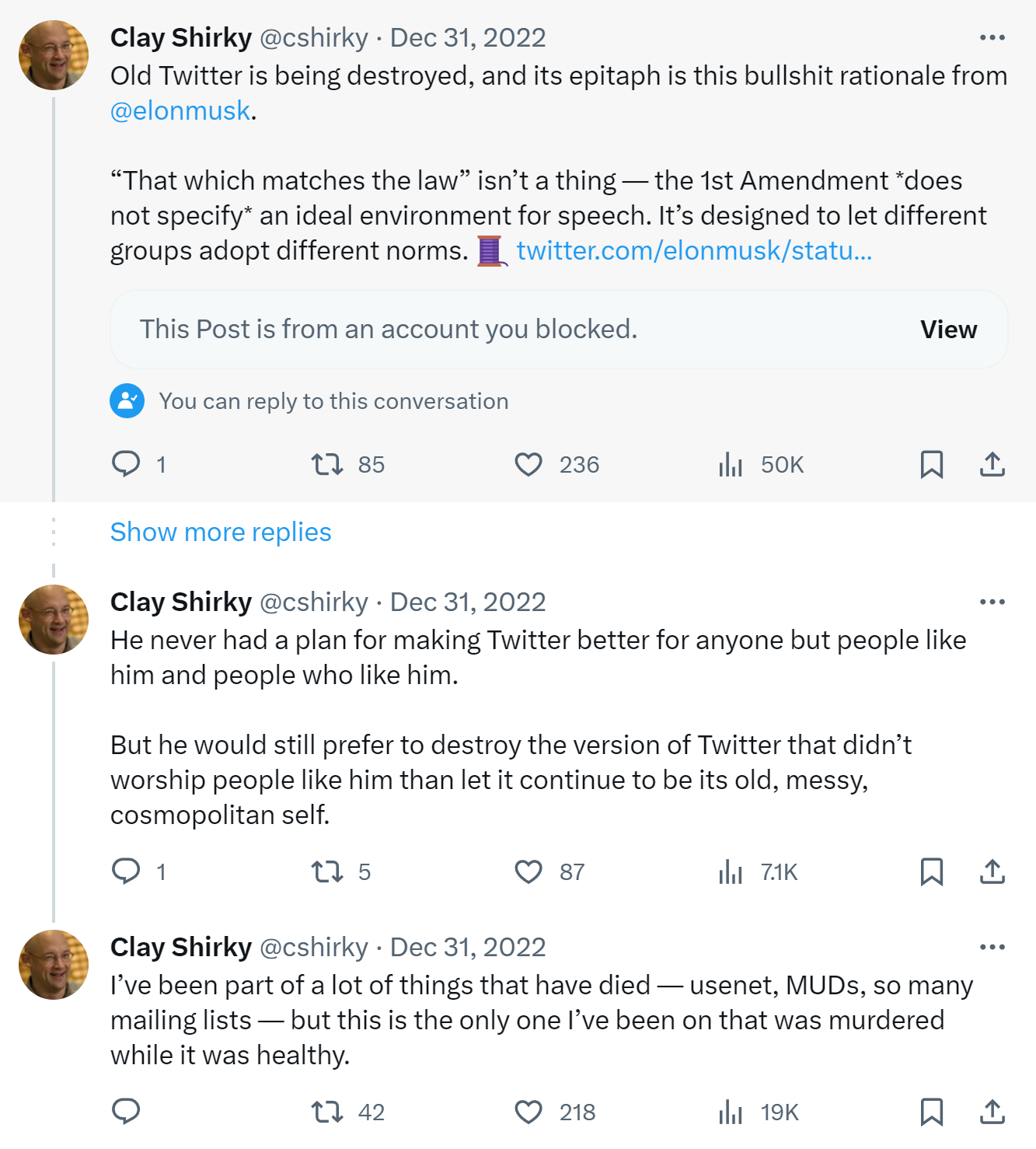
The tumultuous transformation of Twitter into X has intensified a long-standing philosophical debate within the tech community regarding the structure and governance of online social spaces: the inherent tension between centralized control and decentralized user empowerment. The experience of Twitter under new ownership has served as a stark case study, highlighting the vulnerabilities that arise when a global public square is placed under the unilateral control of a single entity or individual.
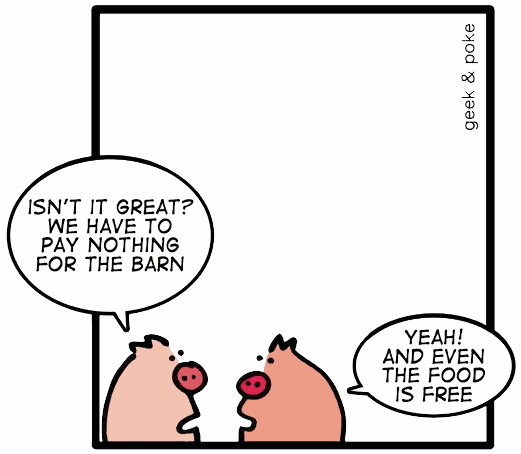
Critics of highly centralized platforms argue that such models inherently create "digital sharecroppers," where users contribute content, data, and engagement, but ultimately lack genuine ownership or control over the infrastructure, policies, or even the continued existence of their digital communities. This vulnerability became acutely apparent as users witnessed rapid, top-down changes to moderation, features, and even the platform’s identity, with little recourse or transparency. The ideal of a "town square" for democratic discourse, often invoked by proponents of centralized social media, faces significant challenges when the square’s proprietor can arbitrarily change the rules, exclude participants, or alter the very nature of public interaction. Sociological observations, sometimes referencing concepts like Dunbar’s Number (suggesting a cognitive limit to the number of stable social relationships an individual can maintain), reinforce the idea that massively scaled, undifferentiated platforms may inherently struggle to foster healthy, coherent communities, often devolving into chaotic or adversarial environments.
This environment has significantly fueled the appeal and growth of decentralized alternatives. Mastodon, an open-source, federated social network, has emerged as a prominent example. Unlike Twitter/X, Mastodon operates not as a single platform, but as a network of independently run servers, or "instances," that can communicate with each other using the ActivityPub protocol. Users choose an instance to join, which defines their local community and moderation policies, while still being able to follow and interact with users on other instances. This federated model offers several key advantages:
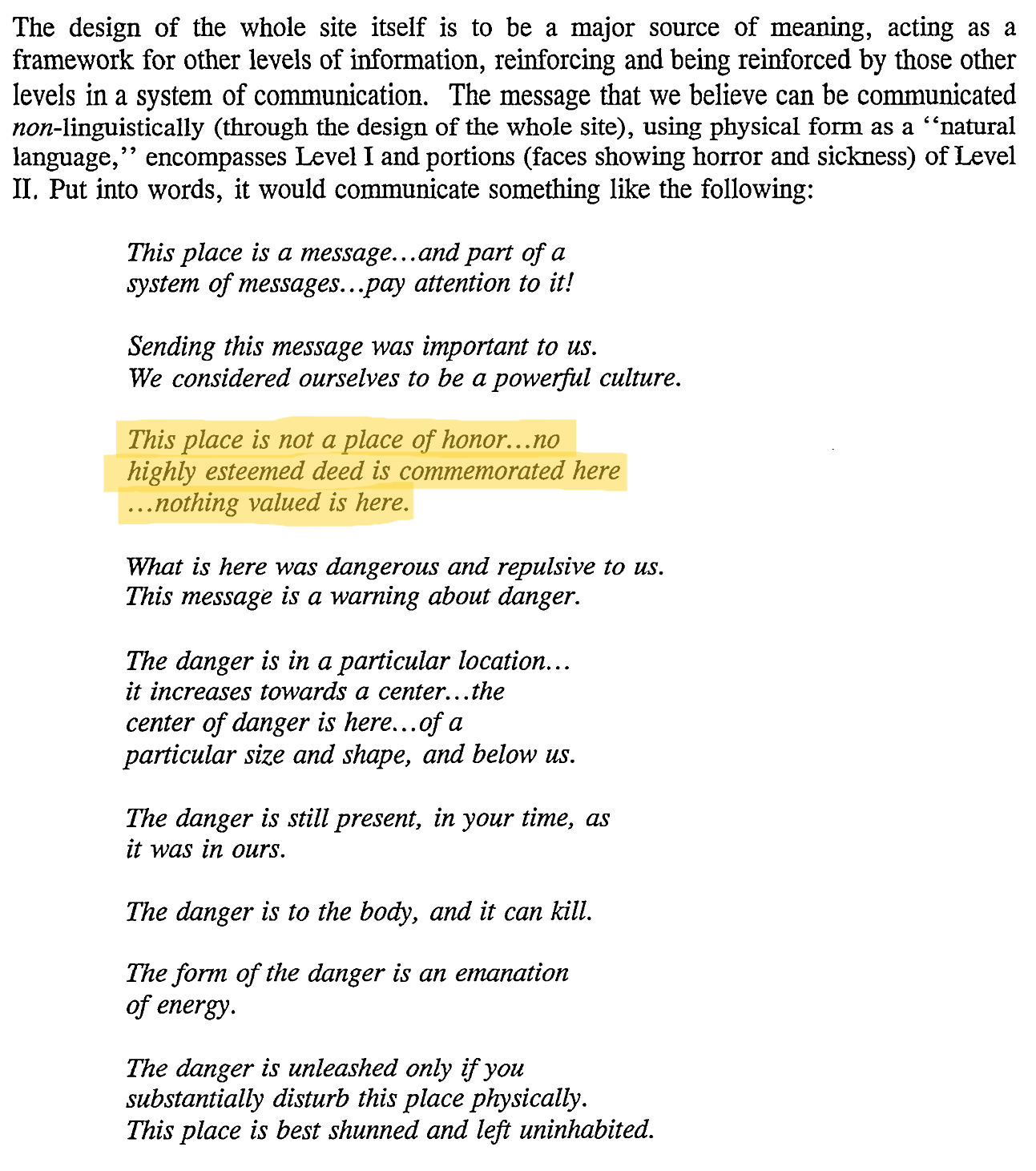
- User Control: Users choose an instance whose rules and community values align with their preferences.
- Resilience: No single point of failure; if one instance goes down, the rest of the network remains operational.
- Censorship Resistance: While individual instances can moderate their content, no central authority can impose global censorship or policy changes across the entire network.
- Community Governance: Instances are often run by volunteers or small organizations, fostering a more community-driven approach to moderation and development.
Beyond Mastodon, other decentralized and federated initiatives are gaining traction. Bluesky, developed with support from Twitter co-founder Jack Dorsey, aims to build a "decentralized social protocol" (AT Protocol) that allows for interoperable social applications. Even Meta’s Threads, while currently centralized, has announced intentions to integrate with the ActivityPub protocol in the future, signaling a broader industry recognition of the benefits of federation. These developments suggest a growing consensus that the future of healthy online interaction may lie in distributed models that empower users and communities rather than concentrating power in the hands of a few.
Implications for Digital Discourse and Mental Health
The profound changes on Twitter/X, coupled with the renewed interest in decentralized alternatives, carry significant implications for the landscape of digital discourse and the mental well-being of users. The shift in content moderation policies and algorithmic priorities on X has demonstrably altered the flow of information and opinion. Concerns have been raised by academics and civil society organizations about the potential for increased amplification of misinformation, hate speech, and extremist content, as moderation efforts are perceived to have weakened. This can create a more polarized and hostile environment, making it challenging for users to discern credible information and engage in constructive dialogue.
From a mental health perspective, the environment on social media platforms plays a crucial role. Studies have consistently linked exposure to online toxicity, cyberbullying, and the constant barrage of negative or inflammatory content to increased stress, anxiety, and depression among users. When a platform’s governance shifts to prioritize "absolute free speech" without robust moderation, the onus falls more heavily on individual users to navigate potentially harmful interactions. This can lead to digital fatigue, a sense of helplessness, and a decision to withdraw from public online spaces altogether to protect one’s mental health. The original author’s strong recommendation to "disavow Twitter and never look at it again" reflects a sentiment shared by many who prioritize their well-being over continued engagement with a platform perceived as increasingly detrimental.
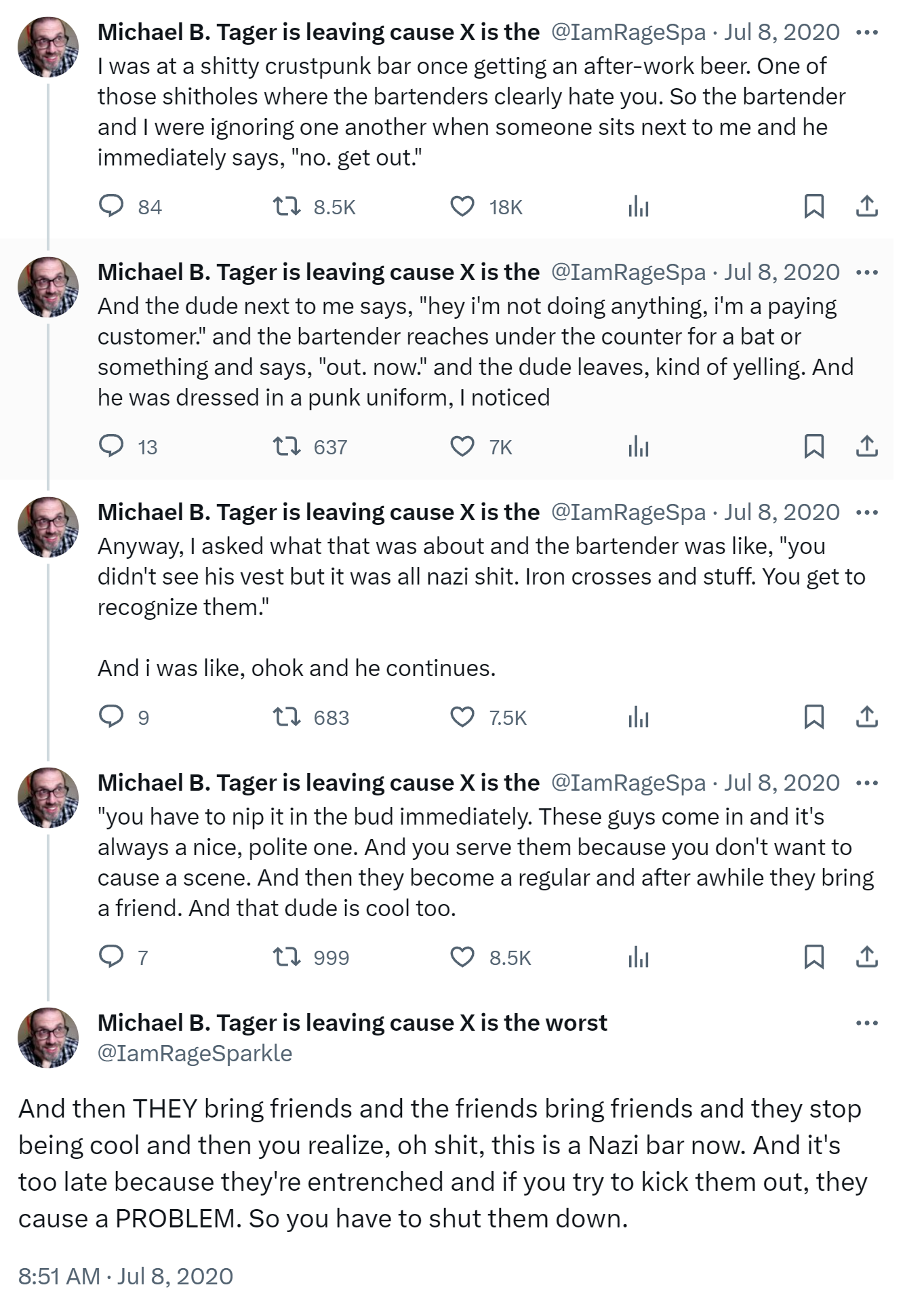
Conversely, the push towards decentralized, community-moderated platforms offers a different paradigm. By allowing communities to set and enforce their own standards, these platforms aim to foster environments that are more aligned with their members’ values. This localized control can lead to more civil discourse, reduced exposure to harmful content, and a greater sense of belonging and safety. When users have a say in the governance of their digital spaces, or can easily migrate to a community that better serves their needs, it empowers them to cultivate healthier online experiences. This model emphasizes user agency and ownership, moving away from a passive consumption model towards active participation in shaping the digital commons. The debate over Twitter’s transformation underscores the critical need for social platforms that not only facilitate communication but also actively protect and promote the mental and emotional health of their participants.
The Path Forward: Challenges and Opportunities for Decentralized Networks
While the appeal of decentralized social networks like Mastodon is growing, particularly in light of the perceived shortcomings of centralized platforms, the path forward is not without its challenges. These nascent ecosystems face hurdles in terms of scalability, user experience, and widespread adoption.
One significant challenge is discoverability and onboarding. Centralized platforms benefit from network effects, where most users are concentrated in one place, making it easy to find friends and content. In a federated model, users must choose an instance, which can be daunting for newcomers unfamiliar with the concept. The fragmentation across multiple servers, while offering resilience, can also make it harder for individual users to connect with a broader audience unless they understand how to navigate the "fediverse."
Moderation across instances also presents complexities. While individual instances can enforce their own rules, the interconnected nature of the fediverse means that instances with vastly different moderation philosophies can interact. This necessitates tools and policies for instances to "defederate" or block problematic servers, a process that requires effort and coordination. Without robust and consistent moderation, there is a risk that some decentralized spaces could become havens for harmful content, undermining the overall appeal.
Despite these challenges, the opportunities presented by decentralized social networks are substantial. Their inherent resilience against single-point-of-failure events, whether technical or managerial, offers a more stable long-term outlook. The censorship resistance built into their architecture empowers communities to maintain their voices even in the face of pressure from powerful entities. Moreover, the community-driven governance model fosters innovation and responsiveness, as development and policy decisions can be more closely aligned with user needs rather than corporate profit motives.
The open-source nature of many decentralized platforms, such as Mastodon, encourages transparency and collaborative development. This collaborative ethos can lead to more robust features, better security, and a platform that truly evolves with its users. The concept of "collective ownership" of content and communities, as advocated by projects like Discourse, moves beyond the "free" service model that often comes with hidden costs of data exploitation or loss of control. Users are increasingly recognizing that investing time, and sometimes even financial resources, into platforms that respect their autonomy and data is a worthwhile endeavor for a healthier digital future.

Conclusion: A Shifting Landscape
The dramatic evolution of Twitter into X under Elon Musk’s ownership has undeniably served as a catalyst for a broader re-evaluation of social media’s role in society. What began as a platform for microblogging and instant global communication has transformed into a stark illustration of the perils inherent in centralized digital public squares. The rapid policy shifts, mass layoffs, and rebranding decisions have underscored the vulnerability of user communities and public discourse when control rests solely with a single proprietor.
This tumultuous period has, paradoxically, provided a powerful impetus for exploring and adopting decentralized alternatives. The arguments for federated, open-source models that empower users with greater control over their data, communities, and digital experiences have gained significant traction. Platforms like Mastodon represent a growing movement towards online spaces that prioritize resilience, community-driven moderation, and a democratic approach to governance, offering a stark contrast to the top-down control seen on X.
While the transition to decentralized networks presents its own set of challenges, including issues of scalability and user adoption, the long-term benefits—such as enhanced resilience, censorship resistance, and improved mental well-being through community-aligned moderation—are increasingly compelling. The ongoing debate is not merely about which platform users prefer, but about the fundamental architecture of our digital lives. As the social media landscape continues to evolve, the shift towards models that empower users and communities, rather than treating them as passive consumers, signals a critical turning point in the quest for a more democratic, resilient, and humane digital future. The choice between centralized control and decentralized empowerment will ultimately shape how we connect, share, and interact in the years to come.
About the Author