
The digital landscape, once characterized by lean, rapidly loading pages, has undergone a profound transformation, evolving into an increasingly bloated and resource-intensive environment. This phenomenon, often dubbed the "website obesity crisis," has fueled a widespread reliance on ad-blocking technologies among internet users seeking a smoother, faster, and less intrusive browsing experience. However, a significant shift is underway as Google, the dominant force in both web browsing and online advertising, moves to restrict the capabilities of ad blockers within its Chrome browser, igniting a debate over user control, web performance, and the future of online monetization.
The Expanding Web: A Decade of Digital Bloat

A decade ago, the concept of web performance was already a topic of discussion, with some commentators, like the author of "App-pocalypse Now" in 2014, suggesting the web’s enduring future. While the web’s dominance indeed persists, its very nature has changed dramatically. Websites have grown considerably "fatter," accumulating layers of code, media, and third-party scripts that drastically increase page load times and data consumption.
This bloat is not merely an aesthetic concern but a tangible issue impacting user experience, device battery life, and data plan consumption. While nostalgia for the rudimentary HTML 1.0 era might be irrational, the legitimate concerns about web performance are well-articulated. Maciej Cegłowski, in his influential 2015 talk "The Website Obesity Crisis," starkly highlighted the issue, noting how easily websites could be optimized for speed if not for external pressures. He famously asserted that he could rewrite complex sites to load in under a second within hours, a task he believes most developers could accomplish if not for client demands for extensive tracking, advertisements, and social media integrations. This points to a systemic problem where conventional web development priorities have shifted away from minimalist efficiency.
The dramatic impact of this bloat is illustrated by a striking example: an NPR article, when accessed in a standard web browser, was found to be a staggering 12 megabytes in size. The identical article, viewed with a basic ad blocker enabled, shrank to just 1 megabyte. This twelve-fold reduction underscores the immense payload contributed by advertising and its associated tracking technologies, positioning ad blockers not as mere conveniences but as essential tools for managing web performance. This data challenges the traditional advice to keep websites lean for mobile devices, as even modern, powerful smartphones—like the iPhone XS which has demonstrated performance exceeding many desktops and laptops in JavaScript benchmarks—still struggle under the weight of excessive ad content. The problem, therefore, is not primarily "web bloat" in a general sense, but rather the pervasive and often unchecked proliferation of advertising technologies.

The Advertising Engine: Fueling the Web’s Growth and Its Challenges
The advertising industry has been the primary economic engine driving the free internet. From early banner ads to sophisticated programmatic advertising, the "ad tech" ecosystem has evolved into a multi-billion dollar industry. This evolution has led to a complex web of trackers, analytics scripts, and real-time bidding platforms that, while designed to deliver personalized and effective advertising, also significantly contribute to the "fatness" of modern websites. These scripts often execute complex operations, consume considerable bandwidth, and introduce security vulnerabilities, all before the user can even access the primary content.
The widespread adoption of ad blockers serves as a clear indictment of the current state of online advertising. User data consistently shows ad blockers among the most popular browser extensions across platforms. According to various reports, ad blocker usage has steadily climbed, with estimates indicating that over 40% of internet users globally employ some form of ad-blocking software. This widespread adoption is a direct response to intrusive ads, slow page loads, and privacy concerns associated with extensive tracking.

A Chronology of Web Performance and Ad Blocking
The journey from a lightweight web to the current "obesity crisis" can be traced through several key developments:
- Early 2000s: The web was relatively simple. HTML, CSS, and basic JavaScript formed the backbone. Adverts were often static images or simple Flash animations, having minimal impact on page load.
- Mid-2000s – Early 2010s: The rise of Web 2.0 introduced dynamic content, social media integration, and more sophisticated analytics. Ad networks grew in complexity, leading to the first significant complaints about slow loading and intrusive ads. Ad blockers like Adblock Plus began gaining traction.
- 2014: The original "App-pocalypse Now" article hints at the growing complexity, though still favoring the web over native apps. Maciej Cegłowski’s "The Website Obesity Crisis" talk brought significant attention to the problem of web bloat.
- Late 2010s: The ad tech industry exploded, with numerous third-party scripts vying for user attention and data. Page sizes continued to balloon. Simultaneously, mobile browsing surpassed desktop, making page load speed even more critical due to varying network conditions.
- May 2019: Google announced significant changes to its Chrome browser’s extension platform, known as Manifest V3. These changes, slated for gradual implementation, include the deprecation of the
webRequestAPI’s blocking capabilities for most extensions, directly impacting the functionality of many popular ad blockers.
The Technical Battleground: Manifest V3 and the webRequest API

Google’s decision to "clamp down" on ad blockers in Chrome is centered on its Manifest V3 update. Previously, ad blockers extensively utilized the webRequest API, which allowed them to intercept, modify, and block network requests before they even reached the browser. This powerful capability enabled highly efficient ad blocking, preventing unwanted content from loading entirely, thus saving bandwidth and processing power.
Under Manifest V3, Google intends to restrict the webRequest API’s blocking capabilities for most extensions, pushing developers towards a new declarativeNetRequest API. While Google states that this shift is aimed at improving security, privacy, and performance by limiting extensions’ access to sensitive user data and reducing their potential impact on browser speed, critics argue it also significantly weakens the efficacy of ad blockers.
Raymond Hill, the developer of uBlock Origin, one of the most popular ad-blocking extensions, voiced strong concerns following Google’s announcement. He posited that Google’s strategy has always been to balance user adoption of Chrome with protecting its core advertising business. With Chrome now the dominant browser, Hill suggests Google is leveraging its position to "shift the optimal point" in its favor. He argues that the deprecation of the webRequest API’s blocking ability is a move to regain control over content blocking and potentially collect more detailed information on how web pages are filtered, data that could be valuable to Google’s advertising operations.
The implications for ad blockers are substantial. While the declarativeNetRequest API allows extensions to specify rules for blocking requests, it operates on a more limited, pre-defined set of rules managed by the browser itself. This could reduce the flexibility and dynamic filtering capabilities of advanced ad blockers, making them less effective against evolving ad techniques. Furthermore, it imposes stricter limits on the number of filtering rules an extension can apply, potentially leaving many ads and trackers unblocked.
Industry Reactions and the Broader Implications for Users and Publishers
The announcement of Manifest V3 has sparked a mixed reaction across the tech industry. Privacy advocates and independent developers largely expressed alarm, viewing it as a move that consolidates Google’s power and undermines user choice and privacy. Mozilla, the developer of the Firefox browser, while also moving to Manifest V3, has indicated that it intends to maintain support for the webRequest API’s blocking capabilities, signaling a divergence in strategy from Google. This suggests that the debate over extension capabilities and user control is far from settled.

From Google’s perspective, the changes are framed as necessary for a more secure and performant browser ecosystem. By limiting the power of extensions, Google aims to reduce the risk of malicious extensions, improve overall browser stability, and ensure that extensions do not unduly slow down browsing. This narrative, however, often clashes with the reality of users who perceive ad blockers as essential tools for improving their browsing experience rather than hindering it.
The economic implications for the ad-blocking industry are also noteworthy. Companies like Eyeo GmbH, which owns AdBlock and uBlock (distinct from uBlock Origin), have built substantial businesses around ad blocking. Eyeo’s "Acceptable Ads" program, which allows certain "non-intrusive" ads to bypass blocking in exchange for payment, has been a controversial aspect of the ad-blocking ecosystem. Google’s participation in this program, funneling significant funds to ad blockers, highlights the complex financial relationships that exist, blurring the lines between blocking and facilitating advertising. This intricate dance reveals that even within the ad-blocking sphere, commercial interests can influence policy, further complicating the user’s quest for an ad-free web.
For publishers, the situation presents a dilemma. While ad revenue is critical for sustaining free content, aggressive advertising practices drive users to ad blockers, creating a vicious cycle. The impending restrictions on ad blockers in Chrome could, in theory, lead to a temporary increase in ad visibility and revenue for publishers. However, it could also push users towards alternative browsers that offer stronger ad-blocking capabilities or towards network-level solutions, ultimately undermining the effectiveness of browser-based ad systems. The broader implication is a potential shift in the balance of power, giving more control to browser vendors (and by extension, major ad platforms) over what users see online.
Network-Level Defense: Pi-Hole as a Decentralized Solution
Amidst the growing web obesity crisis and the looming restrictions on browser-based ad blockers, a robust, network-level solution has gained significant traction: Pi-Hole. This open-source project offers a powerful alternative for users seeking comprehensive ad and tracker blocking across their entire home network, independent of browser-specific limitations.
Pi-Hole functions as a DNS (Domain Name System) sinkhole. By installing and configuring it on a low-power device like a Raspberry Pi, users can effectively filter out unwanted domains at the network level. When a device on the network attempts to resolve the domain of an ad server or tracking script, Pi-Hole intercepts the request and blocks it, preventing the content from ever reaching the device. This approach offers several distinct advantages over traditional browser extensions:
- Network-Wide Coverage: Once configured, Pi-Hole protects every device connected to the network—smartphones, tablets, smart TVs, IoT devices, and traditional computers—without needing individual browser extensions or app configurations.
- Efficiency: Blocking at the DNS level means ads and trackers are stopped before any data is downloaded. This significantly reduces bandwidth usage, speeds up page load times, and conserves battery life, often more effectively than browser extensions that filter content after it has already begun loading.
- Privacy Enhancement: Beyond ads, Pi-Hole can block telemetry, analytics, and malicious domains, significantly enhancing privacy by preventing devices from phoning home to various tracking services.
- Decentralized Control: It offers users a greater degree of control over their internet experience, moving away from reliance on browser vendors or commercial ad-blocking entities.
- Caching DNS: Pi-Hole also acts as a caching DNS server, speeding up subsequent requests for frequently accessed domains, further enhancing network performance.
Setting Up Your Digital Gatekeeper: A Practical Guide to Pi-Hole
Setting up a Pi-Hole is surprisingly straightforward, typically taking about an hour for a moderately tech-savvy user. The core components required are minimal: a Raspberry Pi (any model with a wired Ethernet port is recommended, though a 3B+ with native gigabit Ethernet offers superior performance), a power supply, an SD card, and an Ethernet cable.
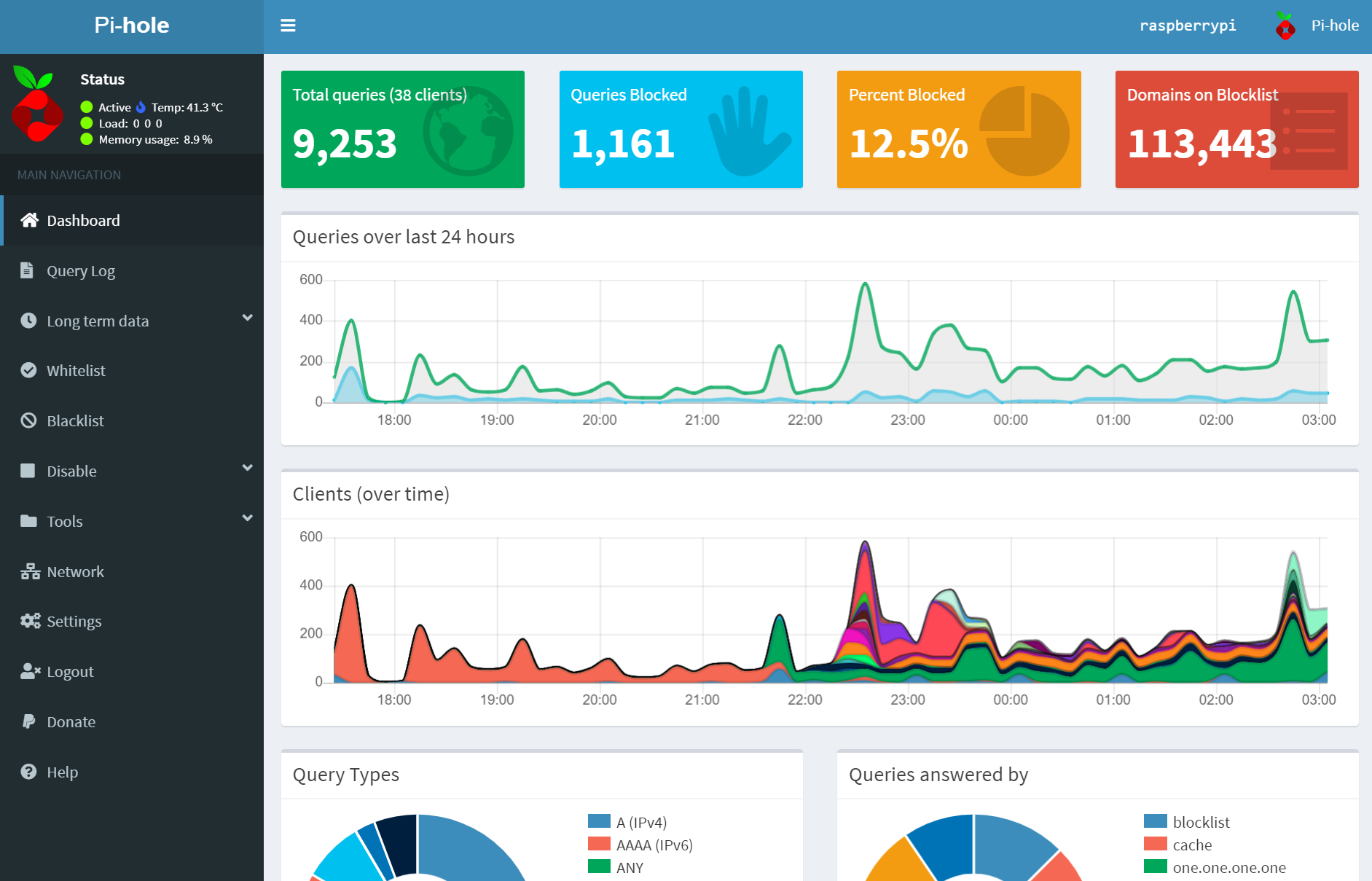
The installation process generally involves flashing an operating system (like Raspberry Pi OS Lite) onto the SD card, connecting the Pi to the network, and then running a simple installation script for Pi-Hole. Once the initial setup is complete, users are greeted with a slick web-based graphical user interface (GUI) that provides real-time statistics on blocked queries, top blocked domains, and network activity.

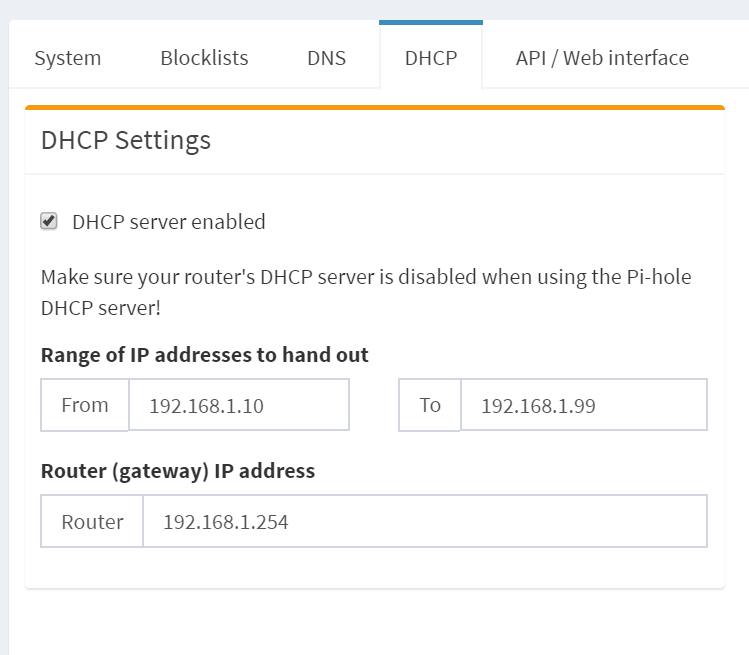
The key to network-wide blocking lies in configuring the home router. By disabling the router’s default DHCP (Dynamic Host Configuration Protocol) server and assigning this role to the Pi-Hole, all devices on the network will automatically receive their network configurations, including DNS server addresses, directly from the Pi-Hole. This ensures that all DNS queries from every connected device are routed through the Pi-Hole for filtering against its extensive blacklists.
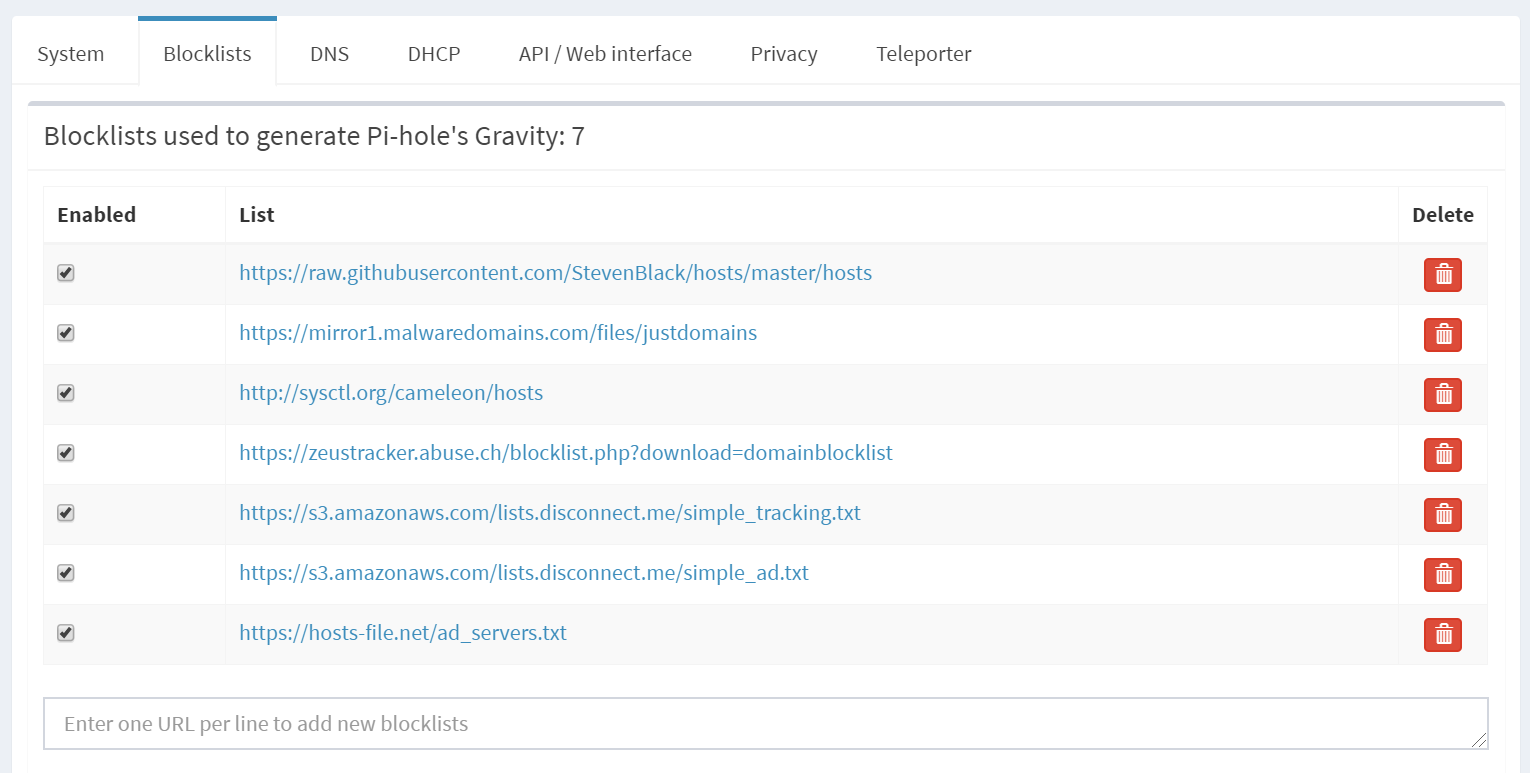
The Pi-Hole’s blacklists are regularly updated and can be customized by users, allowing for fine-grained control over what gets blocked and what is permitted. In cases where a legitimate site might be inadvertently blocked, the web GUI offers easy whitelisting functionality. For users concerned about stability, options exist to enhance reliability, such as adding a battery-backed USB plug for power resilience or even setting up a second Pi-Hole as a secondary DNS server for redundancy. The flexibility and ease of reverting to standard DNS settings (by simply unplugging the Pi and re-enabling the router’s DHCP server) make Pi-Hole an accessible solution for experimentation.
The Future of Ad Blocking and Web Autonomy

The ongoing "website obesity crisis" and Google’s strategic shift with Manifest V3 underscore a critical juncture for the internet. As the lines between content delivery and advertising become increasingly blurred, and as major platforms exert more control over the browsing experience, the need for user autonomy and effective content filtering becomes paramount.
Pi-Hole represents a powerful step towards reclaiming that autonomy. It moves the battle against intrusive advertising and tracking from the browser, where it is subject to vendor policies, to the network’s edge, placing control firmly in the hands of the user. This shift ensures a consistent, high-performance, and privacy-respecting internet experience across all devices on a home network, largely immune to changes in browser extension policies.
As the digital landscape continues to evolve, the demand for robust, decentralized solutions like Pi-Hole is likely to grow. It offers a tangible and effective counter-measure to the forces driving web bloat and advertising overreach, providing users with a truly "glorious web ad instant weight loss program" for their entire network with minimal effort. It is, for many, the ultimate exercise program for a healthier, faster, and more private internet experience.
About the Author