The Witcher 2: Assassins of Kings, developed by CD Projekt Red, stands as a pivotal entry in the acclaimed Witcher series, celebrated primarily for its deeply intricate narrative, complex character writing, and morally ambiguous choices. While discussions among gaming communities often acknowledge certain mechanical aspects, particularly its combat system, as less universally praised, the game’s storytelling prowess remains its undisputed cornerstone, frequently cited as a masterpiece of interactive fiction. Released in 2011, this action RPG distinguished itself by delivering a tightly paced, focused, and dynamic narrative that seamlessly integrates player decisions into a sprawling tale of political unrest, racial prejudice, and personal vendettas. The strength of its writing shines most brightly in its sharp, often sarcastic, and uncomfortably realistic dialogue, which lends profound depth to its morally complicated characters and effectively captures the tumultuous essence of a world where politics are messy and justice is a subjective, elusive concept.
The Genesis of a Narrative Masterpiece: From Novels to Game Development
The foundation of The Witcher 2‘s narrative excellence lies deeply rooted in Andrzej Sapkowski’s original book series, which introduced readers to a world brimming with moral grays, political machinations, and characters who defy easy categorization. CD Projekt Red’s commitment to translating this literary richness into an interactive medium was evident from their first Witcher title, but Assassins of Kings marked a significant leap forward in narrative ambition and execution. Following the critical success of The Witcher (2007), which established Geralt of Rivia’s world and introduced players to choice-driven storytelling, CD Projekt Red embarked on The Witcher 2 with a clear vision: to create a more polished, visually stunning, and narratively branching experience that would push the boundaries of RPG storytelling.
The development of The Witcher 2 saw CD Projekt Red transition to a proprietary game engine, the REDengine, which allowed for greater graphical fidelity, more expansive environments, and, critically, enhanced capabilities for crafting a seamless and immersive narrative. This technical leap, coupled with a dedicated writing team, enabled the developers to weave a story that felt both grand in scope and intensely personal. The game’s development timeline, spanning several years post-2007, was characterized by an emphasis on creating a more mature and sophisticated narrative that would appeal to an audience seeking deeper thematic engagement than typically found in the genre. This ambition was reflected in the decision to move away from the more linear structure of the first game, embracing truly divergent plot paths that fundamentally altered the player’s experience.
A Quest for Truth Amidst Political Turmoil: The Story of Geralt of Rivia
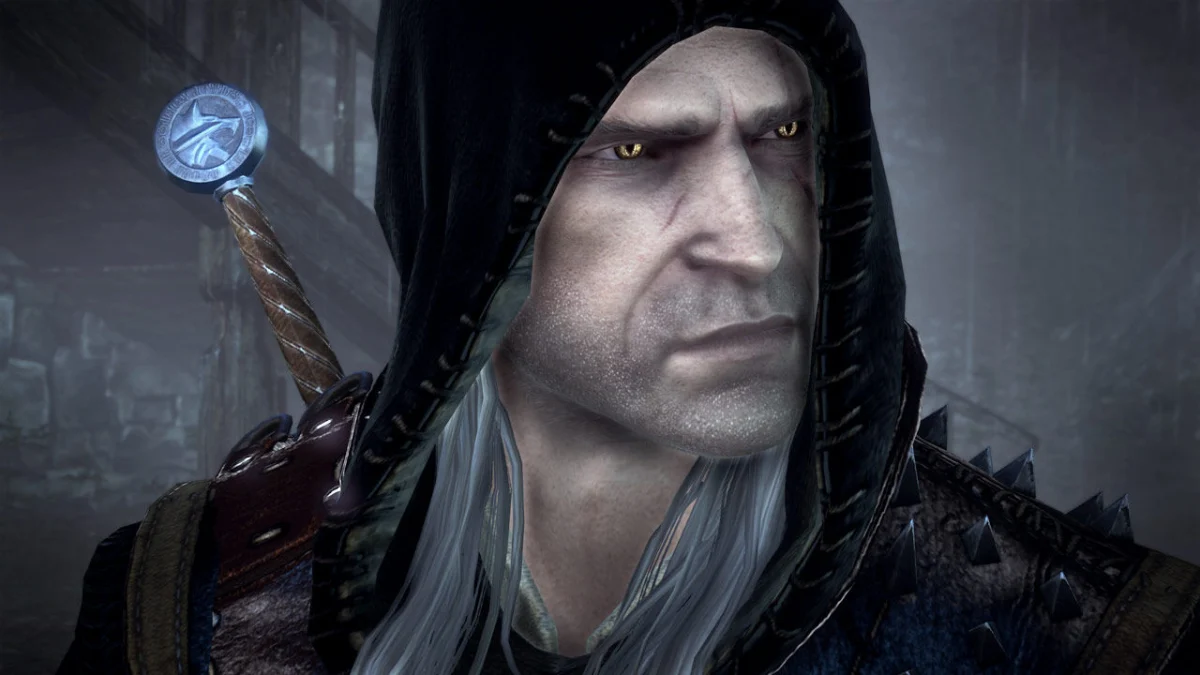
The Witcher 2: Assassins of Kings thrusts players into the role of Geralt of Rivia, a professional monster slayer (witcher), who finds himself embroiled in a far grander and more dangerous conflict than mere monster hunting. The story begins with Geralt serving as a bodyguard to King Foltest of Temeria. However, the king’s brutal assassination, for which Geralt is wrongly accused, ignites the central quest: to track down the true regicide and clear his name. This initial premise quickly unravels into a far wider conflict, drawing Geralt into the treacherous political landscape of the Northern Kingdoms. Rival kingdoms, powerful sorcerers, and dangerous factions, including the Scoia’tael (non-human guerillas) and various human armies, are all vying for power and influence, turning Geralt’s personal quest into a catalyst for large-scale geopolitical shifts.
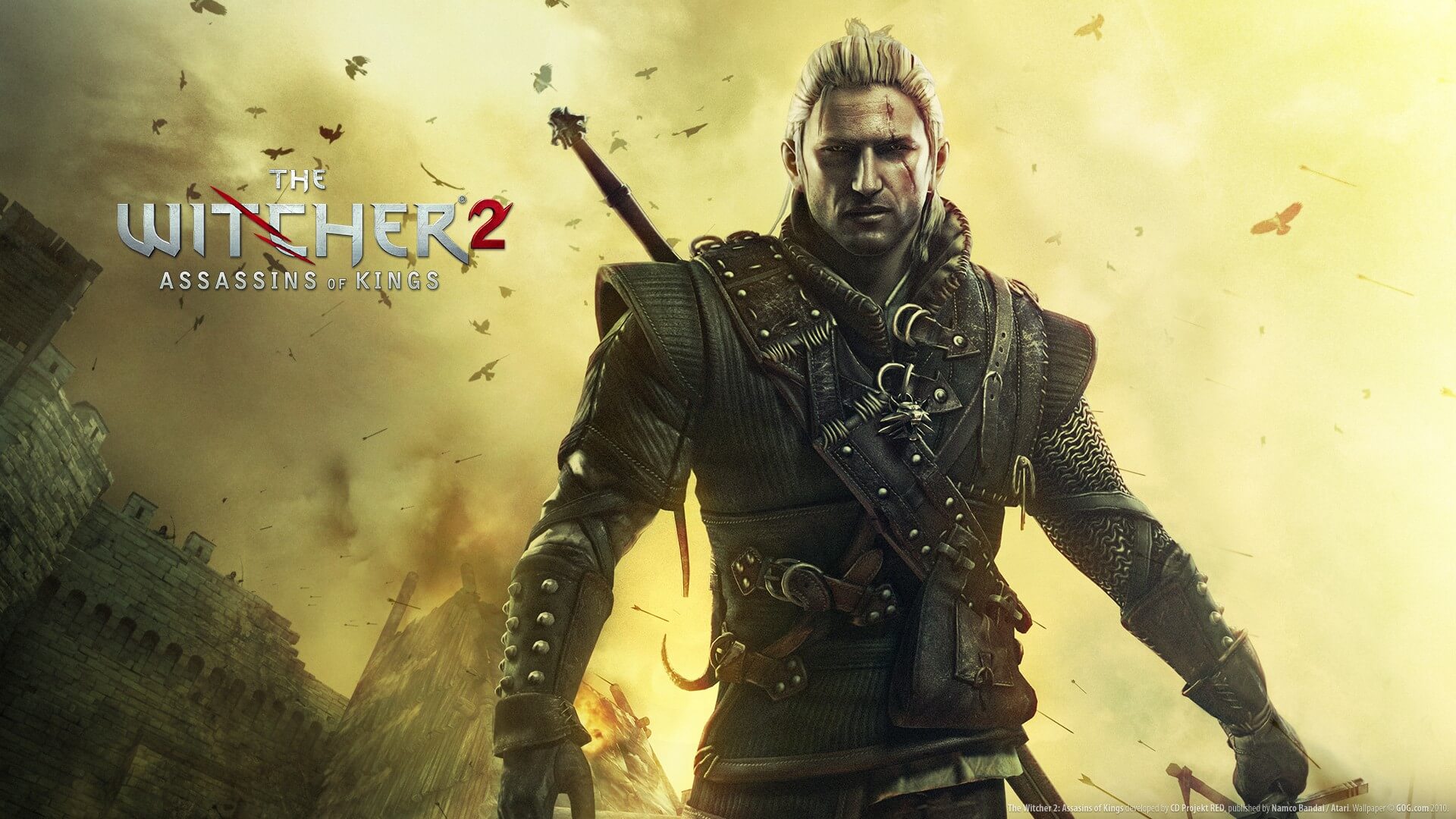
The narrative’s brilliance lies in its refusal to offer easy answers or clear-cut moral distinctions. As Geralt’s investigation progresses, he encounters a diverse cast of characters, each with their own competing loyalties, deeply held convictions, and often justifiable reasons for distrusting one another. This web of intrigue forces players to make difficult choices that carry significant weight, sending Geralt down radically different paths depending on his allegiances. The game expertly explores themes of political neutrality, the effects of compromise, and the devastating consequences of war and prejudice. Conversations throughout the game are not merely expositional; they are often intense, philosophical debates that highlight how individuals rationalize horrific acts, often convincing themselves that there are no better alternatives in a world perpetually teetering on the brink of chaos.
The Art of Dialogue: Giving Voice to a Fractured World
The dialogue in The Witcher 2 is widely regarded as one of its most compelling features, serving as the primary vehicle for character development, thematic exploration, and narrative progression. It is through these meticulously crafted exchanges that the game’s world truly comes alive, revealing the convictions, flaws, and motivations of its inhabitants.
-
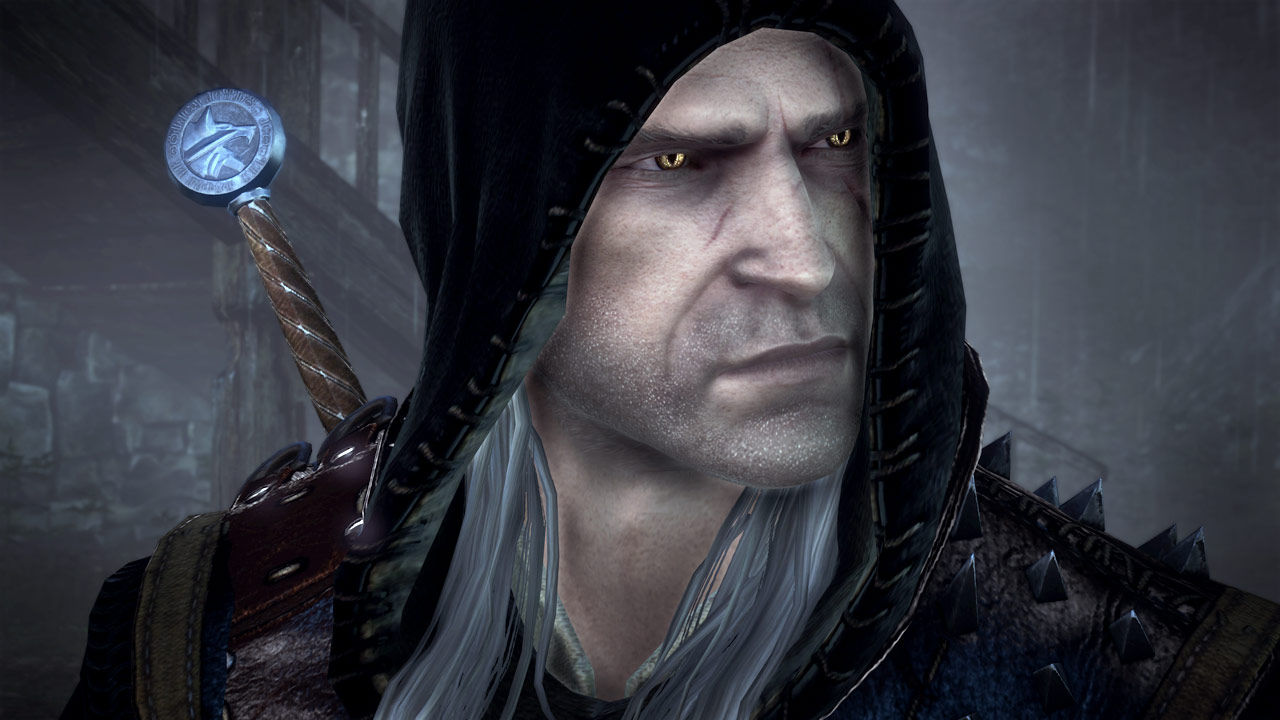
Geralt of Rivia: As the central protagonist, Geralt’s dialogue reflects his pragmatic, often reserved nature, yet subtly hints at the deep care he holds for those he chooses to protect. He is a man who judges creatures and people by their actions, not their species, a philosophy born from a lifetime of encountering moral ambiguity. His rare moments of tenderness or blunt honesty resonate powerfully precisely because they are not common, showcasing a character who is more than just a monster slayer—he is a moral compass struggling to find true north in a world devoid of it. His conversations often expose his struggle with maintaining neutrality, a witcher’s creed, when confronted with overwhelming injustice.
-
Vernon Roche: Commander of the Temerian Blue Stripes, Roche embodies unwavering loyalty and disciplined pragmatism. His dialogue consistently mirrors his soldier’s ethos, emphasizing duty, strategy, and a fierce dedication to his king and country. Roche is willing to make difficult, even ruthless, decisions if he believes they serve the greater good of Temeria. His interactions with Geralt often highlight the stark contrast between a witcher’s detached perspective and a soldier’s unwavering commitment to a cause, creating compelling tension and showcasing different interpretations of justice and patriotism.
-
Iorveth: The leader of the last Scoia’tael commando, Iorveth is perhaps the game’s sharpest speaker. His dialogue is laced with defiant wit, fiery passion, and a deep-seated anger born from centuries of oppression against non-humans. He is a determined fighter and a dangerous insurgent, depending on one’s perspective. Iorveth’s exchanges are often confrontational, challenging Geralt’s neutrality and forcing players to confront the harsh realities of racial conflict and the justification for rebellion. His words are not merely rebellious rhetoric but a powerful articulation of a marginalized people’s struggle for freedom and recognition.
-
Other Characters: Beyond these main figures, a host of supporting characters enrich the narrative tapestry. From the cynical bard Dandelion, whose flamboyant observations provide much-needed levity, to the manipulative sorceress Philippa Eilhart, whose calculated words reveal her ambition and political acumen, each character possesses a distinct voice. Even minor NPCs contribute to the world-building, offering snippets of dialogue that reflect their fears, prejudices, and hopes, further grounding the player in a believable, if brutal, reality. The game also features lighter moments, often through Dandelion’s quips or Geralt’s dry retorts, which provide essential balance to the otherwise heavy themes, preventing the narrative from becoming relentlessly grim.
Combat and Narrative: A Balancing Act
While the narrative and writing of The Witcher 2 received widespread critical acclaim, its combat system was often a point of contention. Some players found it clunky, unforgiving, or less refined compared to other action RPGs of its time. However, this perceived flaw rarely overshadowed the overall experience for many, with the game’s narrative strength often cited as a powerful compensatory factor. The depth of the story, the richness of the characters, and the weight of the choices made the journey compelling enough to transcend any mechanical shortcomings. This dynamic is a testament to CD Projekt Red’s commitment to storytelling, demonstrating that a powerful narrative can elevate a game beyond its individual components. The lessons learned from the combat feedback in The Witcher 2 undoubtedly informed the design philosophy for The Witcher 3: Wild Hunt, which featured a significantly more polished and widely praised combat system.
Legacy and Broader Implications
The Witcher 2: Assassins of Kings stands as a crucial chapter in CD Projekt Red’s trajectory and a significant title within the broader RPG genre. It demonstrated the studio’s capacity for creating mature, complex narratives that respect player intelligence and agency. The game’s branching storyline, where major decisions in the first act lead to entirely different second acts, was a groundbreaking achievement in interactive storytelling, setting a high bar for player choice and consequence. This approach significantly impacted the expectations for future RPGs, proving that narrative depth and meaningful choices could be integrated on a grand scale.
Moreover, The Witcher 2 was instrumental in setting the stage for the monumental success of The Witcher 3: Wild Hunt. It deepened the lore, expanded the character roster, and established the intricate political landscape that would serve as the backdrop for Geralt’s final adventure. The critical and commercial success of Assassins of Kings, driven largely by its narrative excellence, cemented CD Projekt Red’s reputation as a premier RPG developer, capable of crafting experiences that resonate deeply with players. Its enduring legacy is not just as a stepping stone to its successor but as a narrative triumph in its own right, a game where the spoken word and the choices made through dialogue define an unforgettable experience. Even today, gaming communities continue to revisit and praise The Witcher 2 for its profound storytelling, reinforcing its status as a masterpiece of interactive narrative.
About the Author