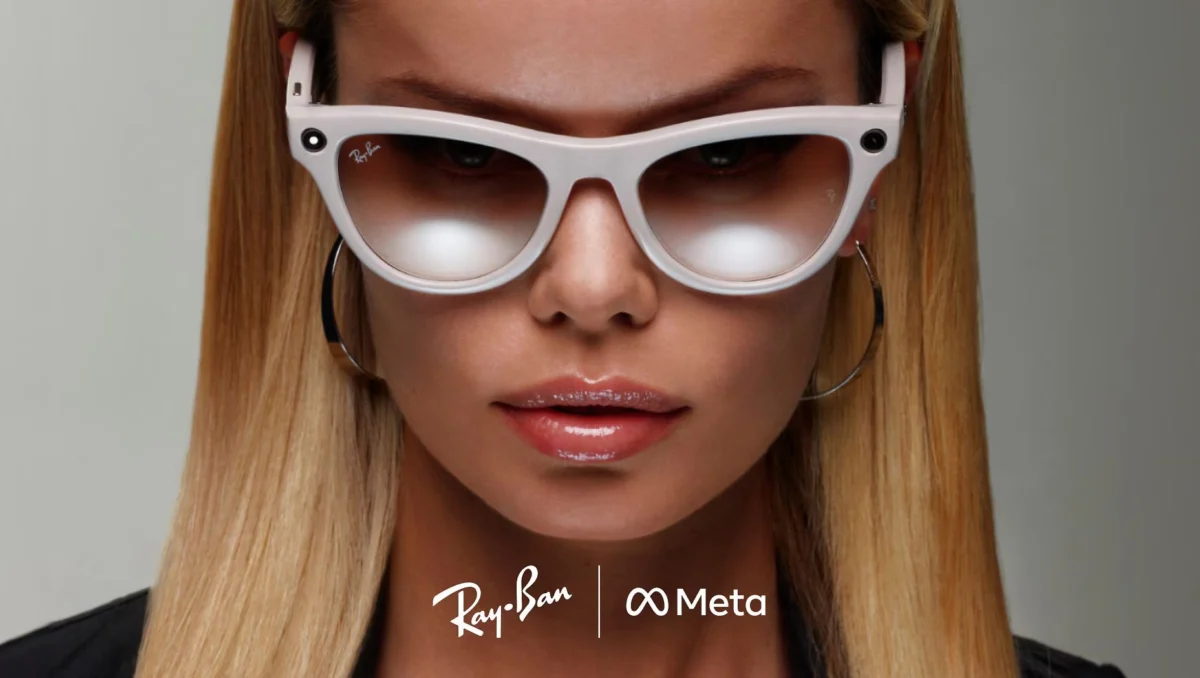
The global extended reality (XR) landscape has reached a significant commercial milestone as EssilorLuxottica, the parent company of Ray-Ban, confirmed that its smartglasses partnership with Meta Platforms Inc. resulted in over seven million units sold during the 2025 calendar year. This figure represents a tripling of sales compared to previous iterations of the technology, signaling a decisive shift in consumer preference toward wearable augmented reality (AR) over traditional, bulkier virtual reality (VR) headsets. According to financial reports from the French-Italian eyewear conglomerate, the growth of these smart devices in the United States has become exponential, positioning the Ray-Ban Meta collection among the company’s most successful product lines.
Commercial Performance and Market Shift
The reported seven million units sold in 2025 underscore a pivot in Meta’s hardware strategy. While the Meta Quest 3 and Quest 3S headsets remain the company’s primary offerings for immersive gaming and enterprise training, the smartglasses have achieved a higher rate of market penetration within a shorter timeframe. Analysts attribute this success to two primary factors: distribution and utility. Unlike VR headsets, which are primarily sold through electronics retailers or specialized online channels, Meta’s smartglasses are available in thousands of traditional optical boutiques. This allows consumers to purchase them as functional eyewear with the added benefit of integrated technology.
Furthermore, the "retention rate"—a metric measuring how often a device is used after the initial purchase—is significantly higher for smartglasses than for VR headsets. Because the devices function as high-quality, stylish sunglasses or prescription frames, users are more likely to wear them daily, regardless of whether they are actively using the onboard AI or camera features. This consistent usage provides Meta with a continuous stream of data to refine its software and artificial intelligence models.

Meta Roadmap: Quest 4 and Spatial Computing Developments
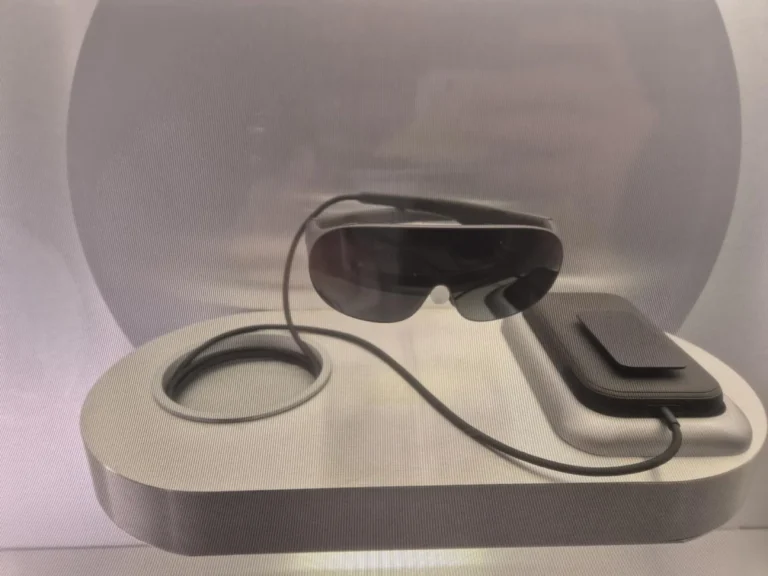
In a comprehensive interview with Alex Heath, Meta’s Chief Technology Officer, Andrew Bosworth, provided insights into the company’s future hardware roadmap. Bosworth confirmed that Meta is currently developing two distinct categories of head-mounted displays. The first is a direct successor to the current gaming-oriented lineup, likely to be branded as the Meta Quest 4. The second project, codenamed "Puffin" (also referred to in various leaks as "Loma" or "Phoenix"), is reportedly designed to compete with the Apple Vision Pro by focusing on "spatial computing" in a more lightweight, form-factor-efficient design.
While Bosworth declined to provide specific release dates, he emphasized the synergy between the company’s hardware and its evolving AI capabilities. A critical component of Meta’s strategy involves the integration of its Llama AI models with the data gathered from wearable devices. Bosworth noted that the upcoming Meta AI models are being trained using egocentric data—video and audio captured from the perspective of smartglasses users. This approach is intended to create an AI that understands the physical world in real-time, allowing it to provide more contextually relevant assistance to users wearing AR frames.
Emerging Controversies in Facial Recognition and Privacy
As smartglasses move toward mainstream adoption, the integration of advanced biometric features has sparked renewed debate regarding public privacy and corporate ethics. A recent report by the New York Times cited internal Meta memos from 2025 suggesting that the company is considering the activation of facial recognition features on its Ray-Ban Meta glasses. This technology would theoretically allow users to identify individuals in their field of vision by matching their faces against social media profiles or internal databases.
The internal memos reportedly described the current "dynamic political environment" as an opportune moment to launch such controversial features, suggesting that civil society groups might be too distracted by other global events to mount a significant opposition. This revelation has drawn criticism from privacy advocates and industry observers who argue that such features require robust public debate and clear opt-in/opt-out mechanisms. Experts suggest that for facial recognition to be socially acceptable, users must maintain total control over their biometric data, including the ability to remain "invisible" to the devices of others and the right to choose what specific information—such as a name or professional title—is shared during an encounter.

Economic Forecasts for Near-Eye Display Technology
Supporting the surge in consumer interest is a positive economic outlook from market research firm Omdia. The firm’s latest data suggests that revenue from near-eye displays—the specialized screens used in AR, VR, and MR devices—is projected to reach $1.2 billion in 2026. This represents a year-on-year growth rate exceeding 200%.
The primary driver of this financial growth is the transition to OLED-on-silicon (OLEDoS), commonly known as Micro OLED. This technology allows for much higher pixel density and brightness in a smaller footprint, which is essential for creating smartglasses that look indistinguishable from standard eyewear. While some analysts believe Meta may delay its next major spatial computing headset until 2027, the underlying component market is accelerating to meet the demand for more sophisticated, high-resolution wearables.
Ecosystem Expansion and Competitive Landscape
The broader XR ecosystem continues to evolve as major software providers align with high-end hardware. Google recently released a native YouTube application for the Apple Vision Pro, ending a period where users had to rely on third-party browsers or unofficial apps to access the platform’s immersive content. This move is seen as a strategic step for Google as it prepares its own "Android XR" platform, ensuring that its core services are available across all competing "spatial" ecosystems.
Simultaneously, traditional VR manufacturers like HTC are shifting their focus. Following the sale of a significant portion of its smartphone and VR engineering talent to Google several years ago, HTC has pivoted toward specialized smartglasses, such as the Vive Eagle, and investments in high-end content production. The company remains a key player in the enterprise sector, though its presence in the consumer VR market has faced stiff competition from Meta’s subsidized hardware pricing.

Conclusion and Broader Implications
The success of Meta’s smartglasses in 2025 marks a turning point where the industry moves beyond the "early adopter" phase into a broader consumer market. The shift from immersive virtual reality to "always-on" augmented reality suggests that the future of the medium lies in devices that enhance, rather than replace, the user’s physical surroundings.
However, this transition brings significant challenges. The potential for humanoid robotics—a field Meta has recently entered—and the integration of persistent AI surveillance via facial recognition will require new regulatory frameworks. As the market for near-eye displays surpasses the billion-dollar threshold, the focus of the XR industry is expected to shift from hardware specifications to the ethical implications of the data these devices collect. The coming years will likely be defined by how companies like Meta, Apple, and Google balance the immense utility of egocentric AI with the fundamental right to privacy in public spaces.
About the Author