A decade has passed since the whimsical world of LittleBigPlanet 2 first invited players to craft, share, and play. This milestone anniversary offers a unique opportunity to revisit the game’s intricate sonic tapestry, particularly its carefully curated licensed soundtrack. Beyond the familiar melodies that accompanied Sackboy’s adventures, a wealth of musical exploration took place behind the scenes, shaping the game’s distinct identity and leaving a lasting impression on its creators and players alike. This retrospective delves into the multifaceted approach to LittleBigPlanet 2‘s audio landscape, exploring the licensed tracks that defined the final experience and shedding light on the creative process behind the music that almost was.
The Sonic Vision: From Global Journeys to Scientific Eras
The development of LittleBigPlanet 2 built upon the foundational success of its predecessor, yet it embarked on a significantly different conceptual journey. While LittleBigPlanet 1 embraced a theme of "a journey around the world," its sequel aimed for a more ambitious and abstract narrative: "science through the ages" or "science fiction through the ages." This thematic shift presented a compelling challenge for the audio team. The art department found fertile ground in these concepts, but translating them into a cohesive musical identity required a nuanced approach.
The game’s audio director, reflecting on the process, emphasized the strategy of grounding abstract themes in tangible musical analogies. This involved a deep dive into the specific art direction and the emotions it evoked, seeking musical styles that would resonate with these visual and conceptual elements. Unlike the original score, which focused on characterization, drama, and exposition, the licensed soundtrack’s role was to complement and enhance the established thematic direction without duplicating the efforts of the in-house composers. This deliberate division of labor streamlined the selection process and allowed for a more focused exploration of licensed music.
Curating the Sound: Playlists of the Final Cut and Beyond
To commemorate the tenth anniversary, a comprehensive review of the licensed soundtrack has been undertaken, revealing not only the iconic tracks that made the final cut but also a rich collection of music that was considered but ultimately not selected. This exploration has led to the creation of several distinct playlists, each offering a unique perspective on the game’s sonic evolution.

1. The LittleBigPlanet 2 Licensed Soundtrack: This playlist features the familiar licensed music that players experienced within the game. It’s important to note that due to the game’s backwards compatibility with LittleBigPlanet 1, the licensed soundtrack technically encompasses all licensed music from the first game. However, for clarity and focus, this playlist specifically highlights tracks integral to LittleBigPlanet 2. Acknowledging the complexities of music licensing, certain versions of tracks, particularly instrumentals, remixes, and edits that were not officially released and primarily available through unofficial channels, were not included in the official Spotify playlist to maintain consistency with the in-game experience.
2. The LittleBigPlanet 2 Alternate Universe Soundtrack: This collection showcases tracks that were carefully considered for inclusion in LittleBigPlanet 2 but ultimately did not make it into the final game. The majority of these selections were set aside due to creative decisions made during development, reflecting the iterative nature of game design. While most tracks were excluded based on evolving creative directions, there was at least one instance where a desired track could not be obtained due to licensing challenges, a decision that reportedly caused significant disappointment.
3. The LittleBigPlanet 2 ‘Brief Says No’ Soundtrack: This playlist comprises music that, while possessing merit and appropriateness in certain contexts, did not align perfectly with the game’s evolving creative brief. Many of these tracks were explored in the early stages of development, proving effective for initial video mock-ups but were eventually superseded as the project’s direction became more refined. Others may have lacked the specific energy required to support gameplay. Nevertheless, this collection represents a significant body of work that is well worth exploring for its intrinsic musical quality.
The experience of revisiting these tracks has been deeply resonant for the audio director. Years after their initial evaluation, many of these songs continue to evoke a powerful emotional response, reminding him of the intended experience and the creative spirit that fueled the project. This enduring connection underscores the profound impact of music on human emotion and memory.
A Chronology of Sonic Development: From Pre-Production to Polished Release
The journey to LittleBigPlanet 2‘s soundtrack was a multi-year endeavor, marked by distinct phases of conceptualization, exploration, and refinement.

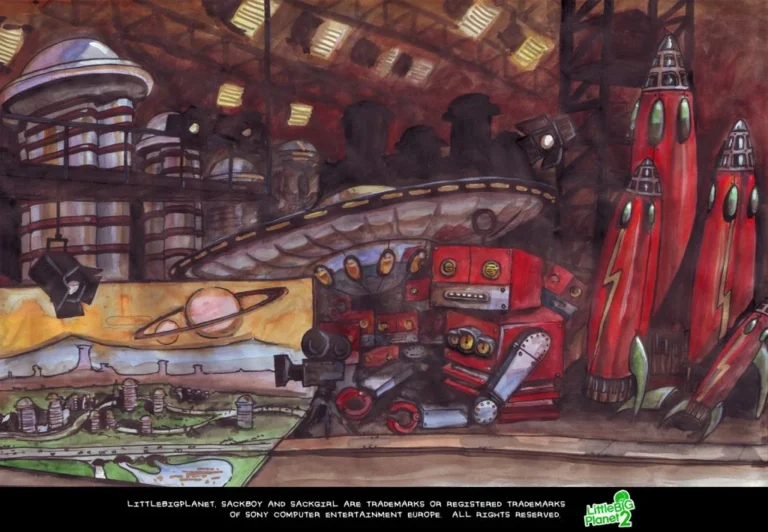
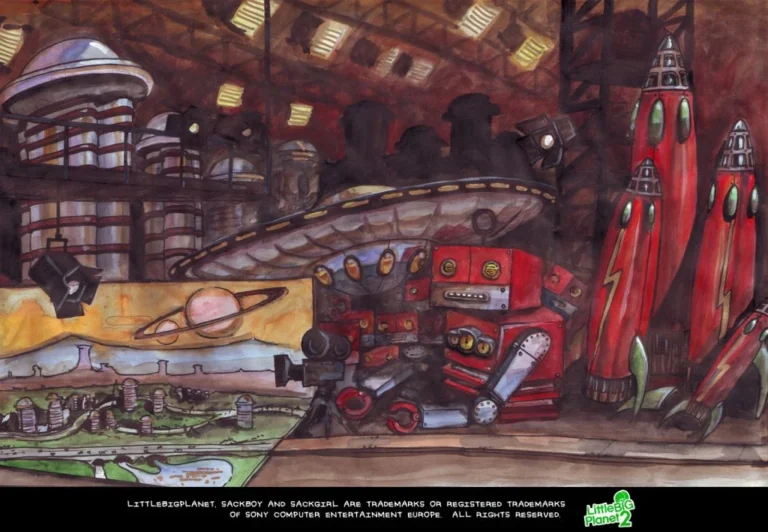
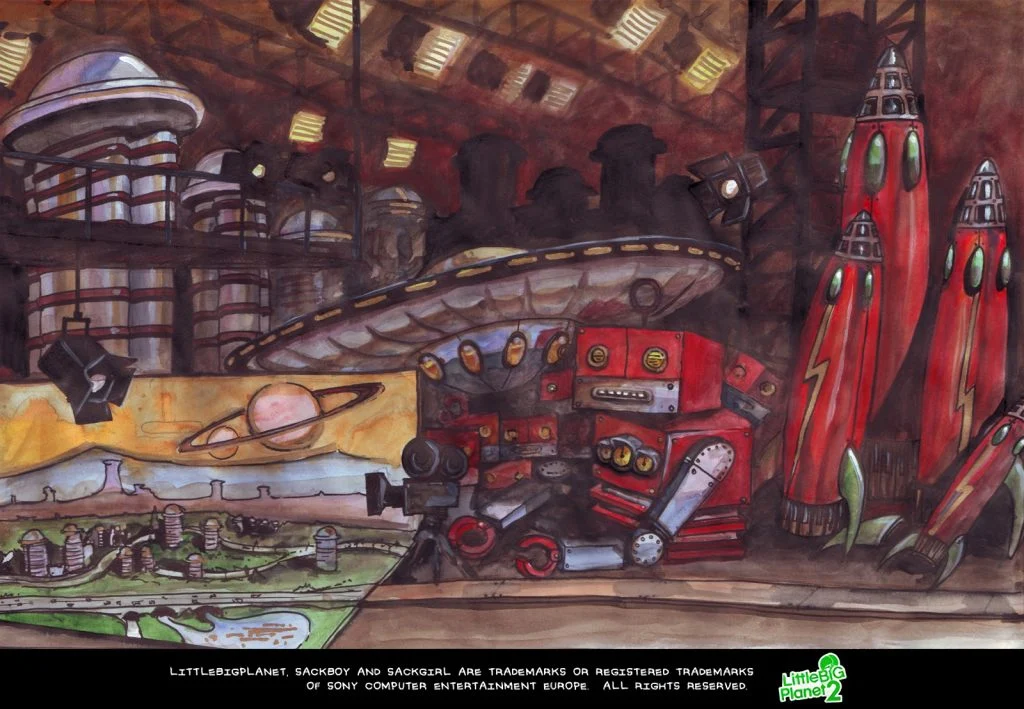
May 2009 (Pre-Production Phase): In the early stages, with a significant portion of the team not yet fully engaged in LittleBigPlanet 2 development, the audio director began assembling a music montage video. This innovative approach involved pairing concept art for each game area with work-in-progress licensed music ideas. This "quick and dirty" method served as a vital catalyst, enabling the team to visualize and aurally conceptualize the game’s potential. The initial high-level direction for each area, heavily influenced by the art direction, was established during this period. From this early selection, only Ladytron’s "Ghosts" ultimately made it into the final game, though artists like Squarepusher and Röyksopp were considered, albeit with different tracks than those ultimately chosen.
The creation of these music concept videos was crucial. At this nascent stage of development, where no playable game existed, these videos served as a tangible representation of the project’s evolving aesthetic. Akin to 2D concept art or visual reference material, they provided a starting point, a curated mood board that fostered inspiration and discussion. Crucially, they facilitated communication of the project’s vision to the entire team, fostering a collective understanding of the desired experience. This music concept video marked a significant milestone, being the first instance where visual and aural ideas coalesced into a cohesive experience.
December 2009 (Pre-Shipping Year): By this point, a year before the game’s release, the initial concepts had undergone further refinement, beginning to resemble the final game more closely. The number of distinct thematic areas had been reduced from eight to six, a process that involved merging overlapping ideas rather than outright elimination. This streamlining also reflected adjustments in content requirements as the full development team became integrated and the project entered full production.
The music direction also evolved. Refinements were made as even more suitable ideas and music were identified, and the audio began to better support the emerging gameplay mechanics. However, certain aspects remained in flux. The "Soviet/Hollywood mashup" component of Clive’s Factory required further definition. The interpretation of "organic" for Eve’s Asylum, particularly in the context of its high-intensity gameplay, presented a juxtaposition that needed careful consideration. Furthermore, progress on the music sequencer gadget, intended to address the 8-bit aesthetic for The Cosmos, had not yet materialized. Despite these ongoing developments, the overall direction for most areas was clear.
At this juncture, 10 out of the 21 tracks that would ultimately be licensed were under consideration. While these were not yet definitively "keepers," their presence indicated a positive trajectory. The licensing process itself had not yet commenced, meaning there were no guarantees of securing the rights to use any of the music, regardless of its suitability. A key principle of licensed soundtracks is the need for "overprovision" – a surplus of suitable music to ensure backup options, or "Plan B’s," were available.

Ongoing Development and Licensing (Up to October 2010): The collaboration with Sony Music Licensing intensified in the lead-up to the game’s announcement, significantly expanding the scope of music evaluation. This timely engagement allowed Sony’s expertise in music searches and suggestions to be highly focused and productive, aligning with the refined creative direction.
A notable success during this period was Rex’s suggestion of Passion Pit’s "Sleepyhead" for the announcement trailer. The selection process for this track was challenging, aiming to capture the appropriate emotional tone that conveyed community, achievement, and a forward-looking sentiment for the new project, while also acknowledging the sequel’s more digital aesthetic. While an initial "Plan A" track was explored, "Sleepyhead" ultimately proved to be the ideal choice for the trailer. Its ebb and flow perfectly complemented the trailer’s narrative, building smoothly and receding effectively to allow for shifts in messaging and sustained viewer engagement. The pitched-up voices, notably those with an Irish Gaelic inflection, also harmonized remarkably well with the game’s iconic Sackfolk characters.
Despite its success in the trailer, "Sleepyhead" was not a direct fit for the game’s core gameplay mechanics. This led to an initial attempt to license a track that was more thematically aligned with the gameplay’s energy. However, the desire to have music strongly associated with the project through its marketing appear in the game was a significant consideration. Recognizing the potential mismatch, the team proceeded with "Sleepyhead" for the trailer, understanding it might find a more fitting home elsewhere in the game. Ultimately, it was placed in the game’s end credits, providing a meaningful conclusion.
The final stages of development saw a significant schedule adjustment. The decision was made to delay the game’s release from the crucial Christmas market to January 2011, as the game was not yet fully "baked." This extension proved beneficial for the soundtrack, as several tracks did not clear licensing until as late as October 2010, a tight timeframe even with the revised schedule. One particular track took an arduous six months to clear, a testament to the often unpredictable and protracted nature of music licensing negotiations.
A Collaborative Symphony: Contributions from Across the Team and Beyond
The creation of LittleBigPlanet 2‘s soundtrack was a testament to collaborative effort. Initially, music suggestions primarily came from within the development team. However, compared to the first game, a significantly larger number of individuals contributed ideas. This increased engagement was likely fueled by the positive reception of the first game’s soundtrack and its integral role in the project’s identity. Team members were eager to contribute, seemingly unfazed by the rigorous process and demanding criteria established for music selection.

Every track evaluated played a role in refining the creative brief, whether by confirming existing ideas or prompting adjustments. The final licensed soundtrack features contributions from various team members, including the audio director himself, Dan, John, and Rex from Media Molecule, as well as Martin Hewett from Sony’s side. Beyond this core group, numerous other individuals offered valuable suggestions. Notable contributors include Alex, Costa, Jim, Jonatan, Mark, Martin, and Tom. Even external contacts, such as Jo from Sony, provided input, underscoring the broad collaborative spirit that permeated the project. This collective effort was instrumental in shaping the game’s distinctive sonic identity.
The Enduring Legacy: Music as a Portal to Memory
The ten-year anniversary of LittleBigPlanet 2 has been met with heartfelt reflections from players. Many have shared how the game was a significant part of their childhoods and continue to listen to its soundtrack regularly. This enduring connection highlights music’s unique ability to transcend its original context and remain a potent source of enjoyment and nostalgic recall. As gaming platforms age and become less accessible, the power of music to evoke memories of games and their communities grows even more significant. The contribution of the licensed artists to LittleBigPlanet 2 has ensured that the game’s unique character and the spirit of its community continue to live on. The anniversary serves as a celebration not only of a beloved game but also of the powerful, lasting impact of its carefully crafted sonic experience.
About the Author