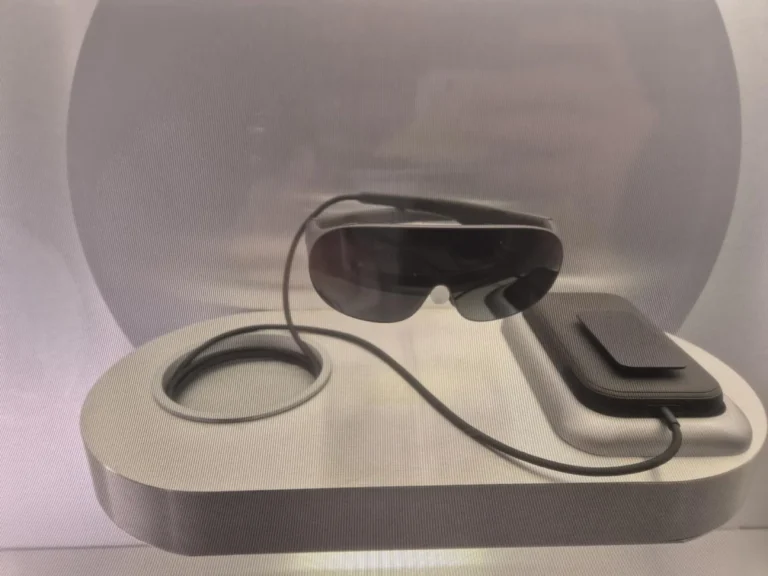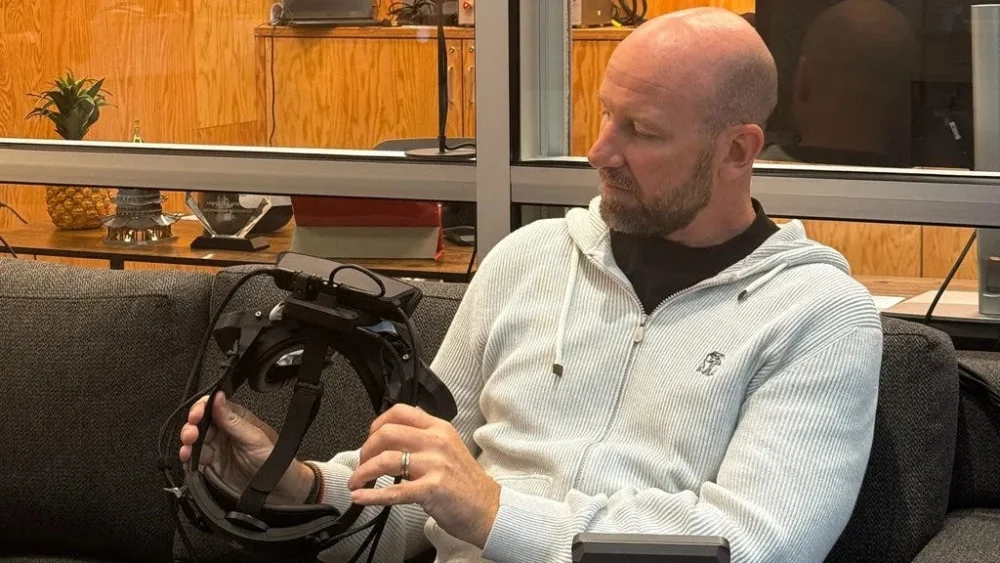
Valve Corporation has officially signaled a strategic shift regarding the anticipated release of its Steam Frame hardware, citing significant volatility in the global semiconductor supply chain as a primary driver for revised pricing and delivery timelines. In a recent communication to stakeholders and the broader XR community, the company revealed that the economic landscape for high-performance memory and storage components has deteriorated more rapidly than internal forecasts predicted. Consequently, the Steam Frame, a device highly anticipated by virtual and augmented reality enthusiasts, is expected to arrive later than originally scheduled and at a higher price point than early market speculation suggested.
Supply Chain Constraints and Economic Pressures on Valve
The primary catalyst for Valve’s adjustment is a global shortage of memory chips, a crisis exacerbated by the aggressive expansion of artificial intelligence (AI) infrastructure. As major technology firms invest billions into massive datacenters to support large language models and generative AI, the demand for RAM and high-speed storage has skyrocketed. This surge in enterprise demand has effectively crowded out consumer electronics manufacturers, leading to a sharp increase in the cost of goods sold for PC-based hardware and specialized wearable computers.
Valve confirmed that under ideal market conditions, the official price and specific release date for the Steam Frame would have been finalized by this quarter. However, the rising costs of essential components have forced the company to re-evaluate its retail strategy to avoid selling the units at a significant loss. Industry analysts suggest that while Valve previously aimed for a more aggressive entry price, the device is now likely to gravitate toward the $1,000 threshold—a figure the company has historically treated as a "hard limit" for its premium hardware offerings. Despite these setbacks, Valve maintains its commitment to a launch within the first half of the current year. Furthermore, the company announced that specialized prescription lens inserts for the Steam Frame will be available as a post-launch accessory to accommodate users with corrective vision needs.

Meta Platforms Navigates Strategic Restructuring and Content Funding
Simultaneously, Meta Platforms continues to refine its position within the XR ecosystem following a period of significant internal reorganization. Andrew Bosworth, Meta’s Chief Technology Officer, confirmed during a recent public forum that the company remains on track to ship two distinct new headsets in the coming years. This confirmation comes amidst concerns regarding the longevity of Meta’s Reality Labs division following several rounds of layoffs and the closure of multiple first-party game studios.
Bosworth characterized the decision to downsize internal development teams as a necessary "remodulation" of investments to align with a VR market that is growing more slowly than initially projected. He argued that by reducing its first-party footprint, Meta avoids direct competition with third-party developers on the Horizon Store, theoretically fostering a more diverse and healthy ecosystem. However, this narrative has met with skepticism from some industry observers who note that first-party "system seller" titles have historically been the primary drivers of hardware adoption in the gaming and XR sectors.
To mitigate concerns regarding content scarcity, Meta clarified that it continues to fund a robust pipeline of third-party titles. Analysts suggest that Meta may be shifting its financial strategy toward a broader distribution of smaller grants for indie developers rather than high-stakes, multi-million-dollar investments in blockbuster exclusives. This shift occurs as leaked information suggests Meta is also exploring a "work-first" wearable codenamed "Puffin," described as a lightweight device designed for productivity rather than high-end gaming, alongside reports of a potential "Beat Saber 2" currently in development.
Samsung and the Competitive Landscape of AI Wearables
The hardware market is set to become increasingly crowded as Samsung Electronics confirms its re-entry into the wearable display space. During its Q4 2025 earnings call, Samsung representatives disclosed plans to release next-generation glasses in 2026. Seong Cho, head of Samsung’s mobile experience division, indicated that the company’s strategy centers on "multimodal AI experiences" delivered through immersive form factors.

Market specialists believe Samsung’s initial offering will likely be "AI smartglasses"—devices focused on heads-up information, translation, and assistant features—rather than fully transparent augmented reality (AR) optics. This approach mirrors the current industry trend of prioritizing utility and lightweight design over the complex power and thermal demands of high-fidelity AR. Samsung’s entry, bolstered by its partnerships with Google and Qualcomm, poses a significant challenge to the dominance of Meta’s Ray-Ban collaboration and Snap Inc.’s Spectacles.
Technological Acquisitions and Volumetric Innovation
Innovation in the sector is also being driven by strategic acquisitions and breakthroughs in spatial data processing. Apple Inc. recently completed the acquisition of Q.ai, a startup specializing in "silent speech" technology, for an estimated $1.6 billion. This technology allows users to issue vocal commands by detecting subtle muscular movements or internal speech signals, effectively enabling silent communication with a device. This acquisition is viewed as a critical step in solving the privacy and social friction issues associated with voice-controlled AR interfaces in public spaces.
In the realm of content delivery, Arcturus Studio has demonstrated significant progress in volumetric sports broadcasting using Gaussian Splatting technology. By utilizing multi-camera arrays within stadiums, the studio is able to reconstruct live sporting events as fully navigable 3D environments. This allows viewers to experience a match from any perspective, including the viewpoint of the athletes on the field. While the infrastructure requirements for such broadcasts are substantial, the technology represents a paradigm shift in how immersive media is consumed.
Market Data and Institutional Applications
The broader health of the XR industry is reflected in recent data from the GDC 2026 State of the Game Industry report. According to the survey, approximately 8% of all game developers are currently working on applications for XR platforms. The Meta Quest series remains the most utilized hardware among these developers, reinforcing its position as the de facto standard for consumer VR.

Furthermore, the utility of XR is expanding into the defense and accessibility sectors. The UK Ministry of Defence, through its Futures Lab initiative, has issued a call for "indirect vision systems" to protect aircrew from laser-based threats. By utilizing video passthrough headsets, pilots can maintain situational awareness without being exposed to direct optical radiation that could cause permanent eye damage or disorientation. In the civilian sector, Meta has partnered with the University of Utah to explore the use of neural interface bands to provide hands-free device control for individuals with limited mobility, signaling a growing trend toward using XR technology for therapeutic and assistive purposes.
As the industry navigates these supply chain hurdles and strategic pivots, the focus for 2026 appears to be shifting from pure hardware performance toward AI integration, specialized input methods, and sustainable ecosystem growth. The coming months will be critical for Valve and Meta as they attempt to maintain consumer trust while balancing the economic realities of a volatile global market.
About the Author