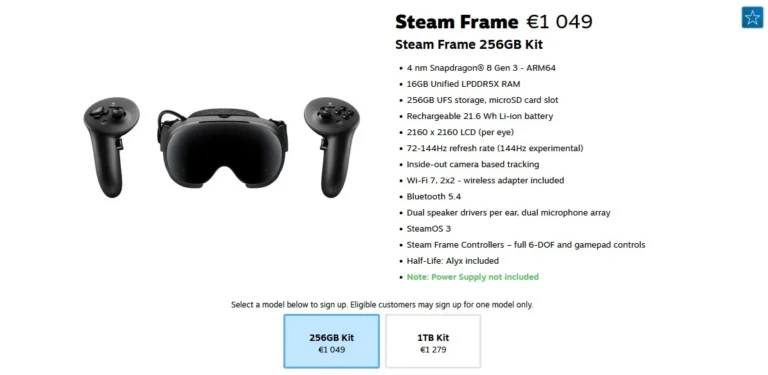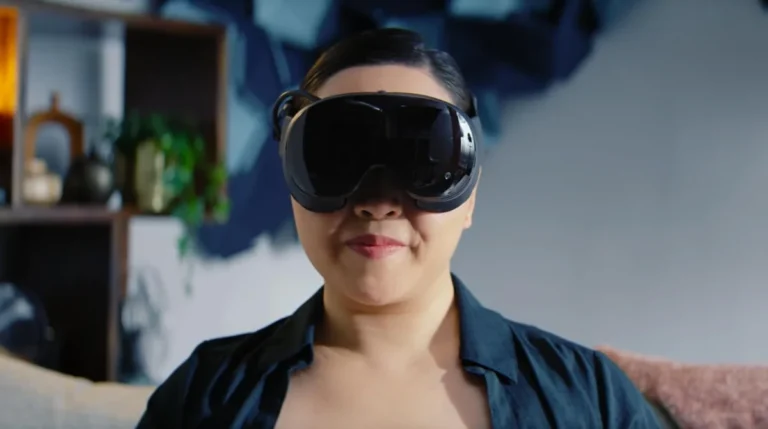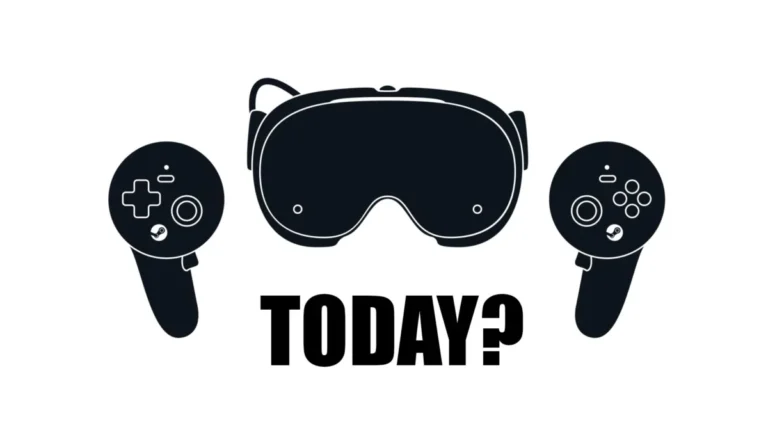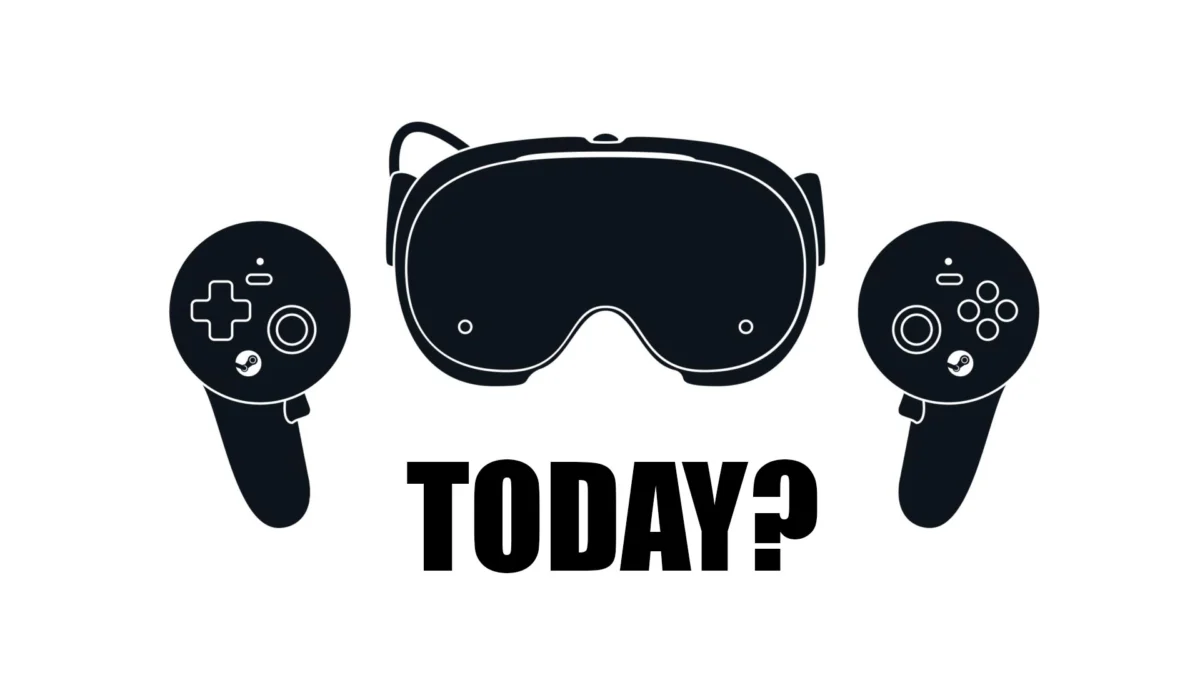
Valve Corporation is poised to disrupt the high-end virtual reality (VR) market with the anticipated release of the Steam Frame, a device expected to debut during the final week of the summer 2026 season. Industry analysts and enthusiasts have identified several indicators suggesting an imminent launch, most notably a series of technical updates to the SteamVR platform and the discovery of email templates intended for preorder confirmations. This development follows years of speculation regarding a successor to the Valve Index, which set a high bar for PC-tethered VR upon its release in 2019.
The Steam Frame appears to address the primary limitation of its predecessor by offering a wireless experience without sacrificing the high-fidelity performance associated with the Valve ecosystem. Information regarding the device was inadvertently bolstered by a leaked unboxing and first-impressions video from a prominent technology outlet, which described the hardware as maintaining the ergonomics and audio quality of the Valve Index while eliminating the tether. While Valve has yet to officially confirm the retail price, market speculation places the unit slightly below the $1,000 threshold, positioning it as a premium alternative to standalone consumer headsets.
Meta Phoenix and the Evolution of VR Glasses
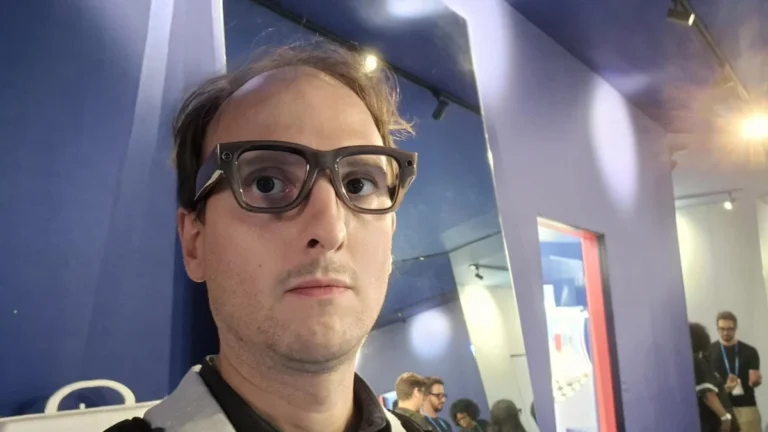
As Meta Platforms Inc. prepares for its annual Meta Connect conference on September 23, 2026, internal leaks have provided the first clear visuals of a new project codenamed "Phoenix." The leaked images depict a device that deviates significantly from the bulky form factor of the Quest series, leaning instead toward a design described as "VR glasses." The Phoenix headset is notably smaller and more lightweight, featuring a design language that emphasizes elegance and portability.

Technical observations of the leaked hardware suggest a reduced field of view (FOV), estimated at approximately 90 degrees, which is a common trade-off for achieving a more compact optical stack. The device includes multiple tracking sensors, including downward-facing cameras optimized for high-fidelity hand tracking. This shift suggests that Meta is targeting a demographic that prioritizes comfort and social acceptability over the immersive breadth of traditional VR goggles. The Phoenix leak is widely viewed by industry observers as a strategic move to maintain momentum ahead of the Connect event, where the company is expected to outline its long-term vision for the metaverse and spatial computing.
ByteDance and the Integration of Generative AI in Pico Hardware
The delay of the Pico Space Pro to the fourth quarter of 2026 has been linked to a significant strategic pivot by its parent company, ByteDance. Reports indicate that the delay is intended to facilitate the integration of a sophisticated "World Model" AI, similar in scope to Google’s Genie. This AI model, reportedly based on the Seedance video generation architecture, aims to enable the real-time creation of interactive spatial environments based on simple text or image prompts.
Technical specifications for this AI integration are ambitious, with ByteDance targeting on-demand video generation at 20 frames per second with a latency of roughly 0.05 seconds. To achieve this, the processing will likely occur in the cloud rather than on the device’s local chipset. ByteDance founder Zhang Yiming is reportedly overseeing the project, highlighting the company’s commitment to transforming the Pico Space Pro into a "holodeck-style" experience. If successful, this would represent the first time a consumer XR headset has utilized generative AI to build interactive worlds on the fly, though critics warn that an immature execution could result in low-quality or "uncanny" environments.
Apple’s Hardware Teasers and the Shift Toward Foldables
Apple recently concluded its latest hardware event, which centered on the launch of the Apple Duo, the company’s inaugural foldable smartphone. While the event lacked a dedicated segment for the Vision Pro or augmented reality (AR) peripherals, a subsequent 10-second teaser released by Apple executives has sparked intense speculation. The video features a curved object being gradually revealed by light, leading to theories regarding a new lightweight VR headset or a pair of AR smart glasses.

However, a technical analysis of the teaser suggests the curvature may be more indicative of a specialized camera lens or a new sensor array for the iPhone lineup rather than a wearable display. Apple continues to maintain a cautious public stance on its XR roadmap, focusing instead on high-margin luxury devices like the Duo, which serves as a testbed for the company’s engineering capabilities in flexible display technology.
Market Contraction and the Closure of Polyarc Games
Despite the flurry of hardware announcements, the broader XR industry is facing significant economic headwinds. Data released by research firm Omdia indicates that global XR headset shipments have declined by 39% compared to the first half of 2025. While the growth of lightweight AR glasses has provided some market support, it has failed to offset the steep decline in traditional VR headset sales.
This market instability claimed a high-profile victim this week with the closure of Polyarc Games. The studio, renowned for the critically acclaimed Moss series, ceased operations after 12 years. Despite winning numerous industry awards and defining the "diorama-style" VR genre, Polyarc struggled to find commercial success with its recent foray into competitive multiplayer gaming, Glassbreakers: Champions of Moss. The studio’s dissolution is seen as a sobering reminder of the challenges facing independent developers in an industry currently dominated by large-scale platforms and shifting consumer interests.
Chronology of Recent XR Developments
- September 10, 2026: Launch of the RayNeo iO, a camera-free smart glass design targeting privacy-conscious consumers.
- September 12, 2026: Leak of the "Phoenix" headset visuals ahead of Meta Connect.
- September 14, 2026: Reports surface regarding ByteDance’s AI "World Model" development for the Pico Space Pro.
- September 16, 2026: Scheduled launch of the new Snap Spectacles, focusing on AR developer ecosystems.
- September 23, 2026: Meta Connect scheduled to begin, with expectations for new hardware and AI software integration.
Social Implications and Content Updates
The social acceptance of wearable technology remains a point of contention. In London, public demonstrations of anti-smartglass sentiment were observed near major retail centers, including the installation of specialized disposal bins for camera-equipped glasses. This cultural pushback highlights a growing divide between tech early adopters and the general public regarding privacy in the age of pervasive recording devices.

On the software front, developers continue to push the boundaries of existing hardware. No Man’s Sky has released its "Cosmos" update, introducing eye-tracked foveated rendering for PC VR and PlayStation VR2, significantly improving performance and visual clarity. Meanwhile, the educational sector sees new entries such as Secret of the Pyramid Builders, which utilizes the high-resolution displays of modern headsets to provide immersive historical tours.
As the industry moves toward the final quarter of 2026, the success of Valve’s Steam Frame and Meta’s Phoenix will likely determine whether the market can rebound from its current slump. The integration of generative AI and the refinement of lightweight form factors represent the industry’s best efforts to transition from a niche gaming hobby into a mainstream computing platform.
About the Author