The premise of a Nazi victory in World War II is a narrative territory few entertainment mediums dare to explore, let alone transform into a critically acclaimed video game. Yet, this audacious concept became the foundation for MachineGames’ 2014 title, Wolfenstein: The New Order, a game that not only rebooted one of gaming’s most venerable franchises but also redefined expectations for narrative depth within the first-person shooter genre. Launched to "Generally Favorable" reviews on Metacritic and "Very Positive" ratings on Steam, the gamble demonstrably paid off, establishing the game as far more than a bombastic Nazi-killing spree. It presented an emotionally complex story rooted in a meticulously crafted alternate history, earning praise from players and critics alike for its mature narrative woven into an action-heavy FPS experience. This depth manifests between the intense gunfights, as characters grapple with their reality, forge bonds, and confront profound despair.
The Wolfenstein Legacy: A Franchise Reimagined
The Wolfenstein franchise boasts one of the longest histories in video gaming, tracing its origins back to the 1981 stealth-action game Castle Wolfenstein. It truly exploded into mainstream consciousness with id Software’s Wolfenstein 3D in 1992, often credited as a pioneering title in the first-person shooter genre. This game introduced players to the iconic protagonist, William "B.J." Blazkowicz, a gruff American soldier single-handedly battling the Nazi regime. Subsequent iterations, such as Return to Castle Wolfenstein (2001) and Wolfenstein (2009), attempted to modernize the formula with varying degrees of success, expanding on the lore with supernatural elements and advanced Nazi technology. However, by the early 2010s, the franchise was due for a significant revitalization, a challenge taken up by the Swedish developer MachineGames, founded by former Starbreeze Studios members. Their vision for The New Order was ambitious: to retain the series’ core identity of visceral combat against Nazis while infusing it with a sophisticated, character-driven narrative and a plausible, albeit terrifying, alternate history. This approach marked a departure from the more pulp-fiction-like tone of some predecessors, aiming for a grounded yet fantastical depiction of a world under totalitarian rule.
Crafting an Alternate Reality: The World of 1960
Wolfenstein: The New Order thrusts players into a dystopian 1960, a stark contrast to the historical outcome of World War II. The game posits that after a devastating Allied assault on General Deathshead’s compound in 1946, the tide of the war turned dramatically. While B.J. Blazkowicz falls into a persistent vegetative state after sustaining a head injury during the raid, the Nazis, under the command of General Deathshead, unleash a series of technological marvels – advanced robotics, super-soldiers, and ultimately, atomic weapons – that overwhelm the Allied forces. By 1948, the United States is forced to surrender, and within two years, the Third Reich establishes global dominance, renaming the world as the "New Order."
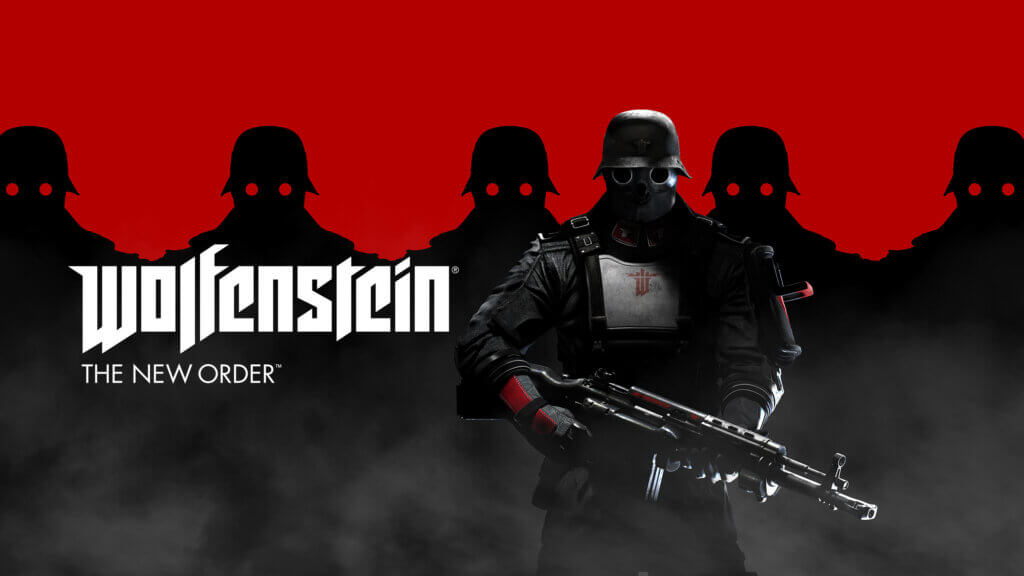
The world B.J. awakens to in 1960 is horrifyingly familiar yet utterly alien. Nazi ideology has permeated every facet of society. Iconic landmarks like the Lincoln Memorial are defaced with swastikas, and propaganda saturates the airwaves. Advanced Nazi technology, once a nascent threat, is now ubiquitous: colossal robotic Panzerhunds patrol city streets, towering Kampfhunds enforce order, and sophisticated super-soldiers are the standard enemy. The game’s art direction masterfully conveys this oppressive atmosphere, blending retro-futuristic aesthetics with brutalist architecture and stark, militaristic designs. This visual storytelling immediately immerses the player in a world where resistance seems futile, where the unimaginable has become the undeniable reality. The initial shock of this transformed world is critical to setting the game’s emotional tone, highlighting the sheer scale of the challenge facing B.J. and the remnants of humanity.
The Narrative Core: B.J. Blazkowicz’s Journey
The story begins with B.J. Blazkowicz waking from a 14-year coma in a Polish asylum, where he has been cared for by nurse Anya Oliwa and her family, who have secretly shielded him from Nazi patrols. The asylum is eventually raided by the SS, leading B.J. to violently re-enter a world he barely recognizes. This harrowing awakening is not just a plot device but a metaphorical journey into the heart of the "New Order." Escaping with Anya, B.J. learns that her parents have been taken, leading them to search for the resistance movement.
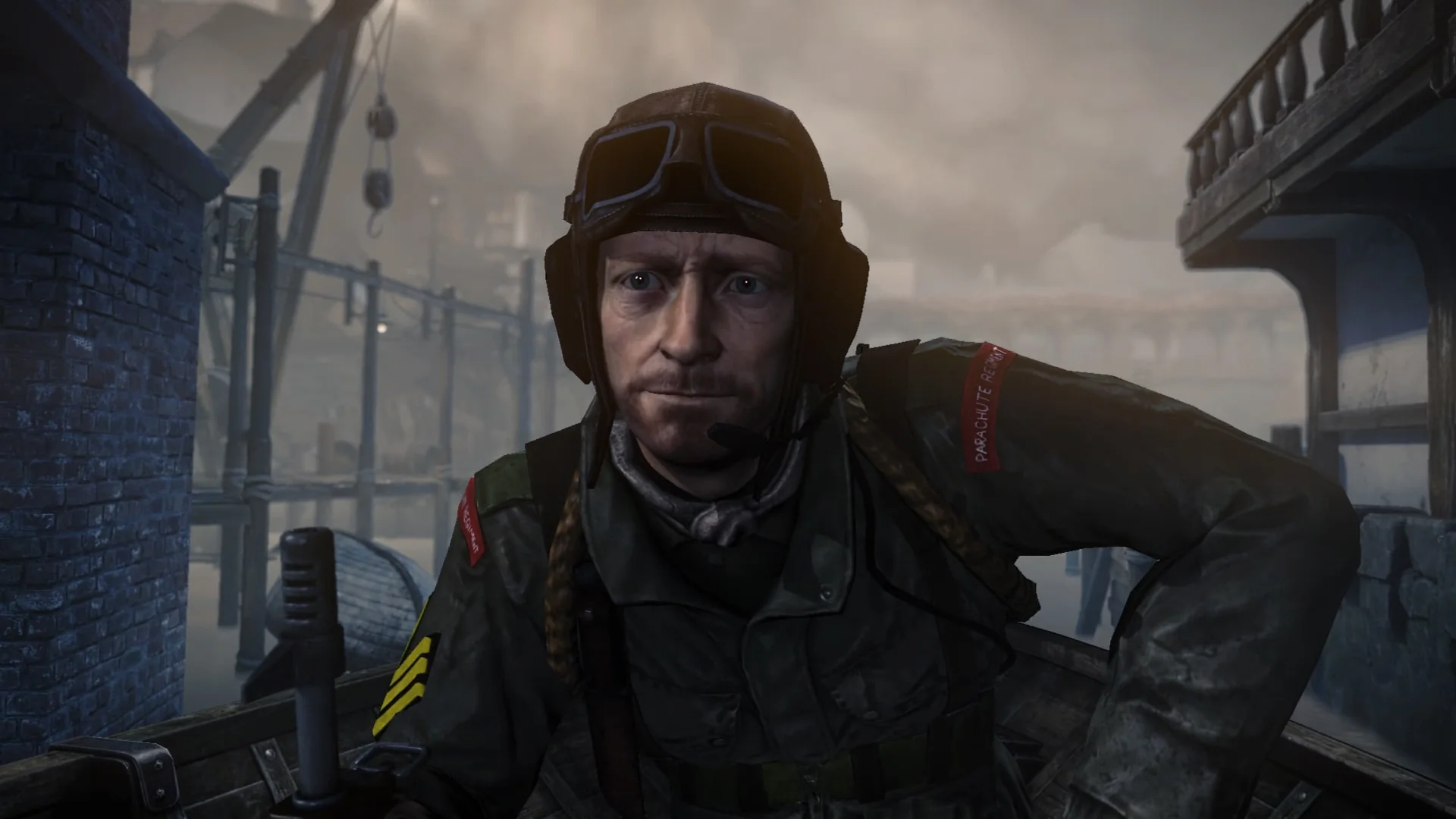
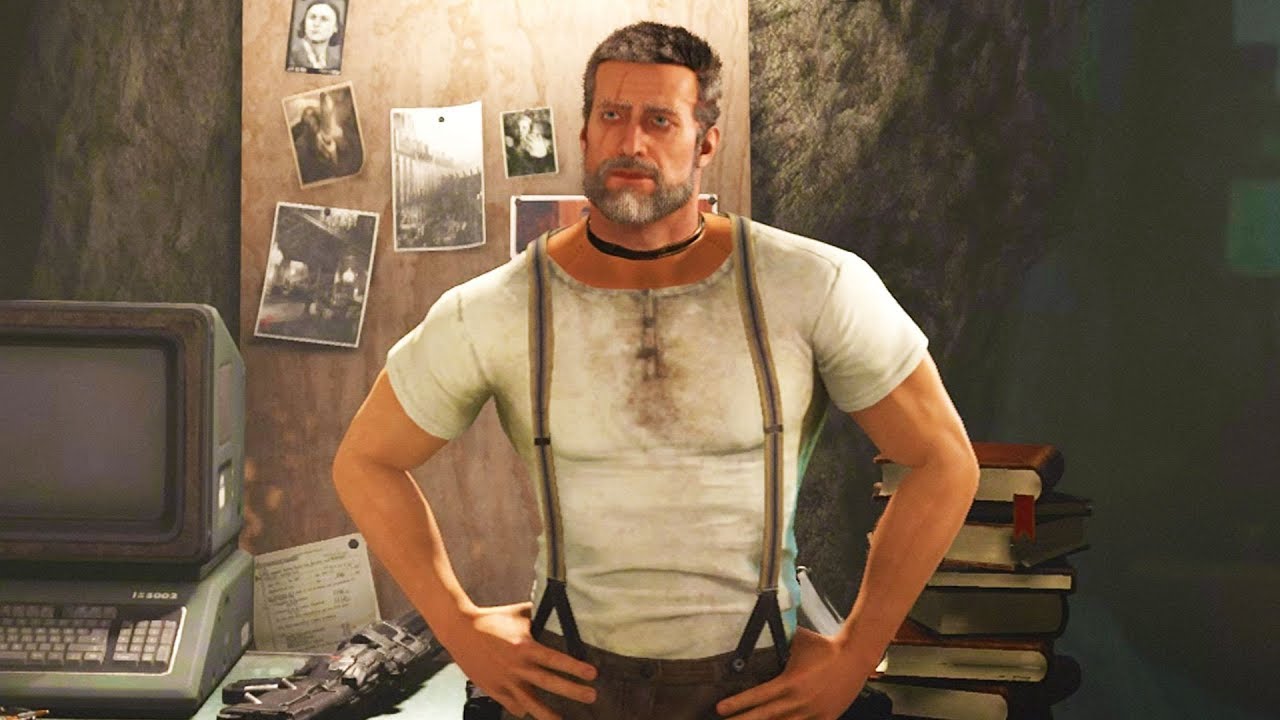
Their quest takes them across a Nazi-occupied Europe and beyond, from the bustling, brutalist streets of Berlin to the moon. Along the way, B.J. reconnects with old comrades like Caroline Becker, the wheelchair-bound but indomitable leader of the resistance, and faces a crucial choice between saving the cynical but experienced pilot Fergus Reid or the young, idealistic Private Wyatt. This early decision subtly branches the narrative, altering subsequent character interactions and access to specific abilities, reinforcing the idea of high stakes and personal sacrifice. The resistance itself is a motley crew of survivors, intellectuals, and former soldiers, each bearing the scars of the Nazi victory. Characters like Max Hass, a mentally impaired but gentle giant, and Set Roth, a brilliant Jewish scientist imprisoned by the Nazis, add layers of vulnerability and ingenuity to the group.
B.J.’s mission evolves from mere survival to a desperate effort to destabilize the Nazi regime. This involves infiltrating heavily fortified installations, stealing advanced Nazi technology, and ultimately confronting General Deathshead, the architect of the Nazi victory. Throughout this journey, B.J. grapples with the weight of his past failures, the horrors of the present, and the grim prospects for the future. His internal monologues, delivered in a gravelly voice, offer a window into his psyche, revealing a soldier hardened by war but deeply pained by the suffering he witnesses. He fights not just for freedom, but for the very idea of humanity, love, and compassion in a world that seems to have forgotten them.
Beyond Bombast: The Emotional Complexity of the Story
What truly sets Wolfenstein: The New Order apart is its commitment to an emotionally resonant narrative that transcends the typical run-and-gun shooter experience. MachineGames masterfully balances intense, over-the-top action sequences with quiet, introspective moments that allow characters to breathe, argue, grieve, and even find fleeting moments of joy. The game delves into themes of trauma, loss, and the enduring human spirit in the face of unimaginable oppression.
B.J. Blazkowicz, often depicted as a silent, stoic protagonist in previous iterations, is given a profound inner life. His monologues often reflect on the nature of evil, the cost of war, and the flickering hope for a better future. He questions his own purpose, his capacity for violence, and whether he has any humanity left. This introspection transforms him from a simple avatar of destruction into a complex, relatable figure burdened by his past and fighting for a future he barely dares to imagine.
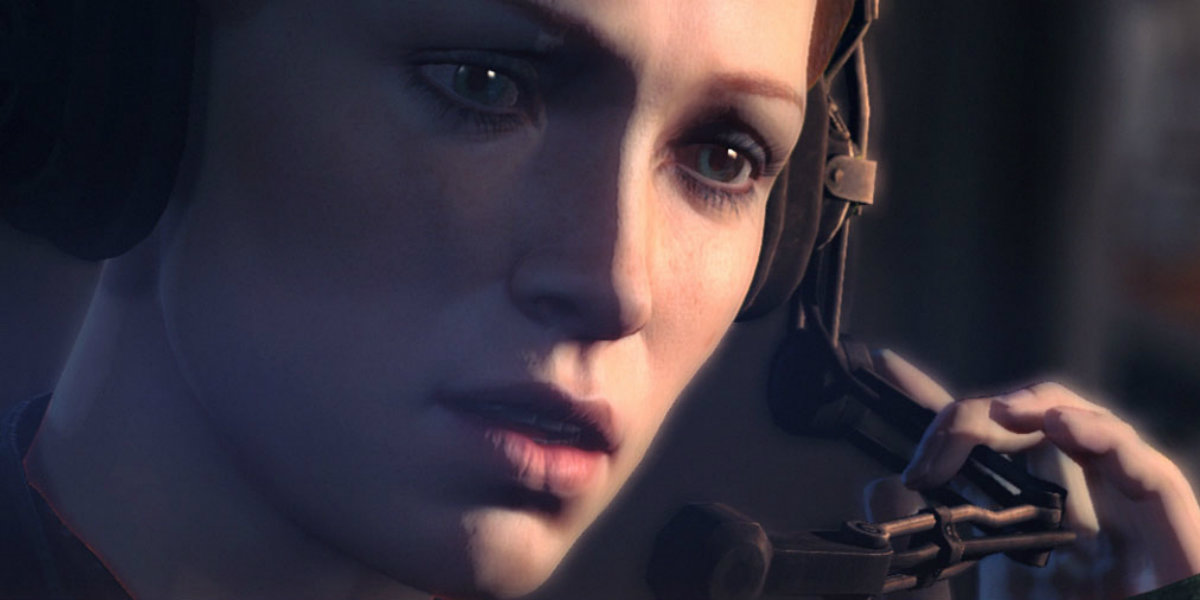
The supporting cast is equally vital to the game’s emotional core. Anya Oliwa evolves from B.J.’s caretaker to a fierce resistance fighter and his lover, representing hope and a reason to fight beyond mere survival. Her character arc highlights resilience and the power of human connection amidst devastation. Fergus Reid (or Wyatt, depending on the player’s choice) provides a stark contrast to B.J.’s brooding nature, offering either cynical wit or youthful idealism, both serving as foils that deepen B.J.’s own characterization. The interactions within the resistance group—their camaraderie, their disagreements, their shared grief—paint a picture of people clinging to their humanity in a world bent on stripping it away. The game explores how human bonds and moral conviction become necessities, not luxuries, when confronting challenges of such magnitude. It posits that even in the darkest of times, compassion, love, and the will to fight for what is right can endure, even if the outcome remains uncertain. This narrative maturity, a rarity in action-heavy FPS games, resonated deeply with players and critics, proving that a game featuring robotic dogs and moon bases could also tell a profoundly human story.
Critical Reception and Commercial Success
Upon its release in May 2014, Wolfenstein: The New Order garnered widespread critical acclaim. Review aggregators like Metacritic awarded it scores averaging in the high 70s to low 80s across platforms, signifying "Generally Favorable" reviews. PC players on Steam rated it "Very Positive," with an overwhelming majority praising the game. Critics lauded MachineGames for successfully rebooting a classic franchise while injecting it with a narrative depth that was unexpected for the genre.
Praise was consistently directed at the game’s compelling story, well-developed characters, and the bold decision to focus on an alternate history. Reviewers highlighted the impactful voice acting, particularly for B.J. Blazkowicz, which brought his internal struggles to life. The gameplay, a blend of stealth and intense gunplay, was also commended for its satisfying mechanics and varied encounters, offering a refreshing alternative to many contemporary shooters. The meticulously crafted world-building, from the oppressive Nazi architecture to the advanced, terrifying technology, was frequently cited as a major strength, effectively immersing players in its grim reality.
Commercially, the game was a significant success for Bethesda Softworks. While specific sales figures are often kept proprietary, reports indicated strong initial sales, exceeding expectations and contributing positively to the publisher’s financial performance. Its success paved the way for subsequent titles in the series, including the prequel Wolfenstein: The Old Blood (2015) and the direct sequel Wolfenstein II: The New Colossus (2017), solidifying MachineGames’ reputation as a developer capable of delivering both thrilling action and profound storytelling.
Implications and Legacy: A Benchmark for Narrative FPS
Wolfenstein: The New Order left a lasting mark on the video game industry, particularly within the first-person shooter genre. Its most significant implication was demonstrating that a high-octane action game could successfully integrate a mature, emotionally resonant narrative without sacrificing gameplay intensity. This approach influenced subsequent narrative-driven FPS titles, encouraging developers to invest more deeply in character development, world-building, and thematic exploration.
The game also served as a powerful example of how to handle sensitive and controversial subject matter like Nazism responsibly. By portraying the Nazi regime as unequivocally evil and a destructive force that must be resisted at all costs, The New Order avoided glorification or trivialization. Instead, it used the alternate history as a backdrop to explore universal themes of oppression, resistance, and the enduring struggle for human dignity. It prompted discussions about the role of history in video games and how fictional narratives can be used to reflect on real-world atrocities and the importance of fighting against totalitarianism.
Furthermore, The New Order successfully resurrected a dormant franchise, proving that with a fresh vision and a willingness to innovate, even the oldest IPs can find new relevance. It redefined B.J. Blazkowicz for a new generation, transforming him from a one-dimensional hero into a complex, introspective figure. The game’s legacy continues through its sequels, which have further expanded on its narrative themes and gameplay mechanics, cementing Wolfenstein as a benchmark for compelling storytelling in the FPS genre.
In conclusion, Wolfenstein: The New Order stands as a monumental achievement in video game development. It dared to ask "What if things were even worse?" and then provided a compelling, emotionally charged answer. Beyond its visceral combat and stunning alternate history, the game presented a profound human story about finding a reason to keep going, even when the world is on its knees. It proved that mature narratives, deep characterization, and thought-provoking themes could thrive within the framework of a brutal, action-packed first-person shooter, leaving an indelible impact on the genre and the broader conversation about storytelling in interactive entertainment.
About the Author