In a notable observation underscoring a significant shift in the personal computing landscape, veteran technology writer Jeff Atwood of Coding Horror has articulated that the frontier of PC innovation is no longer solely about raw speed, but rather about the meticulous engineering required to pack maximum power into minimum volume. This perspective, emerging after a five-year hiatus from a major system upgrade, highlights a broader industry trend towards small form factor (SFF) builds, particularly within the mini-ITX ecosystem. Atwood’s recent deep dive into building a high-performance system within the constraints of a compact chassis signals a maturing PC market where efficiency and footprint are becoming as critical as computational prowess.
A Shifting Paradigm in Personal Computing
For decades, the personal computer market was characterized by an relentless pursuit of faster processors, more powerful graphics cards, and ever-increasing memory capacities. Upgrades were frequent, often driven by dramatic generational leaps in performance. However, as Atwood notes, the pace of these transformative upgrades has slowed, leading to a perception that PC upgrades have become "really boring." This sentiment reflects a market saturation where, for many everyday users, current hardware already provides ample performance for common tasks, from web browsing and office applications to even moderate gaming. The diminishing returns on incremental performance gains have prompted a re-evaluation of what constitutes true innovation in the PC space.

This re-evaluation points firmly towards optimization and miniaturization. The ability to condense potent components into increasingly smaller cases presents a fresh challenge and a new measure of engineering achievement. Rather than simply adding more power, the focus has shifted to designing systems that are aesthetically pleasing, space-efficient, and yet capable of handling demanding workloads, thereby revitalizing the enthusiast PC building segment.
Jeff Atwood’s Personal Journey and the Rise of SFF
Atwood’s personal computing timeline provides a compelling backdrop to this industry evolution. He recounts using the same PC case since 2011, with his last substantial upgrade occurring in 2015. This eight-year run for a chassis and a five-year stretch for core components is remarkably long by historical PC standards, yet it mirrors the experience of many users who find less compelling reasons for frequent overhauls. His recent decision to embark on a full system upgrade, spanning a 13-year history of PC build blog entries, signifies a renewed engagement, albeit one framed by new priorities.
The core of his latest endeavor is the adoption of the mini-ITX standard, a motherboard form factor measuring just 17×17 centimeters. This compact size necessitates careful component selection and ingenious case design to ensure adequate cooling and power delivery. Atwood’s previous system, built between 2015 and 2017, featured a slightly overclocked Intel i7-7700K. His new build represents a significant generational leap, offering double the core count, improved Instruction Per Cycle (IPC) performance, twice the memory capacity, and dual M.2 slots for high-speed storage. Achieving this level of performance increase within a compact form factor highlights the advancements in component efficiency and thermal management.
Exploring the Landscape of Compact Chassis
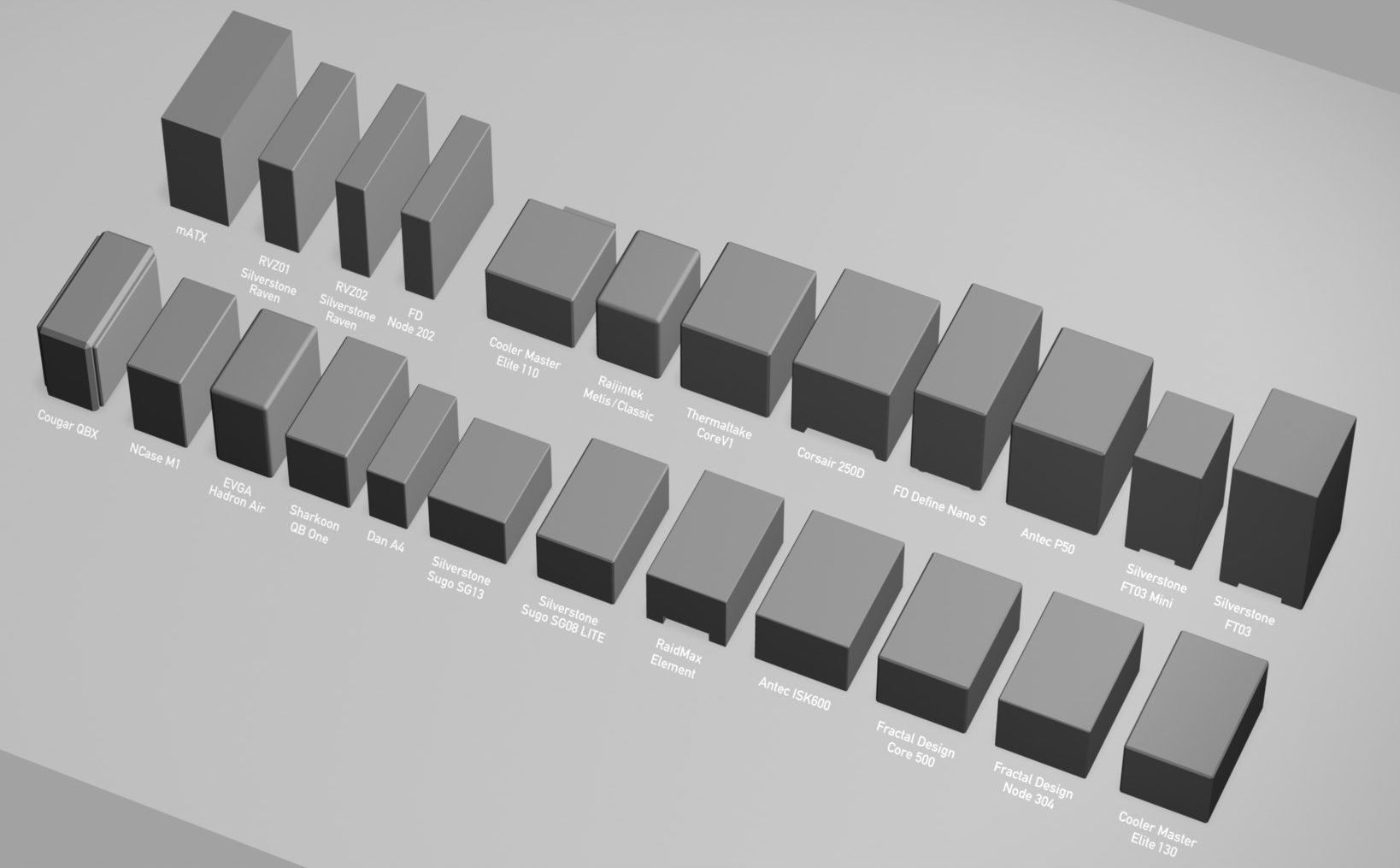
The pursuit of "maximum power in minimum size" led Atwood to explore several leading mini-ITX cases, each representing a unique approach to compact design. His primary contenders were:
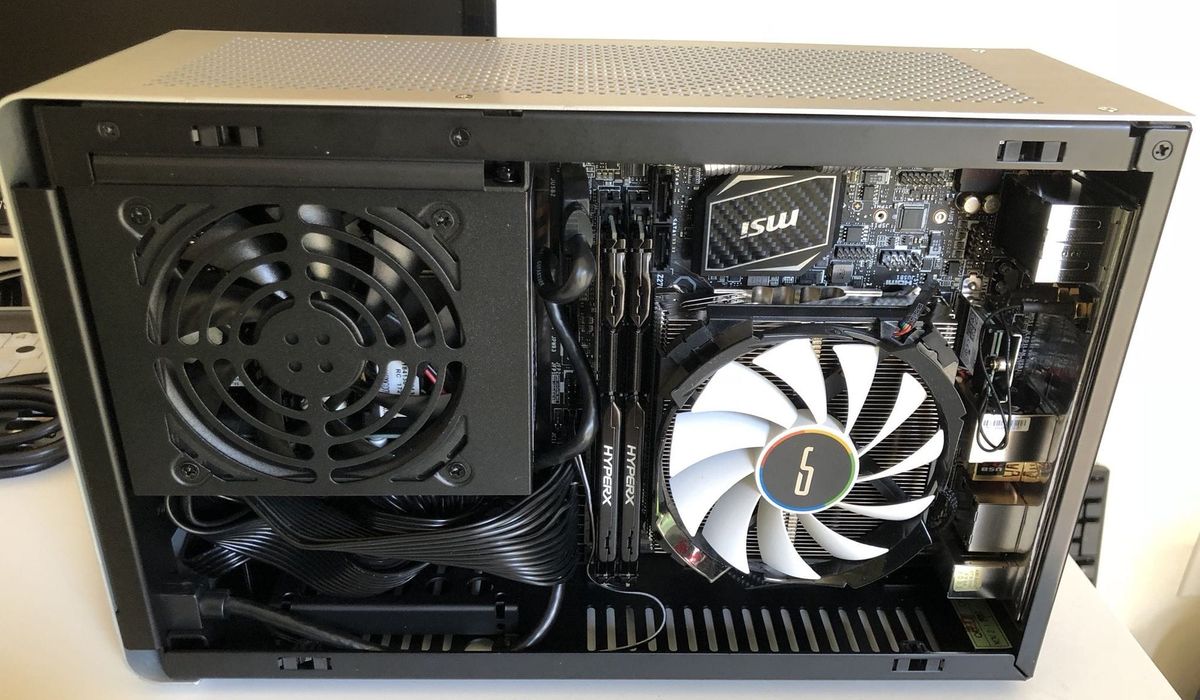
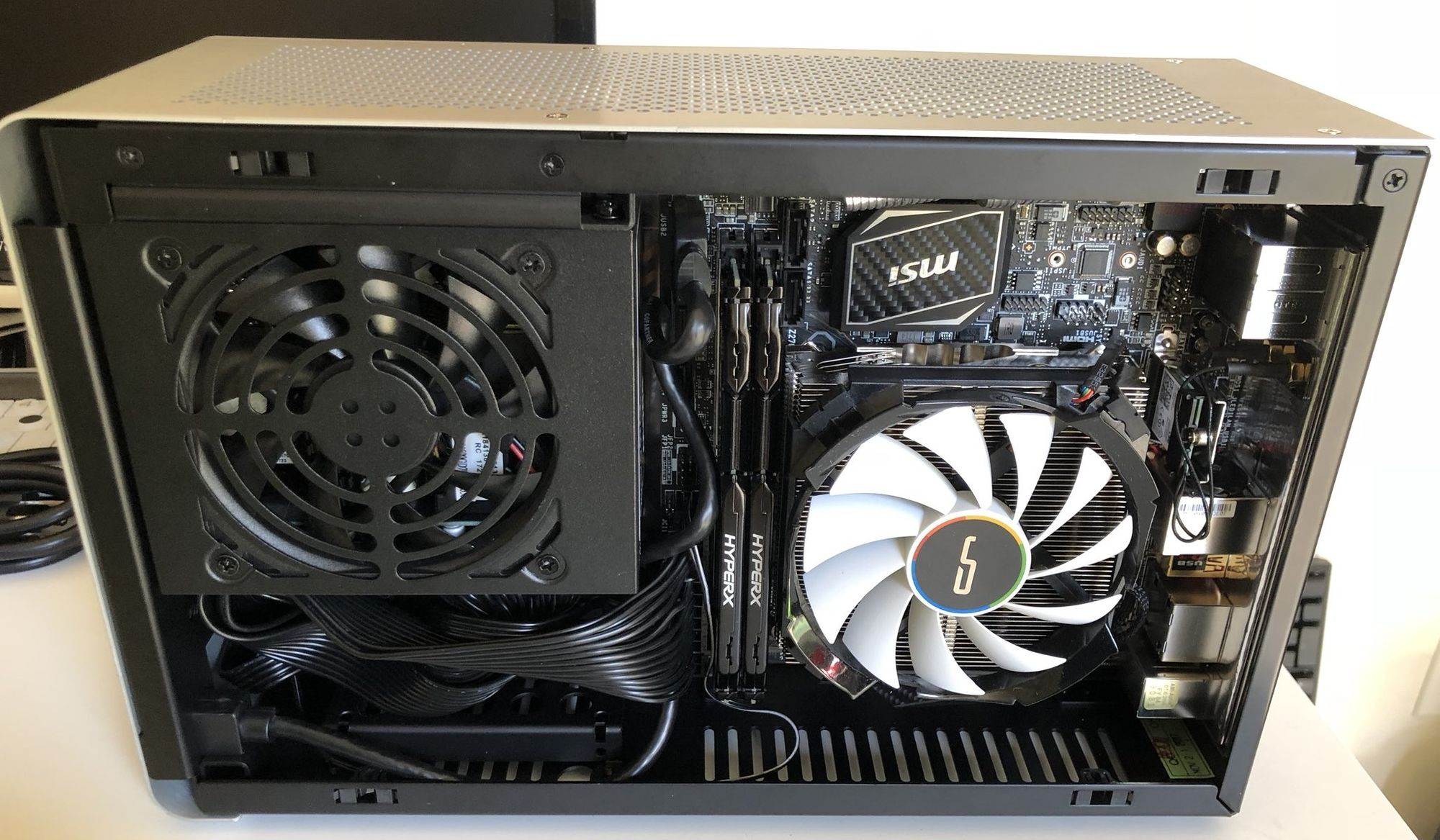
- Dan A4 SFX: A highly regarded ultra-compact case, measuring a mere 200mm × 115mm × 317mm, resulting in a volume of just 7.3 liters. This case is celebrated for its incredibly small footprint, pushing the boundaries of what’s possible with standard components.
- Streacom DA2: A slightly larger, yet still highly compact option at 180mm × 286mm × 340mm, yielding a volume of 17.5 liters. Its appeal lies in offering more flexibility for cooling and component choices while maintaining a relatively small presence.
- Silverstone RVZ02 / ML08: These cases offer a horizontal, console-like form factor, measuring 380mm × 87mm × 370mm, for a volume of 12.2 liters. They are popular for home theater PC (HTPC) setups due to their slim profile.
- nCase M1: Often cited as a benchmark for premium SFF builds, the nCase M1 measures 240mm × 160mm × 328mm, resulting in a volume of 12.6 liters. It is known for its high-quality construction and excellent component compatibility for its size.
To put these volumes into perspective, modern gaming consoles like the PlayStation 4 Pro occupy approximately 5.3 liters, and the Xbox One S about 4.3 liters. An SFF PC, even at 7.3 to 17.5 liters, delivers substantially more than double the computational power of these consoles, representing a highly efficient use of space. This comparison underscores the remarkable engineering feats achieved in contemporary mini-ITX designs, offering a potent computing solution that is still significantly smaller than traditional mid-tower PCs (which can easily exceed 40-50 liters).
The Streacom DA2: A Deeper Look at Design and Optimization
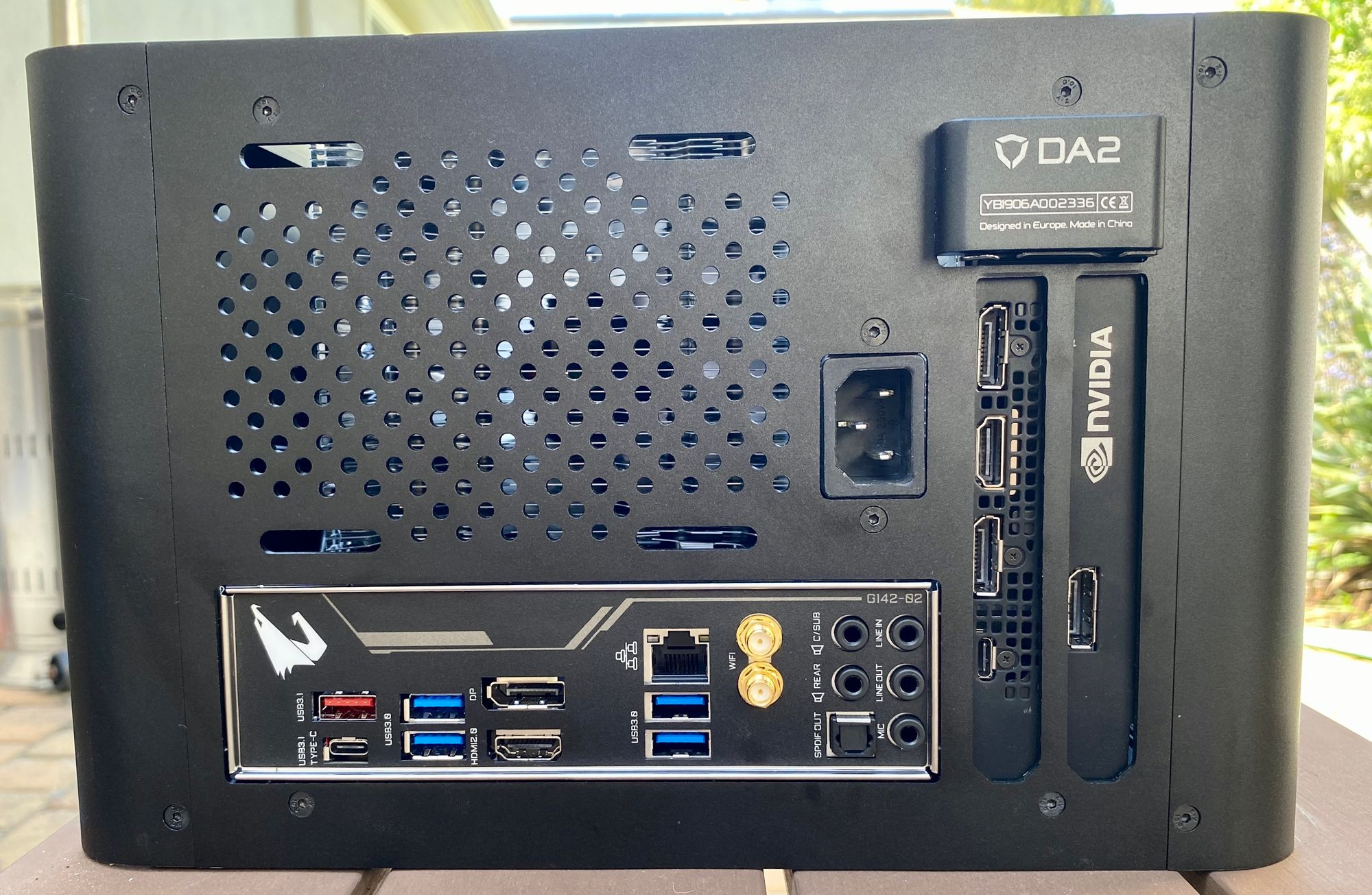
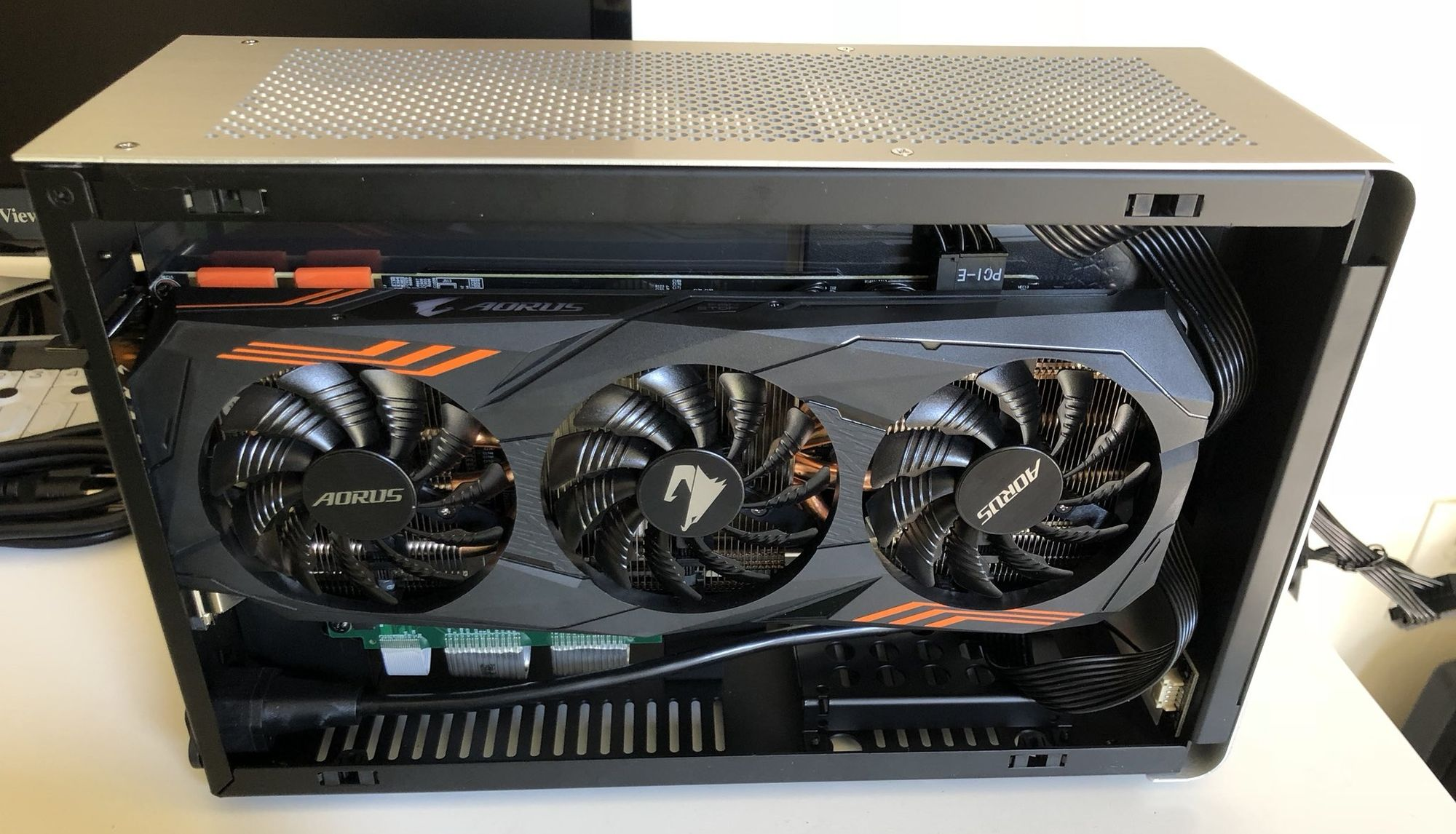
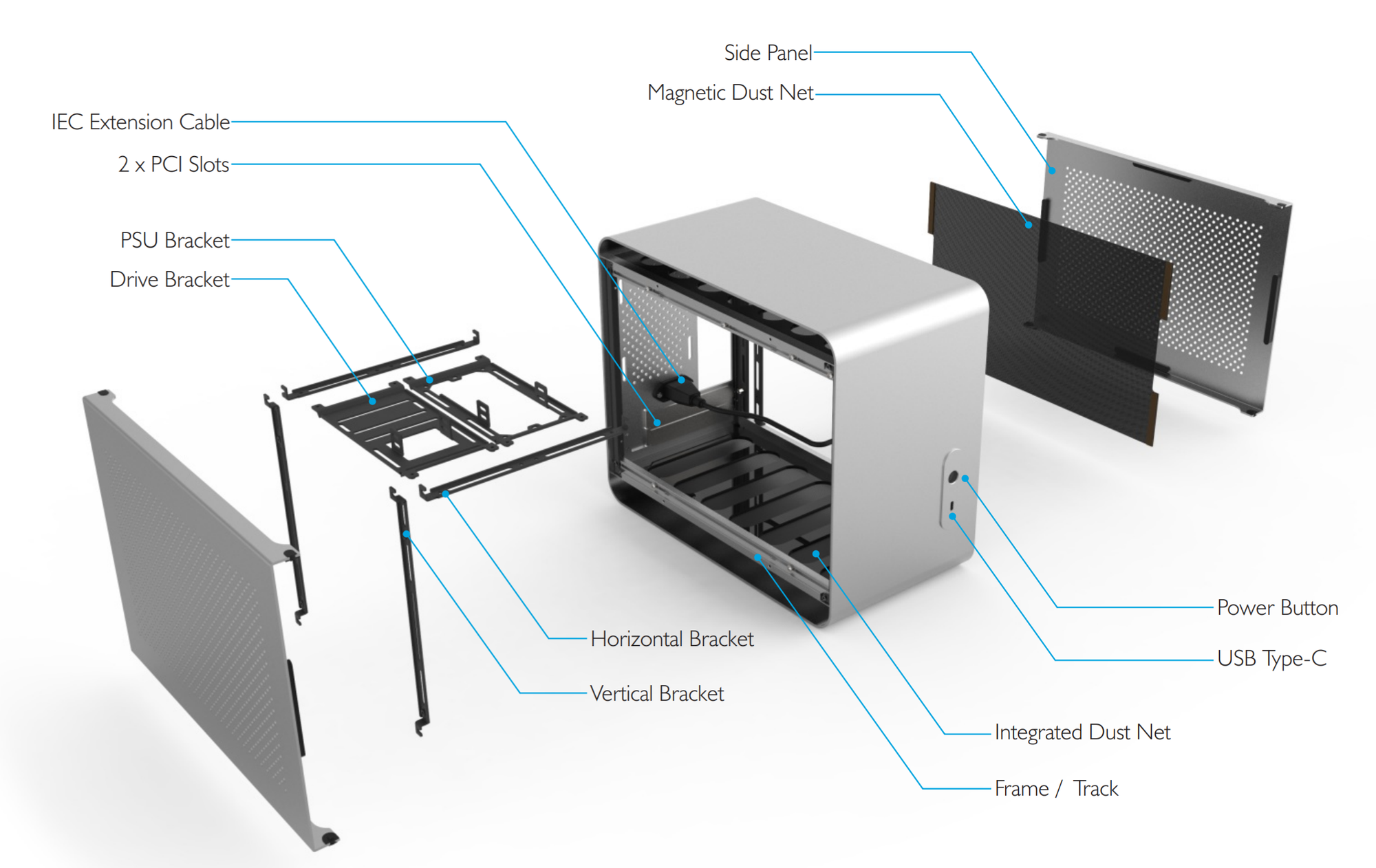
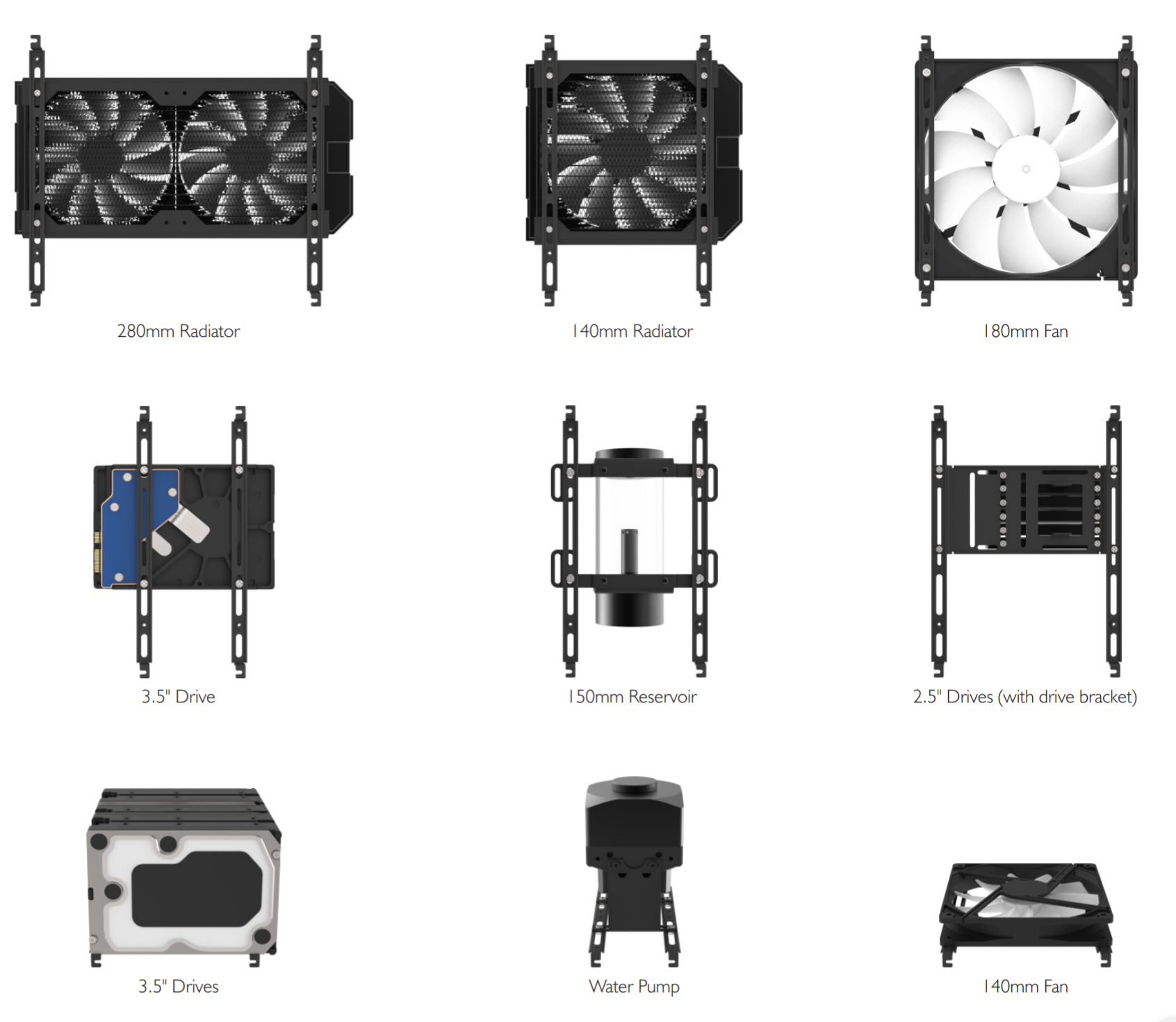
Atwood ultimately selected the Streacom DA2 for his personal build, citing its superior room for CPU and GPU cooling, a critical factor when aiming for truly powerful components within a restricted volume. The DA2’s design philosophy revolves around versatility and airflow optimization. Its hybrid open-air structure, featuring perforated top and bottom panels, is complemented by a highly adaptable internal bracket system. This system allows for flexible mounting of components like radiators, fans, and storage drives, accommodating various build configurations.
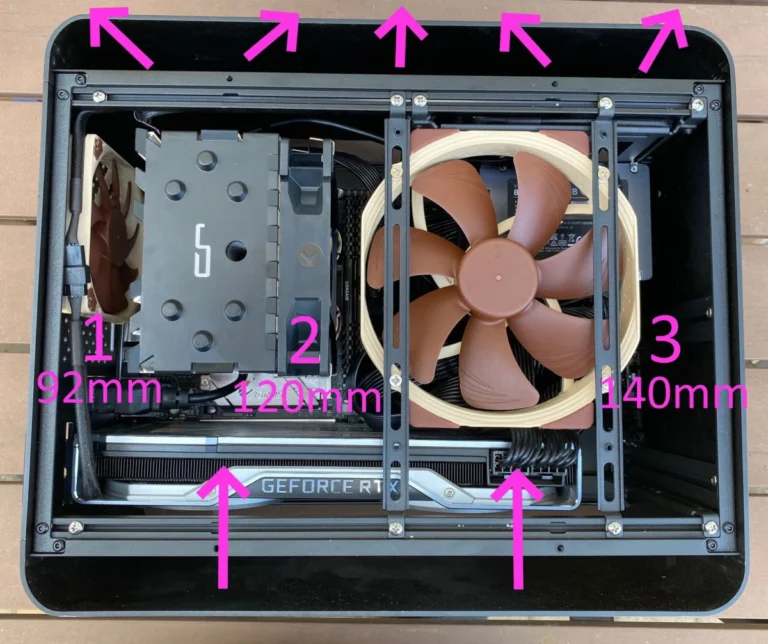
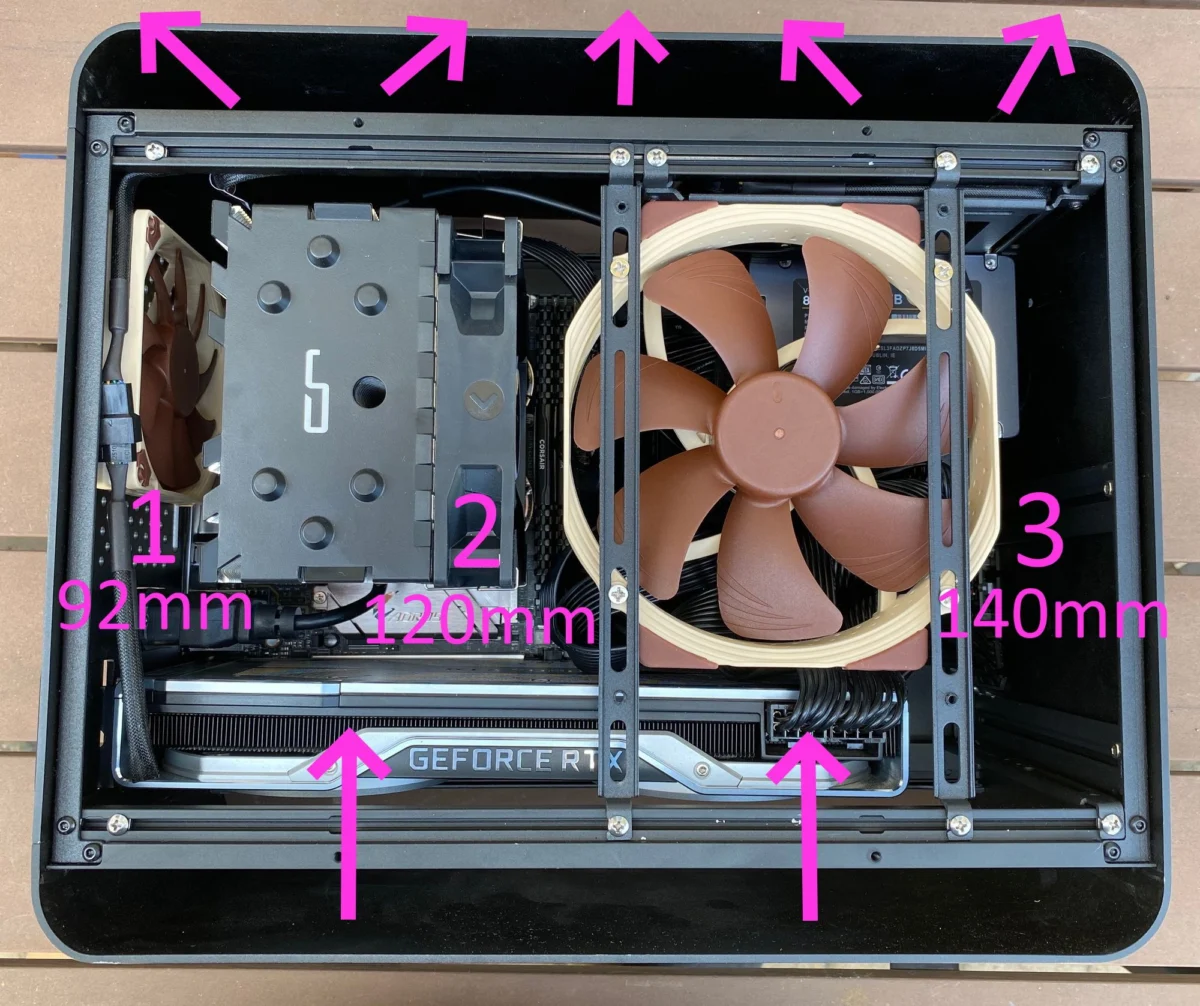
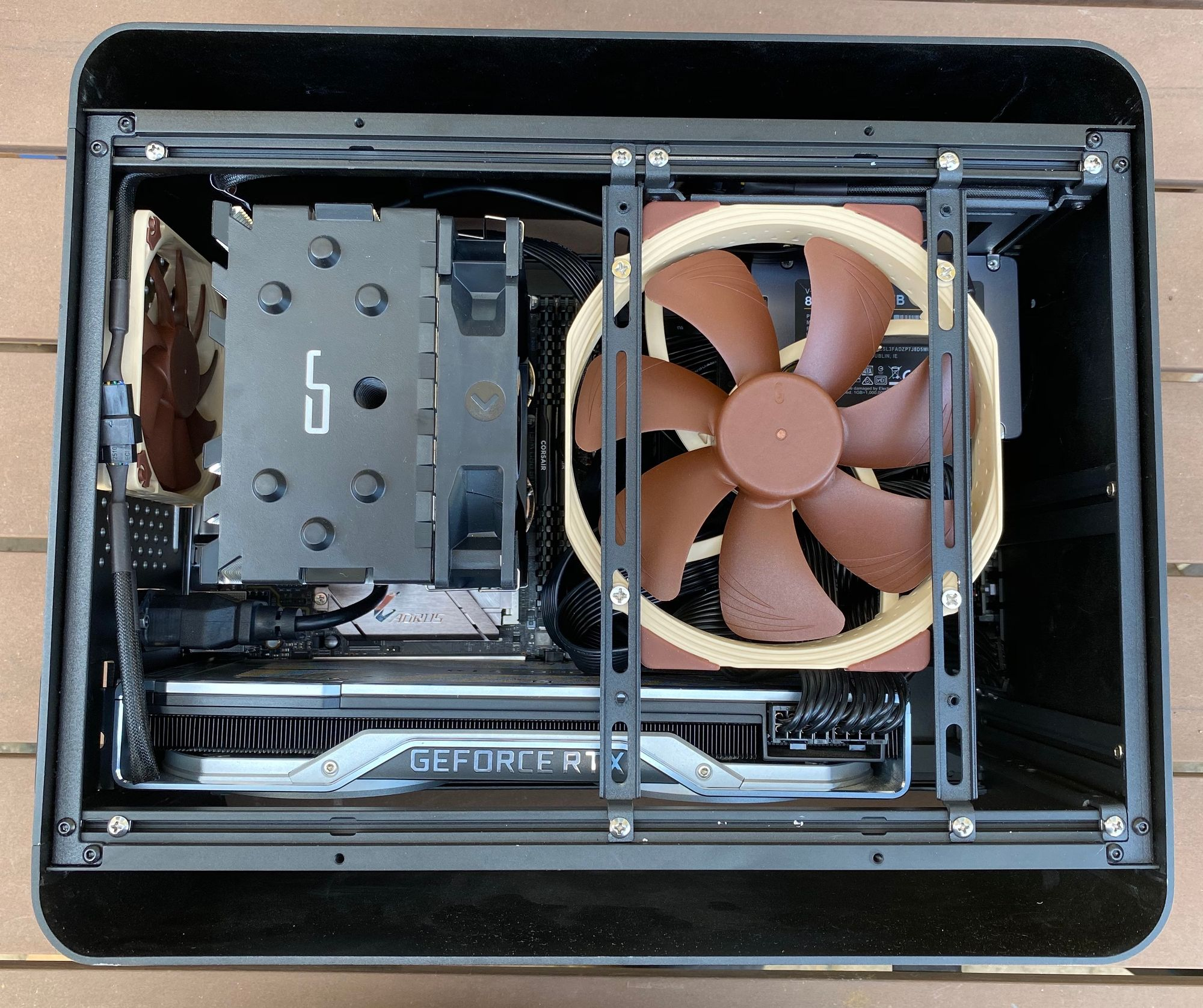
The internal bracket mechanism, utilizing a clever captured nut and bolt design, simplifies the assembly process, making it notably easier for builders to manipulate and secure components. A key recommendation from Atwood for optimizing the DA2’s thermal performance is to remove the top and bottom acrylic pieces, which are typically covered with mesh dust filters. He reported "dramatically better temperatures" after doing so, emphasizing that the case needs to "fully breathe" through its top and bottom openings, especially given its solid front panel that restricts direct frontal airflow.
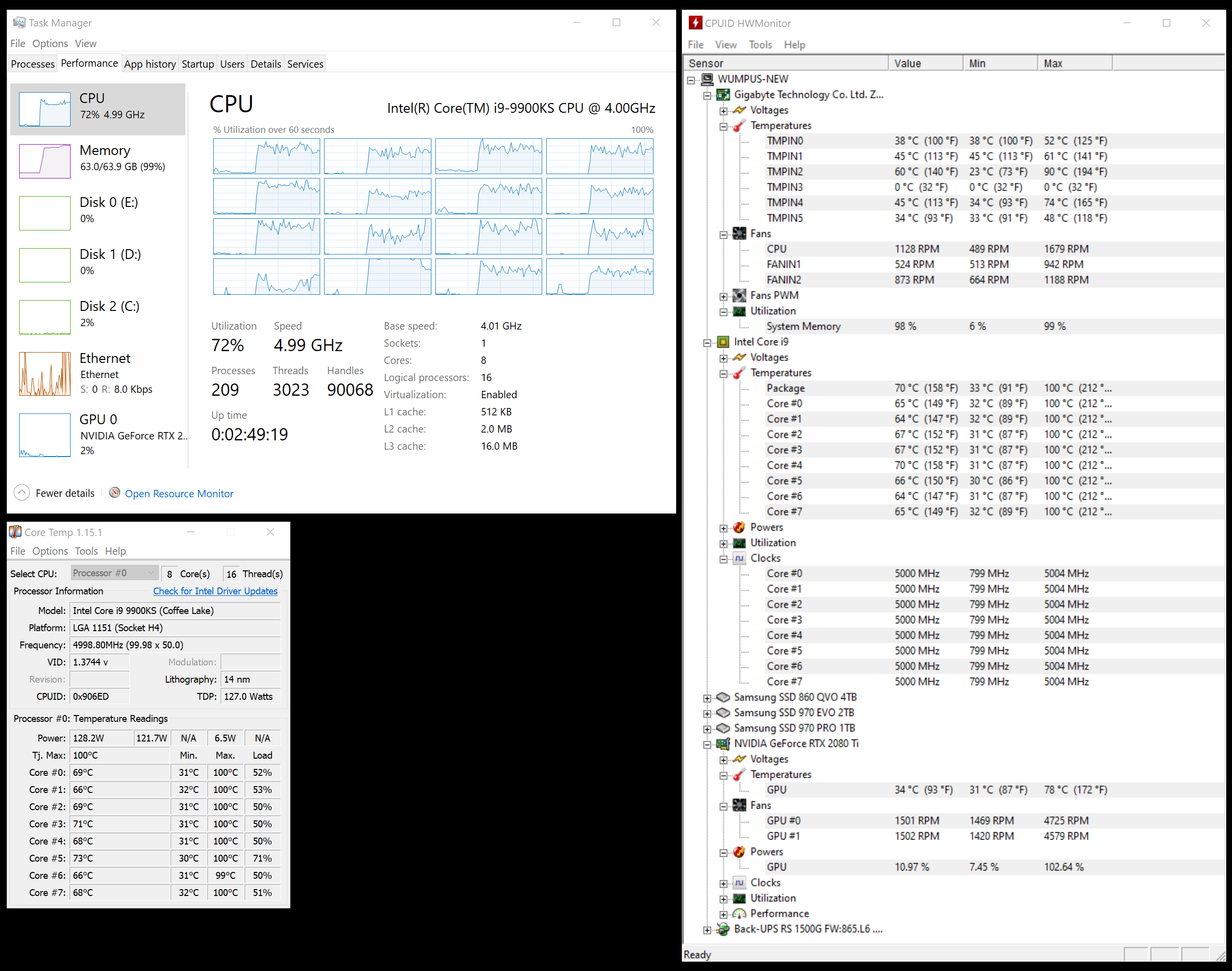
For an optimal air-cooled configuration, Atwood suggests a three-fan setup: a primary exhaust fan positioned to draw hot air away from the CPU, and two intake fans strategically placed to feed cool air to the GPU and other components. While this setup proved sufficient for his "burn-in tested" machine, he acknowledges that builders aiming for sustained, maximum CPU and GPU loads might need to consider water cooling solutions due to inherent space constraints. This highlights a persistent challenge in SFF builds: balancing raw power with effective thermal dissipation.
Challenges and Considerations in SFF Building
While the advantages of SFF PCs are compelling, they do introduce specific challenges that builders must address:
- Thermal Management: The primary concern in compact cases is heat. Restricted airflow paths and the close proximity of hot components (CPU, GPU, PSU) demand efficient cooling solutions. This often translates to higher-performance air coolers, compact liquid coolers, and careful fan placement.
- Component Compatibility: Not all components fit in SFF cases. Builders must select mini-ITX motherboards, SFX or SFX-L power supplies, shorter graphics cards (or specific models designed for SFF), and low-profile CPU coolers.
- Cable Management: The limited space makes cable routing a painstaking process, crucial for both aesthetics and unobstructed airflow. Modular power supplies are almost a necessity.
- Cost: SFF-specific components, particularly specialized cases and power supplies, can sometimes carry a premium over their full-sized counterparts due to their intricate engineering and niche market.
Despite these challenges, the industry has responded with a growing ecosystem of SFF-optimized components. GPU manufacturers are releasing shorter, dual-fan versions of powerful cards, and cooler manufacturers are innovating with low-profile designs that still offer significant cooling capacity. The evolution of M.2 NVMe drives has also dramatically reduced storage footprint, eliminating the need for bulky 2.5-inch or 3.5-inch drives in many builds.
Broader Industry Impact and Future Implications
The shift towards SFF computing, as exemplified by Atwood’s build, carries significant implications for the broader PC industry:
- Innovation in Component Design: It compels manufacturers to innovate beyond raw clock speeds, focusing on power efficiency, miniaturization, and improved thermal performance at smaller scales. This benefits not only SFF builds but also contributes to more efficient designs across all form factors.
- Resurgence of DIY PC Building: While the overall PC market has seen a rise in pre-built systems, the SFF segment fosters a passionate community of DIY enthusiasts. The intricate nature of SFF builds offers a challenging and rewarding experience that keeps the spirit of custom PC building alive.
- Expanding Market Segments: SFF PCs cater to a diverse range of users, from gamers seeking powerful yet discreet setups, to professionals requiring compact workstations, and consumers desiring sleek, powerful HTPCs. Their portability also makes them attractive for LAN parties or users who frequently move their setups.
- Aesthetics and Integration: Modern SFF cases often boast premium materials and minimalist designs, allowing them to blend seamlessly into various home and office environments without the imposing presence of traditional tower PCs. This emphasis on aesthetics is a growing factor in consumer choice.
Jeff Atwood’s observation that "packing all that power into less than 20 liters of space" is the primary innovation for 2020 and beyond is a prescient one. It signals a maturation of the PC market where brute force is being complemented, and in some cases supplanted, by elegance, efficiency, and thoughtful design. The mini-ITX revolution is not merely a niche trend but a powerful indicator of the future trajectory of personal computing, demonstrating that the desktop PC, far from being "over," is simply evolving into a more refined and adaptable form.
About the Author