Microsoft’s Xbox division experienced a notable financial contraction during the fiscal year concluded on June 30, 2026, with hardware revenue plummeting by 7 percent, equating to an estimated $1.7 billion reduction. This downturn, as disclosed in the tech giant’s latest 10-K filing, is primarily attributed to a dual challenge: a decrease in Xbox content and services revenue coupled with a significant decline in console sales volume. The fiscal year’s performance marks a critical juncture for Microsoft’s gaming ambitions, raising questions about the efficacy of its aggressive acquisition strategy and its pivot towards a subscription-first, cloud-enabled future amidst a challenging market landscape.
Deep Dive into the Financials: A Challenging Fiscal Year
The reported 7 percent overall decrease in Xbox hardware revenue underscores a more acute issue within its core console business. Microsoft’s filing revealed that "Xbox hardware revenue decreased 29 percent driven by lower volume of consoles sold." This steep drop in unit sales signals a significant hurdle for a division that has historically relied on console penetration to drive its ecosystem. Simultaneously, "Xbox content and services revenue decreased 5 percent on a prior year comparable that benefited from strong first-party content performance, offset in part by growth in Xbox Game Pass." This nuance suggests that while Game Pass continues to expand its subscriber base, its growth was insufficient to fully counteract the decline stemming from other content and services, particularly when compared to a previous year bolstered by blockbuster first-party releases. The fourth quarter, which typically sees seasonal boosts, presented an even starker picture, with Xbox content and services revenue decreasing by 10 percent. These figures paint a picture of a gaming division grappling with declining sales across multiple key segments, even as it champions its subscription service as a cornerstone of future growth. The challenge lies in converting Game Pass momentum into broader financial stability, especially when hardware sales, often seen as the gateway to the ecosystem, are faltering.
The Strategic Playbook: Acquisitions, Game Pass, and Market Realities
Microsoft’s recent history in the gaming sector has been defined by an ambitious, multi-billion-dollar acquisition strategy aimed at bolstering its first-party content library and strengthening its Game Pass offering. The most prominent of these was the near-$70 billion acquisition of Activision Blizzard, the developer behind iconic franchises like Call of Duty, World of Warcraft, and Candy Crush. This landmark deal, completed after extensive regulatory scrutiny, was touted as a transformative move designed to significantly enhance Xbox’s competitive position against rivals like Sony’s PlayStation and Nintendo. Prior to this, Microsoft had also acquired ZeniMax Media (parent company of Bethesda Softworks, id Software, and Arkane Studios) for $7.5 billion in 2021, bringing major titles like Doom, Fallout, and The Elder Scrolls under the Xbox umbrella. The rationale behind these massive investments was clear: to create an unparalleled content library that would drive subscriptions to Xbox Game Pass, making it an indispensable service for gamers.
However, the fiscal year 2026 results suggest that the full financial benefits of these acquisitions have yet to materialize in a way that offsets broader market challenges. While Xbox Game Pass has seen consistent growth in subscribers, the decline in content and services revenue indicates that either the acquired content is not yet fully integrated or performing at a level to compensate for other areas, or that the transition from a traditional game sales model to a subscription model is inherently complex and takes time to yield substantial revenue growth. Analysts have often debated the long-term profitability of such an aggressive subscription model, particularly when it cannibalizes direct game sales, a historically high-margin business. The question now looms: how long will it take for these multi-billion-dollar investments to translate into the sustained revenue growth that Microsoft’s leadership has promised?
Navigating Market Headwinds: Price Hikes and Console Challenges
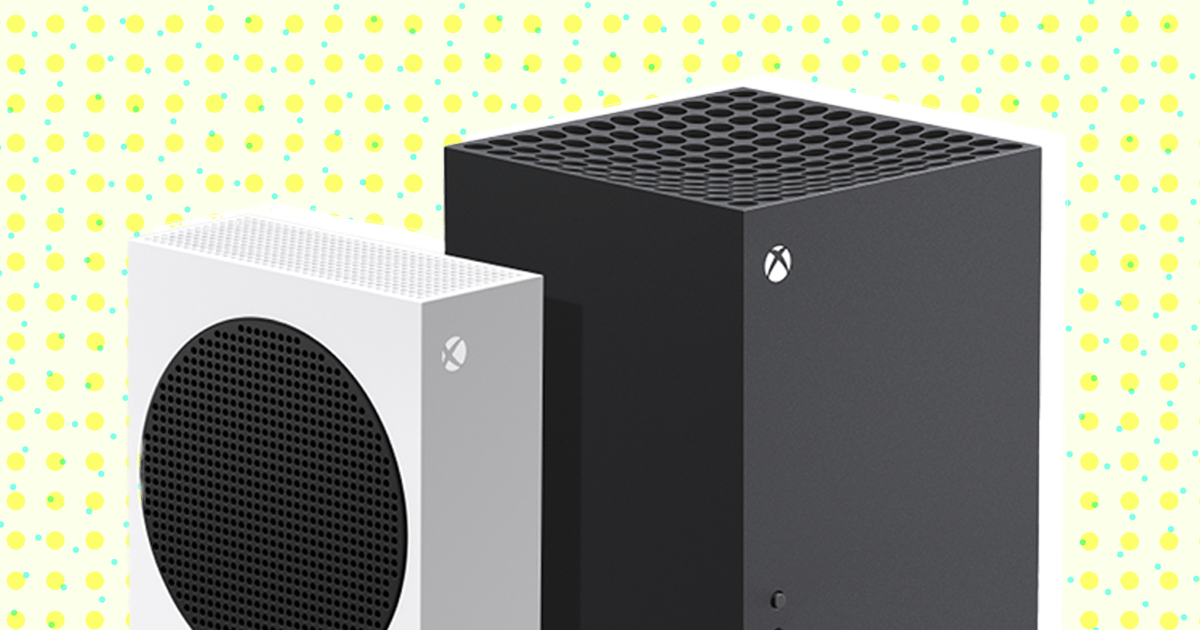
The console hardware business, a traditional pillar of the Xbox brand, has faced significant headwinds. Microsoft has openly acknowledged its struggles to move Xbox hardware in recent years, a trend exacerbated by a broader softening in the console market post-pandemic boom. The company’s response, perhaps counterintuitively, has included repeated price increases for its flagging Xbox hardware. The latest of these hikes was attributed by Microsoft to an ongoing component crisis, specifically citing widespread investment in AI data centers as a driver of increased costs for critical hardware components.
This strategy of increasing prices in a declining market segment has been met with mixed reactions from consumers and industry observers. While component costs and inflationary pressures are real, raising prices on consoles that are already struggling to sell risks further alienating potential buyers and ceding market share to competitors, particularly at a point in the console generation where hardware innovation tends to slow, and pricing becomes a more critical factor for consumers. The Xbox Series X and S, launched in late 2020, are now several years into their lifecycle, and the typical pattern sees price reductions rather than increases to stimulate demand. The decision to raise prices, therefore, highlights the intricate balance Microsoft must strike between profitability, market competitiveness, and the broader economic forces affecting its supply chain and operational costs.
The AI Pivot and Resource Allocation: A Dual Strategy
Compounding the challenges in its gaming division, Microsoft is simultaneously engaged in a massive, multi-billion-dollar investment in artificial intelligence. This strategic pivot, driven by CEO Satya Nadella’s vision, has seen the company pour unprecedented resources into AI research, development, and infrastructure. Earlier this month, Microsoft reported over $130 billion in new data center leases, a staggering figure that underscores the scale of its commitment to becoming a dominant player in the AI landscape. These investments are critical for supporting its Azure cloud computing services, which are increasingly integrating AI capabilities, and for developing new AI-powered products and services across its entire portfolio.
This dual focus on gaming and AI creates a complex dynamic within Microsoft. While both are considered strategic growth areas, the sheer scale of AI investment raises questions about resource allocation and strategic priorities. The component crisis, cited as a reason for Xbox price hikes, is directly linked to the demand for AI data centers, suggesting a potential internal competition for resources. Critics might argue that the gaming division, despite its significant cultural impact and revenue streams, could be overshadowed or under-resourced compared to the seemingly limitless potential and financial priority placed on AI. This strategic tension is a defining characteristic of Microsoft’s current corporate identity, balancing its legacy entertainment business with its future-defining technological ambitions.
Restructuring and Repercussions: The Layoff Spree
The financial pressures and strategic reevaluations within Microsoft’s gaming division have led to a series of painful and widespread layoffs. Mass job cuts have regrettably become "part-and-parcel" of Microsoft’s gaming strategy over the past few years. In July 2026, the company confirmed plans to eliminate 3,200 roles across its video game division before the end of the current fiscal year in June 2027. This latest round began with an immediate impact on 1,600 employees across notable studios, including id Software, Obsidian Entertainment, and ZeniMax Online Studios—all acquired entities. This follows previous rounds of layoffs that have affected various parts of the Xbox ecosystem.
Beyond the job cuts, Xbox has also divested from several internal studios, including Double Fine Productions, known for critically acclaimed adventure games, and Compulsion Games. These divestments signal a strategic consolidation, potentially focusing on studios with higher perceived returns or better alignment with the company’s core Game Pass strategy. However, the human cost of these "rightsizing" efforts is immense. These are not merely numbers but highly skilled professionals who contribute to the creative and technical fabric of the gaming industry. The repeated rounds of layoffs, marking the fifth such event in three years, have fostered an environment of uncertainty and anxiety among employees, raising concerns about talent retention and morale within the remaining studios.
The situation has escalated to legal action, with labor unions in both the United States and Canada taking legal steps against Microsoft. These unions allege that Microsoft has mishandled its latest round of mass layoffs, potentially violating labor laws or collective bargaining agreements. This legal challenge adds another layer of complexity to Microsoft’s restructuring efforts, highlighting the growing scrutiny of corporate practices in the tech and gaming sectors, particularly concerning employee welfare during periods of significant organizational change.
Leadership’s Vision vs. Ground-Level Realities
In response to the financial downturn and the widespread layoffs, Microsoft’s leadership has sought to reassure stakeholders and articulate a clear path forward. Microsoft CEO Satya Nadella stated that the company is making the "necessary decisions required" to reset the business for long-term growth. His sentiments were echoed by Xbox CEO Asha Sharma, who announced the cuts earlier in the month. Nadella further added, "We have the best IP in the industry, and talented studios around the world, and believe we can bring these strengths together and expect to return the business to growth in fiscal 2027." This message aims to project confidence in the company’s strategic direction and its ability to rebound.
However, the perspective from the ground level paints a more somber picture. Numerous Xbox developers impacted by the latest round of cuts recently conveyed to Game Developer that the division is "at risk of falling apart" after losing so much talent and institutional knowledge. One developer candidly remarked that "good work is not going to save your job at this company," reflecting a deep sense of disillusionment and insecurity. This stark contrast between leadership’s optimistic outlook and the palpable fear and frustration among the workforce underscores a significant internal challenge. The loss of experienced developers, particularly from studios known for their unique creative contributions, not only impacts current project pipelines but also erodes the cumulative expertise and collaborative culture that are vital for sustained innovation in game development. The question remains whether the remaining talent can truly leverage the "best IP in the industry" effectively in an environment marked by repeated layoffs and perceived instability.
Looking Ahead: The Path to "Long-Term Growth"
Microsoft’s declaration of an expected return to growth in fiscal 2027 hinges on several critical factors. The successful integration and monetization of its acquired intellectual properties, particularly from Activision Blizzard, will be paramount. This includes leveraging franchises like Call of Duty to drive Game Pass subscriptions and potentially explore new cross-platform strategies. Furthermore, the continued expansion and profitability of Xbox Game Pass will be crucial, requiring a delicate balance between acquiring new subscribers and ensuring the service remains financially viable without cannibalizing other revenue streams excessively. Innovation in cloud gaming and strengthening the Xbox ecosystem beyond traditional console sales will also be key drivers.
However, the path is fraught with challenges. The declining console market, intense competition, and the ongoing ramifications of the component crisis and AI investments will continue to exert pressure. Rebuilding employee morale and trust after multiple rounds of layoffs will be a long-term endeavor, essential for fostering creativity and retaining top talent. The legal actions from unions also present a potential reputational and financial risk. For Microsoft’s gaming division to truly achieve "long-term growth," it will require not only shrewd strategic decisions but also a renewed focus on its workforce, a clear articulation of its value proposition to consumers, and an adaptable approach to a rapidly evolving global entertainment landscape. The coming fiscal years will be critical in determining whether Xbox can indeed reset and thrive, or if its ambitious strategies will continue to be overshadowed by financial contraction and internal upheaval.
About the Author