The extended reality (XR) industry reached a significant turning point this week, marked by the sudden judicial liquidation of a prominent European hardware manufacturer and a series of strategic technical updates from market leaders Meta and NVIDIA. While the Game Developers Conference (GDC) provided a platform for ecosystem updates, the news was tempered by reports of potential mass layoffs at Meta and ongoing legal challenges regarding user privacy in the age of artificial intelligence.
The Collapse of European Hardware: Lynx Enters Judicial Liquidation
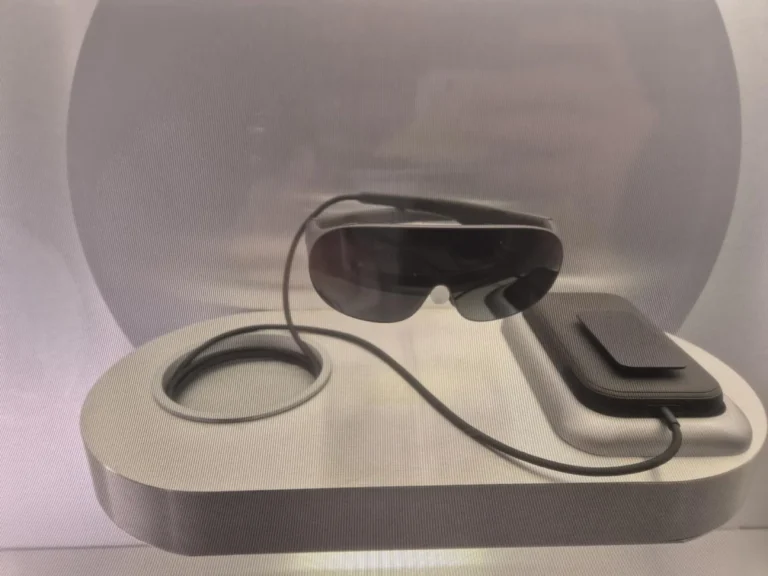
In a major blow to the European technology sector, the French startup Lynx, recognized for developing the Lynx-R1 standalone mixed reality (MR) headset, has officially entered judicial liquidation. The company, which positioned itself as a sovereign European alternative to American and Chinese XR giants, had recently announced plans for a successor device, the Lynx R2.
The liquidation process follows a period of financial instability and manufacturing hurdles that plagued the company since its initial Kickstarter campaign. While the Lynx-R1 was lauded for its innovative open-source approach and unique catadioptric optics, the firm struggled to scale production and compete with the subsidized hardware pricing of larger competitors. Under French law, judicial liquidation typically involves the cessation of business activities and the sale of assets to repay creditors.
Industry analysts suggest that the intellectual property and hardware designs for the R2 could still be acquired by a third party. However, without a strategic buyer, the disappearance of Lynx leaves a significant vacuum in the European XR hardware landscape, where few companies are currently producing consumer-grade standalone MR devices.

Meta Outlines the State of the VR Ecosystem at GDC
During the annual Game Developers Conference, Chris Pruett, Director of Content Ecosystem at Meta, delivered a comprehensive update on the "State of the VR Ecosystem." The presentation focused on the transition of the Meta Horizon Store and provided data-driven guidance for developers navigating the current market.
A primary takeaway from Pruett’s address was the shifting priority from user acquisition to user retention. Internal Meta data indicates that the most successful applications on the Quest platform are those that foster long-term engagement rather than initial viral downloads. Pruett emphasized that "corporate word salad" aside, the technical maturity of the platform now allows for more sophisticated social integration and mixed reality features, which are becoming standard expectations for Quest 3 users.
While Meta did not announce new hardware at the event, the company reaffirmed its commitment to the "Horizon" brand, moving away from the "Oculus" legacy. The focus remains on building a sustainable economy for developers, with Meta highlighting that hundreds of titles have now surpassed the $1 million revenue mark on the Horizon Store.
Technical Specifications Leak for Meta’s Upcoming Puffin Headset
As Meta refines its software ecosystem, new details have emerged regarding its hardware roadmap. Industry analysts and supply chain leakers, including hardware researcher Brad Lynch, report that Meta has selected SeeYa Tech as the primary manufacturer for MicroOLED displays for a device codenamed "Puffin."
According to the reports, the production lines for these displays are nearing readiness. The rumored specifications suggest a resolution of 2560 x 2560 pixels per eye. If accurate, this would represent a significant increase in pixel density compared to the current Quest 3, which utilizes LCD technology. The move to MicroOLED would allow for a more compact form factor, improved contrast ratios, and better energy efficiency—key requirements for a "pancake" lens optical stack.

NVIDIA Advances Cloud Streaming Capabilities for visionOS and GeForce Now
NVIDIA has announced two major updates to its XR streaming portfolio, targeting both the consumer and enterprise sectors. First, the company has upgraded its GeForce Now service to support a 90Hz refresh rate for VR headsets. This update is specifically designed for playing traditional "pancake" games on a large virtual screen within a headset. By increasing the refresh rate from 60Hz to 90Hz, NVIDIA aims to reduce latency and improve visual fluidity, addressing common complaints regarding motion sickness and eye strain in virtual cinema environments.
Simultaneously, NVIDIA confirmed that its CloudXR suite is now compatible with Apple’s visionOS. This integration allows the Apple Vision Pro to stream high-fidelity XR content directly from local workstations or cloud-based servers. This is a critical development for the enterprise market, enabling architects, engineers, and designers to render complex 3D models and high-polygon environments in real-time within the Vision Pro’s mixed reality interface, bypassing the device’s internal mobile processor limitations.
Corporate Restructuring and Legal Volatility at Meta
Despite its technical advancements, Meta faces internal and external pressures. Reports from Reuters indicate that the company is considering a further 20% reduction in its total workforce. While it remains unclear if these layoffs will specifically target the Reality Labs division, the move is reportedly driven by the rising costs of AI infrastructure. Meta is increasingly utilizing AI to automate internal processes, leading to a decreased requirement for human personnel in certain administrative and technical roles.
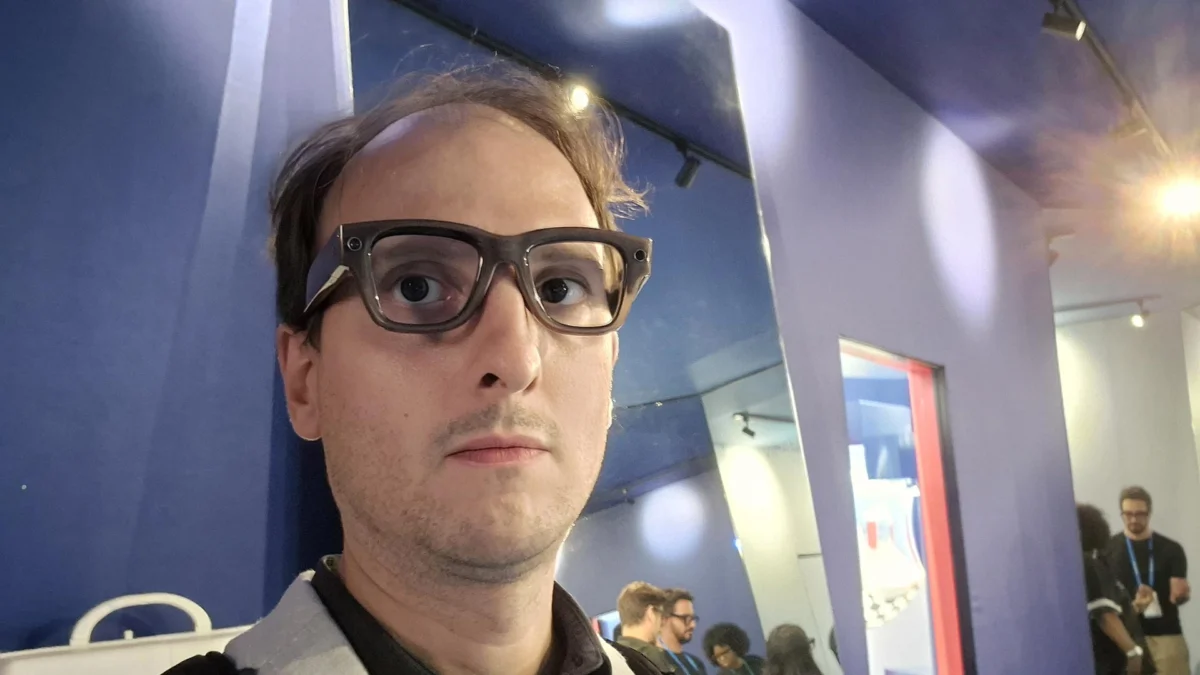
On the legal front, Meta has been hit with a second class-action lawsuit filed by Wolf Popper LLP. The lawsuit centers on privacy concerns regarding the Meta AI integration in the Ray-Ban Meta smart glasses. The litigation alleges that human reviewers have access to video and audio data recorded by the devices when users interact with the AI assistant, raising questions about informed consent and data security.
Valve Establishes "Steam Frame" Performance Standards
Valve has introduced a new certification program titled "Steam Frame Verified" to standardize performance expectations for games on its platform. To earn the badge, VR titles must maintain a consistent 90 frames per second (FPS). This requirement is significantly higher than the 30 FPS floor set for non-VR titles.

While the certification is currently optional, it serves as a benchmark for hardware compatibility. Analysts believe this move is a precursor to Valve’s next generation of hardware, ensuring that the software library is optimized for high-performance VR. Unlike the strict requirements for the Steam Deck, Valve is not currently barring non-compliant games from the store, but the "Verified" badge is expected to become a powerful marketing tool for developers.
Expanding the Content Landscape and Industrial Metrics
The XR software market continues to diversify with several notable updates:
- Ray-Ban Meta OS Update: Meta released a significant firmware update for its smart glasses, introducing new app integrations and voice-controlled minigames.
- Gracia Gaussian Splats: The startup Gracia has successfully demonstrated the streaming of Gaussian Splats via WebXR. This technology allows for the viewing of highly realistic, photogrammetric 3D scenes in a web browser with minimal quality loss compared to offline versions.
- Enterprise Metrics: A report by UC Today highlighted that industrial adoption of XR is increasingly dependent on Return on Investment (ROI) metrics rather than "innovation appeal." Companies are prioritizing XR solutions that demonstrate measurable savings in training costs and reductions in manufacturing errors.
As the industry moves toward the second half of the decade, the focus has clearly shifted toward technical refinement and economic viability. The loss of Lynx highlights the difficulty of hardware independence in a market dominated by trillion-dollar entities, while the advancements from NVIDIA and Meta suggest that the future of spatial computing will be defined by cloud integration and high-resolution MicroOLED optics.
About the Author