In an industry often defined by opening weekend sales and immediate commercial success, the trajectory of Remedy Entertainment’s 2010 action-adventure title, Alan Wake, stands as a compelling anomaly. Initially met with a lukewarm commercial reception, particularly in the crucial North American market where it was famously labeled a "US sales nightmare" by some outlets, the game defied conventional expectations to achieve a remarkable "second life," eventually surpassing two million units sold years after its debut. This enduring appeal, which firmly cemented its status as a certified cult classic, is predominantly attributed to its captivating narrative, distinctive storytelling approach, and a meticulously crafted script that resonates with players long after the credits roll.
From Conception to Commercial Reality: The Genesis of Alan Wake
Remedy Entertainment, a Finnish studio renowned for its innovative action titles like the Max Payne series, embarked on Alan Wake‘s development with ambitious goals. First announced in 2005, the project initially envisioned an expansive open-world horror experience. However, over its protracted five-year development cycle, the team made a strategic pivot towards a more focused, linear, and episodic narrative structure. This decision, influenced by both technical challenges and a desire to enhance the storytelling, proved instrumental in shaping the game’s unique identity. Microsoft Game Studios partnered with Remedy as the publisher, a collaboration that brought significant resources but also subjected the game to the high expectations of a major platform holder.
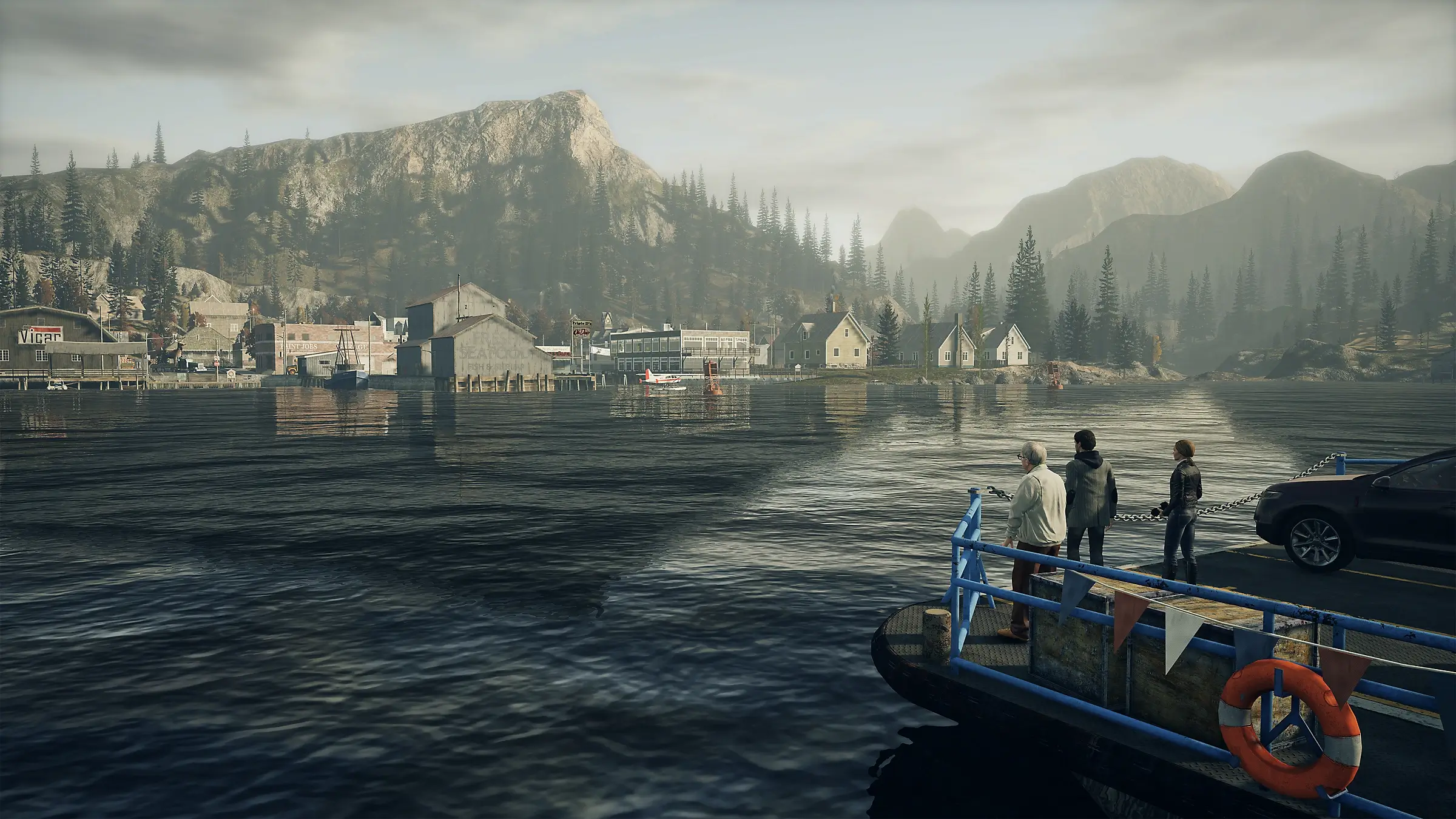
Upon its release in May 2010 exclusively for the Xbox 360, Alan Wake garnered generally positive reviews from critics. Praise was frequently directed at its atmospheric Pacific Northwest setting, engaging psychological thriller plot, and innovative combat mechanics that emphasized the strategic use of light against shadowy foes. Metacritic scores averaged in the high 80s, reflecting a strong critical reception. However, this critical praise did not immediately translate into robust commercial performance. Initial sales figures were modest, especially when compared to the marketing investment and the broader competitive landscape of the spring 2010 release window, which included other high-profile titles. Industry analysts pointed to a confluence of factors, including a perceived niche appeal for its psychological horror elements and perhaps a release date that placed it against established franchises.
The Slow Burn to Cult Status: A Narrative-Driven Renaissance
Despite the initial commercial headwinds, Alan Wake‘s journey was far from over. Its eventual rise to cult classic status is a testament to the power of word-of-mouth, critical re-evaluation, and strategic re-releases. The game found a new audience when it was finally released on PC in 2012, a platform where it performed significantly better commercially and was lauded for its optimized visuals and performance. Subsequently, digital distribution channels, backward compatibility on Xbox platforms, and its inclusion in services like Xbox Game Pass exposed Alan Wake to a broader player base over the years. By 2013, Remedy announced that the original Alan Wake had crossed the two million sales mark, a substantial achievement for a title that initially struggled to find its footing. This resurgence culminated in the release of Alan Wake Remastered in 2021, bringing the game to modern consoles and PC with updated visuals, further cementing its legacy and introducing it to a new generation of players.
A significant portion of this enduring appeal, as widely acknowledged by players on platforms like Reddit, stems from the game’s compelling and intricate narrative. While some critics noted the combat could become repetitive, the consensus among fans is that the story’s strengths overwhelmingly compensate for any perceived shortcomings. The game masterfully crafts a psychological thriller that blurs the lines between reality and fiction, drawing players into the tortured mind of its protagonist.
The Story of Alan Wake: A Descent into the Narrative Abyss
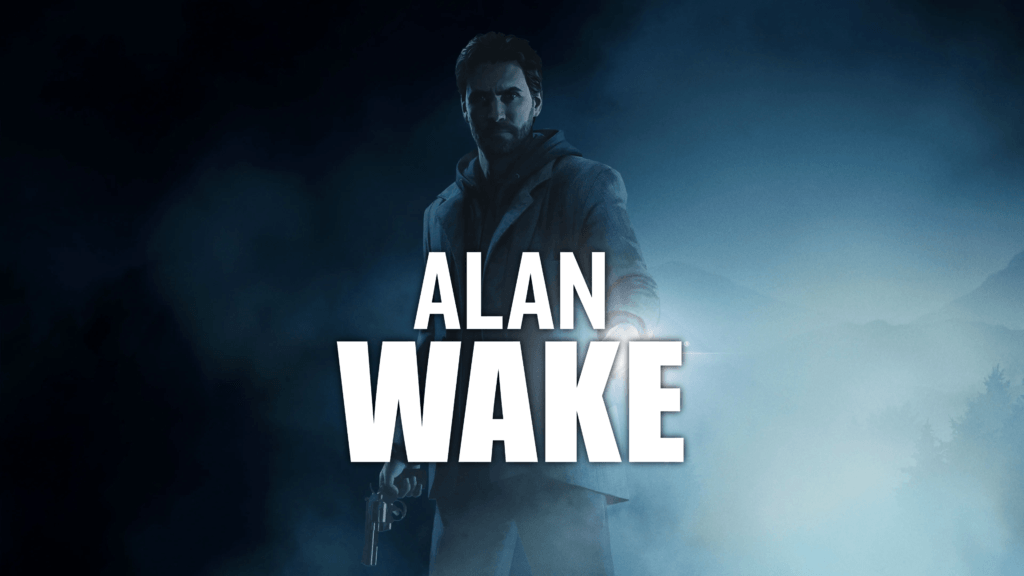
Alan Wake thrusts players into the shoes of the titular character, a bestselling crime novelist grappling with writer’s block. Seeking solace and inspiration, Alan and his wife, Alice, embark on a quiet vacation to the picturesque, secluded town of Bright Falls, Washington. Their peaceful retreat quickly descends into a surreal nightmare when Alice mysteriously vanishes during a power outage. Alan soon discovers pages of a manuscript he has no recollection of writing, depicting events that eerily begin to unfold around him. Pursued by shadowy entities known as the Taken, manifestations of a malevolent supernatural force called the Dark Presence, Alan must navigate a reality where his fiction literally comes to life. His desperate quest is to uncover the truth behind Alice’s disappearance, defeat the encroaching darkness, and reclaim his love, all while his own sanity teeters on the brink.
The game’s narrative prowess is significantly enhanced by its unique presentation, consciously mimicking the structure of a premium television series. Each of the game’s six episodes features a "previously on Alan Wake" recap at the beginning and a thrilling cliffhanger at the end, complete with licensed music during the credits. This episodic format heightens the small-town mystery vibe, creating a sense of escalating tension and encouraging players to eagerly anticipate the next installment. The story is a relentless psychological thriller, replete with unpredictable twists and turns that ensure the player is never truly comfortable. Every revelation tends to raise more questions than it answers, fostering a constant state of intrigue and suspense.
The core thematic exploration of Alan Wake delves into the nature of creativity, the blurred boundaries between fiction and reality, and the struggle against inner demons. The ending, in particular, delivers a powerful message about confronting one’s inner darkness and accepting that some mysteries transcend logical explanation. As the events unfold, the accompanying dialogue and internal monologues add profound layers to the overarching mystery, making the spoken and written word as critical to the experience as the action itself.
The Architects of Dialogue: Memorable Quotes from Bright Falls
The strength of Alan Wake‘s narrative is profoundly amplified by its exceptional script and memorable dialogue. From the protagonist’s tormented introspection to the supporting cast’s distinctive voices, each character contributes lines that deepen the lore, propel the plot, and etch themselves into the minds of players.
Alan Wake
As the game’s central figure, Alan Wake is a complex and often tortured soul. A brilliant but weary crime-thriller writer, he struggles with his own creative demons and a desperate love for his wife. His lines frequently reflect his battle to maintain a grip on reality amidst the surreal horrors of Bright Falls, offering insight into his pensive, aggressive, and sometimes sympathetic nature.
- "It’s not a lake, it’s an ocean." — This pivotal line, delivered with a sense of dawning horror, encapsulates the vast, incomprehensible nature of the Dark Presence and the depths of the supernatural threat Alan faces, revealing the true scale of the power he confronts.
- "To make sense of it, I had to write it. But I wrote myself into a corner." — This quote speaks to Alan’s meta-narrative struggle, highlighting his role as both author and character within the story, trapped by the very words he seemingly creates.
- "A writer’s mind is a dangerous place." — A poignant reflection on the creative process itself, suggesting that the wellspring of imagination can also be a source of terror and self-destruction, particularly when exploited by a malevolent force.
- "The only way out is through." — A mantra of grim determination, signifying Alan’s resolve to confront the darkness head-on, even if it means sacrificing himself to save Alice and escape the nightmare.
Barry Wheeler
Barry Wheeler serves as Alan’s eccentric, outspoken, and fiercely loyal literary agent and best friend. His often-comedic relief provides a much-needed counterpoint to the game’s pervasive tension, yet his determination to help Alan find Alice underscores his deep friendship. Barry’s lines are typically characterized by his practicality, concern, and often bewildered reactions to the supernatural events unfolding around them.
- "I’m your agent, not your bodyguard!" — This exasperated exclamation perfectly captures Barry’s initial unpreparedness for the supernatural chaos, highlighting his role as a grounded, if somewhat overwhelmed, foil to Alan.
- "This is just like one of your books, Alan! Except… real!" — A direct acknowledgment of the meta-narrative elements, as Barry recognizes the uncanny parallels between their predicament and Alan’s fictional worlds, adding to the game’s self-awareness.
- "I brought you some flares, you know, for the darkness. And some snacks." — A quintessential Barry line, blending his practical (if somewhat naive) attempts at heroism with his endearing concern for comfort, even in the face of terror.
- "Don’t tell me this is part of the therapy. I’m not doing therapy in a cabin with a crazy old man!" — Reflecting his initial skepticism and desire for logical explanations, even as he is dragged deeper into the inexplicable.
Thomas Zane
Thomas Zane is not a conventional character in Alan Wake, existing more as an enigmatic, spectral presence. A famous poet who vanished decades prior, Zane serves as a cryptic guide and a pivotal figure in Alan’s journey. His words are imbued with a dreamlike, poetic quality, often providing philosophical insights and crucial clues from beyond the physical realm.
- "The writer controls the story." — A profound statement that speaks to the game’s core theme of authorship and creation, suggesting that reality itself can be shaped by the power of words, and hinting at Alan’s ultimate role.
- "To write a story, you must live it." — This line encapsulates the harrowing experience Alan undergoes, implying that true artistic creation demands personal sacrifice and immersion in the subject matter, blurring the lines between art and life.
- "A work of art can have many meanings." — A philosophical observation that invites players to interpret the complex layers of Alan Wake‘s narrative, acknowledging the subjectivity of storytelling and the enduring mystery of its events.
- "You are meant to be here. This is your place." — A chilling and prophetic statement that suggests Alan’s arrival in Bright Falls is not coincidental but fated, tying him directly to the Dark Presence and the town’s supernatural history.
The Rest of the Characters in Alan Wake
Even minor characters and the world itself contribute to the rich tapestry of dialogue, adding flavor and depth.
- Sheriff Sarah Breaker: "This town has its secrets, Alan. You wouldn’t be the first to find that out the hard way." — A pragmatic and world-weary law enforcement officer, her lines often ground the narrative in the local folklore and the long-standing strangeness of Bright Falls.
- Cynthia Weaver: "The light. It’s safe in the light." — The reclusive "Lamp Lady" provides unsettling, often childlike, wisdom that reinforces the game’s central light-versus-darkness mechanic and theme.
Lighter Moments in Alan Wake
Despite its psychological horror leanings, Alan Wake is punctuated by moments of dark humor and levity, often delivered through character interactions or environmental storytelling.
- The Old Gods of Asgard (Odin and Thor Anderson): "Heavy metal, that’s what we play! We are the Old Gods of Asgard!" — These aging rock stars, residents of the Cauldron Lake Lodge, provide unexpected comic relief and a touch of surreal rock-and-roll mythology, their music often used to amplify moments of chaos or triumph.
- Barry’s Allergy Medication: His constant sniffing and complaints about pollen, even amidst supernatural terror, serve as a recurring, relatable, and often humorous human element in an otherwise otherworldly crisis.
- The "Night Springs" TV Show: The fictional, Twilight Zone-esque series playing on televisions throughout Bright Falls offers bizarre, self-referential narratives that parody the game’s own themes and provide moments of unsettling amusement.
Broader Impact and Enduring Legacy
Alan Wake‘s journey from a commercially challenging launch to a beloved cult classic profoundly influenced Remedy Entertainment’s trajectory. The studio’s unwavering belief in the intellectual property, despite initial sales, showcased their commitment to narrative-driven experiences. This dedication bore fruit in subsequent titles like Control, which not only built upon Remedy’s unique storytelling style but also explicitly connected to Alan Wake through its shared universe, the "Remedy Connected Universe."
The game stands as a powerful testament to the idea that an intricate narrative, compelling characters, and meticulously crafted dialogue can transcend initial commercial performance and gameplay criticisms to forge a lasting legacy. It demonstrated that players often value a deep, immersive story experience over raw sales numbers. The constant fan discourse, analyses of its plot twists, and admiration for its quotes have cemented its place in gaming history.
The enduring appeal of Alan Wake is perhaps best exemplified by the highly anticipated and critically acclaimed sequel, Alan Wake 2, released 13 years after the original. This continuation not only revisited the beloved characters and lore but also pushed the boundaries of interactive storytelling and psychological horror, proving that the foundation laid by the original was robust enough to support a new generation of narrative innovation. The quotes from Alan Wake are more than mere lines of dialogue; they are fragments of a deeply immersive experience, etched into the collective memory of the gaming community, and a testament to how profoundly an intricate narrative and dialogue can define a game’s identity.
About the Author