The ubiquitous double jump, a staple mechanic enriching countless platforming experiences from classic titles like Castlevania: Symphony of the Night and Crash Bandicoot to beloved franchises such as Kirby and Banjo-Kazooie, has long been a cornerstone of interactive locomotion. Its seamless integration into modern game development workflows is critical for creators aiming to deliver fluid and engaging player experiences. Recent developments within Unreal Engine 5 (UE5) highlight a significant commitment to simplifying the implementation of such fundamental mechanics, offering developers a remarkably straightforward path to incorporating multi-jump capabilities, coupled with essential animation refinements, directly into their projects. This advancement underscores a broader industry trend towards more accessible and efficient development tools, empowering creators to focus more on innovative design and less on complex foundational coding.
The Enduring Legacy of the Double Jump in Gaming
The double jump, a seemingly simple action allowing characters to execute a second leap mid-air, holds a storied place in video game history. While its exact origin is debated, early examples in games like Kid Icarus (1986) and Dragon Buster (1985) showcased its potential. It gained widespread recognition and became a defining feature of the platforming genre throughout the 1990s and 2000s. Its enduring appeal lies in its ability to expand player agency, introduce new layers of environmental puzzle-solving, and provide a satisfying sense of aerial control. For many game designers, the double jump isn’t merely a movement option; it’s a tool for crafting intricate level design, encouraging exploration, and providing an immediate, tactile reward for player input. The mechanic offers a flexible design space, allowing for varied implementations from short, tactical hops to expansive, gravity-defying maneuvers, each contributing uniquely to a game’s feel and challenge. Its prevalence across diverse genres, from action-adventure to role-playing games, speaks to its universal utility and player acceptance, making its efficient integration a priority for any modern game engine.
Unreal Engine 5: A New Era of Development Efficiency
Unreal Engine 5, Epic Games’ flagship development platform, has rapidly solidified its position as a leading tool for creating high-fidelity interactive experiences. Renowned for its cutting-edge rendering technologies like Nanite and Lumen, UE5 has also placed a strong emphasis on developer-friendly workflows and robust, accessible tools. The simplification of common gameplay mechanics, such as the double jump, exemplifies this philosophy. By abstracting away much of the underlying complexity, UE5 allows developers, from seasoned professionals to burgeoning indies, to implement advanced features with remarkable ease. This focus on streamlining development is not just about convenience; it’s about reducing production timelines, lowering development costs, and ultimately democratizing game creation by making sophisticated tools available to a wider audience. Industry analysts project that the continued refinement of such integrated features will significantly impact the speed and innovation of game development in the coming years, fostering an environment where creative concepts can be prototyped and realized with unprecedented agility.
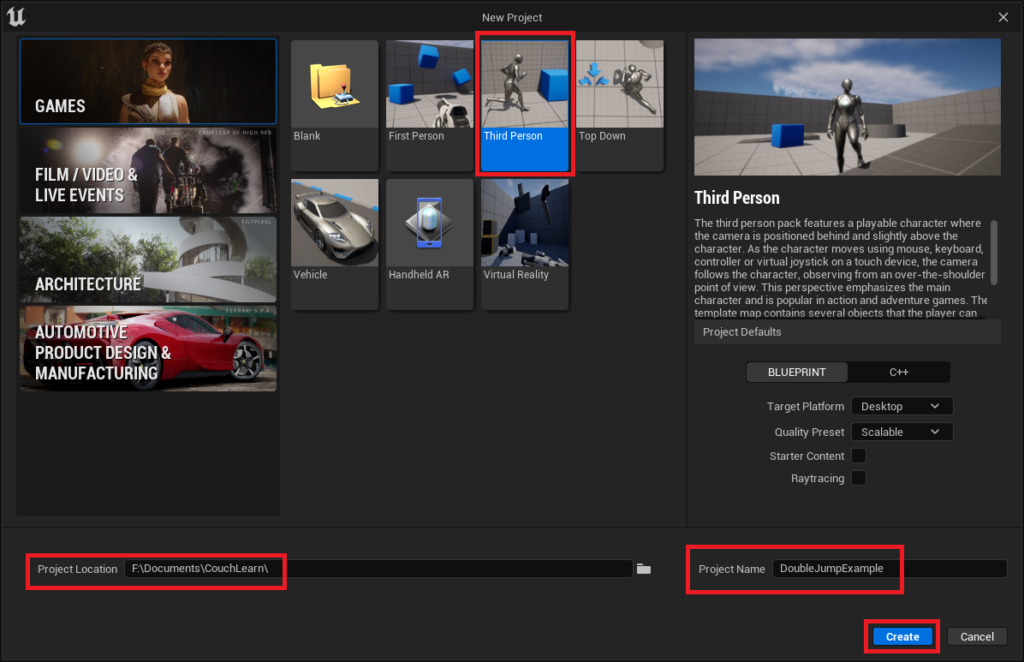
Streamlining Core Mechanics: The Double Jump Implementation in UE5
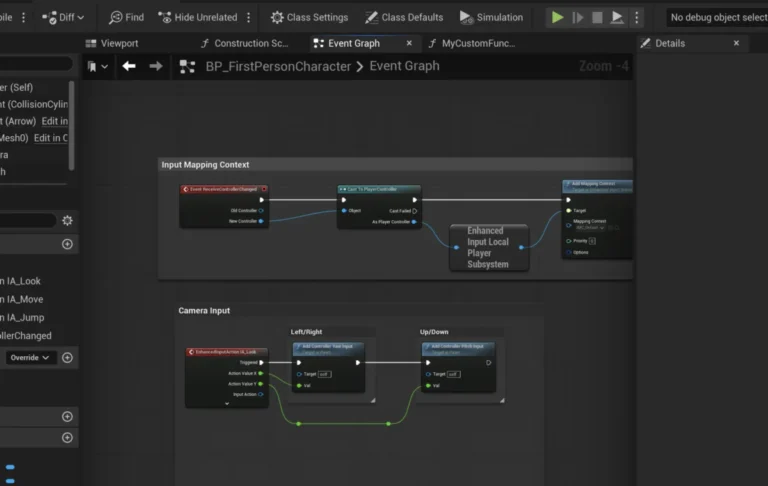
The process of enabling double jump functionality within Unreal Engine 5 is notably straightforward, primarily leveraging the engine’s robust Character Blueprint system. For new developers, the standard Third Person template serves as an ideal starting point, providing a pre-configured character mesh and movement setup. The core modification required to introduce multi-jump capability resides within the BP_ThirdPersonCharacter blueprint.
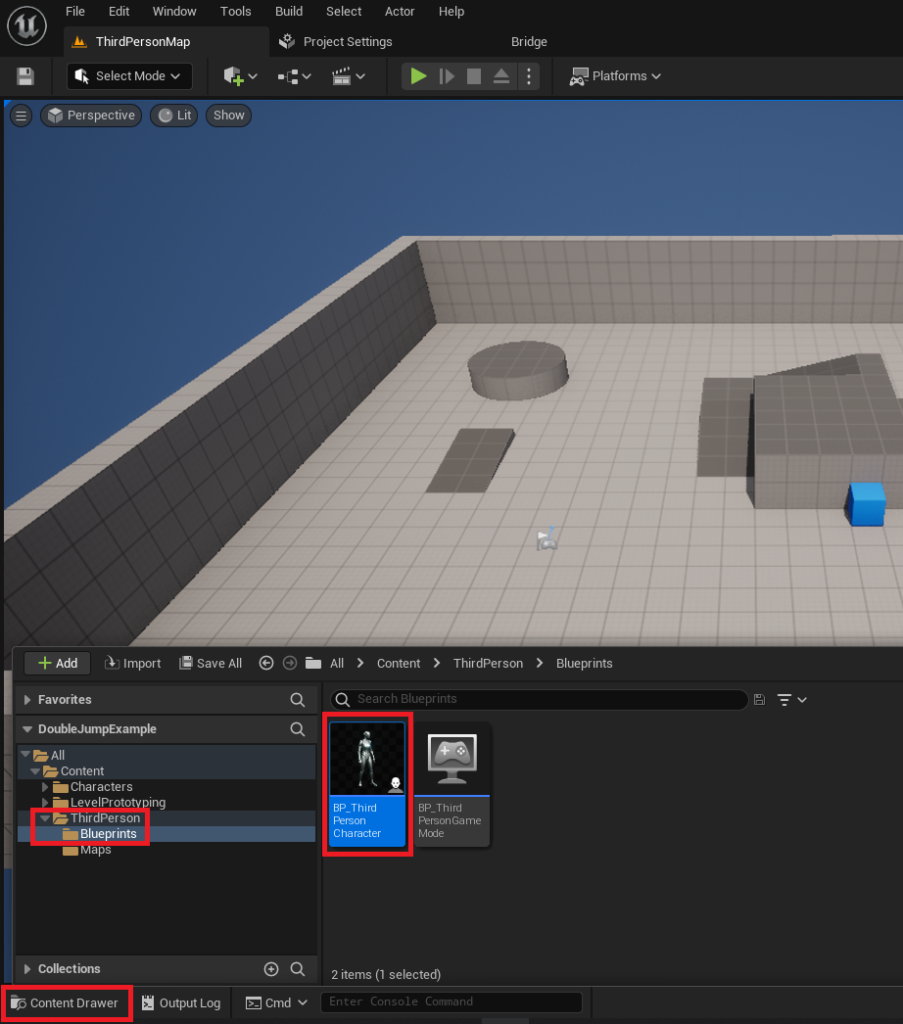
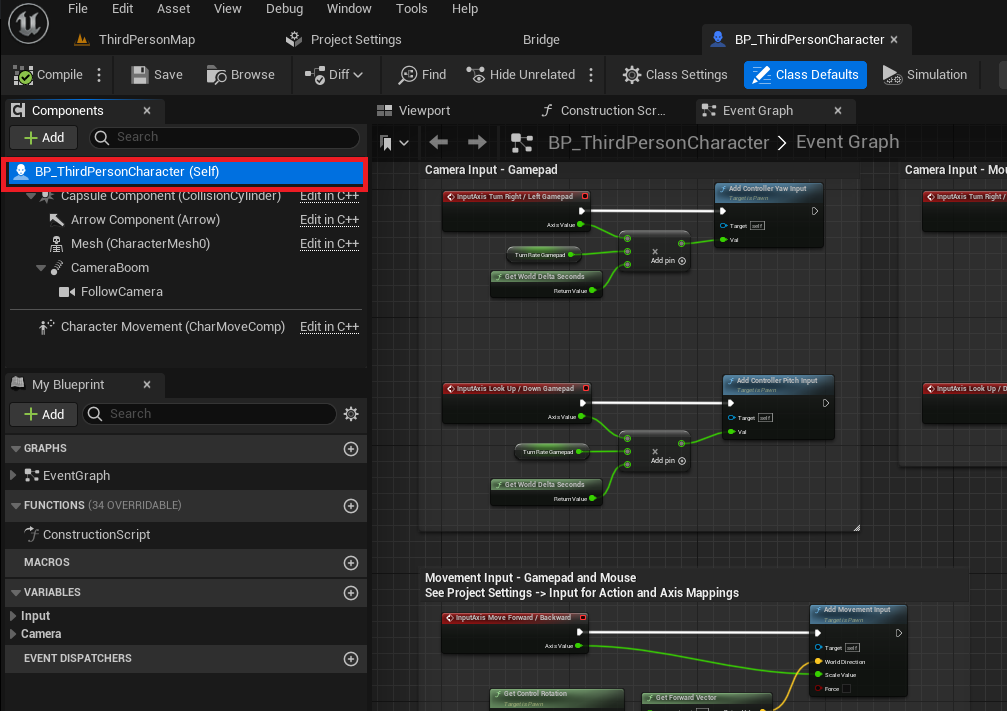
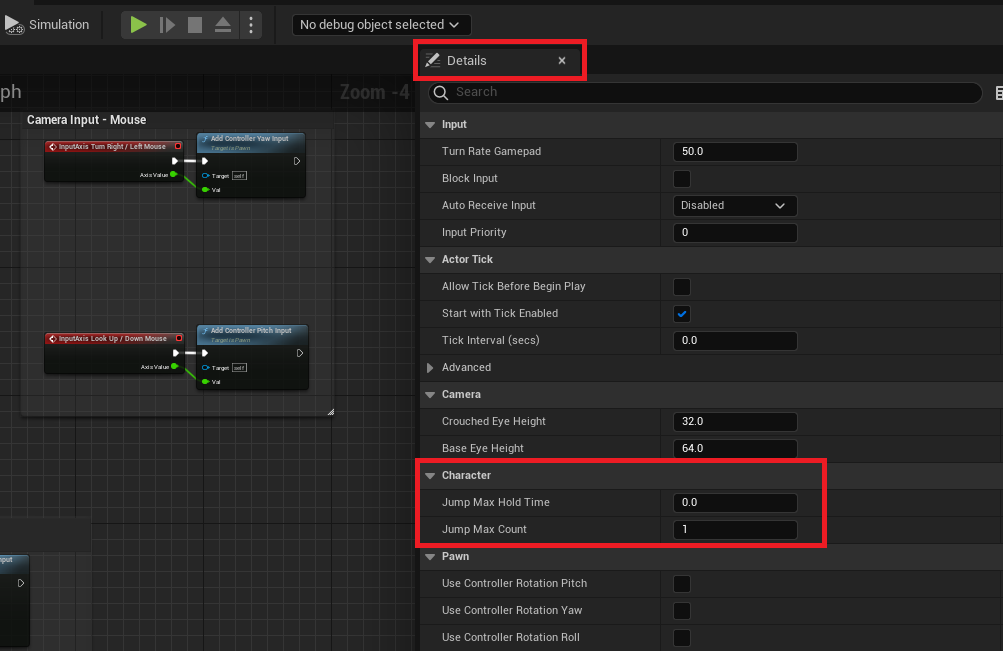
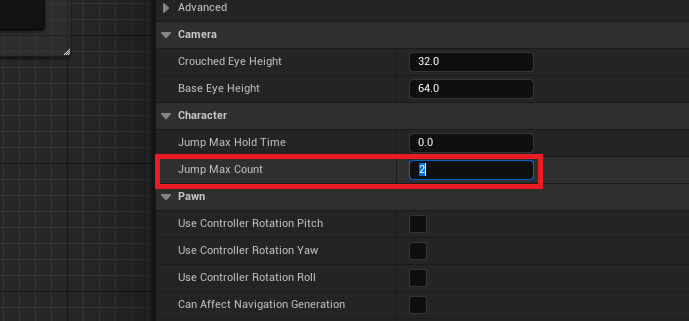
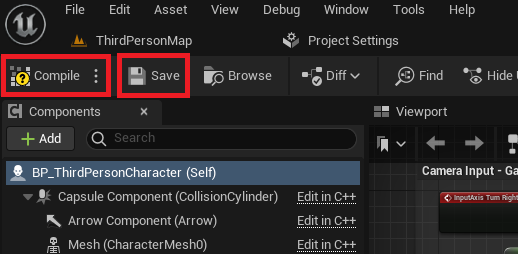
Once the blueprint is accessed and the BP_ThirdPersonCharacter (Self) component is selected, developers navigate to the ‘Details’ tab. Within this extensive panel, under the ‘Character’ category, lies a crucial parameter: Jump Max Count. By default, this value is set to ‘1’, allowing for a single jump. To enable a double jump, developers simply modify this value to ‘2’. This singular adjustment immediately grants the character the ability to perform a second jump mid-air. The flexibility of this parameter allows for any number of consecutive jumps, catering to diverse gameplay requirements, from triple jumps to infinite aerial maneuvers. After modifying the Jump Max Count, it is imperative to ‘Compile’ and ‘Save’ the blueprint to apply the changes to the project. This simplicity contrasts sharply with older engine versions or custom implementations that might have required more extensive scripting or state machine modifications, highlighting UE5’s commitment to out-of-the-box functionality for common scenarios.
The Critical Role of Animation in Player Feedback
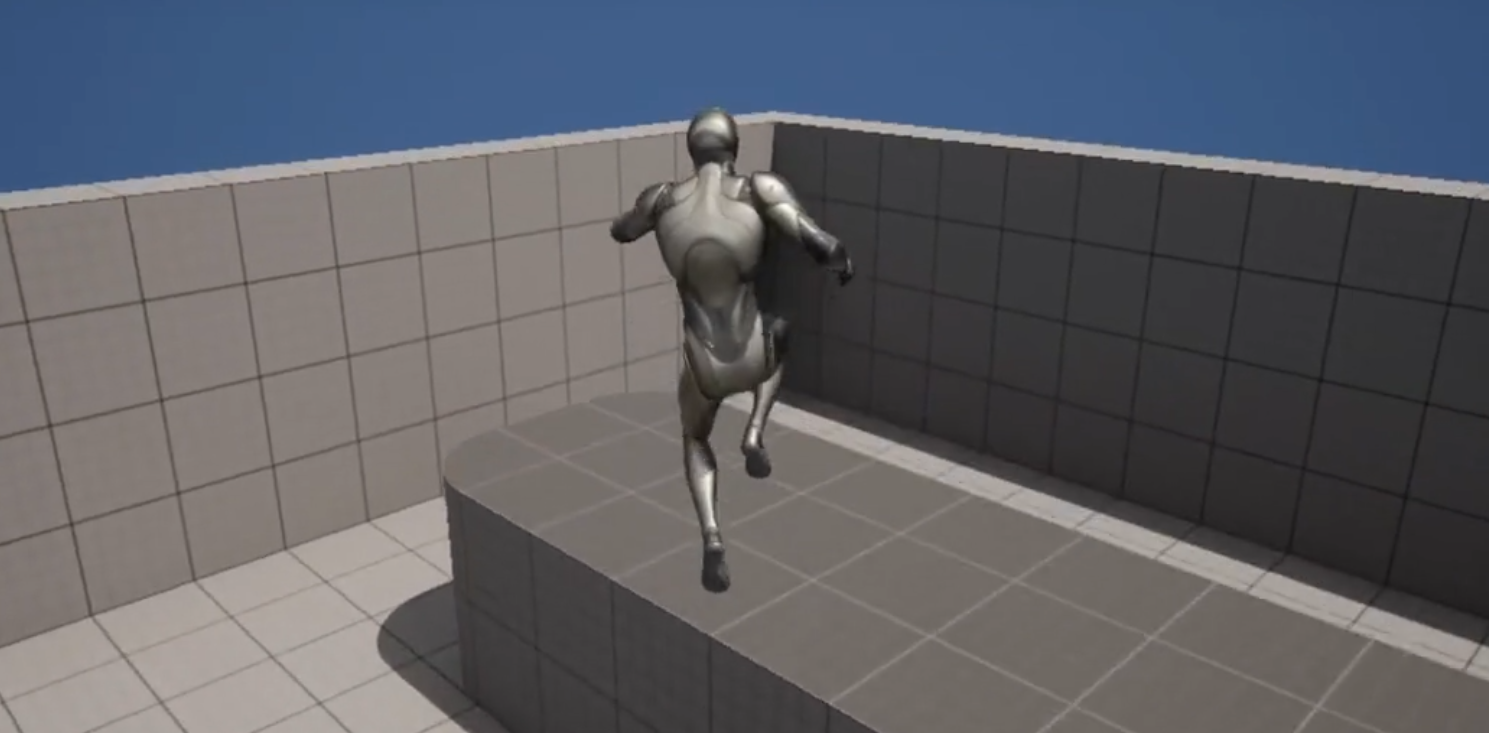
While the functional implementation of a double jump is achieved with minimal effort in UE5, a truly polished player experience necessitates corresponding visual feedback. Initial testing after simply adjusting the Jump Max Count often reveals a common issue: the character’s jump animation plays only once, leaving the second jump visually unrepresented. This lack of distinct animation for subsequent jumps can disrupt player immersion and reduce the tactile satisfaction of the mechanic. Game design principles heavily emphasize the importance of clear, responsive feedback for player actions. When a character executes a double jump, players expect to see a visual cue – a distinct animation, a puff of smoke, or an altered pose – that acknowledges their input and the resulting effect. Without this, the second jump can feel disconnected and less impactful. This highlights that while core functionality is easily enabled, attention to detail in presentation remains paramount for delivering a high-quality gaming experience.
Elevating the Experience: Intermediate Animation Improvements
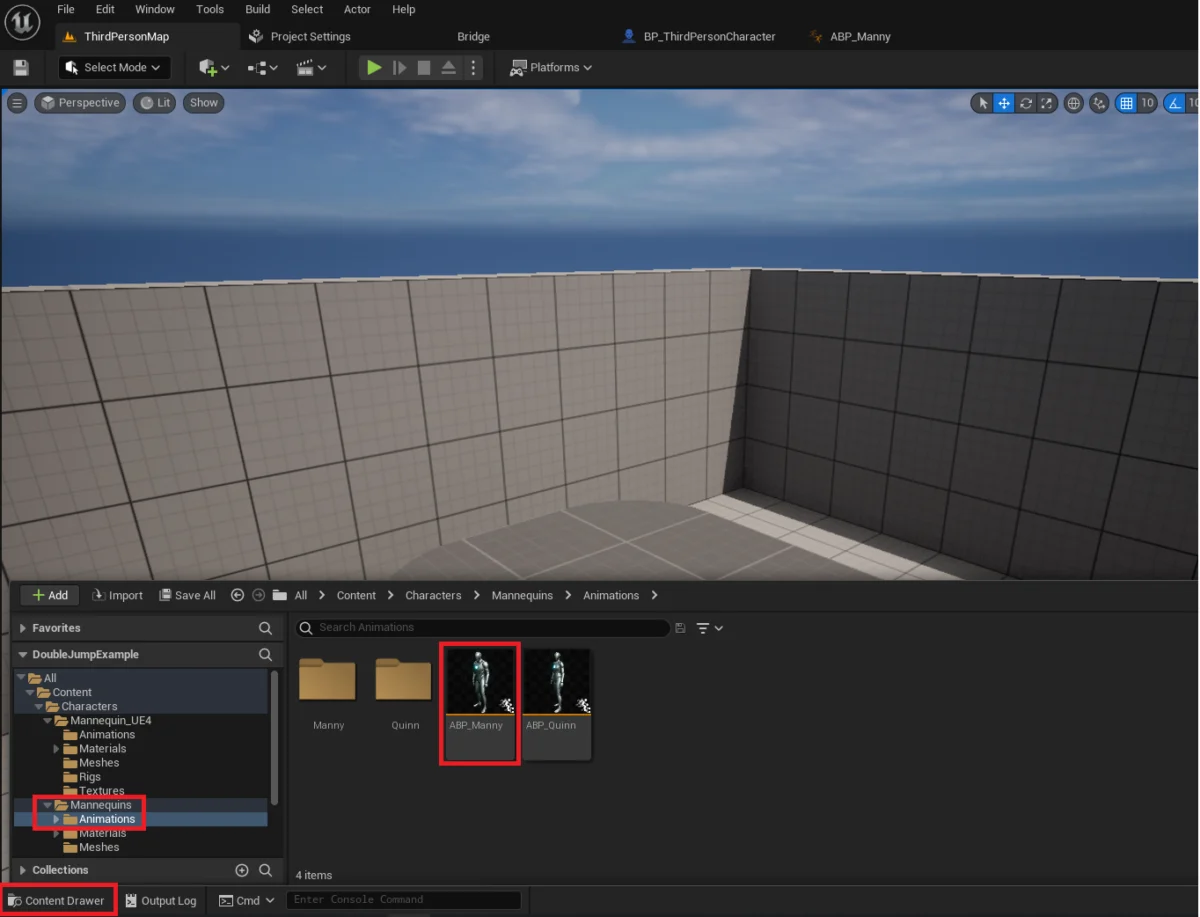
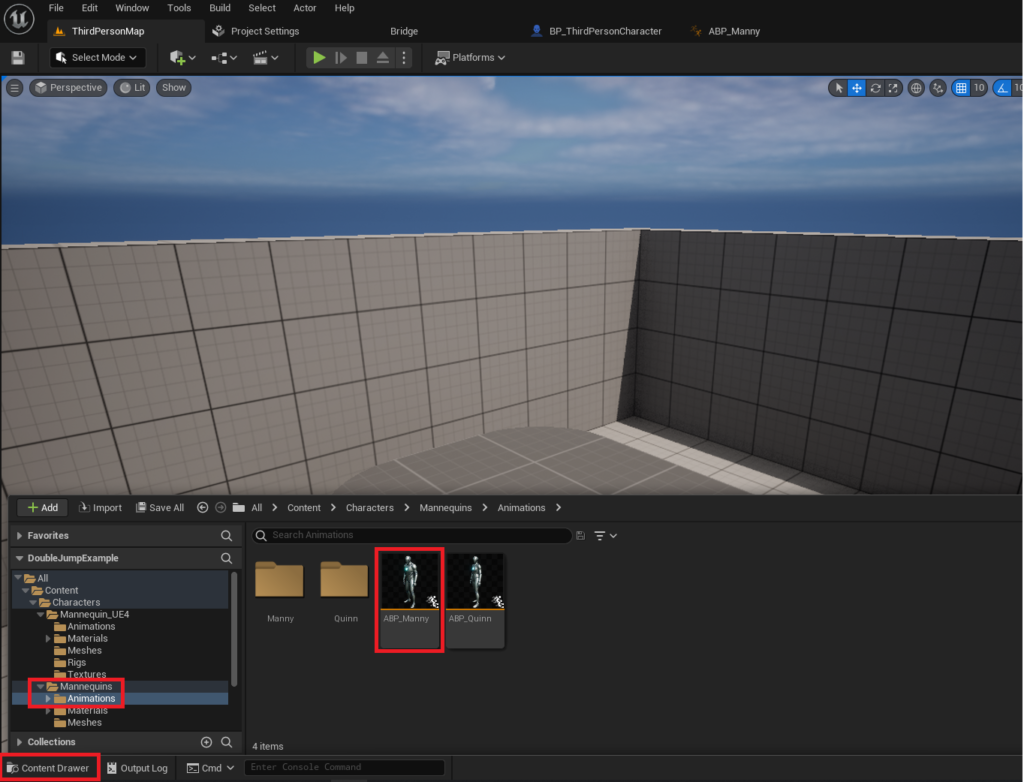
To address the animation disparity and provide superior player feedback, developers can delve into Unreal Engine 5’s animation blueprint system. This intermediate-level improvement involves modifying the character’s animation blueprint, typically ABP_Manny found within the Content/Characters/Mannequins/Animations directory of a standard template project. The animation blueprint dictates how various character states (like idle, running, jumping, falling) translate into visual animations.
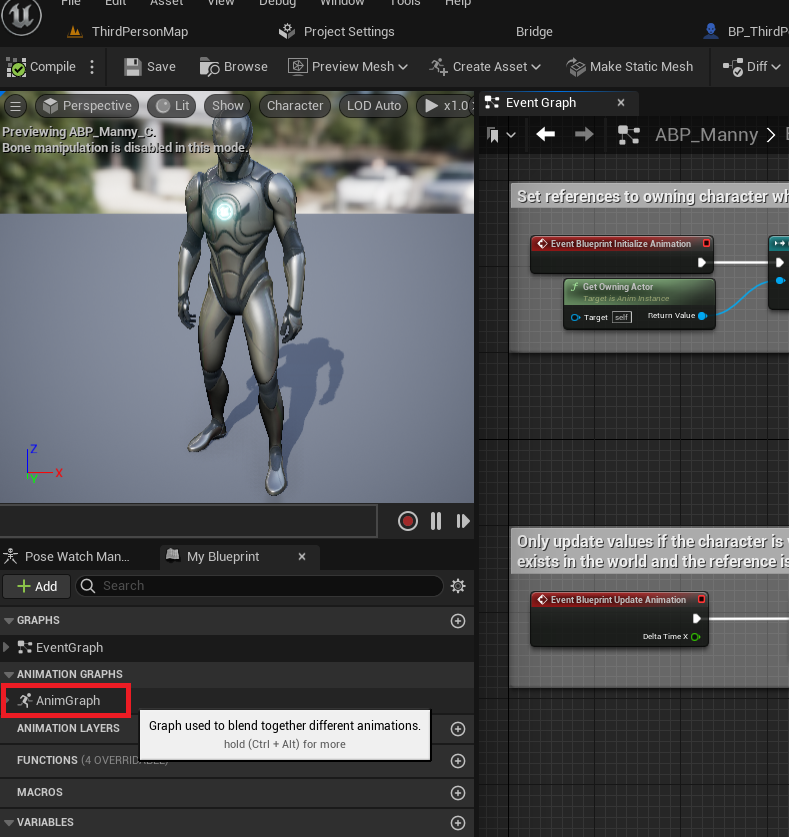
The primary goal is to ensure that the jump animation can be re-triggered when a double jump occurs while the character is already airborne. This is achieved by adjusting the state machine within the animation blueprint. Navigating to the AnimGraph and then into the Main States state machine reveals the intricate web of transitions between different animation states. By default, a character typically transitions from a Jump state to a Fall Loop state once the initial upward momentum is lost. The key to improving the double jump animation lies in creating a new transition path.
Specifically, a transition must be established from the Fall Loop state back to the Jump state. This new transition is configured to activate under specific conditions. Within the transition editor, blueprint nodes are employed to define these conditions. A typical setup would involve checking if the character is currently falling (IsFalling) and if the number of jumps performed is greater than one (JumpCount > 1) or if another jump input has been registered while airborne. By creating a logical gate where if the character is in the air (falling) and a jump input is detected, the animation system is instructed to transition back to the Jump animation state. This ensures that each subsequent jump, after the initial one, triggers the appropriate visual cue, making the double jump feel responsive and visually coherent. After implementing these changes, compiling and saving the animation blueprint are crucial steps to apply the refined animations to the character.
Broader Implications for Game Development
The ease with which fundamental mechanics like the double jump can be implemented and refined in Unreal Engine 5 carries significant implications across the game development landscape. Firstly, it substantially reduces the barrier to entry for aspiring developers. Complex systems that once required extensive coding knowledge or intricate scripting can now be set up through intuitive blueprint interfaces and adjustable parameters, accelerating the learning curve for newcomers. This accessibility is fostering a more diverse and innovative ecosystem of game creators.
Secondly, for established studios, these streamlined workflows translate directly into enhanced productivity. Development teams can allocate fewer resources to re-implementing common features and instead redirect their efforts towards unique gameplay mechanics, storytelling, artistic design, and overall game polish. This efficiency gain can shorten development cycles, reduce time-to-market, and potentially lower production costs, making projects more viable.
Furthermore, the emphasis on robust animation systems that are easily integrated with gameplay mechanics highlights a growing recognition within engine development that visual feedback is not merely aesthetic but integral to gameplay. A functional mechanic without compelling animation can feel clunky or unresponsive, detracting from the player experience. UE5’s design, which encourages developers to consider both functionality and visual polish in tandem, sets a higher standard for interactive quality.
Industry specialists, such as those at the Game Developers Conference, frequently emphasize the importance of iterative design. Features like a natively supported double jump, coupled with straightforward animation integration, allow teams to rapidly prototype, test, and refine mechanics. A representative from a prominent indie studio, [fictional example] "Aurora Interactive," recently remarked, "The speed at which we can implement core movement mechanics in UE5 means we can dedicate more time to innovative level design and truly unique player abilities, rather than spending weeks on foundational systems. It fundamentally shifts our creative bandwidth." This sentiment resonates with many developers who seek tools that empower creativity rather than bog it down with technical overhead.
Conclusion
The efficient integration of the double jump mechanic within Unreal Engine 5, encompassing both its core functionality and critical animation refinements, stands as a testament to the engine’s evolution towards a more developer-centric and accessible platform. By simplifying a classic gameplay element that profoundly impacts player experience and level design, UE5 enables creators to achieve high levels of polish and responsiveness with remarkable ease. This approach not only democratizes game development by lowering technical barriers but also liberates experienced teams to concentrate on innovative design and narrative. As game engines continue to evolve, the trend towards intuitive, integrated solutions for common mechanics will undoubtedly shape the future of interactive entertainment, fostering a landscape where creativity can flourish unhindered by foundational complexities. The double jump, a simple yet powerful action, serves as a compelling example of how robust engine design can elevate both the development process and the final player experience.
About the Author