The beloved PlayStation title, LittleBigPlanet 2, recently marked its tenth anniversary, a milestone that has prompted a retrospective look at its intricate soundscape and the extensive process behind its licensed soundtrack. The game, renowned for its user-generated content and distinctive artistic direction, owes a significant portion of its immersive experience to its carefully curated musical selections. This anniversary serves as an opportune moment to delve into the multifaceted journey of assembling LittleBigPlanet 2‘s auditory identity, from initial concept to final release.
The Genesis of a Sonic Universe
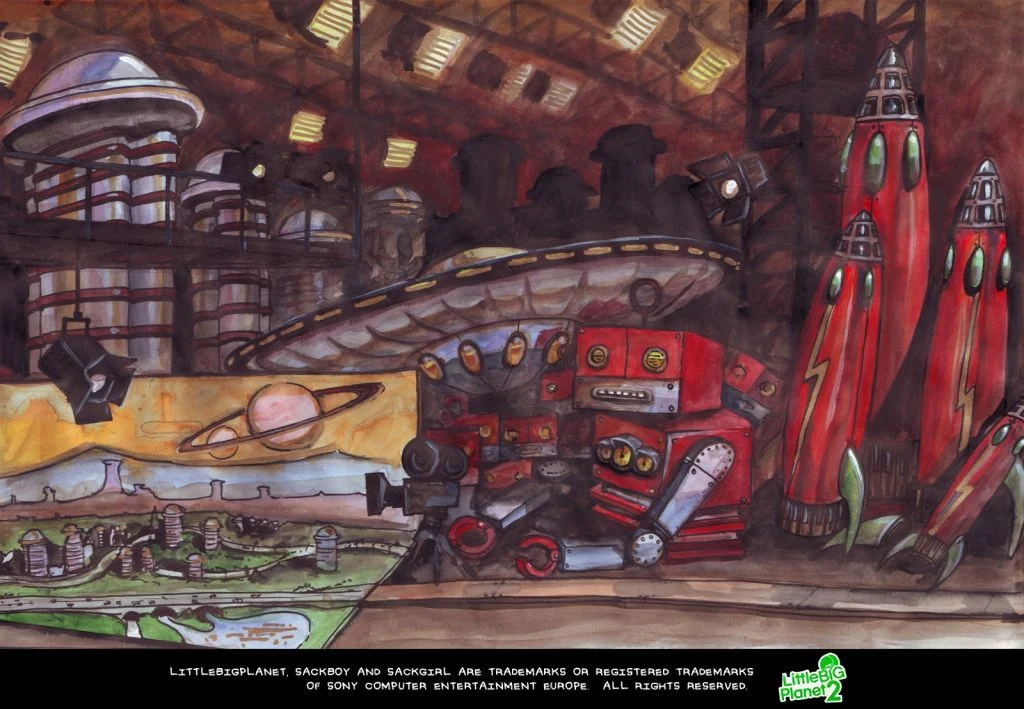
LittleBigPlanet 2, released in January 2011, emerged as a ambitious sequel to its critically acclaimed predecessor. While the first game’s thematic core revolved around "a journey around the world," the creative brief for LittleBigPlanet 2 pivoted towards "science through the ages" or "science fiction through the ages." This conceptual shift presented a unique challenge and opportunity for the sound design team. The abstract nature of science and time demanded a more nuanced approach to music selection than the geographically diverse themes of the first game.
The development process for LittleBigPlanet 2‘s licensed soundtrack was characterized by a rigorous evaluation of numerous tracks, aiming to capture the essence of its evolving art direction and thematic explorations. This retrospective highlights not only the music that ultimately defined the game’s audio experience but also the extensive catalog of songs considered and ultimately set aside. The author, deeply involved in the sound and audio work for the project, emphasizes a focus on the licensed music, deliberately excluding discussions of the original score or personal contributions to maintain clarity.

Curating the LittleBigPlanet 2 Sonic Identity
The licensed soundtrack of LittleBigPlanet 2 can be broadly categorized into three distinct playlists, each representing a different facet of the music selection process:
1. The LittleBigPlanet 2 Licensed Soundtrack: The Familiar Echoes
This playlist comprises the licensed tracks that players directly experienced within the game. It’s important to note that due to the requirement for backward compatibility with LittleBigPlanet 1 player-created levels, the licensed library technically encompassed all music from the first game. However, for the purpose of this retrospective and to maintain thematic focus, these tracks have been omitted from the presented playlists. The author points out that certain versions of songs, including instrumental, remix, or edited versions, were often sourced from unofficial channels like YouTube and are not always available on mainstream platforms like Spotify. This underscores the often complex and occasionally legally gray areas involved in music licensing for interactive media.
2. The LittleBigPlanet 2 Alternate Universe Soundtrack: Tracks That Almost Were
This collection offers a fascinating glimpse into the music that was considered for LittleBigPlanet 2 but ultimately did not make the final cut. The majority of these omissions were due to creative decisions and evolving game design, rather than licensing issues. The author recalls only one instance where a desired track could not be obtained due to licensing constraints, a decision that reportedly caused personal disappointment at the time. The presence of tracks unavailable on either YouTube or Spotify further highlights the unique nature of some of these selections.
3. The LittleBigPlanet 2 ‘Brief Says No’ Soundtrack: Divergent Melodies
This playlist showcases music that, while possessing merit, did not align with the project’s evolving creative brief or thematic direction. Many of these tracks were explored during the early stages of development, proving effective for conceptualizing ideas in linear video formats but falling short when it came to supporting the dynamic gameplay of LittleBigPlanet 2. Despite their exclusion from the final game, these tracks are recognized for their intrinsic quality and are presented as worthy of a listen for their own artistic value.

A Chronological Journey Through Sound Selection
The process of curating LittleBigPlanet 2‘s soundtrack was an iterative one, spanning several years and involving significant collaboration.
Early Development and Conceptualization (circa May 2009):
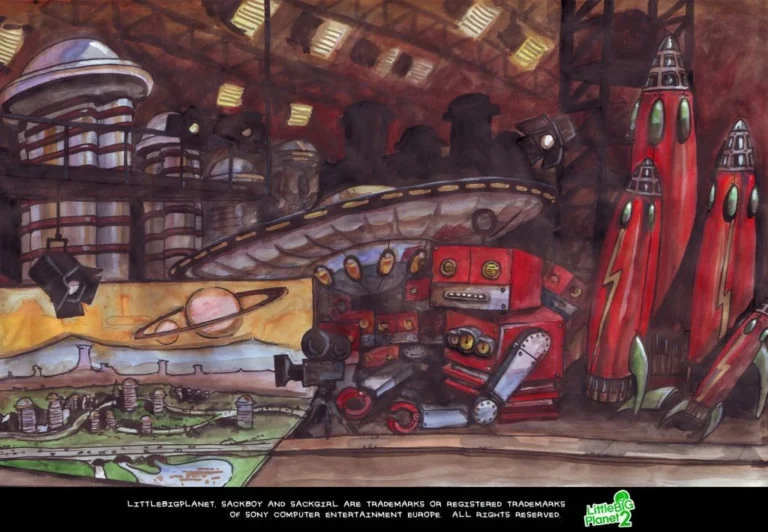
As early as May 2009, during what was essentially a pre-production phase, the sound team began conceptualizing the game’s auditory landscape. A key early step involved creating music montage videos. These videos paired concept art for each game area with work-in-progress licensed music ideas. This approach, described as "quick and dirty," proved invaluable for initiating the creative process. The initial high-level direction for each area was heavily influenced by the visual art direction. For instance, concepts like "science, sci-fi, and time" were explored musically. This period saw initial considerations for artists such as Ladytron, Squarepusher, and Röyksopp, though the specific tracks ultimately used evolved over time.
Evolving Themes and Aesthetic Considerations (December 2009):
By December 2009, a year before the game’s release, the initial concepts had begun to solidify, reflecting a more refined vision of the finished game. The number of distinct thematic areas was reduced from eight to six, a process that involved merging overlapping ideas and adapting to evolving content requirements as the full development team became integrated. The music direction also underwent refinement, with a greater focus on identifying music that would not only align with the themes but also effectively support gameplay. This stage also revealed areas where the thematic integration was still in flux, such as the "Soviet/Hollywood mashup" for Clive’s Factory, the "organic" feel for Eve’s Asylum amidst high-intensity gameplay, and the conceptualization of the music sequencer gadget for "The Cosmos." At this point, approximately 10 out of the 21 licensed tracks eventually featured in the game were under consideration, though they were not yet definitively confirmed.
Collaboration and Sony Music Licensing (Pre-Announcement to Late 2010):
As the game approached its announcement and subsequent release, collaboration with Sony Music Licensing became increasingly crucial. This partnership significantly broadened the scope of music being reviewed and considered. The refined thematic direction allowed Sony’s expertise to contribute focused and productive suggestions. A notable example is the suggestion of Passion Pit’s "Sleepyhead" for the announcement trailer, a track that, while not ideal for core gameplay, perfectly captured the trailer’s intended emotional tone of community, achievement, and forward momentum. The process of clearing music licenses could be protracted, with some tracks taking as long as six months to obtain approval. This underscores the necessity of "overprovision" – sourcing a surplus of suitable music to ensure a robust selection even with potential licensing hurdles.

The Final Push and Release (January 2011):
The game’s release was ultimately delayed from the competitive Christmas market to January 2011. This schedule adjustment, made to ensure the game was fully realized, provided a critical buffer for finalizing the soundtrack. Some music licenses were not cleared until as late as October 2010, highlighting the tight deadlines faced by the team.
Key Considerations in Music Selection
The development of LittleBigPlanet 2‘s soundtrack was guided by several core principles:
- Thematic Resonance: Music needed to evoke the overarching themes of science, science fiction, and temporal progression. This often involved seeking musical analogies that complemented the specific art direction and emotional tenor of each game area.
- Gameplay Support: Beyond atmospheric contribution, music had to dynamically support the interactive nature of the gameplay. Tracks that worked well in linear contexts often needed significant adaptation or replacement to function effectively within the game’s pacing and mechanics.
- Genre Balance and Subversion: A conscious effort was made to acknowledge the musical tropes of the sci-fi genre without succumbing to pastiche. The author set a target of "no more than 50% of the soundtrack being electronic in nature" to ensure a diverse palette that would contrast with the unrestricted musical choices available to players in their own creations. Playing against or subverting genre conventions was also a strategy to retain the "unexpected" edge that characterized the first game’s soundtrack.
- Emotional Impact: The author expresses a deep appreciation for music’s power to evoke strong emotions, noting that even after over a decade, certain tracks continue to elicit powerful feelings and memories associated with the game’s development experience. This emotional connection was a driving force in the selection process.
Broader Impact and Legacy
The legacy of LittleBigPlanet 2‘s soundtrack extends beyond its role within the game itself. Players have shared how the music has become a cherished part of their childhoods, with many continuing to listen to the soundtrack regularly. This enduring appeal highlights music’s unique ability to transcend its original context and serve as a powerful mnemonic device, evoking memories of the game and its vibrant community.
The collaborative nature of the music selection process, involving contributions from various team members at Media Molecule (Mm) and individuals at Sony, underscores the collective effort that went into shaping the game’s identity. This "team effort" approach fostered a shared vision and ensured a rich and diverse sonic tapestry.

The delayed release, while initially a setback, ultimately proved beneficial for the soundtrack’s completion. It allowed crucial licensing negotiations to conclude and ensured that the final audio experience met the high standards set by the development team.
In conclusion, the tenth anniversary of LittleBigPlanet 2 provides a valuable opportunity to appreciate the meticulous and passion-driven process behind its licensed soundtrack. It was a journey marked by creative challenges, collaborative synergy, and a deep understanding of how music can elevate an interactive experience, leaving an indelible mark on players and the game’s enduring legacy.
About the Author