The symbiotic relationship between music and video games has evolved dramatically since the pioneering days of Wipeout in 1995. That groundbreaking title, which licensed tracks from UK electronica titans like Leftfield, Orbital, and The Chemical Brothers for its PAL release, not only defined a generation’s gaming experience but also set a precedent for how audio could elevate interactive entertainment. This fusion, initially a bold experiment, has blossomed into a sophisticated industry in itself, driven by dedicated professionals and offering burgeoning opportunities for artists.
From Niche Licensing to Strategic Synergy
Twenty-five years ago, the integration of licensed music into video games was a novel concept. Wipeout‘s futuristic racing aesthetic, with its neon-drenched tracks and high-speed crafts, found a perfect sonic companion in the pulsating beats of mid-’90s British dance music. The game’s critical acclaim and subsequent soundtrack releases solidified this connection, paving the way for subsequent titles in the Wipeout series to feature artists like The Prodigy, Paul Van Dyk, and Sasha. This era marked a significant shift, demonstrating that carefully curated music could become an intrinsic part of a game’s identity and appeal, transcending mere background noise to become a defining characteristic.
The success of Wipeout and similar early ventures highlighted the untapped potential of music synchronization in gaming. While not the absolute first to feature licensed tracks, Wipeout established a gold standard for how music could be intrinsically woven into a game’s fabric, enhancing its atmosphere, gameplay, and overall player engagement. This established a foundation for what is now a multi-billion dollar industry where music licensing and integration are crucial components of game development and marketing.
The Modern Music-Gaming Ecosystem
Today, the landscape is vastly different. The "music sync" industry, encompassing the process of integrating music with visual media, has matured into a specialized field. Dedicated teams within game development studios and specialized music consultancy firms now employ audio directors, music supervisors, and A&R experts. Their role is to meticulously select and license music that aligns with a game’s narrative, aesthetic, and target audience.
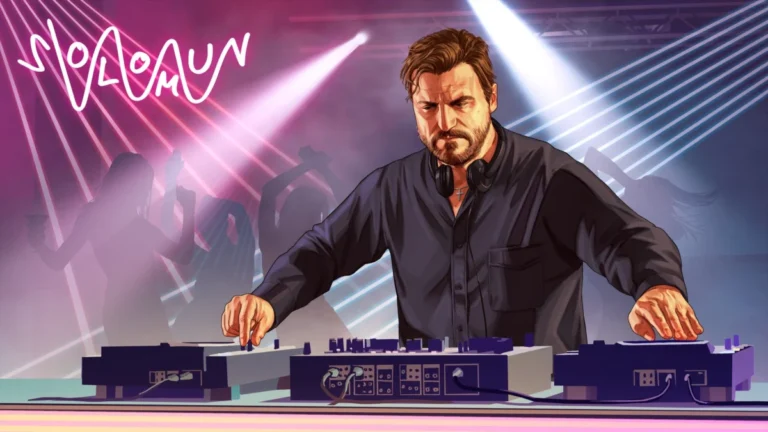
The application of music within games is diverse. It can manifest as curated in-game radio stations, mirroring real-world broadcasts in titles like Grand Theft Auto and Watch Dogs, or as dynamic playlists that adapt to gameplay scenarios. Beyond the in-game experience, licensed music is a powerful tool for marketing, appearing in trailers, promotional videos, and launch campaigns, amplifying a game’s reach and impact.
The Pandemic’s Impact: Games as a New Stage for Artists
The COVID-19 pandemic, which brought the global live music scene to a standstill, has inadvertently accelerated the convergence of the music and gaming industries. With traditional avenues for performance and fan engagement curtailed, artists, managers, and record labels are increasingly turning to video games as a vital platform to connect with new audiences and generate revenue. This shift has amplified the importance of music synchronization deals and fostered new collaborations between artists and game developers.
However, navigating this increasingly competitive space can be challenging. The intricacies of music synchronization, often involving complex negotiations and behind-closed-doors discussions, can be opaque to those outside the industry. To demystify this process, industry experts from both the gaming and music sectors have shared insights into how artists can increase their chances of having their music featured in video games.
The Decision-Makers: Who Curates the Game’s Soundtrack?
The process of selecting music for a video game typically involves a hierarchical structure, with the specifics varying based on the size and resources of the development studio. Larger studios often maintain in-house teams of music supervisors and A&R professionals who collaborate closely with record labels to identify suitable tracks. These teams are responsible for understanding the game’s artistic vision and finding music that complements it.
For studios that lack in-house expertise, external music consultancy firms like Feel for Music play a crucial role. Ben Sumner, director at Feel for Music, explains that their involvement often begins early in the development cycle, depending on the client’s familiarity with music integration. "Most people like music, but some are huge music fans from the off, and that often dictates at what point in the project we come in," Sumner states. "Larger games will have audio directors, brand directors and game directors, all of which will have strong ideas on the sound they want to achieve with the game. Sometimes we come in and we’re just fine-tuning what’s already there. Other times, people don’t know what they want at all."
Sumner emphasizes the importance of objectivity in their role. "A big part of our role is objectivity, because people’s music tastes are so subjective," he notes. "It’s about trying to bring in that objectivity to show how music appeals to certain audiences, how it fits with the game, and the cultural cachet that brings in with the whole branding." This objective approach ensures that music choices are aligned with strategic goals, not just personal preferences.
The burgeoning growth of the video game industry has significantly eased the process of securing buy-in from music partners. Alex Hackford, head of A&R at Sony Interactive Entertainment America, observes that the industry’s increased visibility and economic clout have made explaining the value of these collaborations more straightforward. "The ease of access of having front-end conversations with labels and publishers about what the value of video game involvement… that bar has lowered because people have seen the impact of it," Hackford explains. "The ability for us to have more buy-in from partners in projects is getting a lot easier."
Sony’s recent projects exemplify this growing synergy. Hackford highlights the Spider-Man: Miles Morales soundtrack, which featured four original tracks released simultaneously across digital service providers, in-game, and physically, complete with gameplay-driven music videos. Similar strategic integrations were employed for Death Stranding in partnership with RMCA. "I don’t think I speak out of turn when I say all of us are looking to do more of those types of things," Hackford adds.
Discovering New Talent: Getting Your Music Heard
For artists aspiring to have their music featured in video games, the journey begins with discoverability. Duncan Smith, head of music at Sony Interactive Entertainment Europe, underscores that there is no singular "magic formula." "Every game has different criteria, so it depends on what the game is trying to say and what kind of music it requires: is it gonna benefit from having a contemporary tracklist with big artists on there, or will it benefit looking at more obscure bands that can enhance the experience?"

With an overwhelming volume of music available, proactive strategies are essential. Music supervisors are actively seeking out new talent, not passively waiting for submissions. Therefore, ensuring music is accessible across multiple digital platforms like Spotify, Apple Music, Deezer, Google Play, and YouTube is paramount. Stephen Root, vice president of development creative services at Codemasters, relies heavily on platforms like Spotify for music discovery. "I do use Spotify a lot because it’s nice and easy to use while also having a great interface," Root says. "When we were working on our soundtrack for Dirt 5 at the time, Spotify was an easy way to build a playlist and share it around with the key people in the company."
This widespread accessibility can lead to unexpected opportunities. Jim Hodge, vocalist for the metal band Mastiff, recounted how CD Projekt Red approached them for an unreleased track, "Acid Breather," for Cyberpunk 2077. "We honestly thought it was a wind-up until we started speaking to them properly," Hodge recalls. "They wanted an unreleased track and we’d literally just been in the studio the month before to record. At the time, we were out of contract, which made it much easier to release the track. Having a track on one of the biggest games ever released is absolutely nuts, and hearing our music in the game still freaks us out."
While being signed to a major record label can provide advantages through dedicated A&R efforts, it is not a prerequisite for inclusion in video games. Independent and unsigned artists have numerous avenues for exposure. Stephen Root frequently attends specialized listening sessions with record labels, gaining insight into emerging artists and their future plans. "I spend most of my time working on who’s up and coming," he notes. "Figuring out which artists these labels are investing their time into and why they think are going to be really successful artists."
Root also emphasizes his openness to new talent, regardless of their label status. "I always want to give people a shot," he asserts. "I’m really into up-and-coming new artists, so I say to people [labels and managers] throw all of the new stuff my way and let me wade through it."
Sony’s Duncan Smith echoes this sentiment, advising artists not to be deterred by a smaller fan base. "One of the reasons I love this job is that, most of the time, we’re looking for music that enhances the experience of the game or scene," Smith explains. "Most of the time, it doesn’t matter how many hits, streams or views that artist has had. The priority is to find music that enhances that experience, makes it compelling, and connects with the player. So in that sense, you don’t have to be on a major label."
Tom Mackay, Sony’s president of premium content A&R, reinforces that artistic merit is the primary consideration. "At the end of the day, good music is good music," Mackay states. "Is there a predisposed goal to predominantly put Sony Music artists into our projects? Of course there is. But would I be shortsighted and at the same time potentially shackling the game or project by only considering Sony artists? Of course I would be. It’s a careful balance. If an amazing record came in that was perfect for the game and everybody loved it, we would never stand in the way of that."
Cultivating a Unique Sound and Identity
Beyond accessibility, developing a distinctive artistic identity is crucial for making a lasting impression. Joe Henson of the musical composition duo The Flight advises artists to cultivate their unique voice. "Don’t just try and do what other people do because they already do that," Henson suggests. "Don’t just try and do epic, orchestral music because everybody does that. If you have a unique instrument, use that instrument."

Duncan Smith concurs, believing that a one-of-a-kind sound is more likely to capture attention. "Develop your own sound and have a strong identity. Don’t chase the tail of whatever is popular in games or in music sync," Smith advises. "Stick to the fundamentals of developing your own identity, and then make the effort to try and get in touch with the likes of myself and Alex. Find out what we’re working on, try and develop a relationship, and if you make the effort it will cut through." He adds, "If you have a strong identity, we could end up coming back a year or so later if there’s something that requires your style — whether that’s industrial, drum ‘n’ bass, folk or whatever else. Do what you do and do it with passion."
Mastering the Approach: Making the Right Connection
Effectively reaching out to the right decision-makers is a critical step in the process. Rather than a scattergun approach, artists should identify games and franchises that align with their musical style. Tom MacKay emphasizes the importance of a "seamless creative bond of connectivity between the artist and what they represent." He elaborates, "You spend an immense amount of time with the director or the game developer to understand their vision, and then you meticulously start working through bands from all over the world to try to find those that will fit."
Identifying relevant contacts often involves research. Examining game credits for audio and music teams, or utilizing professional networking platforms like LinkedIn, can reveal the names of music supervisors and audio directors. Information found in YouTube descriptions for game trailers can also provide valuable leads.
For artists who lack the time or expertise to navigate this process, engaging with their management or agents is a wise step. Stephen Root encourages artists to communicate their interest in gaming to their representatives, who can then proactively seek out opportunities. "I would say to anybody that’s an artist, either on the cusp of being either signed or that has just been signed, to explain to their management about their level of interest in gaming," Root advises. "Ask them to find and approach companies to see where they can fit your music. I would definitely do that because I think that’s a really great thing to do."
Alternatively, hiring a sync representative, a professional specializing in securing music placements in media, can be beneficial, particularly for artists without established label or publisher connections. Duncan Smith recommends these "third-party sync reps" for their ability to maintain relationships with music supervisors and identify opportune projects. "It’s important to make the effort to find out what we’re working on, and I think that’s where third-party sync reps can help," Smith states. "Especially because it’s difficult to keep up to speed with what music supervisors are working on and develop that relationship."
When making formal pitches, tailoring the approach to the specific contact is paramount. Alex Hackford stresses the importance of referencing games that the recipient has direct involvement with, rather than more generic, cross-platform titles. "If you have a formal pitch, make sure you know who you’re pitching to and you’re referencing games that they’re working on, rather than referencing cross-platform products that aren’t gonna be as relevant to their work."
Duncan Smith concurs, highlighting the contrast between personalized outreach and generic mass emails. "Trying to develop a relationship and make the effort will always cut through — especially compared to some of the emails that we get where people have 50 different supervisors on one email and just hit send, without making the effort to find out what we’re working on."

Ben Sumner of Feel for Music receives a substantial volume of daily inquiries, underscoring the need for persistence and strategic focus. "It might be hard for us to check out your music, but if you’re persistent, focused, and understand the places where your music might fit, that’s a great starting point," Sumner explains. He notes that persistent follow-up, even if an initial email is missed, can lead to opportunities. This approach, he highlights, was instrumental in securing Sufjan Stevens’ music for the Life is Strange spin-off, The Amazing Adventures of Captain Spirit.
Technical Requirements and Creative Flexibility
Beyond artistic alignment, technical considerations are vital. Artists must ensure their music is available in various file formats, including "stems" – individual instrument tracks – which are essential for trailer editing and in-game interactive elements. "Having your music in the right formats is really important," Sumner emphasizes. "Do you have the instrumental version and do you have the vocals? We’re always going to need stems. If I put something into a trailer I have to rework it."
Furthermore, artists can enhance their music’s suitability for game integration by offering rearranged versions. Sumner suggests creating tracks with structures tailored for trailers, such as intro-middle-ending sequences, rather than traditional verse-chorus formats.
The games industry, according to Joe Henson of The Flight, can be particularly challenging to penetrate. "With film and TV, you can find out what’s going into production — you can meet people and they’ll tell you what’s happening," Henson says. "In games, you sometimes won’t know what people are working on until you have that initial big meeting. Work comes completely out of the blue, and because of all the NDAs, video games can sometimes be difficult to get into."
For annual franchises like FIFA or Call of Duty, artists can strategize by working backward from established release schedules. Alex Hackford notes that music development often occurs eight to ten months pre-release. Artists should also consider aligning their own music release plans with potential game integration, as studios are often eager to feature debut tracks.
Navigating Licensing and Maximizing Collaboration
Licensing music involves navigating complex ownership rights. Artists and their representatives must have a clear understanding of who holds the rights to their music to avoid complications during the licensing process. Alex Hackford shares a cautionary tale: "I’m dealing with a scenario now where there’s a track I really like but there’s a lot of questions around ownership, so I’m probably gonna have to drop it."
When a music placement is secured, artists are encouraged to explore opportunities for added value. This can include cross-promotional activities, such as featuring game artwork on merchandise or creating music videos using in-game footage. Duncan Smith highlights the proactive approach of DJ Shadow’s manager, who negotiated additional promotional opportunities beyond the licensing fee for Driveclub, leading to the game featuring the artist’s album artwork on in-game cars. Similarly, the band Broken Witt Rebels’ creation of a music video using gameplay footage for Dirt 5 was highly appreciated by the developers.

Budgetary considerations are also crucial. Stephen Root outlines his approach to budgeting for Dirt 5, establishing three tiers of fees for up-and-coming artists, those in the middle ground of success, and established artists. This tiered system allows for a curated soundtrack that balances emerging talent with well-known acts.
Financial Realities and Long-Term Relationships
While securing a spot in a video game can be a career-defining moment, the financial remuneration for contributed tracks has shifted over time. Ben Sumner notes that in the early days of Grand Theft Auto, royalties were offered, leading to significant earnings for artists. However, the current model largely favors fixed-rate licensing. "I think royalty payments are generally a thing of the past, but there are a few exceptions out there," Sumner observes, mentioning certain European PROs and mobile games as potential exceptions.
Duncan Smith advises artists to maintain realistic financial expectations. "Try to have realistic expectations about a deal. Don’t get crazy imagining you’re gonna have a life-changing sum of money in your pockets," he states. "It’s more about being realistic, in addition to being good to work with, being helpful, and providing us with all the stuff we need." Building positive working relationships can foster repeat business and long-term collaborations, proving more valuable than a one-off fee.
The Enduring Impact and Future of Music in Gaming
The impact of music placement in video games can be profound. John Feldmann, lead singer of Goldfinger, attributed the massive success of their song "Superman" to its inclusion in Tony Hawk’s Pro Skater, calling it the "biggest song we’ve ever written." For many artists, game appearances serve as a significant validation and a powerful marketing tool.
The emergence of artists debuting new music within video games has created a unique avenue to instantly reach millions of players. Alex Hackford notes that for independent artist Lecrae, two original tracks for Marvel’s Spider-Man: Miles Morales led to a substantial increase in his streaming numbers.
The symbiotic relationship between the gaming and music industries is poised for further growth. Hideo Kojima’s Death Stranding, featuring new music from prominent artists, and the continuous influx of new tracks in games like GTA V Online, exemplify this trend. Collaborations with major pop culture entities, such as The Pokémon Company partnering with artists like Katy Perry and Post Malone, further underscore this convergence.
Tom Mackay anticipates an increasingly significant role for the gaming industry in shaping music industry strategies. "The gaming industry will play a larger and larger role in the overall way in which the music industry thinks, operates and strategizes every day going forward," Mackay predicts. "I think the reasons for that is because of A), the effectiveness in the marketplace when you get it right, and B), the natural joy and excitement it brings to both the artists and fans." He concludes, "What I can say with confidence is what has been achieved so far is a literal scratching of the surface. These gaming platforms are the new water cooler. They are the news meeting place, especially for millennials and for younger generations." As technology advances and player engagement deepens, the integration of music into video games will undoubtedly continue to evolve, offering unprecedented opportunities for both creators and consumers.
About the Author